
Post Stress Vagal Reactivation After Acute Operational Incidents
Post stress vagal reactivation restores parasympathetic cardiac braking, ending prolonged operational hyperarousal through deliberate baroreflex and safety cues.
Shock
Physiological Deceleration in the Immediate Aftermath
Seventy minutes into incident remediation, the screen goes dark and the room falls silent, but heart rate stays locked above ninety beats per minute. The sympathetic branch spent that hour shifting blood into skeletal muscle, releasing cortisol, and flooding circulation with catecholamines to sustain vigilance. Even after the operational outage resolves, peripheral adrenaline degrades slowly, circulating for several minutes while central downregulatory commands meet mechanical resistance at the sinoatrial node.
Allostatic load reflects this metabolic cost of holding systemic stability under continuous environmental demand.
Recovery depends upon parasympathetic reactivation, specifically the return of inhibitory control exercised by the vagus nerve over cardiac output. The vagus acts as an active brake. When an operational incident forces sudden problem-solving, that brake disengages, allowing the heart’s intrinsic pacemaker to run without restraint.
Once responders deploy a code patch or isolate the faulty server, systemic recovery requires rapid reapplication of that vagal brake. Without that check, the organism continues circulating catabolic hormones, burning glycogen stores and depleting psychological capacity long after alarms clear.
The rapid resumption of parasympathetic tone depends entirely on the verified removal of novel operational threats rather than simple task cessation.
The transition between emergency mobilization and baseline physiology exposes wide individual variation. Stabilization rates diverge markedly across senior operators: some regain resting respiratory rates and microvascular warmth within ten minutes of logging off the bridge, while others remain locked in sympathetic drive for hours, pacing rooms or dealing with erratic heart action late into the evening. That prolonged sympathetic dominance degrades nocturnal sleep architecture, blunts slow-wave delta cycles, and impairs the cellular regeneration needed for subsequent shifts.
When autonomic braking stalls, an acute physiological spike converts into protracted biological debt, eroding working memory and executive endurance across subsequent operational shifts.

Tone

Vagal Braking and Cardiac Interbeat Intervals
Vagal efficiency manifests through heart rate variability, the millisecond-by-millisecond fluctuations between successive R-waves on an electrocardiogram. High parasympathetic traffic along the tenth cranial nerve slows heart action during each exhalation and permits mild acceleration during each inhalation, a respiratory cycle indexing vagal capacity known as respiratory sinus arrhythmia. When sympathetic output dominates an incident response, this variability collapses into a rigid, metronomic cadence.
Spectral analysis of pulse intervals isolates this parasympathetic contribution through high-frequency power measurements. Alongside it, the root mean square of successive differences in normal heartbeats captures short-term vagal modulation without confounding low-frequency sympathetic noise. Following acute crises, the recovery trajectory of these metrics differentiates sustainable engineering routines from progressive systemic wear.
Laboratory protocols establish that healthy human recovery achieves fifty percent vagal restitution within twelve minutes of stressor removal. Field measurements among engineering leads often document a complete absence of restitution across two hours post incident.
A persistent post crisis pulse interval floor indicates an incomplete autonomic brake engagement.
Under the neurovisceral integration model, autonomic regulation couples directly with executive cognition. Frontal cortical regions, notably the ventromedial prefrontal cortex and anterior cingulate cortex, exert tonic inhibitory control over subcortical defense centers in the central nucleus of the amygdala, using the vagus nerve as the bidirectional conduit. Low resting vagal output mirrors diminished prefrontal inhibition, rendering the operator vulnerable to intrusive catastrophic thoughts, panic, and cognitive perseveration long after production systems achieve green status.
High vagal tone preserves the prefrontal bandwidth required for deliberate analysis during subsequent post mortems.
A designated operational cooldown protocol, defined as thirty minutes of shielded offline time, reinstates vagal dominance by preventing downstream secondary demands from consuming newly cleared biological capacity.

Bench
Sustained Incident Response Versus Monitored Recovery
The operational desk functions as a physiological testing station during crises. Sitting before four active terminals, a responder monitors telemetry boards, parses error traces, and coordinates simultaneous triage commands across distributed team members. Working memory buffers hit structural limits under that load, forcing the operator to shed peripheral data to protect core execution, while vascular resistance tightens and drives blood pressure upward.
Consider two incident leads running the same production outage under identical technical constraints. Both operators face a severe database deadlock that threatens real-time transaction processing. The table below illustrates the diverging physiological metrics and subsequent autonomic recovery paths between an operator who continues working on backlog tasks immediately after resolution and an operator who enters structured isolation at the physical bench.
| Incident Stage | Sustained Secondary Task Load | Dedicated Physical Rest Protocol | Autonomic Index |
|---|---|---|---|
| Initial Alarm Detection | Heart rate rises to 104 bpm; interbeat variability drops seventy percent | Heart rate rises to 102 bpm; interbeat variability drops seventy-two percent | Sympathetic Surge |
| Active Mitigation Phase | Stable tachycardia at 98 bpm; peripheral skin temperature falls three degrees | Stable tachycardia at 96 bpm; peripheral skin temperature falls three degrees | Vagal Withdrawal |
| Five Minutes Post Fix | Heart rate remains at 94 bpm; high-frequency heart rate variability suppressed | Heart rate declines to 78 bpm; high-frequency heart rate variability rebounds | Autonomic Transition |
| Sixty Minutes Post Fix | Heart rate hovers at 88 bpm; salivary alpha-amylase remains elevated | Heart rate reaches baseline 64 bpm; salivary cortisol clearance active | Full Vagal Brake |
The operator who continues administrative triage keeps the brainstem evaluating threats. Incoming chat alerts and peripheral queries prolong the biological crisis state. Conversely, stepping away to a physical bench without screens signals genuine safety to subcortical threat detectors; physical stillness permits the rostral nucleus ambiguus to resume dense cholinergic discharges to cardiac pacemaker cells, restoring physiological headroom.
The post incident debriefing can wait until morning because the systems have achieved stability.
Cost
Allostatic Depletion and Misread Behavioral Signals
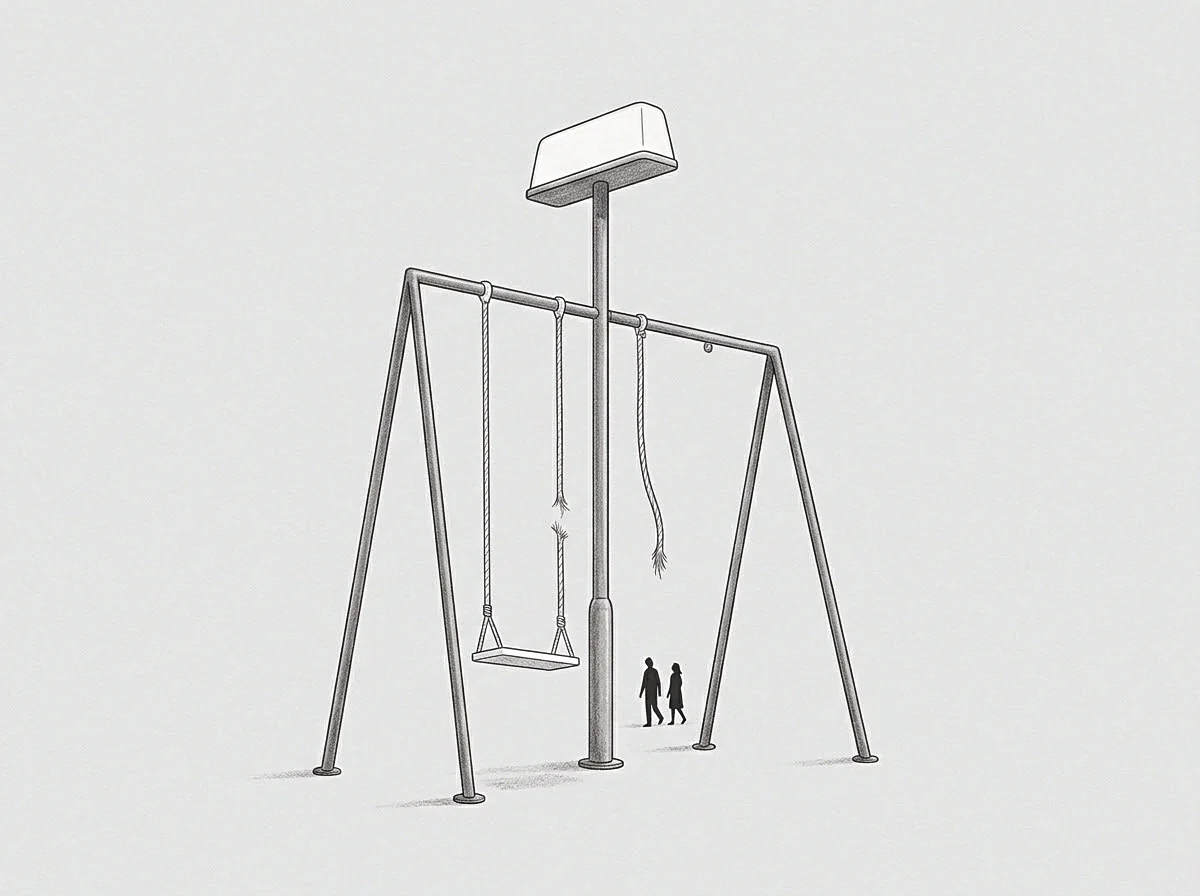
Chronic inhibition of vagal reactivation incurs compounding physiological penalties in energy and attention. When an organization suffers frequent operational outages without sufficient biological recovery between spikes, personnel enter a state of continuous physiological throttling. In this throttled configuration, the nervous system rations autonomic adjustments to prevent cardiovascular collapse.
The operator becomes flat, emotionally blunt, and unresponsive to low-priority queries, an adaptive conservation mode that management frequently misreads as unresponsiveness or reduced engagement.
The biological mechanisms driving this state differ fundamentally from passive apathy. Sustained sympathetic drive elevates baseline cytokine signaling, driving peripheral inflammation while exhausting mineralocorticoid receptor sensitivity inside the hippocampus. The person continues executing mission-critical runbooks with mechanical precision while losing the physiological capacity to start creative exploration, social interaction, or complex process redesign.
When an operator appears detached after a critical incident, the biological engine is rationing scarce vagal reserve to shield cardiac tissue.
Social baseline theory demonstrates that relational support reduces the metabolic cost of neural self-regulation. Working alongside a calm, experienced co-lead spreads the metabolic burden across multiple nervous systems. Solitary responders bear the entire energetic toll alone, leading to rapid vagal fatigue and protracted recovery delays.
Several clear behavioral markers indicate severe autonomic depletion following operational incidents:
- Protracted Pupillary Dilation indicates persistent central noradrenergic outflow from the locus coeruleus despite zero operational demands.
- Blunted Speech Cadence reflects insufficient vagal efferent supply to the laryngeal muscles responsible for vocal prosody and relational cues.
- Perseverative Console Scrolling demonstrates prefrontal hypoactivation, trapping the individual in repetitive low-utility verification behaviors rather than allowing rest.
Operators recover their autonomic balance faster when senior leadership shields post crisis time from non-essential bureaucratic obligations.

Pace
Establishing Deliberate Autonomic Recovery Windows
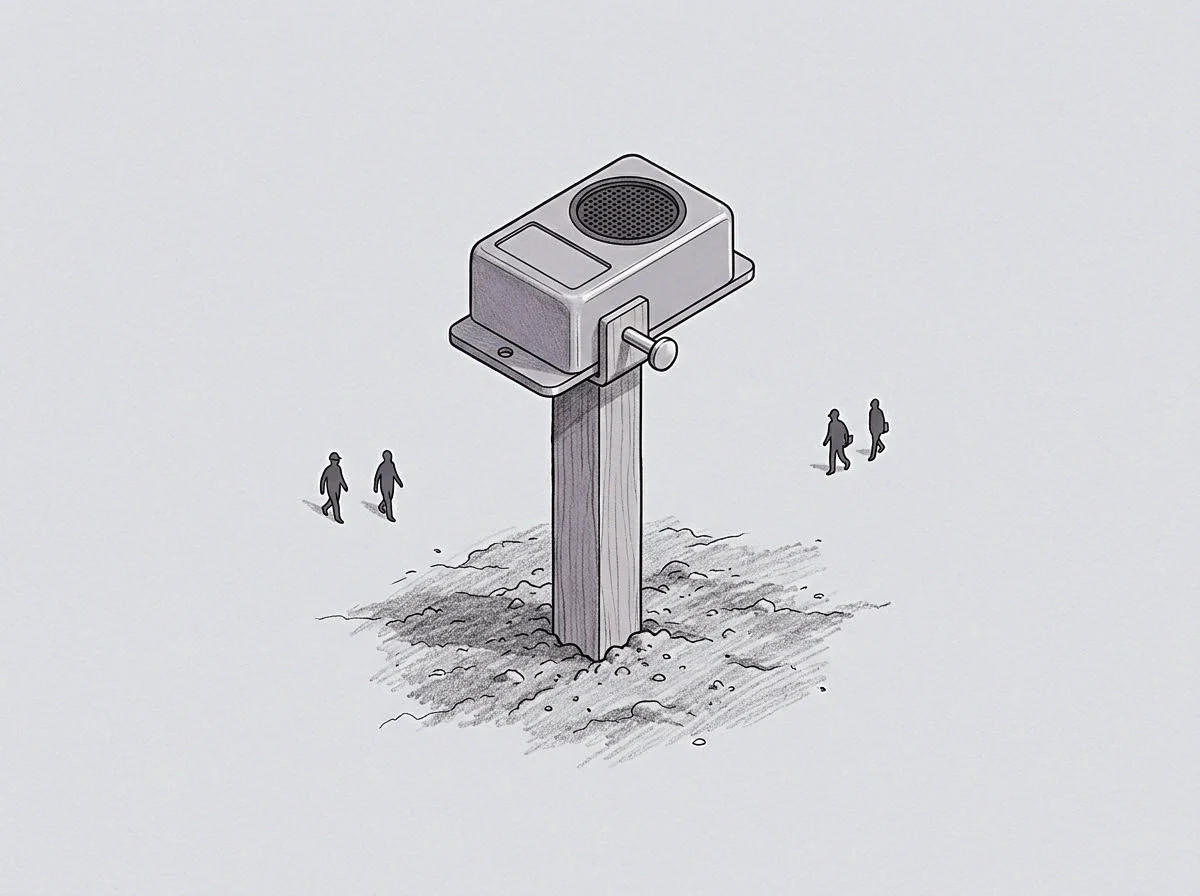
Re-engaging the vagal brake requires structured biological inputs rather than casual inaction. Passive rest while remaining seated before glowing monitors fails to trigger parasympathetic rebound because optical stimulation and notification anticipation preserve low-grade threat assessments in the superior colliculus. Responders require unambiguous physical shifts: leaving the operational terminal, modifying breathing patterns, and shifting visual fields toward distant focal points reset autonomic balance through hardwired sensory circuits.
Slow diaphragmatic respiration at a pace of roughly six breaths per minute engages the baroreflex mechanism. During deliberate prolonged exhalations, intrathoracic pressure increases, stimulating aortic and carotid sinus baroreceptors. These sensory bodies transmit rapid afferent signals along the glossopharyngeal and vagus nerves into the nucleus tractus solitarii within the medulla oblongata.
The medulla responds by dispatching dense, inhibitory motor commands back to the heart, immediately slowing ventricular contractions, an effect accessible to any operator who halts terminal work for four minutes.
Social regulation provides an equally effective lever for vagal reactivation. When a technical peer acknowledges incident completion with calm vocal resonance and stable posture, the responder’s dorsal vagal and ventral vagal networks detect environmental safety. Cortisol clearance accelerates, the liver reduces glucose dumping, and peripheral capillary beds dilate to restore normal circulation to the hands and feet, terminating the internal alarm state originally triggered by system alerts.
Scientific literature leaves unsettled whether cumulative lifetime incidents permanently alter baseline vagal flexibility or whether targeted physiological conditioning can completely restore pre-crisis parasympathetic responsiveness in veteran technical leads.