Meaning
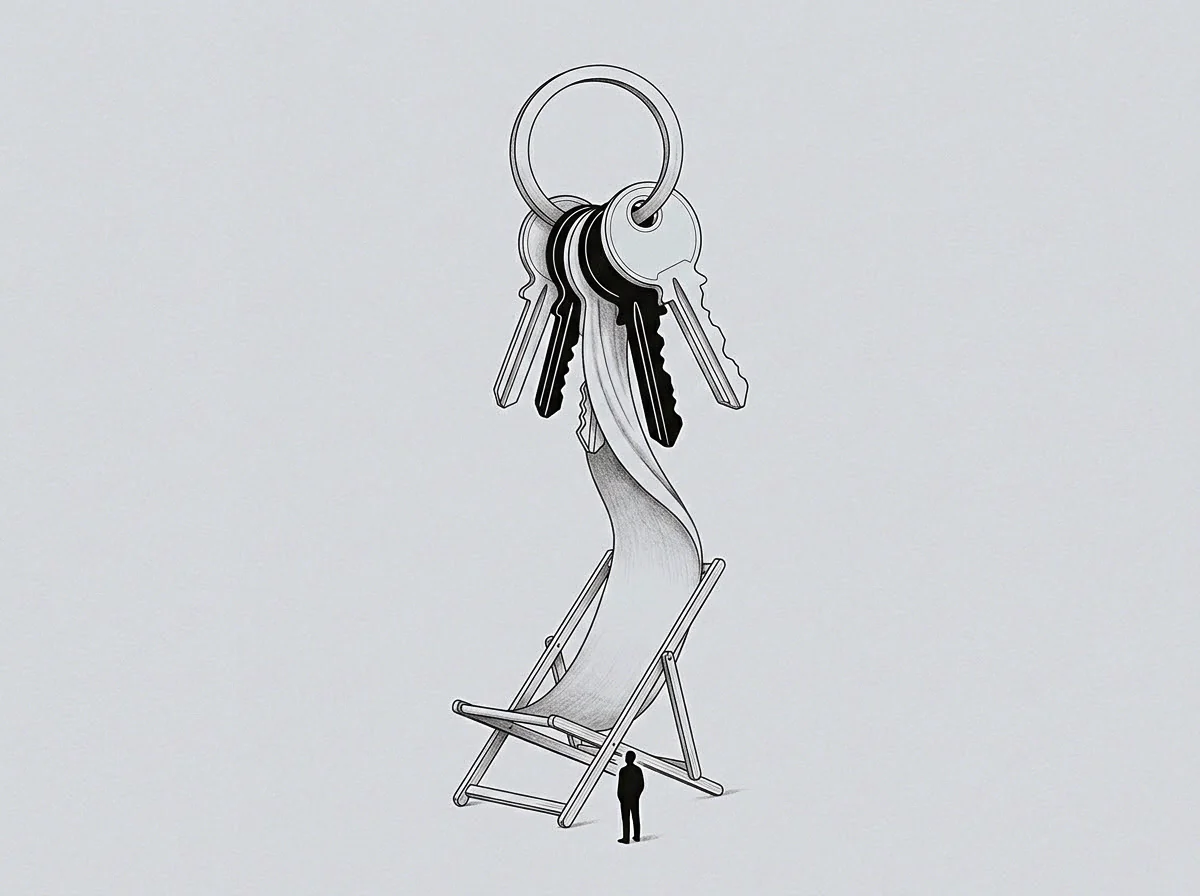
Physiological hyper-arousal occurs when a nervous system snaps back to high-alert intensity after a prolonged period of artificial suppression. Autonomic rebound describes this rapid oscillation toward sympathetic dominance once external demands or the self-imposed rigor of a startup role vanish. It behaves as a compensatory response to chronic cortisol release, where the withdrawal of a high-pressure environment prevents the organism from achieving a gradual descent to baseline levels.
Regulation Threshold
Disruption in homeostatic stability follows the sudden cessation of daily performance quotas. The autonomic rebound forces a systemic recalibration that often feels like agitation or insomnia because the body struggles to interpret the absence of urgent signals. This phenomenon acts as a transition tax paid in diminished capacity for quietude during the first weeks of professional vacancy.
Recovery Logic
Adrenaline levels require duration to subside instead of dropping upon the completion of a final project. Autonomic rebound prevents an immediate return to physiological rest by maintaining a heightened sensitivity to environmental stressors that would normally register as background noise. One cycle of this adaptation typically spans several weeks as the internal clock adjusts to a non-founding metabolic reality.
Systemic Constraint
Biological limits dictate the pace of these transitions regardless of a decision to halt activity. The autonomic rebound sets a definitive ceiling on how quickly a person can regain baseline executive function without secondary strain. A nervous system trained for hyper-vigilance remains prone to spikes in heart rate and cognitive sharpness long after the requirement for that state departs.