Meaning
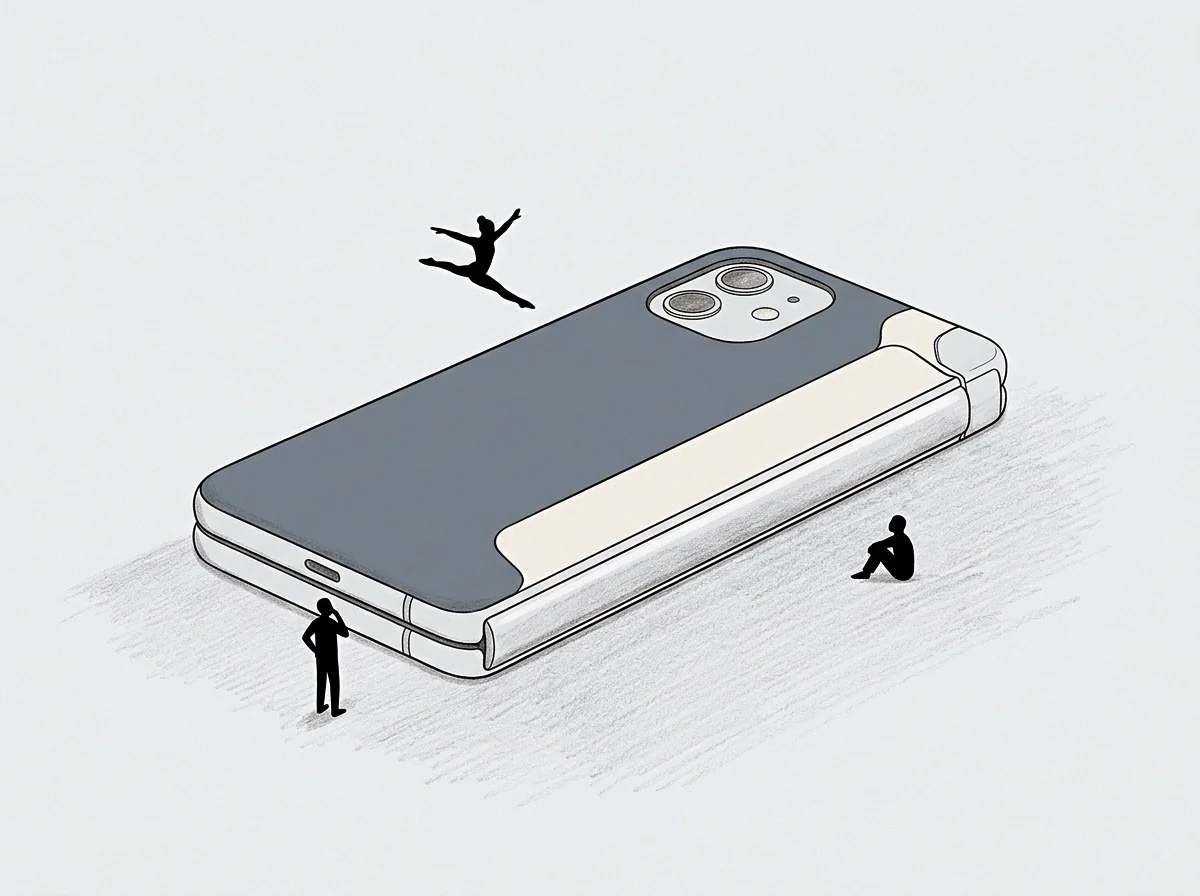
Operational margin identifies the unused capacity available within a system to handle unexpected surges in demand or stress. Maintaining baseline headroom ensures that an individual or team can absorb shocks without immediate failure or the need for drastic intervention. This buffer is the difference between a system operating at its absolute limit and one that can sustain long-term performance.
Capacity Buffer
Planning involves the deliberate preservation of energy for use during unforeseen crises. Without sufficient baseline headroom, every minor interruption becomes a potential disaster that threatens the stability of the entire project. High-functioning individuals keep a portion of cognitive and emotional energy in reserve to manage these sudden spikes.
Structural Safety
Integrity increases when the load on an individual remains well below the maximum possible output of the person. The lack of baseline headroom forces a person into a state of continuous throttling, where they must constantly prioritize which tasks to ignore to keep the most critical ones moving. This constant trade off creates a high cognitive load that further reduces the very headroom it seeks to manage.
Over time, the inability to find space for rest leads to a permanent reduction in the total capacity of the individual, as the system begins to degrade under the weight of constant over-extension. Building this margin requires saying no to opportunities that would consume the final reserves of energy, a discipline that is difficult to maintain in a growth-oriented environment.
Contingency Depth
Flexibility allows for the navigation of complex landscapes where the arrival of new information is unpredictable. The baseline headroom of a founder provides the necessary space to think before reacting. Resilience is measured by the size of this gap between current effort and total capability.