Meaning
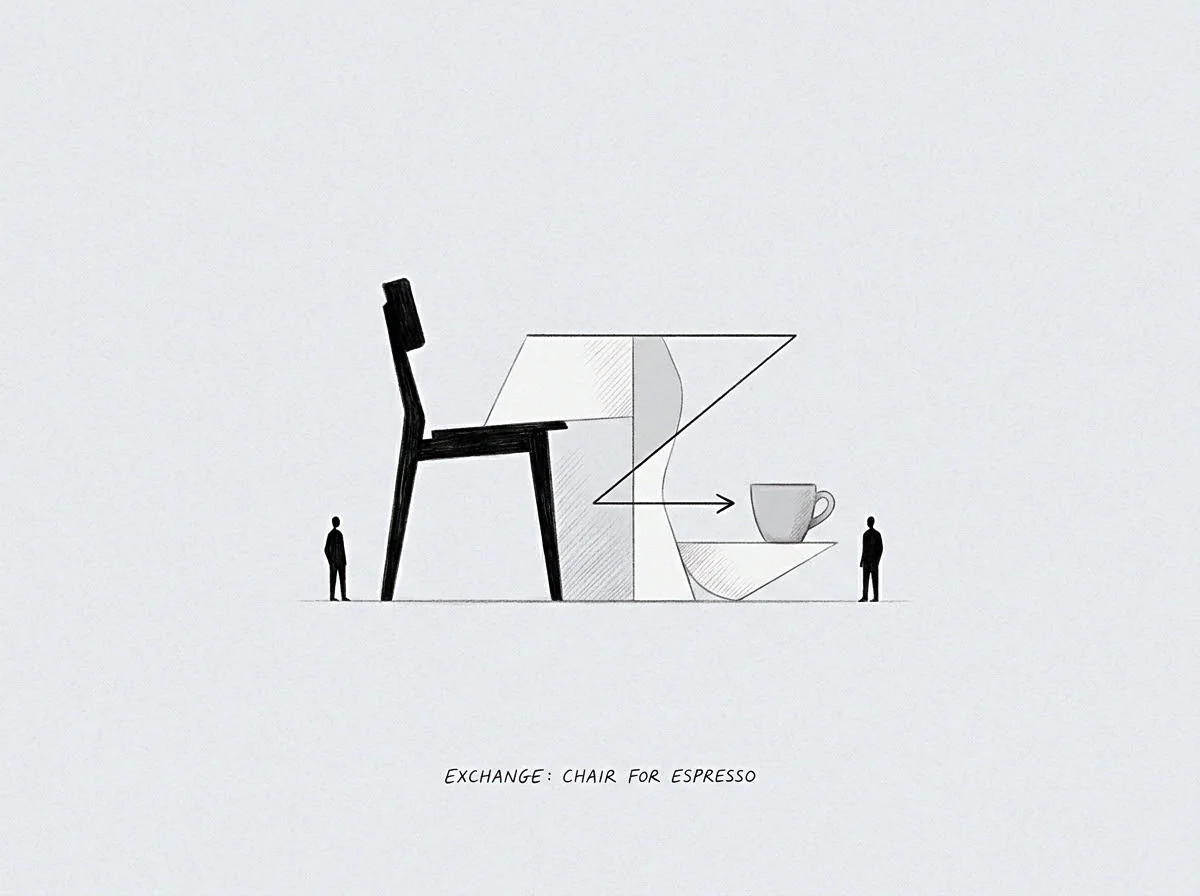
Behavioral throttling acts as a self-imposed mechanism for limiting executive decision frequency to prevent cognitive depletion. This process creates a mandatory buffer between stimuli and response to maintain long-term operational capacity. The method relies on preset intervals that dictate when a founder engages with high-stakes information streams.
It distinguishes between urgent signals and noise by forcing a delay that preserves mental resources for complex problem solving.
Operational Buffer
Implementation occurs when individuals establish discrete windows for processing incoming data instead of reacting in real time to every alert. This structure reduces the metabolic cost of constant task switching during periods of intense oversight. A founder establishes these boundaries by routing communications through a secondary system that releases batches of information only at designated times.
Such systematic pacing prevents the exhaustion of executive functions that otherwise occurs during high-velocity environments.
Cognitive Load
Constant availability degrades the quality of strategic analysis because the brain loses the capacity for sustained focus. Behavioral throttling acts as a protective layer against this performance decay by shielding the individual from the psychological tax of rapid response cycles. The technique lowers the total energy expenditure required for information management by reducing the number of context shifts per hour.
It represents an intentional reduction in responsiveness to ensure that the finite supply of attention remains available for critical, non-automated decisions.
Constraint Boundary
Limits on this practice emerge when environmental requirements demand immediate action for institutional survival. The mechanism provides protection only when the underlying decision loop allows for delayed reaction without significant loss of asset integrity. Performance gains vanish if the setup introduces an intolerable latency in operations that necessitate rapid intervention to maintain stability.
The utility of this approach depends entirely on the ability of the practitioner to distinguish between events that require instantaneous engagement and those that permit this controlled wait.