Meaning
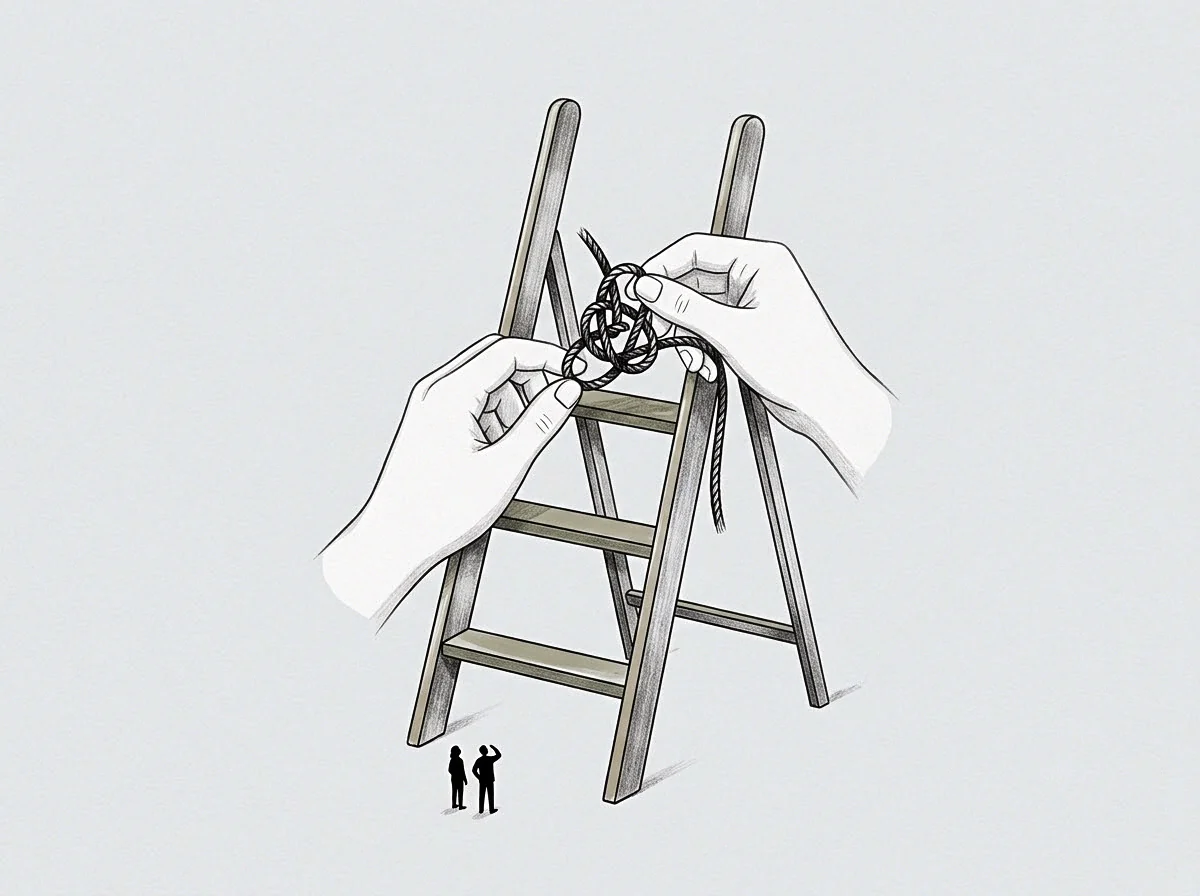
Physiological alignment occurs when the nervous systems of two people track each other’s states during high-stakes interaction. Inside a shared leadership structure, autonomic attunement involves the involuntary mirroring of heart rate variability and cortisol fluctuations between partners. Such a state functions as a biological feedback loop that allows for rapid non-verbal communication and shared emotional regulation.
The process stops when physical distance or digital mediation interrupts the sensory cues required for synchronization.
Systemic Coordination
Relational biology depends on the proximity of another regulated nervous system to maintain focus and executive function during a crisis. While autonomic attunement often happens unconsciously, it requires a baseline of trust and psychological safety to remain active. When two leaders are in sync, they share the burden of environmental scanning, which reduces the individual metabolic cost of vigilance.
Such coordination allows the pair to process information faster than they could in isolation. Visual cues show how both individuals often breathe in unison during difficult negotiations or periods of extreme uncertainty.
Interaction Energy
Maintaining such a deep level of physiological connection demands measurable metabolic resources. Because autonomic attunement requires constant micro-adjustments of the nervous system, it can lead to exhaustion if the period of high-intensity interaction lasts too long. A leader might find themselves drained from the effort of staying biologically tethered to a partner.
The cost is measured in hours of recovery needed to return to a baseline state of individual regulation.
Regulation Barrier
Synchronization fails when one individual enters a state of acute hyper-arousal. If the stress level exceeds the capacity of the partnership to coregulate, the autonomic attunement breaks. Such a rupture leads to a drop in decision-making quality.
The limit of this mechanism is the lowest individual threshold for stress within the dyad.