Meaning
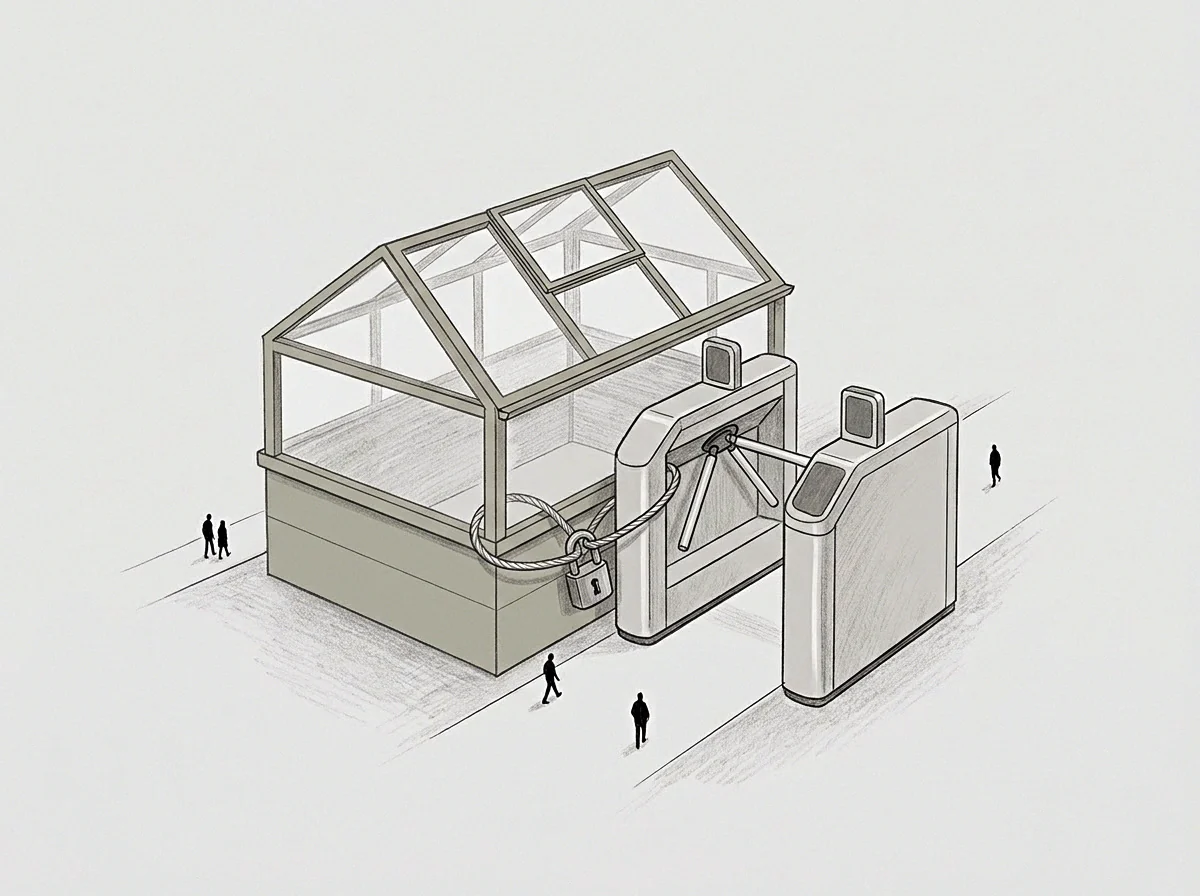
A statutory status arises when an operational entity cannot pay its debts as they fall due within the ordinary course of business. Corporate law identifies commercial insolvency through cash flow mechanics without regard to total balance sheet valuations. The classification ceases to govern when creditors execute formal standstill agreements or when judicial restructuring pauses immediate payment liabilities.
Statutory Trigger
Operating cash balances dictate commercial solvency regardless of long-term asset valuations. If operational outflows persistently exceed liquid cash, commercial insolvency activates mandatory duties that supersede normal corporate discretion. Equity holders surrender financial precedence.
Director Exposure
Entering this financial condition shifts governing responsibilities directly toward creditor protection. During commercial insolvency, continued trading exposes corporate directors to personal liability for losses incurred by unpaid suppliers and lenders. Personal indemnities fail to cover unauthorized post-insolvency debts.
Operational leadership must evaluate liquidity forecasts on a daily cadence, terminating speculative cash burns that threaten counterparty recovery. The regulatory transition replaces entrepreneurial optimism with defensive financial stewardship under judicial review.
Liquidity Evaporation
Exhausted working capital terminates operational discretion and triggers immediate institutional contraction. When commercial insolvency arrives, banking counterparties freeze credit facilities, while vendors halt trade terms to minimize counterparty loss. Immediate cash preservation dominates all ongoing strategy under commercial insolvency.