Meaning
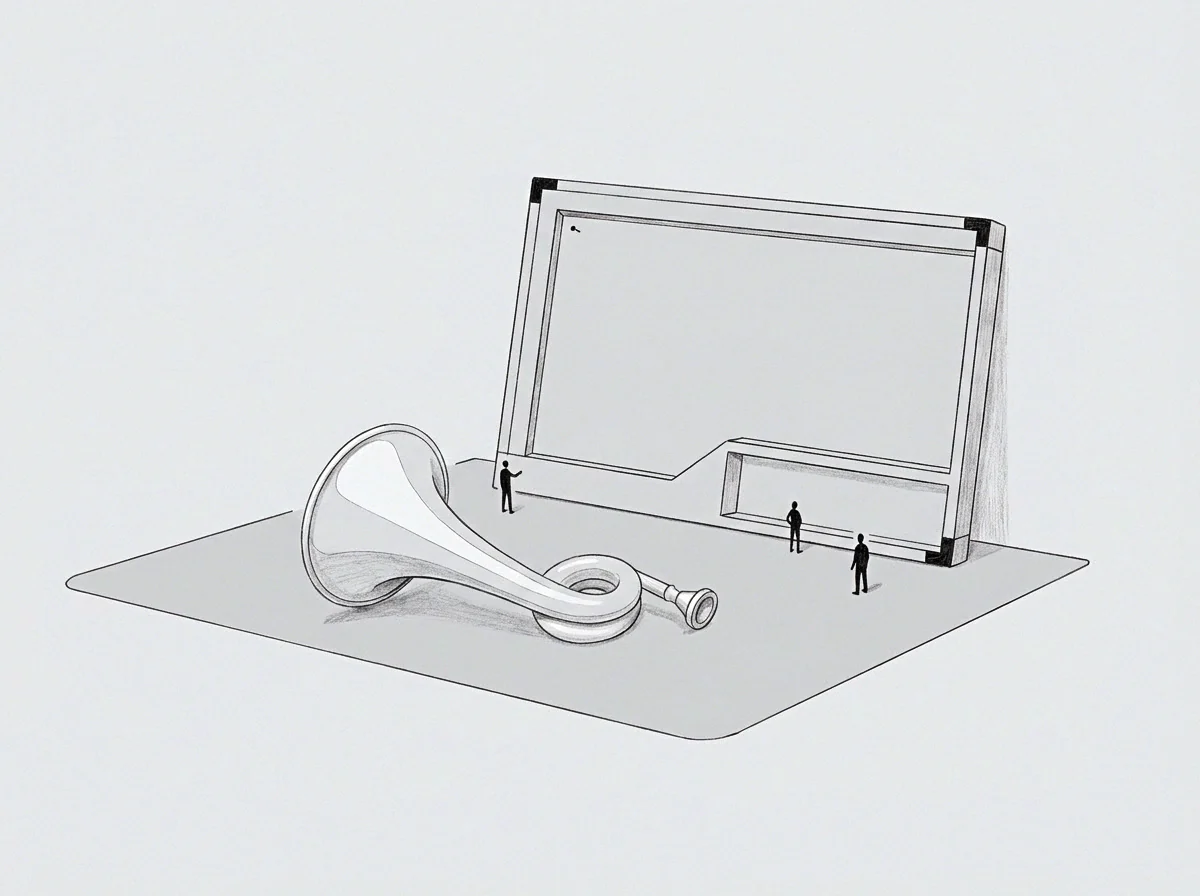
Defensive autonomy defines an involuntary behavioral pattern where an individual suppresses all outward distress signals and refuses external regulatory support, handling systemic overload entirely through internal physiological suppression. The emergence of compulsive self-containment measures the complete severance of social baseline utilization during periods of structural duress. It marks the boundary where an organism ceases to treat other human nervous systems as resources for stabilization, relying exclusively on solitary down-regulation.
The term does not apply to deliberate professional composure or healthy stoic moderation that permits voluntary assistance when capacity breaks.
Inhibitory Mechanism
Somatosensory suppression functions by deploying massive top-down inhibition from the ventromedial prefrontal cortex over autonomic distress cues. Through compulsive self-containment, an individual actively masks alterations in respiration, vocal prosody and facial motility to project unbroken equilibrium. This internal clamping does not diminish underlying sympathetic arousal, instead keeping peripheral vascular resistance elevated while heart rate variability plummets.
Muscle groups across the jaw, diaphragm and pelvic floor remain chronically engaged to prevent motor tremors. The organism bears the metabolic expense of both the primary stressor and the energy required to contain its visible expression.
Relational Severance
Interpersonal trust degrades when external signaling channels are sealed off from colleagues, advisors and partners. By adopting compulsive self-containment, the individual prevents peers from detecting impending system failure, which forestalls the co-regulatory interventions that would ordinarily distribute the operational load. Information flow distorts because problems remain internalised until operational capacity collapses.
Observers misread the lack of visible strain as surplus bandwidth, piling further obligations onto a depleted foundation.
Physiological Exhaustion
Sustaining solitary containment across extended cycles leads to neuroendocrine depletion and marked allostatic strain. The cumulative toll of compulsive self-containment appears as sudden somatic collapses, intractable sleep fragmentation and persistent gastrointestinal dysfunction. Diverting vast reserves of executive attention into masking distress starves strategic synthesis and relational perception.
When isolation replaces interdependence, the individual depletes personal capacity long before structural milestones are reached.