Meaning
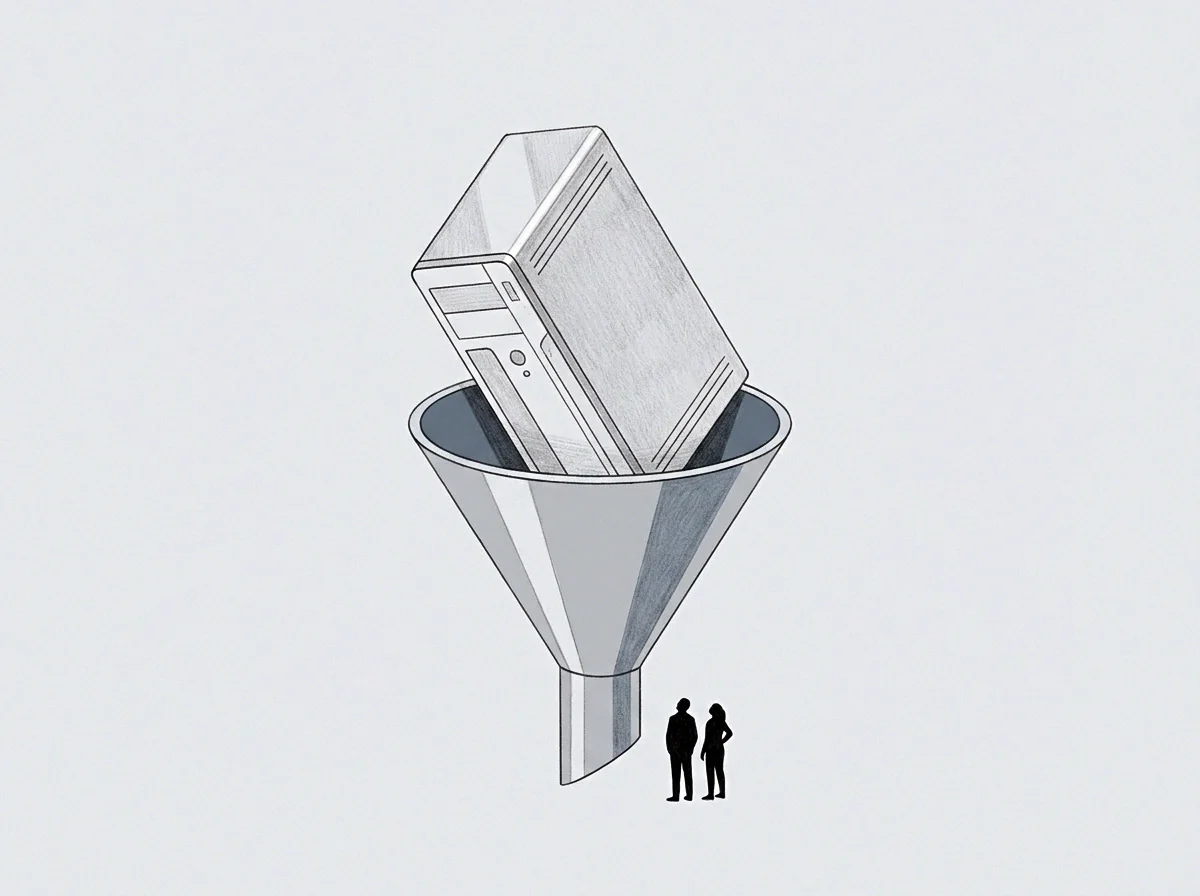
Division of attention across disparate mental models occurs when a person manages multiple unrelated domains simultaneously. In the daily routine of a leader, context fragmentation is the result of rapid switching between deep strategy and technical troubleshooting. Each switch leaves a residue of the previous task that clogs the working memory.
Switching Overhead
Moving from one domain to another incurs a measurable cost in time and accuracy. It takes the brain several minutes to fully load the rules and data relevant to a new context after leaving an old one. If these switches happen too frequently, the person never reaches a state of deep focus.
Mental Load
The total load on the individual increases as the number of active contexts grows. Even if the tasks themselves are simple, the effort of keeping them separate and prioritized consumes heavy executive energy. This state often leads to a feeling of being busy without making any meaningful progress on any single front.
Efficiency Loss
Cognitive decline occurs because the capacity for pattern recognition is diluted across too many variables. A fragmented mind makes more errors in judgment and misses subtle details in complex documents. The only way to stop this loss is to group similar tasks together and limit the number of times the brain must reset its focus during the day.