Meaning
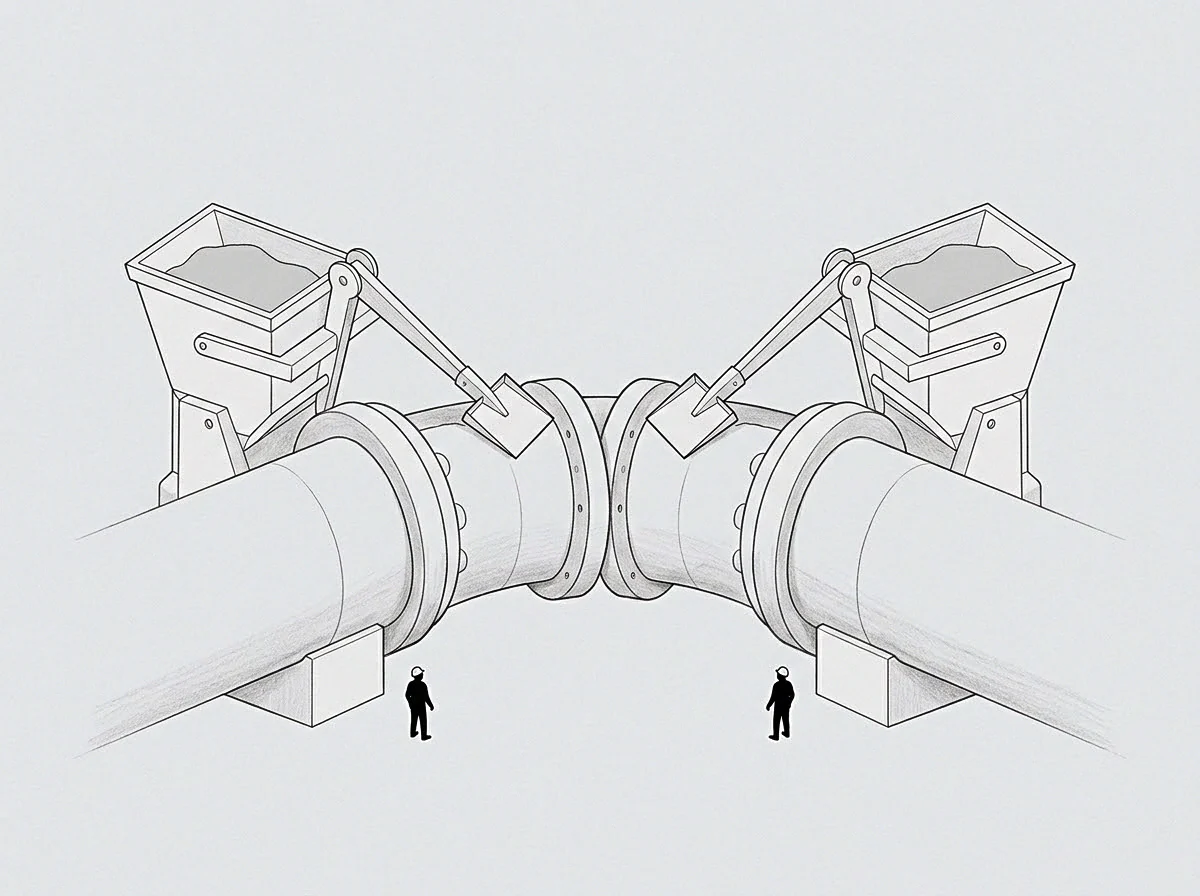
A cognitive capacity of an individual to hold relevant task details in working memory during interruptions. High context retention allows founders to resume complex analytical work quickly after addressing brief operational crises. The capability becomes exhausted when the rate of interruption exceeds the cognitive holding capacity.
The capacity declines sharply under high-stress conditions.
Attention Retention
Working memory contains the specific constraints of the problem currently being solved. In the daily routine of a founder, maintaining context retention is difficult due to constant demands from different departments. When an interruption occurs, the mental representation of the task begins to decay immediately.
The cost of rebuilding this mental model is measured in lost hours and cognitive exhaustion.
Cognitive Friction
The transition back to a complex task after an interruption requires a high amount of energy. If context retention has failed, the individual must re-read documents, re-analyze data, or re-run tests to find where they left off. This rebuilding process is a source of intense frustration and drains executive stamina.
When the cognitive load is high, the founder may make errors in logic or miss important details because the original context was lost. Eliminating these friction points requires the use of structured documentation and task-tracking tools that preserve the state of the work before the interruption occurs.
Recovery Strategy
Procedural aids can assist in maintaining task status. When the individual must leave a task, they write down a brief summary of the current step to support context retention upon return. This step reduces the time needed to resume high-concentration activities.
Success is achieved when the transition back to work is smooth and error-free.