Meaning
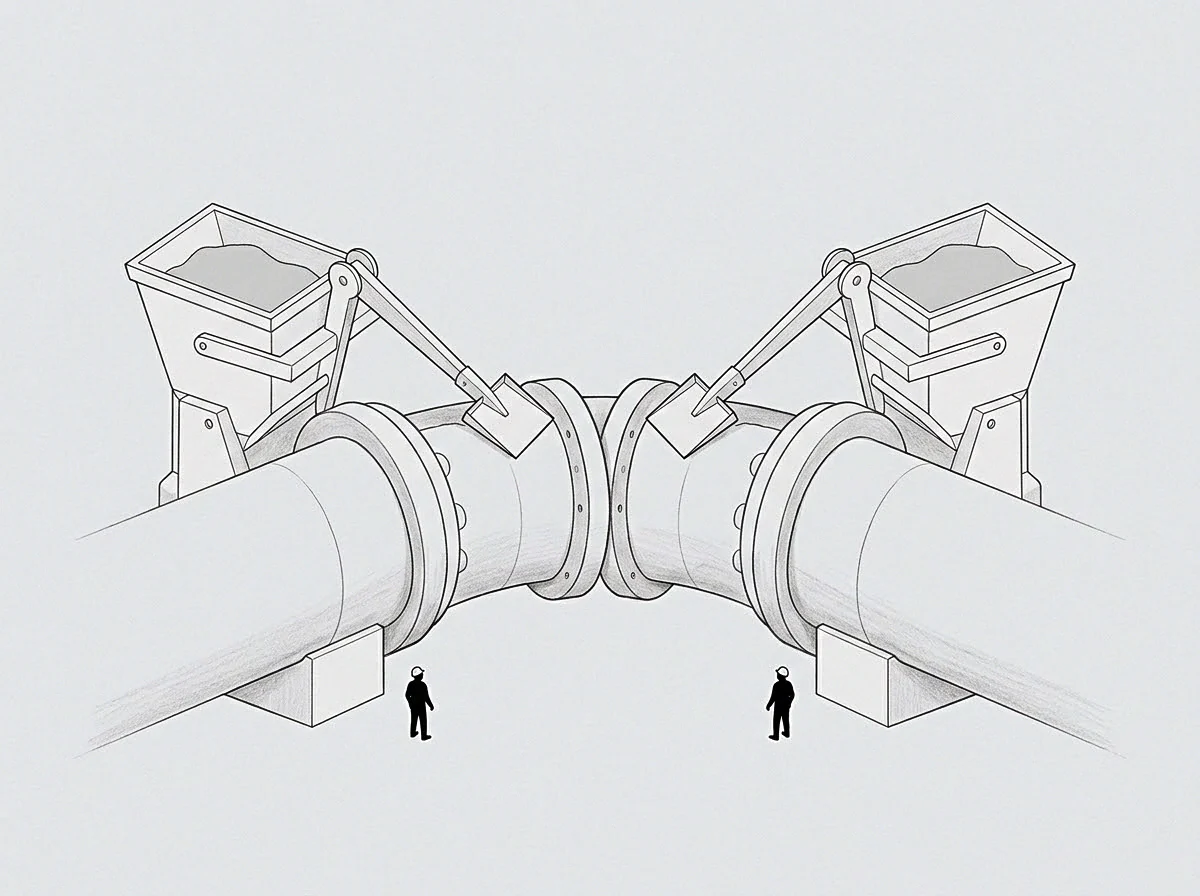
Organizational frameworks designed to spread liability across multiple distinct divisions establish a decentralized compliance posture. Within this framework, distributed accountability spreads the burden of proof among various team leads rather than concentrating it on a single founder. Decentralizing tasks lessens the immediate cognitive strain on the founding team but introduces coordination expenses.
Structural Division
Allocation of oversight within decentralized entities requires formal delegation matrices to prevent gaps. When tasks are divided, distributed accountability ensures that each node operates with independent reporting obligations. Individual units must maintain their own compliance logs, preventing single-point failures.
Operational Drag
Systemic costs emerge when verifying information across multiple separate divisions during audits. The complexity of gathering decentralized records increases the time needed to satisfy information requests. Gathering logs drains operational hours and shifts executive focus away from growth toward internal data reconciliation.
If a single reporting line fails to provide documentation on time, the entire audit halts, illustrating how interdependent nodes introduce new points of systemic delay.
Control Limit
Regulatory boundaries dictate that final liability remains with statutory directors despite internal delegation. Authorities hold the legal board responsible regardless of how tasks were distributed. Legal responsibility remains non-transferable under corporate law.