Meaning
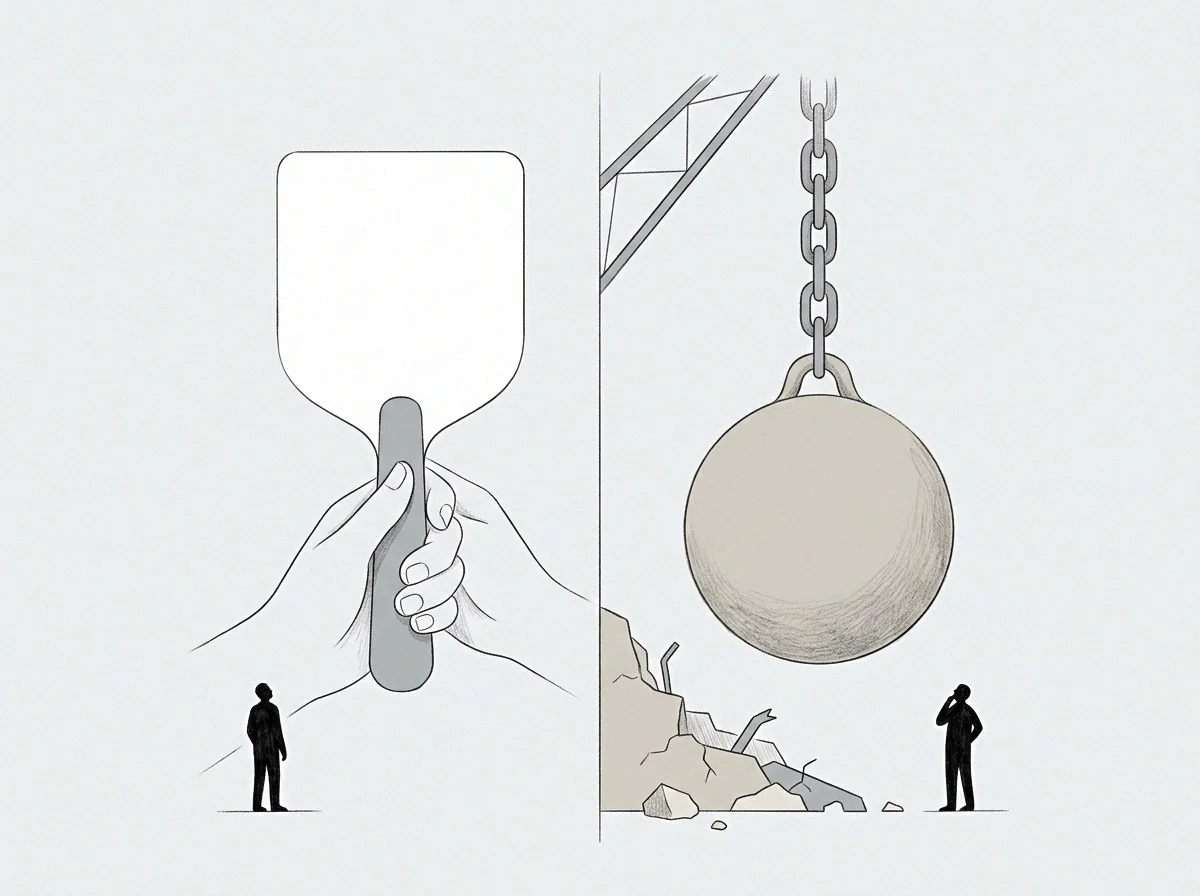
Cumulative physical and cognitive decline from prolonged leadership responsibilities reduces the capacity of a leader to make strategic decisions. In many high-pressure roles, executive wear describes the gradual erosion of personal resources caused by years of chronic stress and insufficient recovery.
Physical Degradation
Sustaining a startup or corporate turn-around forces the body to release high levels of cortisol over extended periods. This chronic hormone elevation that defines executive wear leads to persistent sleep disruption and immune suppression. The long-term consequences include cardiovascular strain and a reduction in neural plasticity.
Systemic Impact
Suffering from this continuous attrition affects more than the individual’s health, since it directly degrades the quality of organizational decisions. When executive wear reaches an advanced state, the affected leader struggles to process complex information or manage interpersonal conflicts, which can lead to poor strategic choices. This cognitive decline often forces the board to intervene, either by mandating a leave of absence or restructuring the leadership team to share the burden.
By the time these external measures are taken, the operational cost of the leader’s decline has already impacted the company’s financial performance.
Prevention Method
Reversing this decline requires structured disengagement from work-related tasks. Implementing regular sabbaticals or strict daily boundaries helps mitigate executive wear by allowing the body to return to a baseline state of rest.