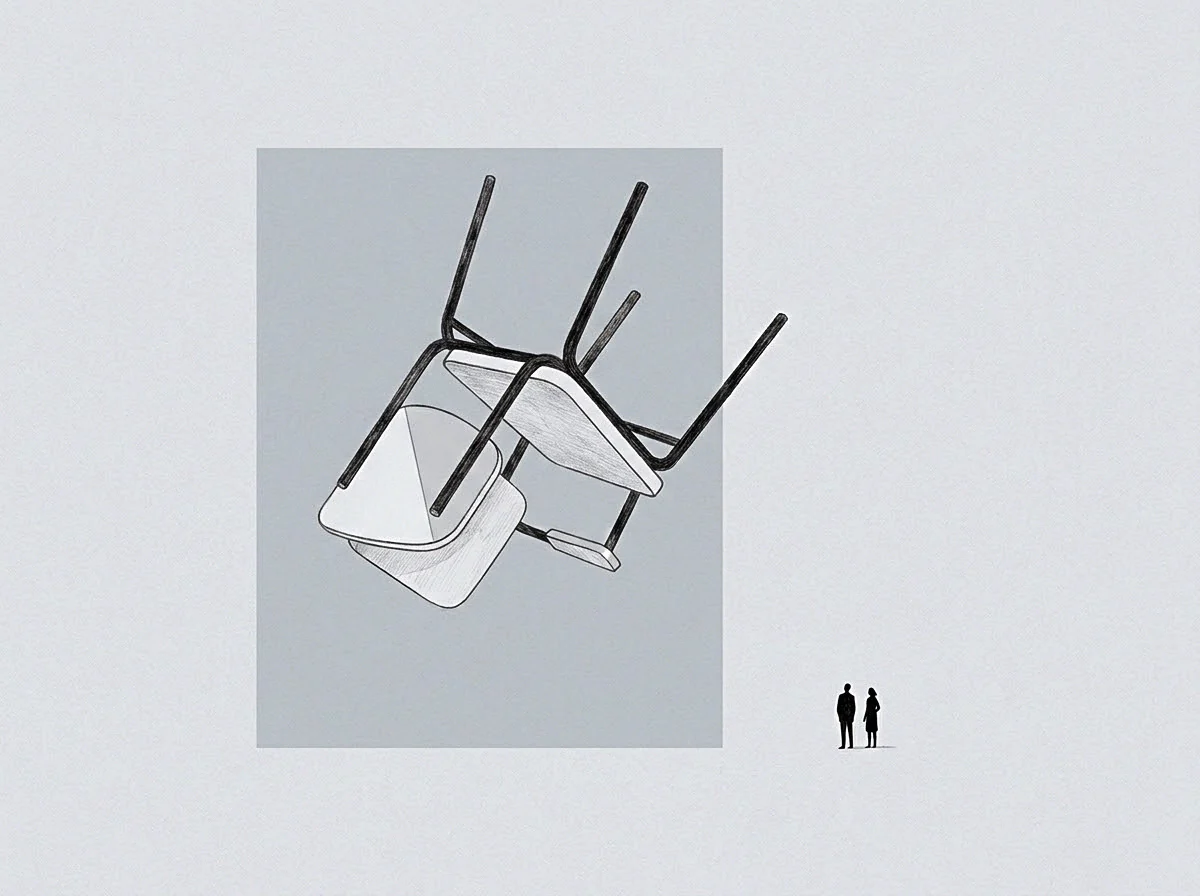
Meaning
Behavioral inhibition operates within interpersonal regulation by consciously dampening outward emotional displays during high-stakes communication. The adoption of expressive suppression allows individuals to conceal internal affective states, maintaining a neutral demeanor during investor oversight or board negotiations. While this strategy manages immediate social perception, it fails to reduce internal physiological arousal.
The baseline metabolic strain remains active, requiring ongoing self-regulation to maintain surface composure.
Regulatory Cost
Voluntary control over facial expressions and vocal tone requires continuous metabolic expenditure. Relying on expressive suppression during crisis management increases sympathetic nervous system activity, elevating cardiovascular strain despite a calm exterior presentation. The physiological tax accumulates rapidly, reducing the neural capacity available for real-time problem solving and verbal reasoning.
When executive leaders maintain masked affect across consecutive meetings, allostatic load rises, accelerating physical exhaustion by the end of operational cycles. This disconnect between internal state and external signal creates psychological dissonance, consuming cognitive resources that would otherwise support strategic planning. Over time, constant emotional containment degrades social baseline connectivity with team members, generating isolation within leadership tiers.
Cognitive Load
Inhibitory efforts deplete working memory capacity during complex technical evaluations. The dual task of monitoring internal feelings while filtering outward behavior slows decision speed, increasing error rates in quantitative assessments.
Action Boundary
Emotional control reaches its limit when autonomic arousal breaches conscious control, resulting in involuntary nonverbal leakage.