Meaning
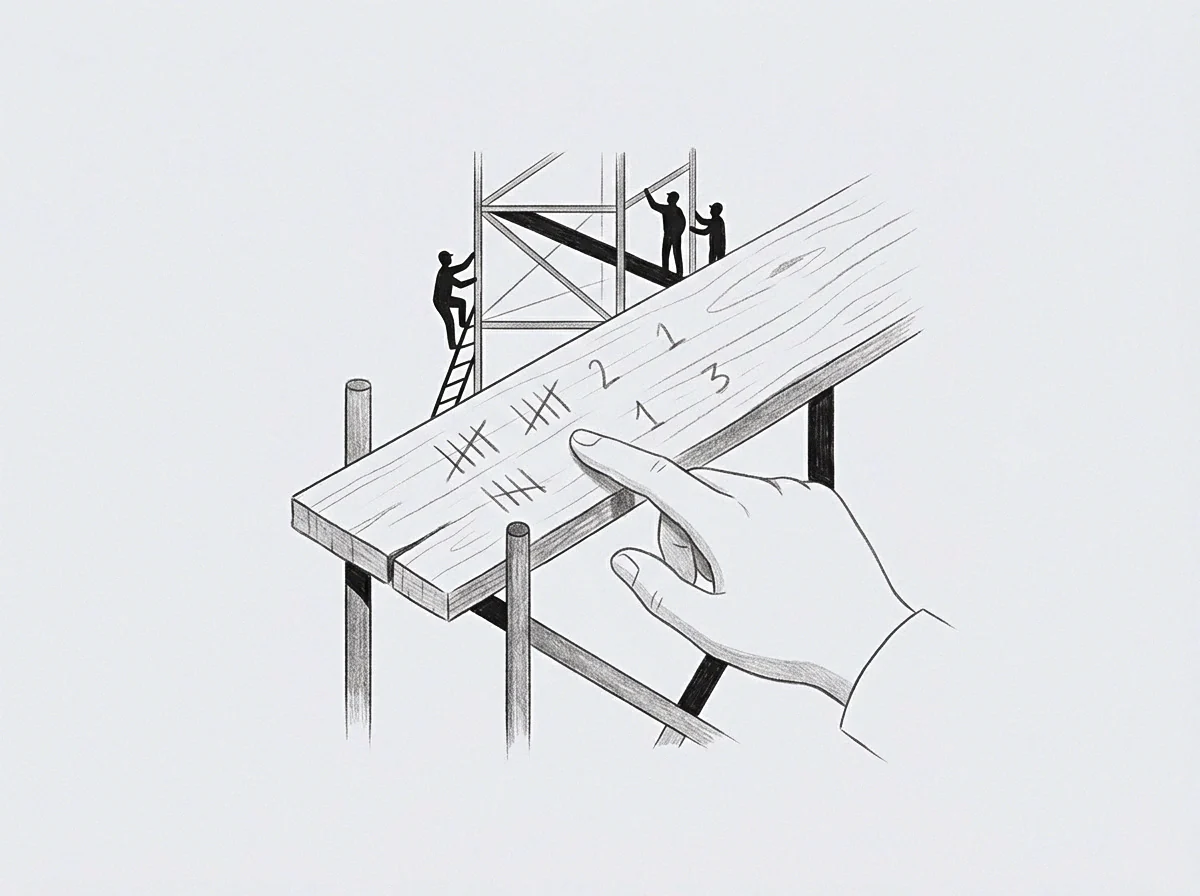
Psychological and behavioral postures prioritizing individual agency over external support systems characterize a specific mode of internal regulation. Within this framework, hyper-self-reliance occurs when a person continues to perform functions that an organization is designed to absorb. Such a state measures the persistent load on personal capacity even after the formal requirements for direct action have passed.
The boundary of the concept is found where the refusal of delegation becomes a structural risk.
Attention Tax
Persistent rejection of support creates a constant drain on cognitive resources. When a person operates under the logic of hyper-self-reliance, they spend hours on low-value tasks that should be handled by a proxy. This behavior prevents the recovery of energy required for high-level strategy.
It costs the individual their ability to focus on the future.
Reliance Penalty
Avoiding external assistance often leads to a narrowing of perspective. While the individual believes they are maintaining quality, the isolation of their decision making creates blind spots. This penalty is paid in the currency of missed opportunities.
Capacity Floor
Resilience depends on the ability to shed load when pressure increases. Because hyper-self-reliance locks the individual into a fixed set of responsibilities, the capacity floor remains high. There is no room to absorb additional shocks.
Systemic failure becomes more likely when the individual cannot let go.