Meaning
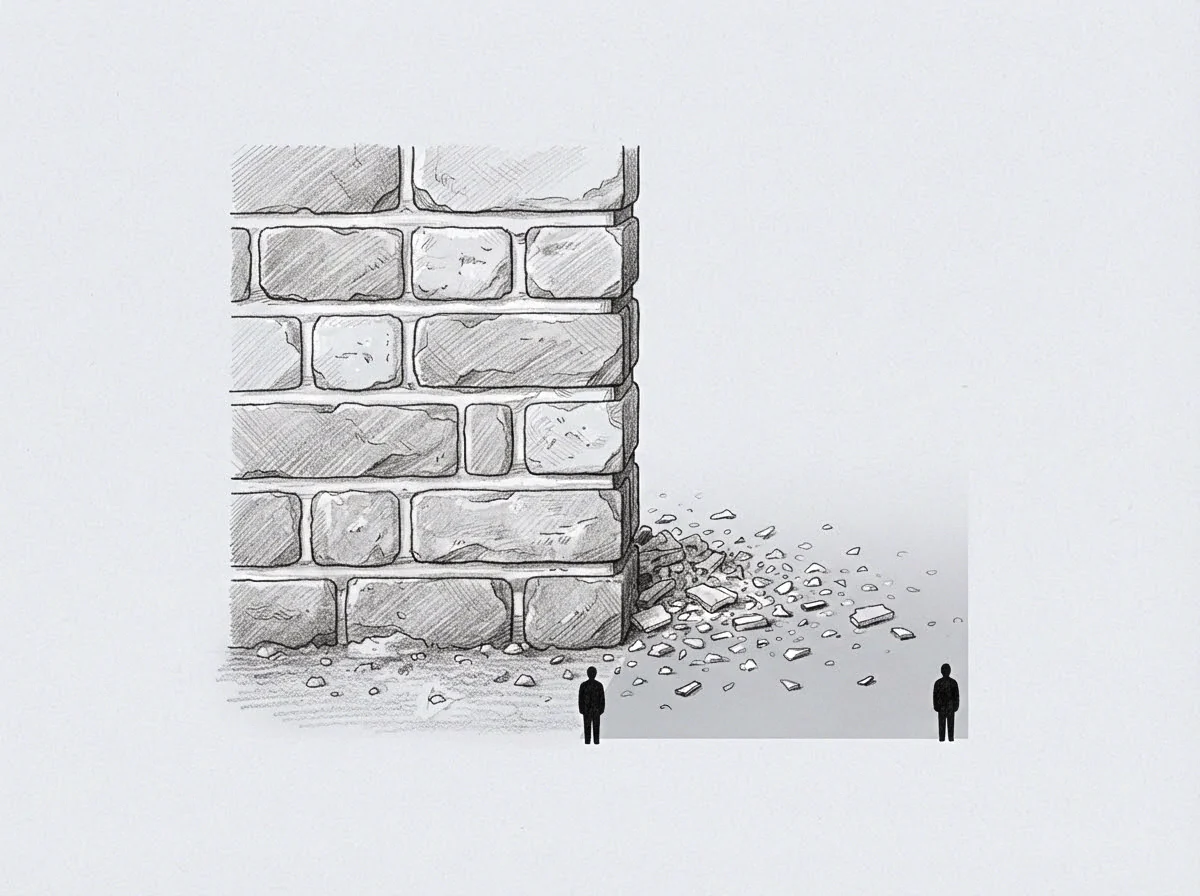
Structural reliance on specific individuals for social baseline maintenance, cognitive offloading, or operational execution binds executive stability to relational counterparts. The system of interpersonal dependencies creates mutual vulnerability, wherein the functional equilibrium of one person depends on the actions, emotional states, and operational reliability of another. It governs the distribution of psychological safety and cognitive load within executive teams, setting parameters for collaborative endurance.
This interdependence ceases to function when one participant exits the shared governance framework or severs operational contact.
Regulatory Exposure
Shared emotional baselines tie individual autonomic states directly to the composure of core colleagues. Heavy interpersonal dependencies make an executive sensitive to the frustration, anxiety, and unmanaged stress of co-founders or key lieutenants. Instead of borrowing regulation from stable peers, an overexposed founder absorbs their relational turbulence, accelerating personal burnout.
This co-regulatory vulnerability turns ordinary organizational setbacks into sharp somatic shocks. Systemic strain spreads rapidly across close operational relationships.
Operational Bottlenecks
Concentrating functional trust within a small circle restricts an enterprise’s organizational scale. As interpersonal dependencies deepen, routine decisions require personalized validation from trusted peers rather than relying on procedural rules. This friction forces founder attention back into low-level coordination tasks.
Growth halts when execution depends entirely on relational rapport rather than formal organizational architecture. Scaling demands the deliberate transformation of informal interdependencies into systematic, documented protocols.
Decoupling Friction
Separating intertwined working relationships requires substantial administrative energy and emotional resolve. Dismantling long-standing interpersonal dependencies involves renegotiating implicit alliances, reclaiming delegated authority, and confronting baseline relational anxieties. Founders attempting this decoupling often experience sudden somatic disequilibrium, feeling stripped of familiar regulatory supports.
Long-term leadership sustainability requires building structural independence, ensuring personal capacity survives the loss or departure of close colleagues.