Meaning
Reallocating operational strain from active governance structures into background physiological or psychological systems alters long-term regulatory balance. A latent load transfer occurs when immediate institutional stress is suppressed or deferred, absorbing the burden into personal physiological capacity instead of organizational mechanisms. The governance system appears stable because visible tension is removed.
Unprocessed strain moves into background biological systems.
Structural Displacement
Shifting operational burdens into background biological systems masks organizational friction. When corporate governance structures avoid formal conflict resolution, latent load transfer channels unresolved institutional tension into executive physiology. This displacement creates a false signal of organizational efficiency.
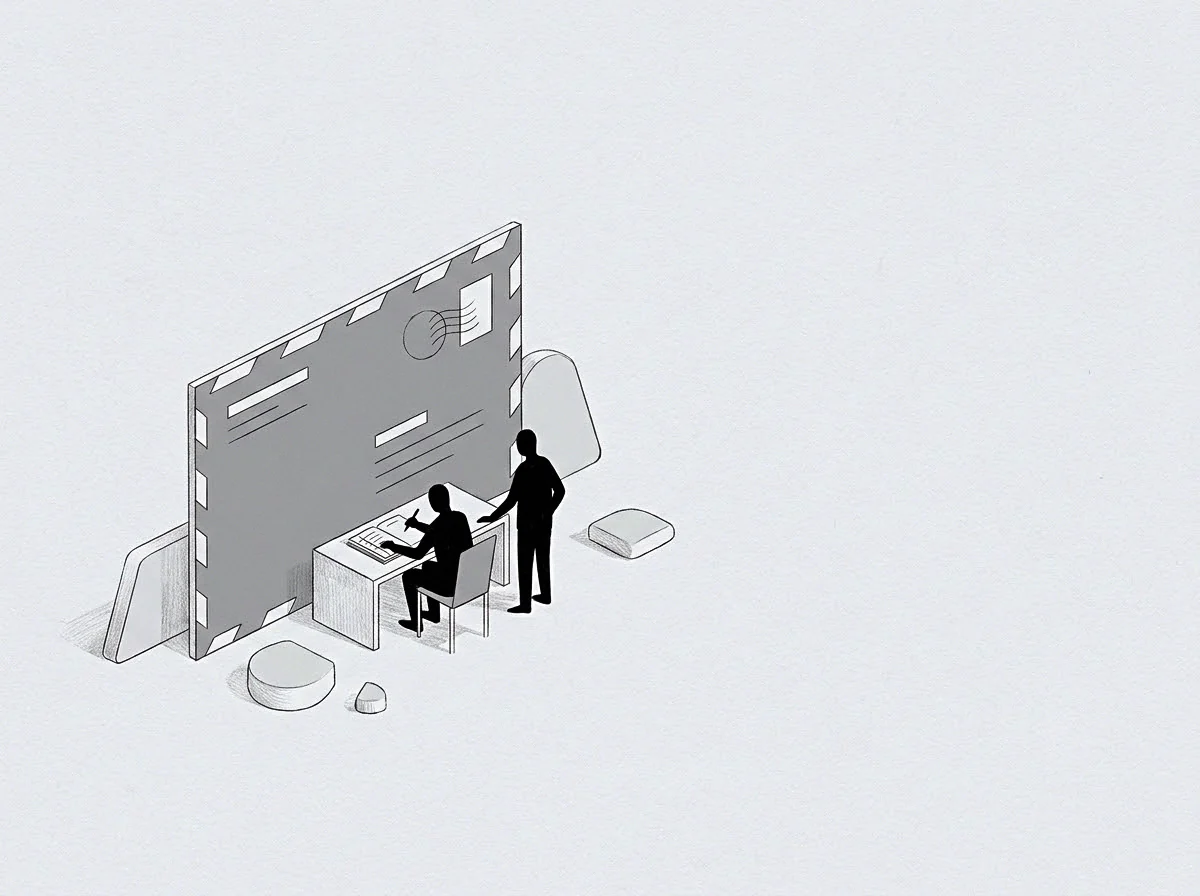
The organization functions smoothly while the founder absorbs hidden operational stress.
Accumulating Cost
Internalizing institutional tension generates compounding physiological wear over extended periods. Because suppressed operational strain requires continuous subconscious regulation, the body spends metabolic energy maintaining apparent composure. A latent load transfer steadily elevates baseline allostatic load without producing immediate behavioral disruption.
Over several financial quarters, this silent allocation depletes reserves needed for health and focus. Endocrine stability deteriorates as background stress regulation remains active during non-work hours. Sleep architecture suffers from persistent autonomic arousal driven by unresolved corporate liabilities.
Accumulated biological strain eventually manifests as sudden capacity failure when reserve thresholds are breached.
System Capacity
Organizational capacity limits determine when hidden displacement fails. A latent load transfer functions only while personal physiological reserves exceed the transferred burden. When individual capacity reaches saturation, structural issues return to governance channels.