

Neurobiological Limits Of Co Regulatory Integration In High Scale Enterprise Decision Systems
Human autonomic systems conserve energy through physical proximity, setting an absolute biological limit on how many decisions one body can stabilize.
Human autonomic systems conserve energy through physical proximity, setting an absolute biological limit on how many decisions one body can stabilize.

Solitary leadership forces the brain to budget survival alone, driving sustained neuroendocrine elevation that depletes tissue until systemic buffers exist.
Proximity to a steady partner lowers the metabolic cost of baseline threat regulation by offloading prefrontal expenditure onto a shared physiological baseline.

Autonomic intake restoration reverses sympathetic blockade under chronic executive load, re-establishing parasympathetic tone and visceral nutrient processing.

Capital scarcity accelerates executive exhaustion by converting financial buffer deficits into unsustainable interpersonal baseline borrowing across leadership dyads.

Unbuffered solo operational strain flattens diurnal cortisol release, down-regulates glucocorticoid receptors, and forces high-cost self-regulation.
Prolonged physiological strain shifts the social baseline, causing the brain to register social proximity as a metabolic demand rather than a stabilizing resource.
Social baseline theory shows that solitary leadership forces the nervous system to spend internal metabolic energy on threat regulation normally shared with others.
Solitary executive seats elevate prefrontal metabolic costs by stripping away social baseline co-regulation, forcing autonomic vigilance and bioenergetic debt.

Solitary self regulation increases metabolic threat costs, whereas proximity to a stable presence reallocates autonomic capacity toward execution.
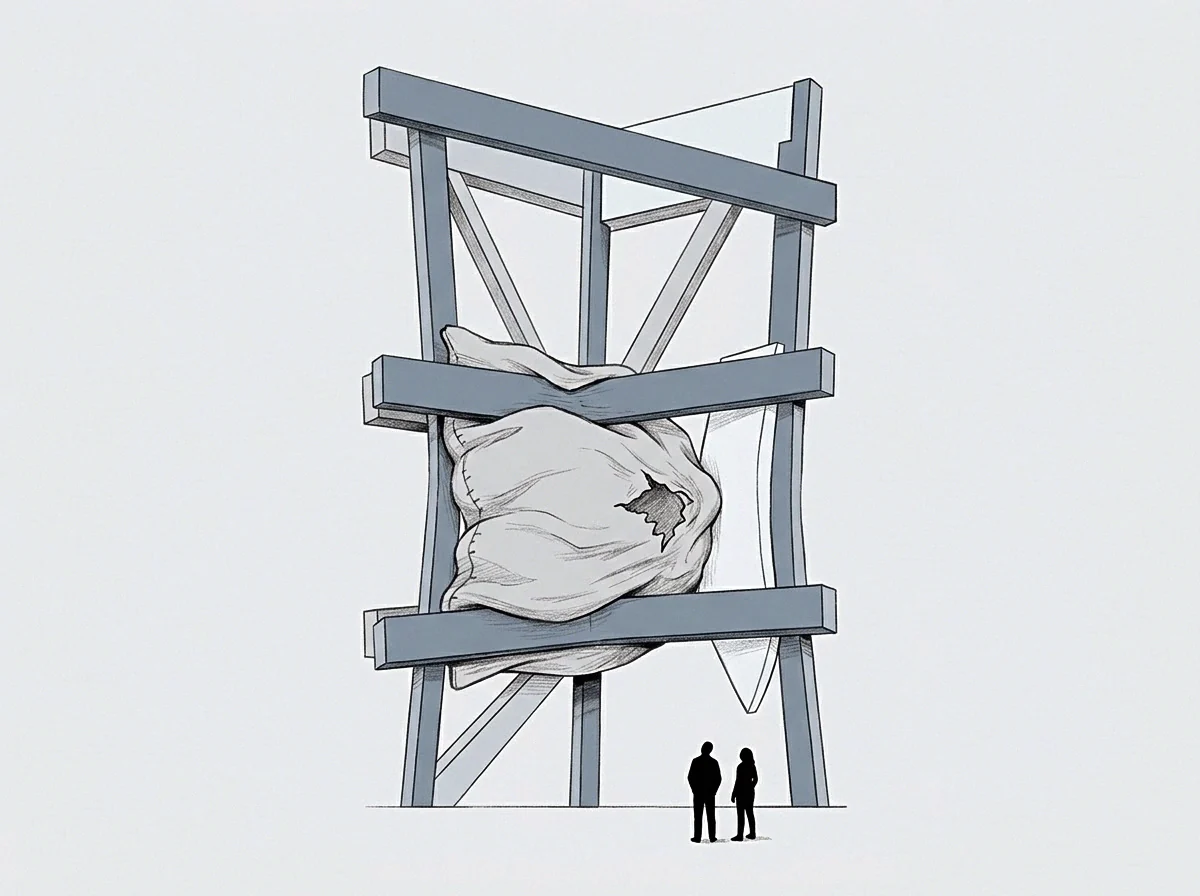
Executive throttling shuts down prefrontal synthesis to protect biological capacity under extreme allostatic load, requiring structural loop gating rather than clinical mood treatment.

Solitary leadership recalibrates neural threat processing by elevating baseline vigilance while constricting relational capacity through unshared regulatory load.
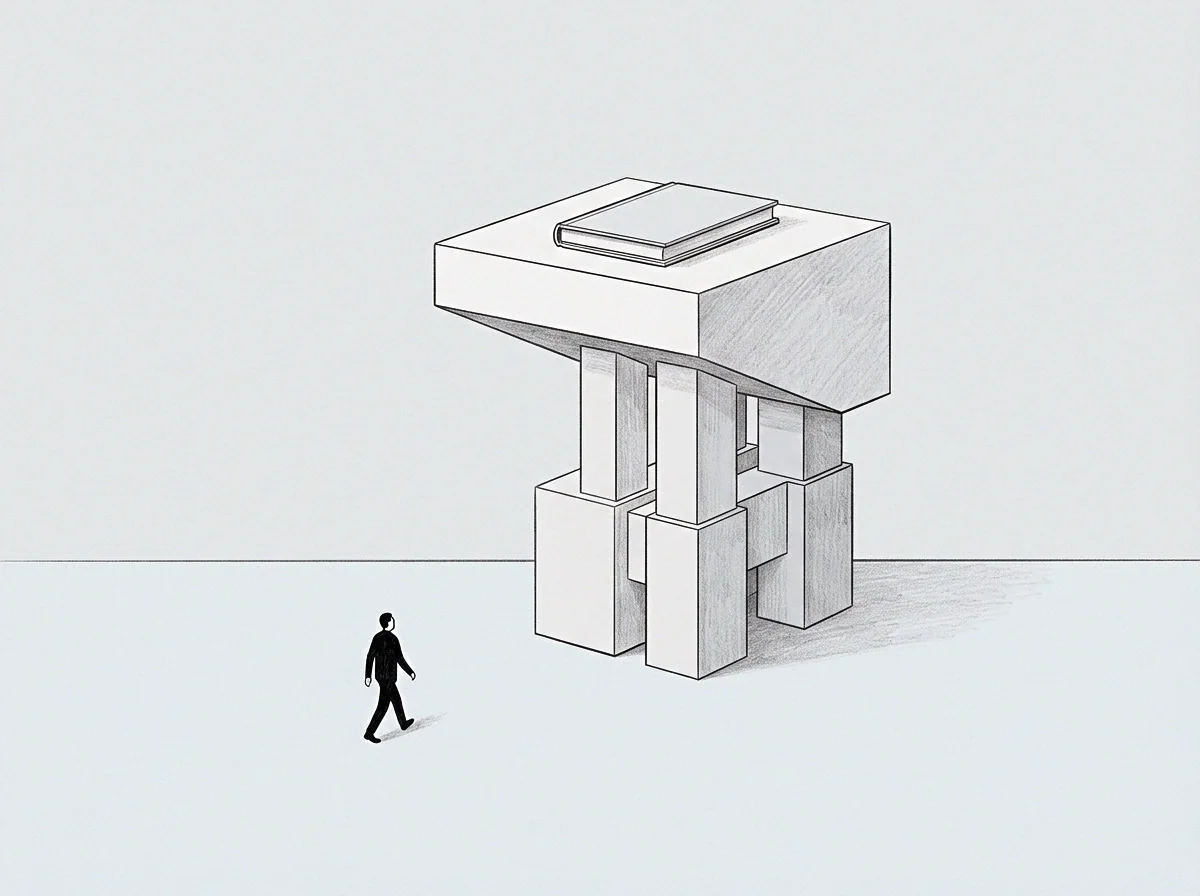
Solitary technical building removes environmental co-regulation, forcing the brain to expend metabolic energy on self-regulation and throttling cognitive headroom.
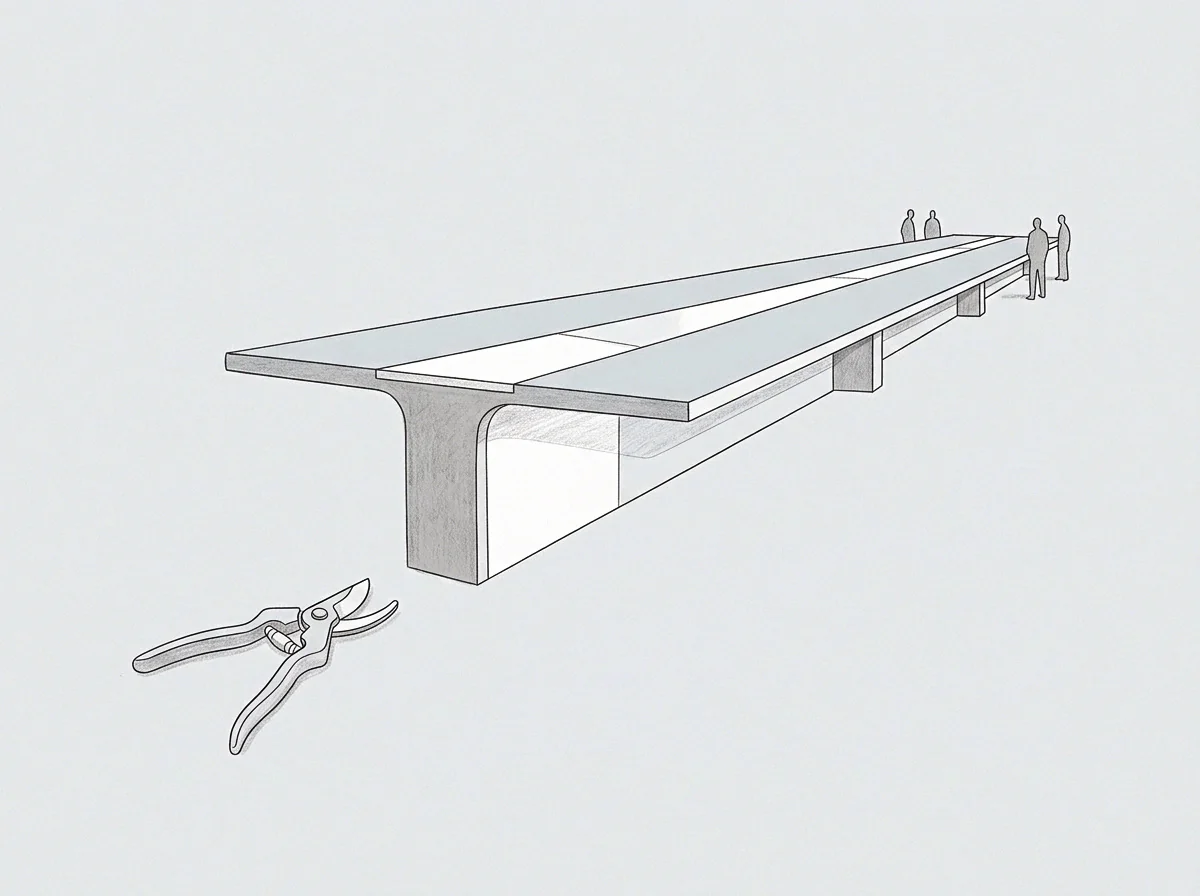
Unilateral regulation in shared operational space shifts physiological load onto one nervous system, elevating baseline cortisol and suppressing regulatory receptor updates.
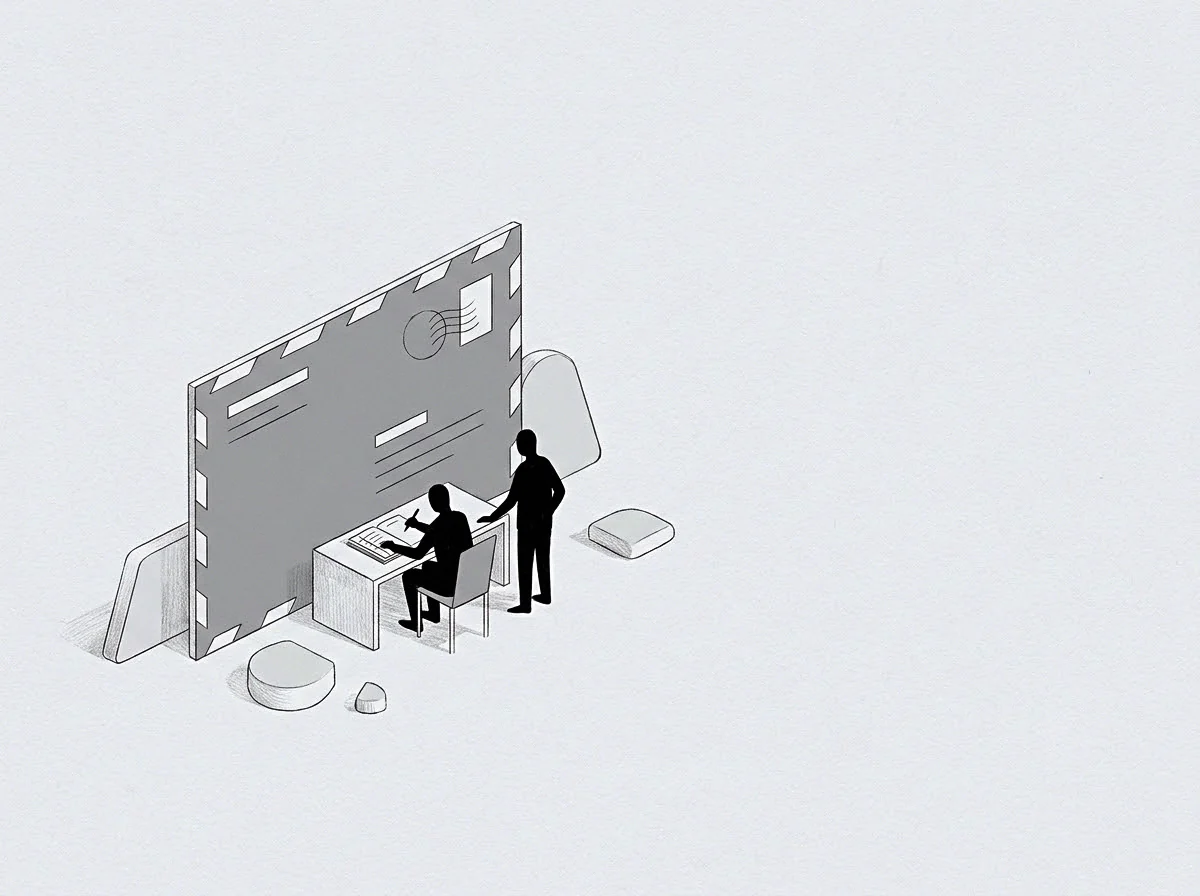
An internal working model updates when repeated reciprocal presence replaces unilateral allostatic load absorption during high stress operational cycles.
Solitary autonomic regulation under organizational scaling drives allostatic overload, forcing neuroendocrine biological throttling when shared social baselines are absent.
Extended isolation forces the nervous system to down-regulate autonomic reactivity to conserve metabolic energy when external co-regulation is absent.
Receptor permeability calibration lowers executive self-regulation costs by enabling co-regulatory baseline updating across high-pressure leadership coalitions.

Allostatic load escalates when executive teams rely on a single leader for regulation, which alters metabolic budgeting until explicit operational limits distribute threat processing.
High executive stress shuts down relational receptors by forcing continuous solo regulation, requiring bounded micro-exchanges to rebuild passive autonomic intake.

Extended isolation recalibrates the central nervous system to treat dyadic proximity as a metabolic load rather than a co-regulatory buffer.
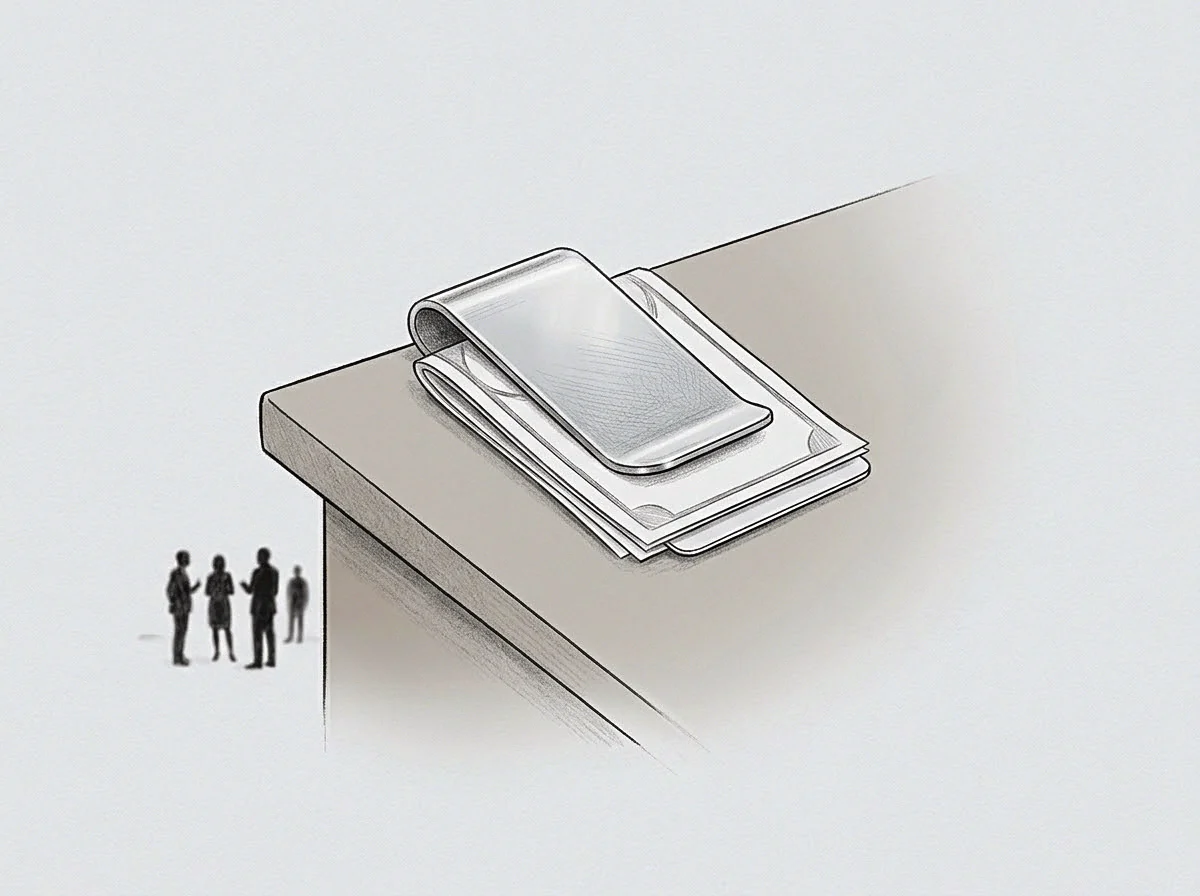
Fatigued builders interpret proximate presence as covert demand for regulation or vigilance rather than shared load, triggering sympathetic arousal.
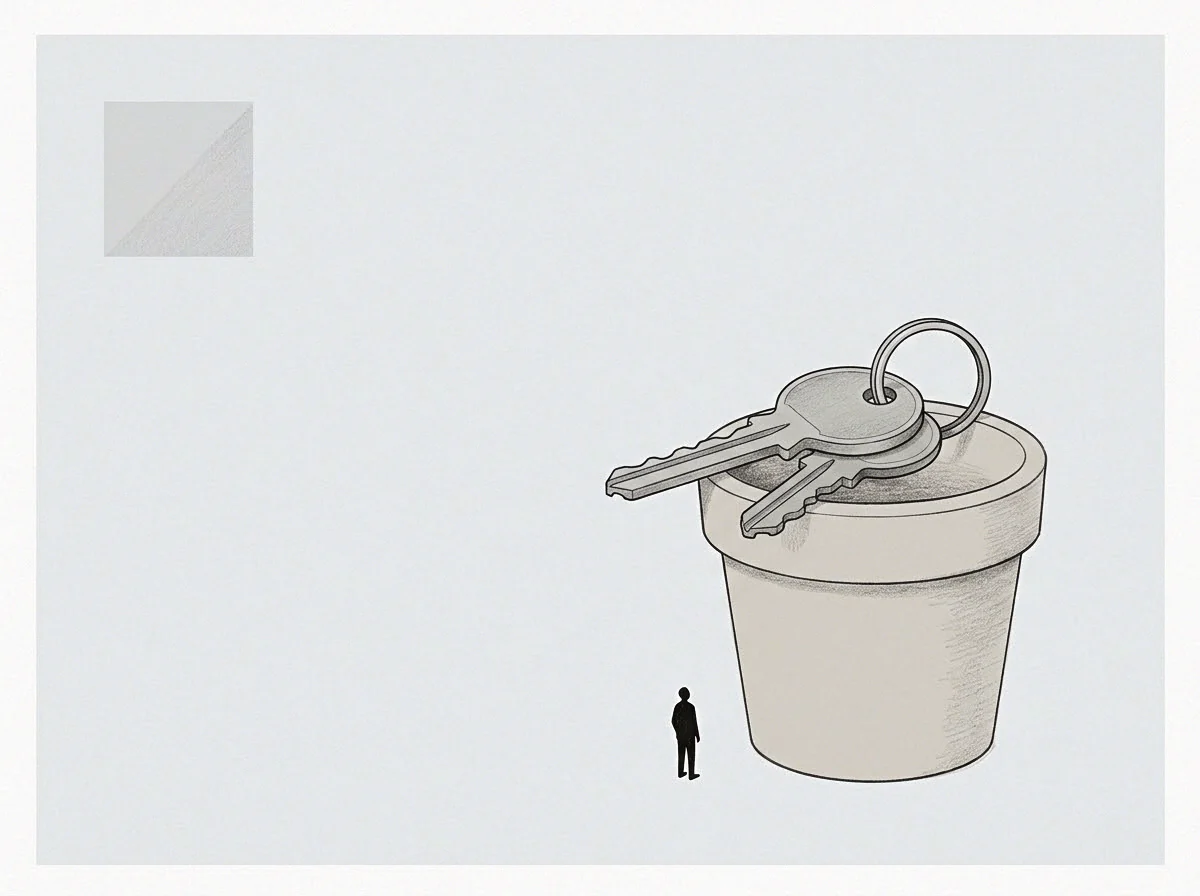
Solitary building shifts the neural baseline from low-energy social buffering to expensive independent hypervigilance, accumulating unsustainable allostatic load.
The terms are written where they belong. Each field holds three desks, and every entry a desk writes raises the terms it uses, each term given a meaning, a mechanism and the places it appears. The record on these pages stays first person and hand made; the fields grow the nomenclature.