Meaning
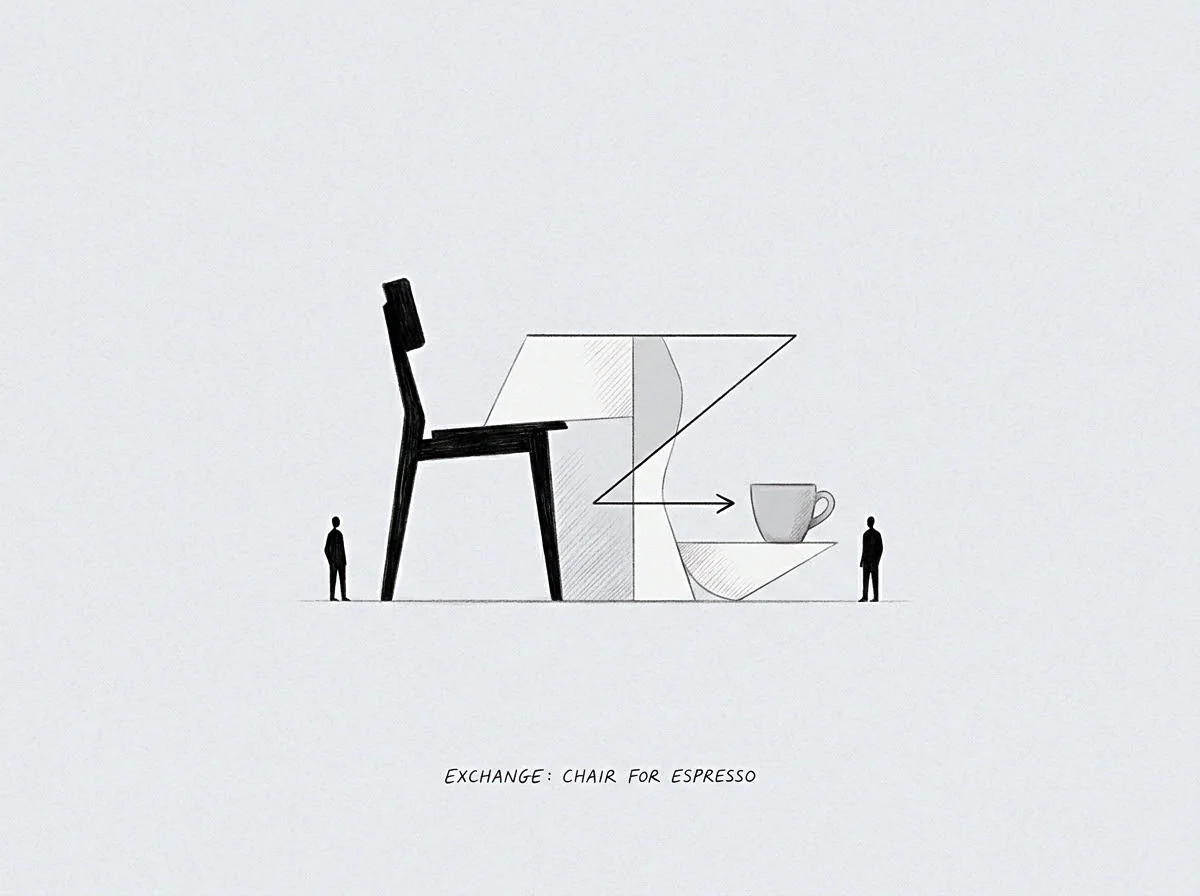
Responsibility migration describes the phenomenon where unsolved problems and unassigned tasks gravitate toward the most capable nodes in a network. In a leadership context, load attraction occurs when a founder’s perceived ability to handle stress pulls in more work than they can sustainably manage. This process is often involuntary and driven by the needs of the surrounding team.
It continues until the individual reaches a point of total capacity saturation.
Competence Penalty
High performers are frequently rewarded with more work, a cycle that defines the mechanism of load attraction. Because they resolve issues quickly, the organization begins to rely on them as the default destination for all complex or urgent matters. This reliance creates a hidden cost in the form of increased allostatic load and a reduction in the time available for strategic thinking.
The individual becomes a victim of their own efficiency. Such a penalty is measured in the hours of overtime and the depletion of emotional reserves.
Task Accumulation
Unresolved issues stack up when the rate of incoming problems exceeds the rate of resolution. As load attraction pulls in more tasks, the leader must prioritize survival over excellence. This leads to a state of constant firefighting where the focus is entirely on the immediate present.
The attention cost of switching between dozens of small tasks reduces the person’s ability to engage in high-value work.
Saturation Point
System failure occurs when the load attraction exceeds the physiological limits of the individual. At this stage, the leader can no longer process information accurately and the risk of a major error increases. This point is a structural limit that cannot be overcome with more effort.
The result is a hard stop on organizational growth.