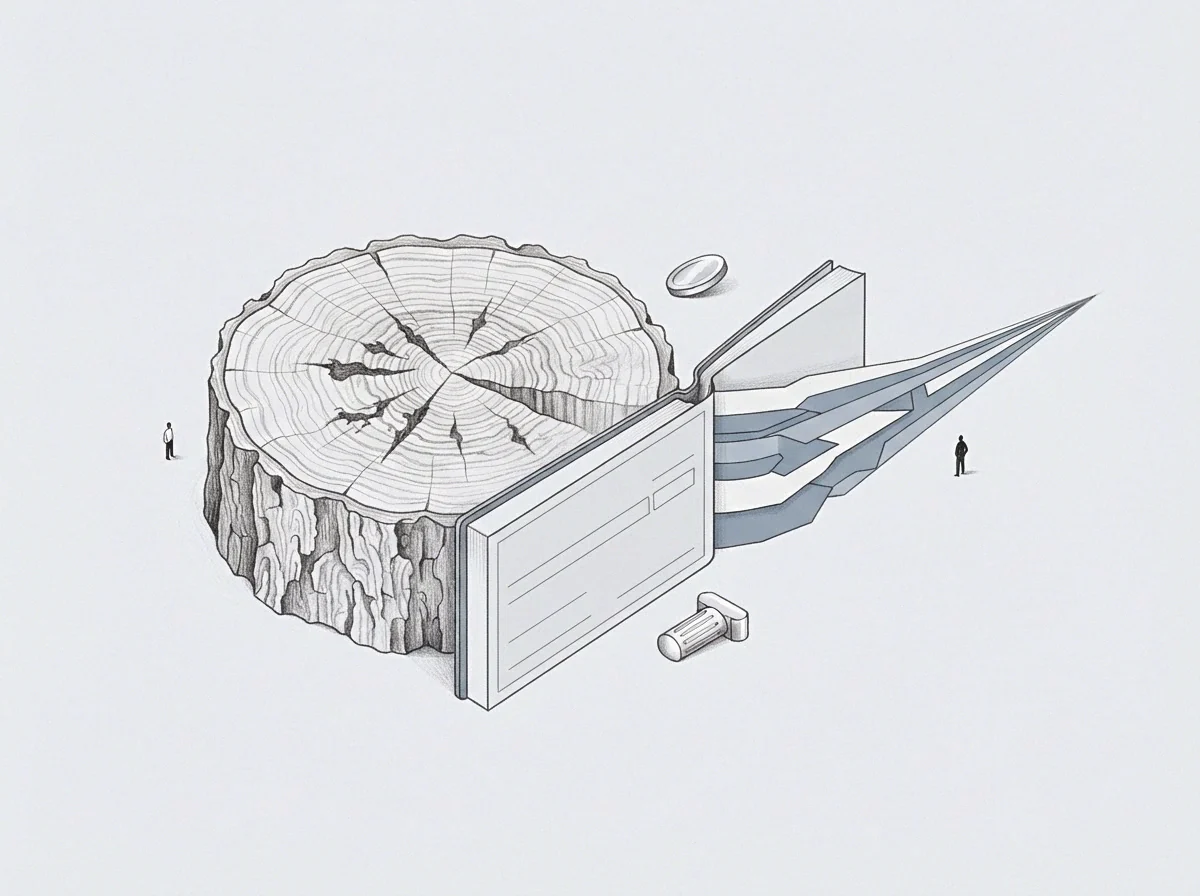
Meaning
Structural separation between the creative and administrative arms of a firm allows for specialized focus during periods of rapid growth. Organizational differentiation involves the creation of clear boundaries between departments to prevent overlapping responsibilities. This split ensures that technical teams are not burdened by administrative tasks.
Capacity is preserved by allowing each unit to develop its own internal logic and pace.
Functional Split
Dividing the company into smaller, more manageable units reduces the complexity of daily operations. Each branch created through organizational differentiation operates under a specific mandate that defines its goals and resource requirements. This specialization allows for greater efficiency within the unit.
The cost of this structure is found in the need for formal communication channels between departments.
Coordination Effort
Managing the interaction between distinct units requires a dedicated effort to ensure alignment. Coordination effort rises as the number of departments increases, creating a new type of load for the leadership team. Organizational differentiation can lead to silos if the flow of information between units is not actively maintained.
This load is measured in the hours spent on cross functional meetings and alignment sessions.
Identity Stability
Maintaining a distinct operational identity for each department prevents the confusion that often follows a rapid expansion. A firm that maintains high levels of organizational differentiation can scale its operations without a corresponding increase in internal chaos. The final structure provides a stable framework for future expansion.