Meaning
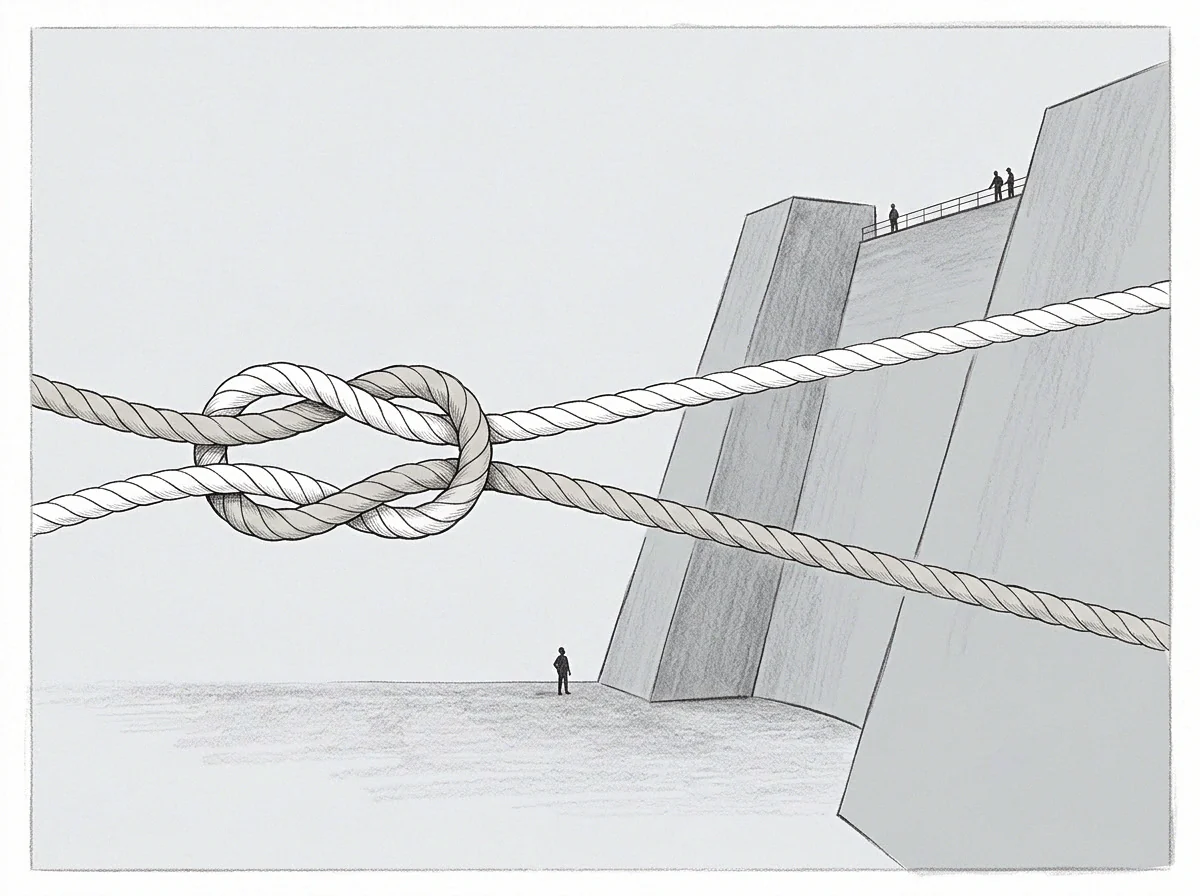
Calculated self-disclosure within professional environments deploys simulated personal exposure as a deliberate management strategy. In organizational settings, performative vulnerability represents the intentional presentation of controlled fallibility or emotional transparency to cultivate trust, extract loyalty or neutralize peer skepticism. The action projects an appearance of authenticity while shielding vital operational secrets and strategic weaknesses from actual disclosure.
It stops where involuntary exposure reveals genuine operational failures or unmitigated liability.
Calculated Disclosure
Strategic revelations are deployed to manipulate team sentiment without exposing systemic risks. Through performative vulnerability, a leader admits to minor errors or emotional strains to project humility, discouraging challenges to foundational decisions. The tactical display simulates an open environment while preserving structural dominance.
Subordinates mistake rehearsed candor for genuine transparency, which reduces their inclination to challenge strategic directions. Managed exposure serves administrative control. Predictable responses follow deliberate emotional prompts.
Emotional Friction
Maintaining staged exposure extracts significant personal capacity through continuous affect management. The practitioner must monitor boundary lines to ensure synthetic revelations remain within safe parameters, avoiding the appearance of actual incompetence. This perpetual regulation drains energy, elevating stress levels during routine management.
Cognitive dissonance deepens when manufactured openness conflicts with the demands of executive authority. The operational output drops as emotional calculations take priority.
Integrity Dissolution
Overusing engineered candor eventually creates cynicism across organizational ranks. When subordinates discover that displayed weaknesses are tactical while critical choices remain autocratic, performative vulnerability produces sharp disengagement. Mutual trust dissolves, replaced by cautious skepticism.
Staff members replicate this transactional behavior, staging their own communications to avoid risk. Synthetic openness poisons working relationships once transparency is recognized as manipulation.