Meaning
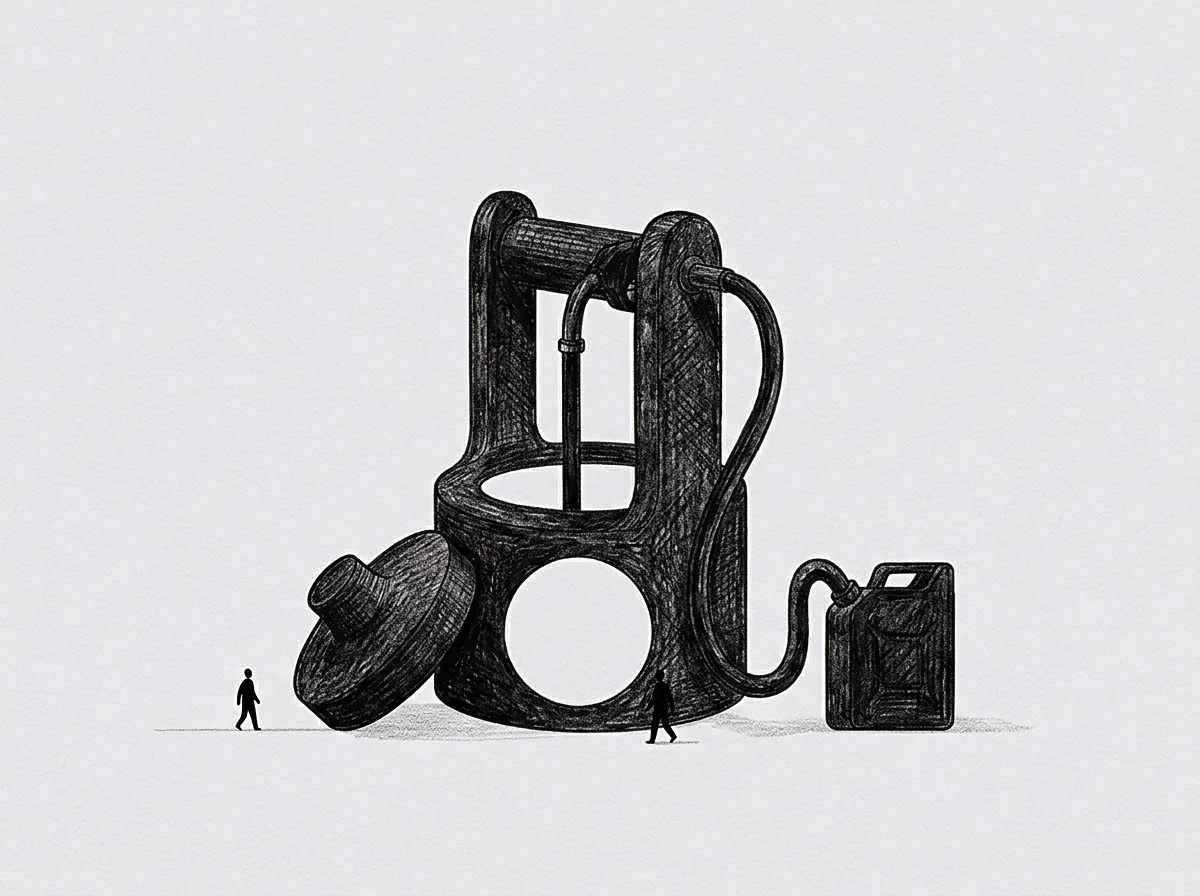
Energetic balances within the human body are governed by finite limits of metabolic and nervous system capacity. A founder transitioning to a post-exit life must manage their physiological economy to prevent long-term systemic depletion. This framework treats energy not as an infinite resource but as a balance sheet that requires constant balancing.
It emphasizes that cognitive performance is directly dependent on the physical health of the underlying organism, showing that executive decisions are shaped by physiological states.
Energy Allocation
Priority in resource distribution must be given to basic biological maintenance before high-level cognitive tasks can be sustained. When the body is forced to operate under a continuous deficit, it shifts resources away from complex decision-making toward basic survival functions. This reallocation reduces the quality of executive oversight and emotional regulation.
Depletion Cost
Prolonged neglect of physical limits leads to chronic fatigue and a drop in overall cognitive efficiency. This cost is paid in the form of increased susceptibility to illness and a marked decline in processing speed. The individual finds that tasks that once took minutes now require hours of labored effort.
Strategic Balance
Restoring the systemic equilibrium requires the deliberate integration of structured recovery periods into the weekly schedule. By treating rest as a non-negotiable operational requirement, the individual protects their long-term capacity for high-value work. This discipline prevents the recurring cycles of burnout that characterize poorly managed transitions.