Meaning
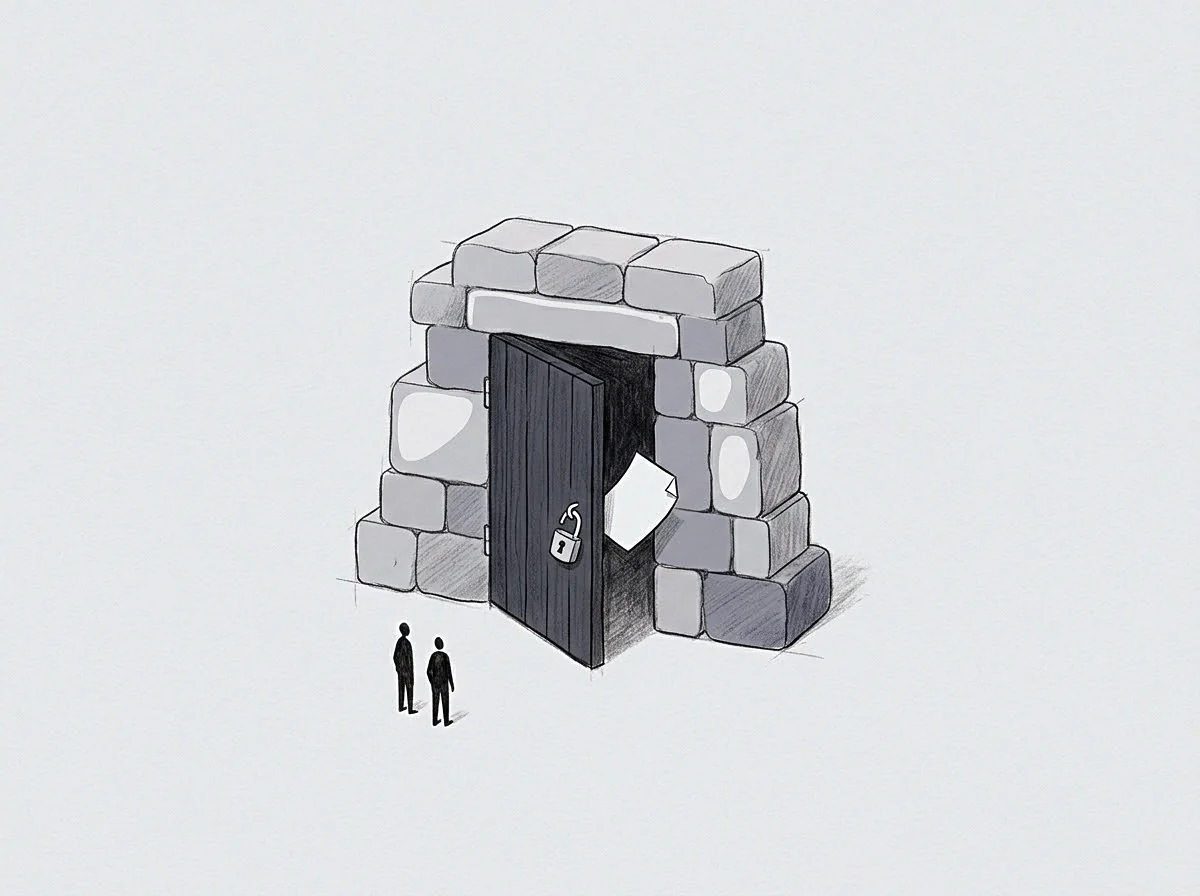
Safety benchmarks represent the specific point of arousal where the body shifts from social engagement to defensive mobilization. The physiological safety threshold is the internal limit that determines when an environment feels too threatening to remain creative or collaborative. This threshold is unique to each individual and is influenced by their history of stress and current level of exhaustion.
Once the threshold is crossed, the nervous system prioritizes survival over complex problem solving.
Threshold Limit
Limits of safety are reached when the brain detects a lack of social support or a direct threat to status. The body reacts by increasing heart rate and narrowing the field of vision.
Defense Activation
Activation of defensive states changes the way a person processes language and social cues. Under these conditions, the physiological safety threshold acts as a gate that shuts down the parts of the brain used for empathy and nuanced thinking.
Capacity Constraint
Constraints on performance occur immediately after the threshold is crossed. A person in a defensive state consumes energy at a much higher rate, leaving less capacity for decision making. This state lasts until the person receives clear signals of safety from their environment.
The time required to return to a neutral state is a direct cost to the person’s productivity and focus. Understanding this limit allows a founder to design environments that keep the team within their productive range.