Meaning
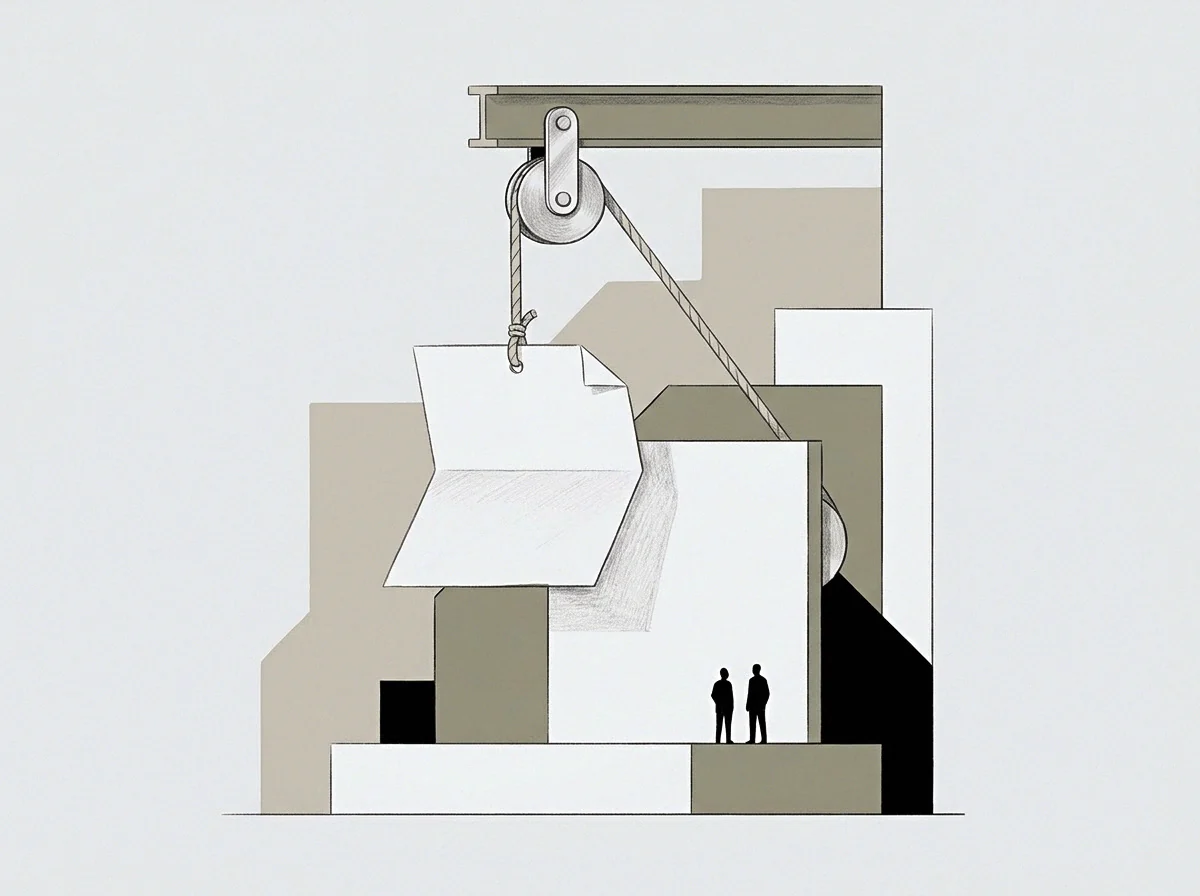
Relational containment operates as the regulatory boundary that limits how much interpersonal friction a founder absorbs from the surrounding team without a structural intervention. This physiological threshold dictates the amount of emotional volatility a nervous system processes daily before autonomic capacity degrades. Operating largely as a co-regulation mechanism, the boundary relies on proximity to steady colleagues while filtering out chronic relational instability from distressed personnel.
Maintaining this boundary costs a founder roughly three hours of cognitive recovery time weekly, spent in deliberate solitude after high-conflict interactions. The mechanism stops protecting the operator when team distress exceeds available support capacity, turning minor disagreements into systemic exhaustion.
Capacity Cost
Managing interpersonal turbulence depletes finite attention reserves that should otherwise fund product architecture and financial planning. Sustained exposure to unresolved organizational conflict forces the central nervous system into chronic sympathetic activation, raising resting cortisol levels. Attention fragments into smaller intervals because the mind continually scans the immediate environment for signs of team friction.
This constant monitoring consumes approximately twenty percent of daily mental bandwidth, leaving insufficient reserve for complex strategic decisions.
Thermal Throttling
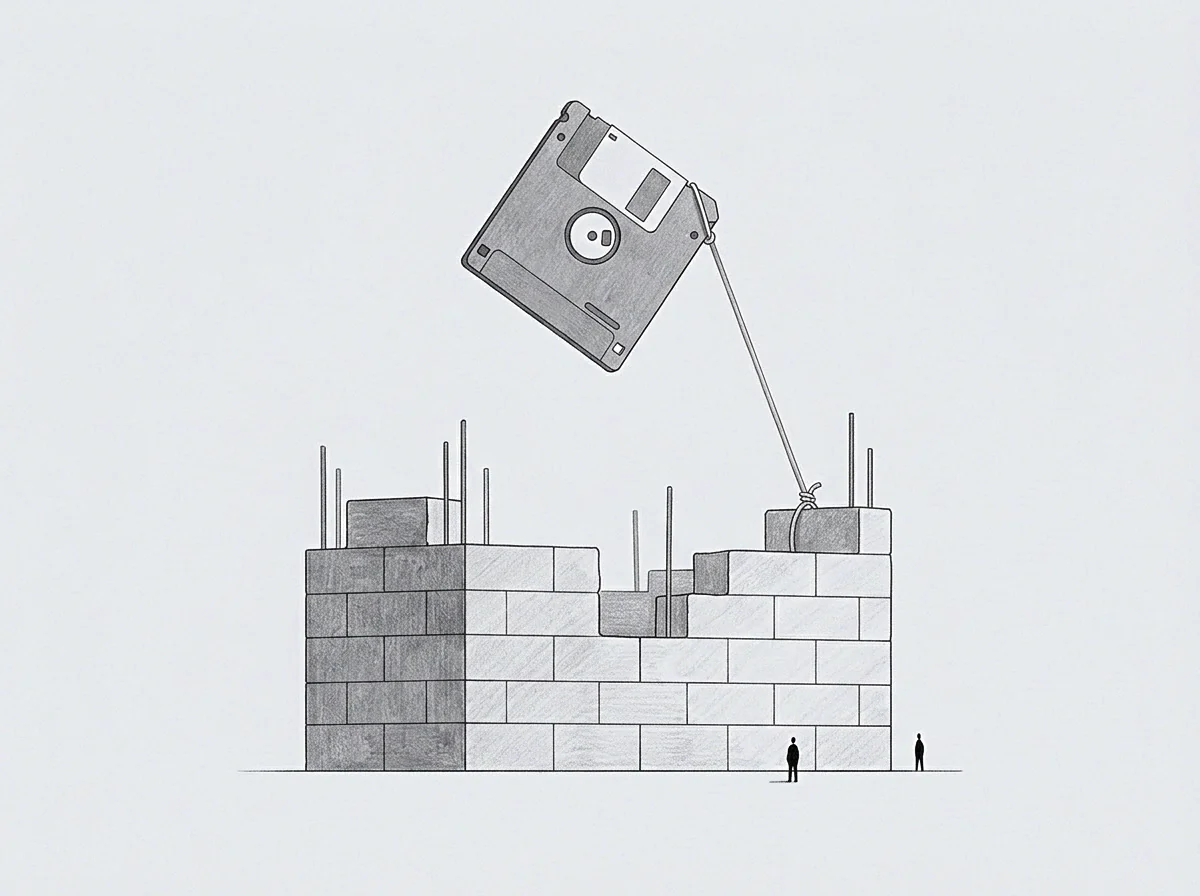
Systemic strain resembles thermal throttling in microprocessors, where an overheated chip reduces clock speed to prevent permanent hardware damage. Founders experience a parallel decline in working memory and processing velocity when relational friction exceeds safe operational limits. Lowered cognitive output protects the organism from total burnout by dropping non-essential tasks and deferring difficult conversations.
Recovery occurs only when the source of interpersonal heat is physically removed from the immediate workspace for extended periods.
Recovery Boundary
True equilibrium returns when the operator establishes a hard stop between professional demands and personal restorative routines. Strict adherence to this shutdown protocol prevents work-related stress from bleeding into sleeping hours and degrading physiological repair cycles. Autonomous self-regulation replaces borrowed stabilization once the individual learns to process stress independently of team dynamics.
Complete detachment requires physical architecture changes, such as leaving the primary office environment entirely behind at the end of the day.