
Preserving Relational Stability and Internal Models Across Scaling Pressures
Scaling increases solitary threat appraisal, degrading relational models unless unilateral load absorption shifts toward distributed co-regulation.

Strain
Four browser windows sit open beside an unread contract at eleven at night, while three direct messages wait for an operational decision. The person in the executive seat sits motionless under the desk lamp, breathing evenly and showing no outward agitation. Observers in the room take that physical stillness for spare capacity.
They leave additional operational ambiguity on the desk because the person sitting there shows no sign of fracture. Under social baseline theory, the human brain assumes proximity to reliable conspecifics as the default condition for metabolic expenditure. Solitary threat assessment burns through high caloric and neural reserves.
When operational scaling expands headcount and transaction volume, that natural biological economy breaks down. The person at the center absorbs systemic shocks alone while projecting an artificial stability to keep others calm. Co-regulation flows in only one direction across that desk.
The human autonomic nervous system evaluates operational risk through physiological proximity. A team working in adjacent chairs distributes neural vigilance across the group, lowering baseline blood pressure and cortisol secretion. Rapid company expansion replaces that low-effort shared baseline with dispersed, asynchronous reporting channels.
Every incoming notification demands cognitive appraisal without providing biological reassurance. The founder attempts to supply synthetic stability to thirty people simultaneously while receiving none in return. The metabolic price of that unilateral output escalates daily.
The human brain expends its highest neural reserves when evaluating operational threat without physical proximity to a reliable peer.
Every operational escalation extracts measurable metabolic energy from the solitary nervous system. The person in the seat maintains a stable outward posture, while allostatic load accumulates in cardiac tissue, sleep fragmentation, and immune suppression. The company grows, yet the relational baseline supporting the founder decays under the unchecked distribution of unreciprocated calm.
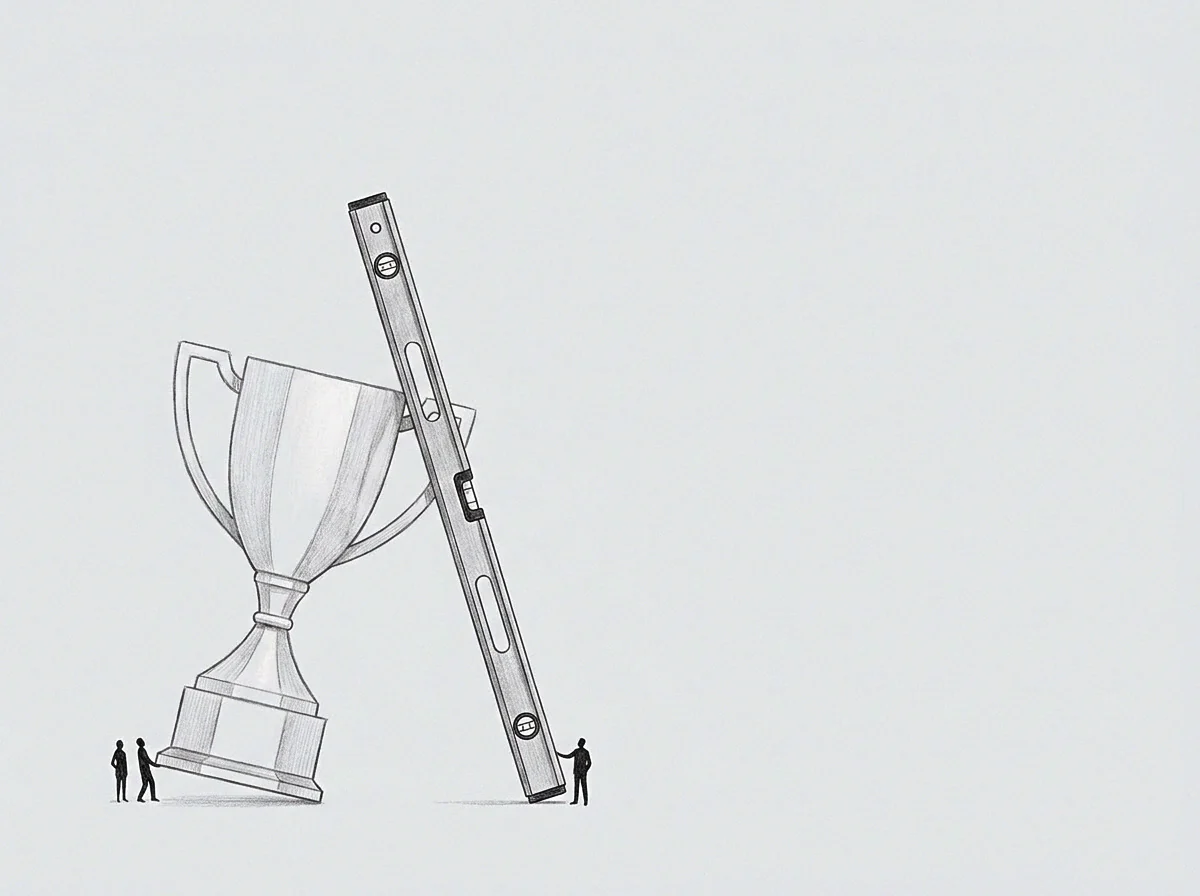
Wall
The Throttling Threshold
The threshold arrives without warning during routine communication. A partner enters the room to ask about vendor selection, and the person at the desk cannot formulate a coherent response. The stall does not stem from administrative indecision; the neural architecture responsible for relational attunement has throttled its input gates to preserve basic autonomic function.
Allostatic load denotes the cumulative physiological toll exacted by sustained stress adaptation. When allostatic load exceeds cognitive headroom, the nervous system shuts down non-essential social engagement. Colleagues read this sudden detachment as cold indifference or personal hostility, though it is biological conservation taking place in real time.
Relational stability requires reciprocal attunement, which relies directly on prefrontal processing capacity. An overloaded executive experiences cognitive exhaustion, impairing the capacity to read subtle facial cues, vocal inflections, and emotional bids from longtime collaborators. The internal working model of the relationship begins to warp under this sustained overload.
Historical partners register the sudden emotional flatline as an active breach of fidelity.
Unilateral Load Absorption
Longstanding working partnerships frequently depend upon an unexamined division of regulatory effort. Consider an arrangement between two operators who built an enterprise over four years. One operator carries primary financial risk and public accountability, while the other manages technical execution.
The public operator habitually dampens personal apprehension to keep the technical team composed during cash flow compressions. That habitual dampening creates a backward template, wherein the individual models safety solely through the unilateral regulation of surrounding peers.
A person who regulates others to secure immediate safety possesses no internal slot to receive regulation from an external source.
The habit of absorbing external turbulence without transmitting distress establishes an unsustainable relational dynamic. Peers assume the unflappable partner possesses boundless stamina, continually increasing their demands for reassurance. The unstated contract mandates continuous composure from one party, irrespective of internal exhaustion.
He never tells anyone what the company accounts look like when revenue drops, so everyone assumes the figures remain secure.
Exchange
Relational Mechanics Under Organizational Pressure
Scaling operational complexity alters interpersonal dynamics across teams. As reporting layers multiply, direct relational attunement gets replaced by formal tracking mechanisms. The functional differences between reciprocal regulation and unilateral load absorption appear across several operational criteria.
| Operational Criterion | Reciprocal Co-Regulation | Unilateral Load Absorption |
|---|---|---|
| Threat Distribution | Shared across proximate peers through open disclosure of operational strain. | Concentrated entirely within the central leader to shield subordinate teams. |
| Metabolic Surcharge | Low per capita expenditure due to collective neural threat appraisal. | Extreme individual cost resulting in accelerated allostatic accumulation. |
| Receptor Availability | Active operational channels exist to accept support and physical comfort. | Complete absence of an internal receptor slot for receiving external care. |
| Communication Pattern | Bilateral disclosure of functional limits, uncertainties, and operational facts. | Filtered output projecting synthetic certainty while suppressing distress. |
| Long-Term Viability | Sustained relational cohesion with minimal relational attrition under crisis. | Catastrophic relational rupture when the central nervous system throttles. |
Reciprocal co-regulation preserves interpersonal cohesion by distributing vigilance across several stable actors. Unilateral absorption concentrates structural risk within a single physiological node. Organizational expansion amplifies this disparity, converting minor communication delays into major relational fractures.
Interpersonal stability deteriorates when one participant bears exclusive responsibility for collective composure. Mutual acknowledgment of operational reality distributes metabolic strain, preserving the relational foundation as transactional pressures mount.

Limit
Whose Baseline Absorbs The Spike In Concurrency?
Every expanding organization eventually reaches a point where communication volume outstrips biological processing bandwidth. Messages arrive across four software platforms simultaneously, each requesting immediate intervention. The central operator cannot respond to eighty daily inputs while preserving contemplative cognitive focus.
At this junction, explicit boundary parameters become necessary to safeguard physiological capacity.
A stated parameter alters relational dynamics instantly. In place of continuous open-ended availability, the operator institutes structural constraints: asynchronous updates replace impromptu meetings, direct access requires calendar scheduling, and evenings remain free of operational traffic. Colleagues accustomed to immediate borrowed calm experience these parameters as an institutional shock.
The withdrawal of constant access forces surrounding team members to process operational ambiguity on their own nervous systems.
A stated limit transfers ambient operational anxiety back to the individuals generating the inquiries.
The introduction of structured availability exposes the covert relational contracts operating within executive teams. When access becomes bounded, collaborators can no longer rely on the leader to metabolize their anxieties. A formal agreement establishing four-hour response windows for non-critical inquiries reconfigures the communication channel, compelling both parties to verify factual urgency before transmitting requests.
Graft

Updating The Internal Working Model
Cognitive comprehension of relational dynamics does not rewire physiological survival responses. An individual operating from a backward template understands the theoretical utility of delegation, yet experiences visceral panic when relinquishing regulatory control. The development of earned security demands repeated physical experiences of dependence upon reliable counterparts under genuine stakes.
The nervous system requires somatic verification that delegating operational defense will not result in organizational ruin.
Consider the physical world of naval architecture. When a ship’s hull takes on water in one compartment, watertight bulkheads isolate the flood, preventing total submersion without requiring the main mast to bear the displacement. Human systems require identical mechanical partitioning.
The operator must deliberately place functional reliance onto vetted colleagues, enduring the somatic tension of non-interference while the colleague resolves the issue. This iterative exposure slowly builds a functional receptor slot, permitting the leader to receive regulation from external sources.
This biological update requires significant time and conscious restraint. Each instance where an associate handles an operational threat without executive intervention rewires the internal working model. The individual gradually learns that safety does not mandate solitary vigilance.
The relational model shifts from unilateral shielding to distributed competence, anchoring personal stability across sustained corporate growth.
An individual conditioned to equate safety with unilateral regulation faces an acute physiological hurdle when attempting to rely on a distributed team during an existential corporate crisis.