Meaning
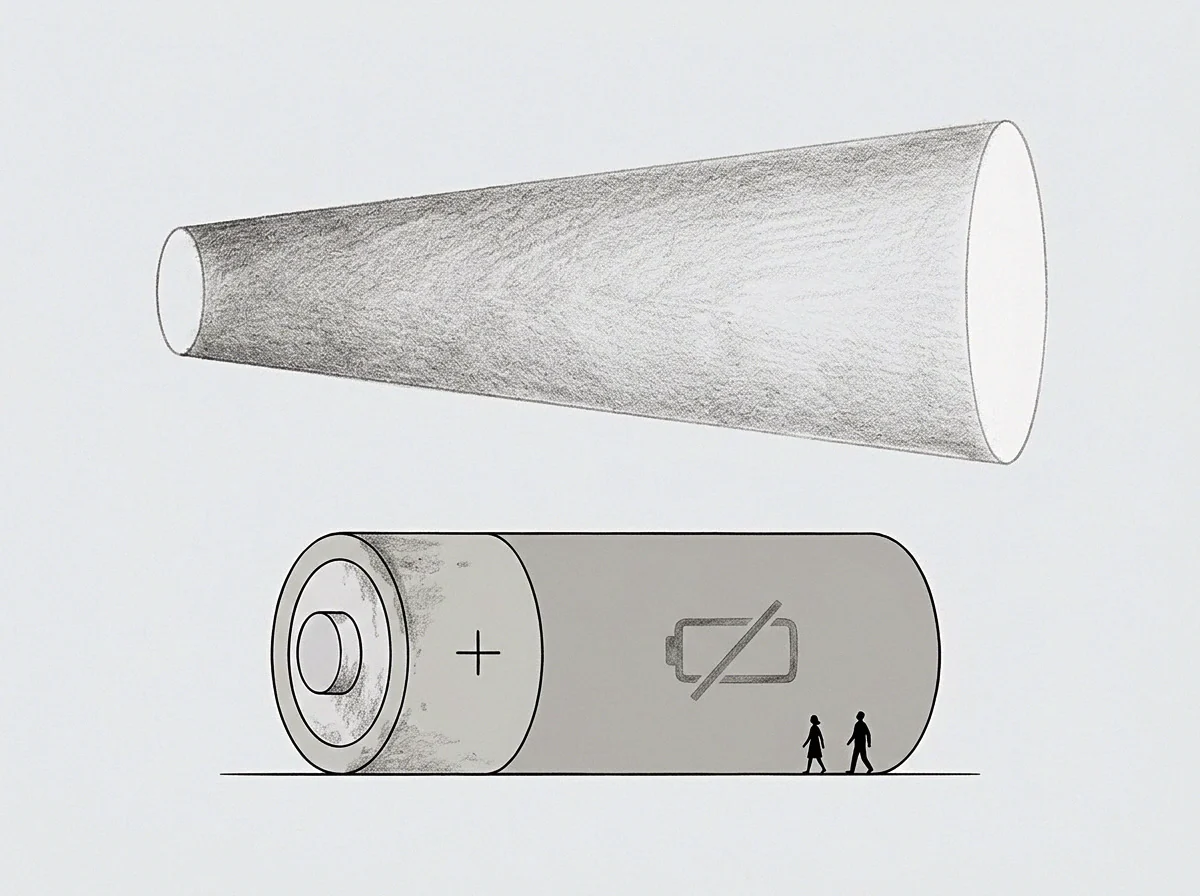
Intentional slowing of outgoing communication or action regulates the expectations of others and preserves the internal capacity of the actor. The practice of response throttling serves as a self imposed limit on availability to prevent the burnout associated with instant responsiveness. It creates a buffer between the arrival of a request and the delivery of a result.
This mechanism allows for the prioritization of tasks based on importance rather than arrival time.
Expectation Management
Providing immediate answers creates a feedback loop that encourages more frequent inquiries. Through response throttling, a person establishes a predictable cadence that discourages low value interruptions. This strategy protects the boundaries of the professional role.
Resource Preservation
Delaying a reaction allows for the gathering of more information and the conservation of mental energy. It prevents the reactive state where every external signal dictates the current activity. The person retains control over their own schedule and focus.
Operational Boundary
Ineffective throttling can lead to a backlog that eventually becomes unmanageable. If the delay is too great, it may trigger a crisis that demands even more attention than the original request. Balance is maintained by matching the throttle rate to the genuine urgency of the environment.