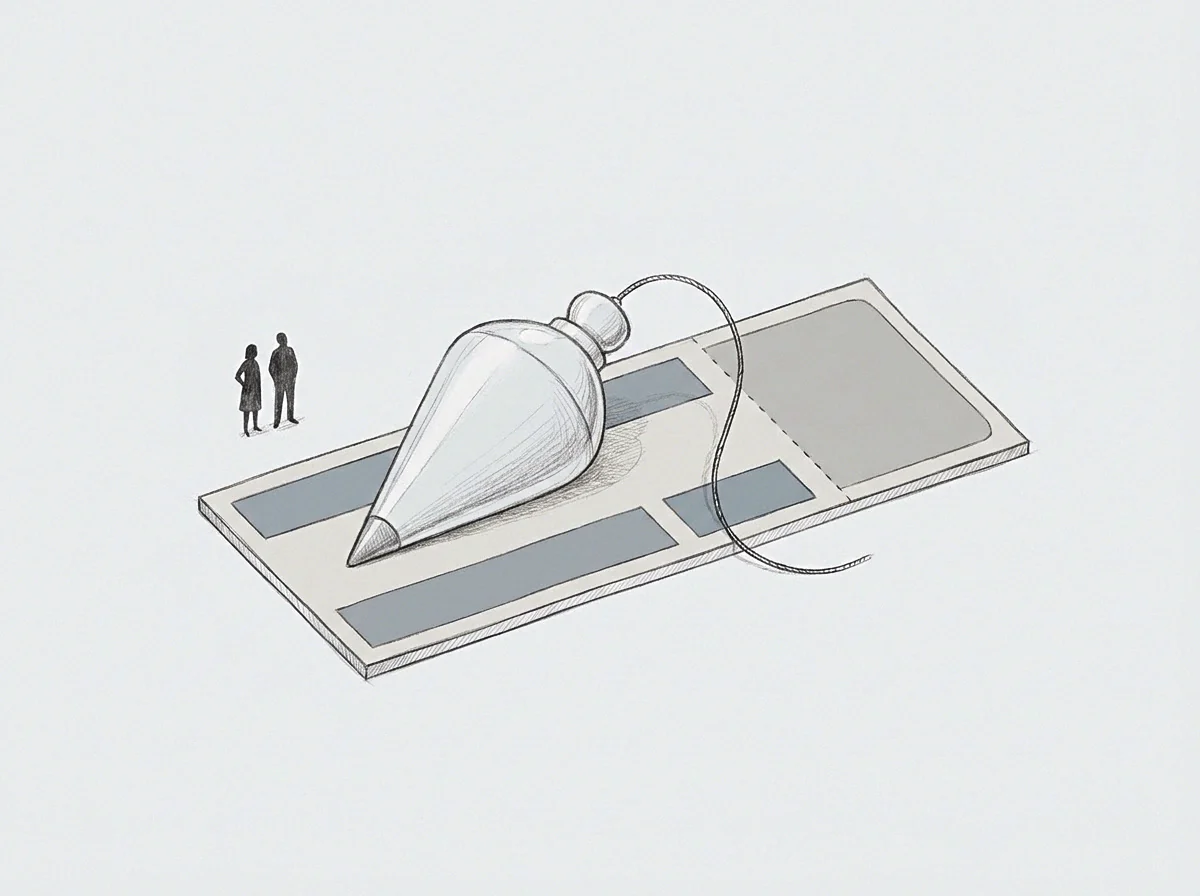
Meaning
Autonomic recovery depends on the removal of environmental and social stimuli that drive physiological arousal. Engaging in solitudinous regulation allows an organism to process internal data without the interference of external social demands. The boundary of this state is reached when the lack of external feedback leads to a distortion of perception or increased anxiety.
Autonomous Recovery
Recovery occurs through the deliberate removal of social stimuli and environmental noise. The solitudinous regulation of a person provides the quiet space needed for the nervous system to shift from a state of alert to a state of rest.
Self Regulation
Regulation depends on the ability to monitor and adjust one’s own internal state without help. Because social baseline theory suggests that the presence of others usually reduces the cost of living, solitudinous regulation is a high-cost strategy that pays off by eliminating the complexity of social navigation. It requires a high degree of internal focus and a stable environment.
The process fails if the individual lacks the internal resources to soothe their own autonomic nervous system.
Isolation Benefit
Benefits accrue when the absence of others facilitates a more accurate assessment of one’s own needs. The solitudinous regulation of a leader helps them separate their own goals from the expectations of the group.