Meaning
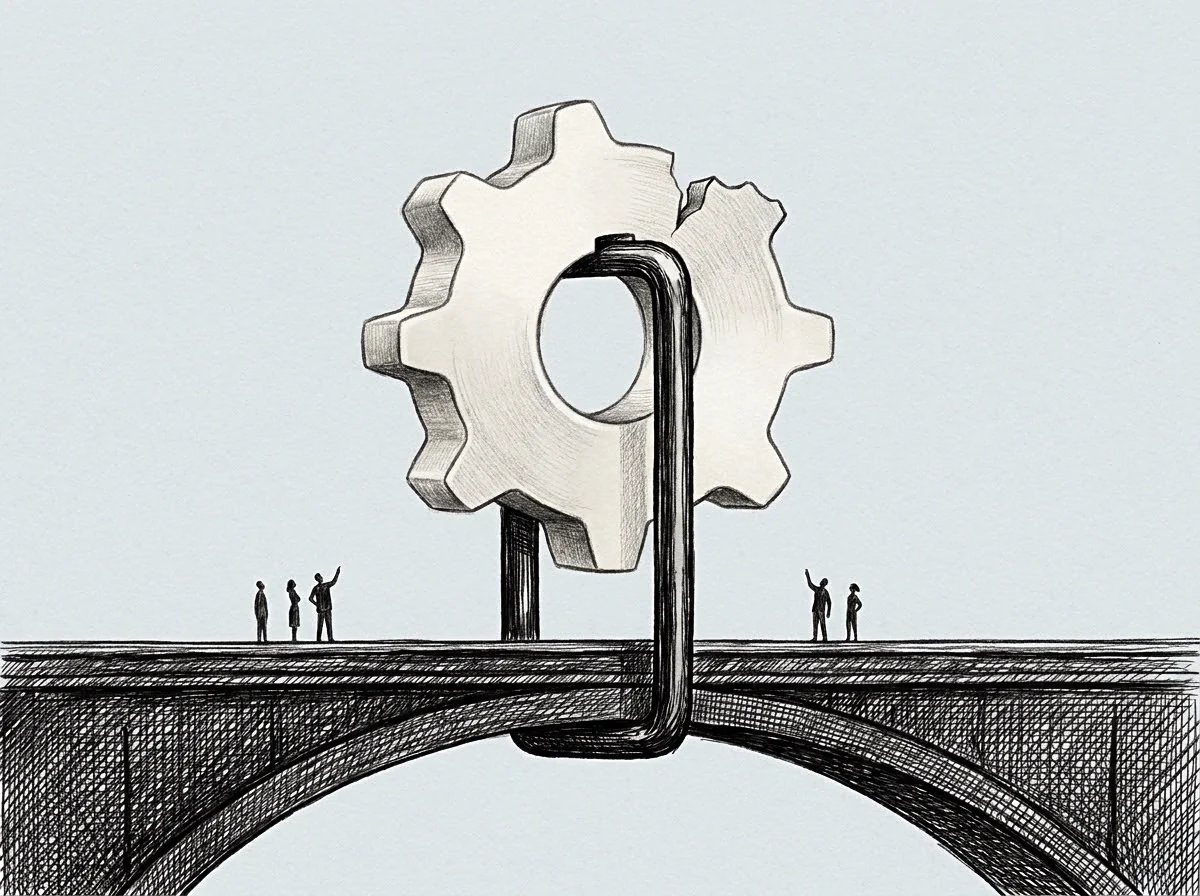
Formal boundaries and protective measures established within an organization to isolate different risks and prevent the spread of failure. These mechanisms act to protect the core assets and the personal capacity of the founder from being overwhelmed by a crisis in a single department or venture. Structural fences are the primary defense against the cascading effects of a bimodal risk outcome.
By Isolation Strategy
Creating legal and operational divisions ensures that a liability in one area does not bleed into another. This separation is essential for managing a diverse portfolio where different units operate under different regulatory regimes. The cost of maintaining these fences is found in the increased complexity of the governance structure and the extra hours spent on administration.
However, the protection they provide to the social baseline of the main entity is worth the investment of resources.
Beyond Attention Protection
These boundaries serve to limit the cognitive load on the person in charge. When a problem occurs, the presence of structural fences allows the founder to address it as a localized event to prevent a systemic threat. This prevents the executive dysregulation that often follows an uncontained crisis.
By knowing that the damage is capped, the leader can maintain the steady state required for effective decision making and resource allocation.
The Limit Enforcement
Consistency is the only way to maintain the barrier.