Meaning
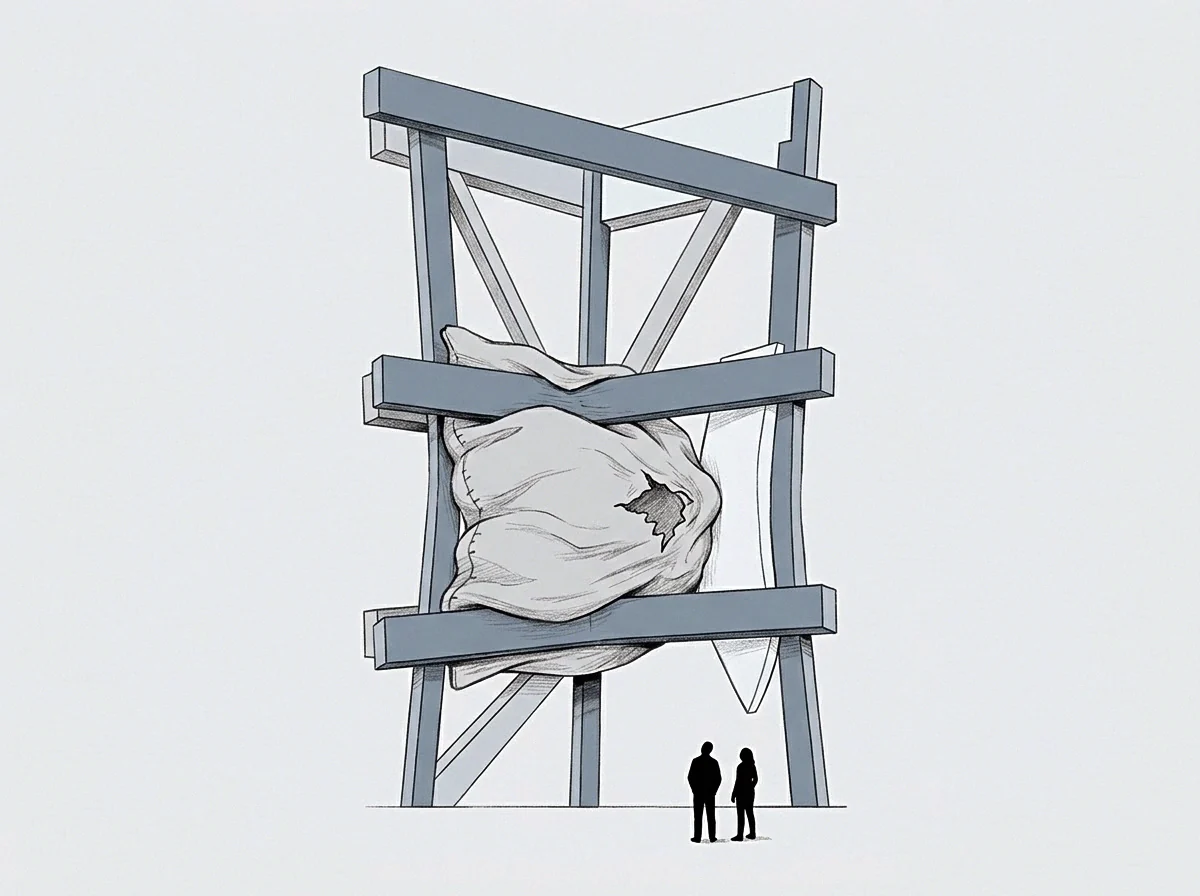
Reconfiguration of the primary asset base becomes mandatory when the current model cannot sustain further scaling. Crossing a structural gate requires a fundamental change in the way the company is governed. This hurdle is often triggered by a funding round or a regulatory milestone.
It marks the end of one era of the firm and the beginning of another.
Organizational Shift
Modernizing internal processes often involves the replacement of informal habits with rigorous systems. Passing a structural gate demands that the founder relinquish roles that were previously central to their identity. This shift creates a temporary period of instability while the new structure settles.
Failure to adapt results in a collapse of the existing operation.
Capital Requirement
Moving the organization to a higher level of complexity necessitates a significant investment in technology and human resources. Each structural gate acts as a barrier that only companies with sufficient resources can overcome.
Leadership Evolution
Competencies required to guide a small team differ from those needed to manage a large institution. Crossing a structural gate forces the leader to develop new skills in delegation and strategic oversight. This evolution is often the most difficult part of the scaling process.
A person must be willing to change their own behavior to match the needs of the new structure. Stability is achieved when the leadership style matches the organizational scale.