Meaning
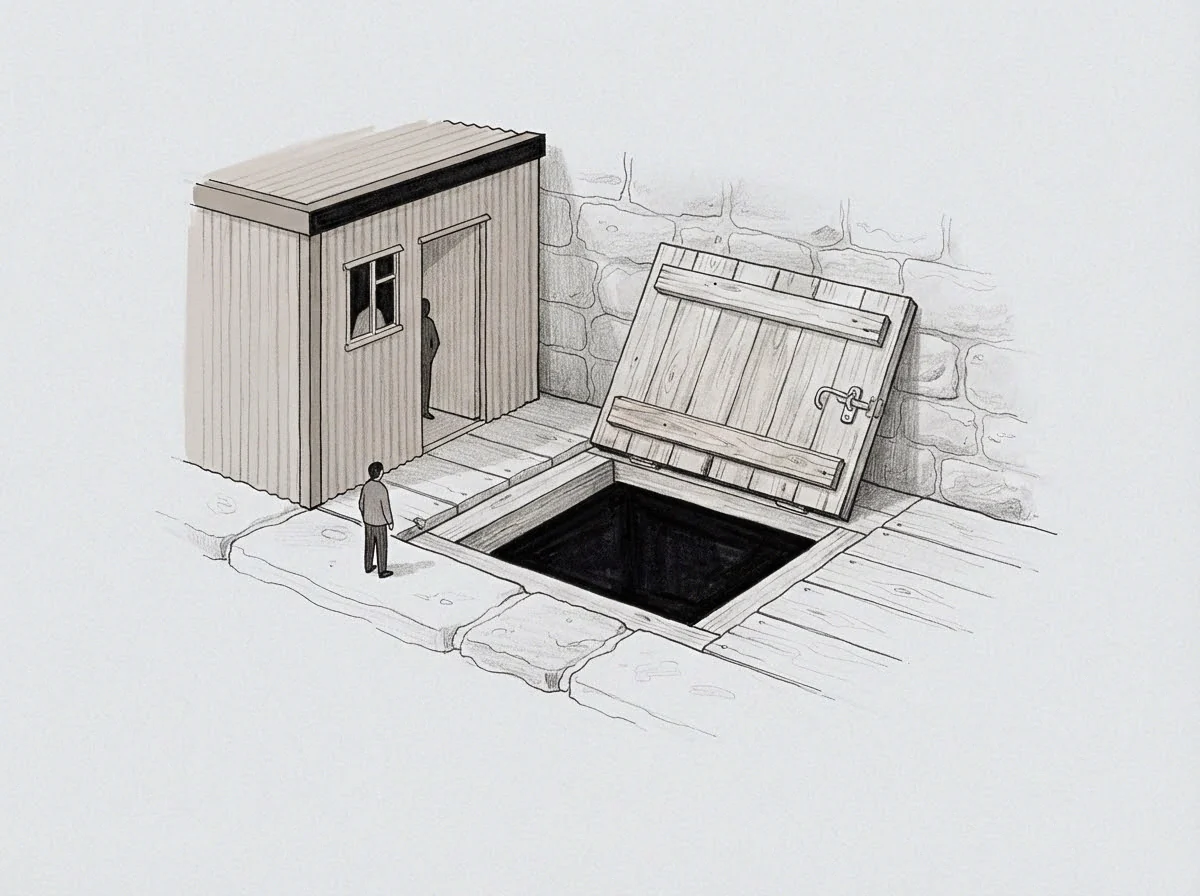
The permanent relocation of administrative burdens from individual founders to a formalized organizational architecture stabilizes a growing enterprise. Executing a structural load transfer involves codifying personal habits into repeatable department workflows that no longer rely on specific individuals. This shift establishes a durable baseline, turning a founder-dependent project into an institutional entity.
Systemic Reorganization
Transitioning away from early-stage, ad-hoc management requires the creation of structured departments with clear, independent mandates. When structural load transfer is underway, authority over cash flows and personnel decisions is handed over to specialized managers. This step-by-step division of labor ensures that the business can scale past the limits of any single person’s capacity, creating an environment where executive decisions are made by specialists who are closest to the daily problems.
Corporate Maturity
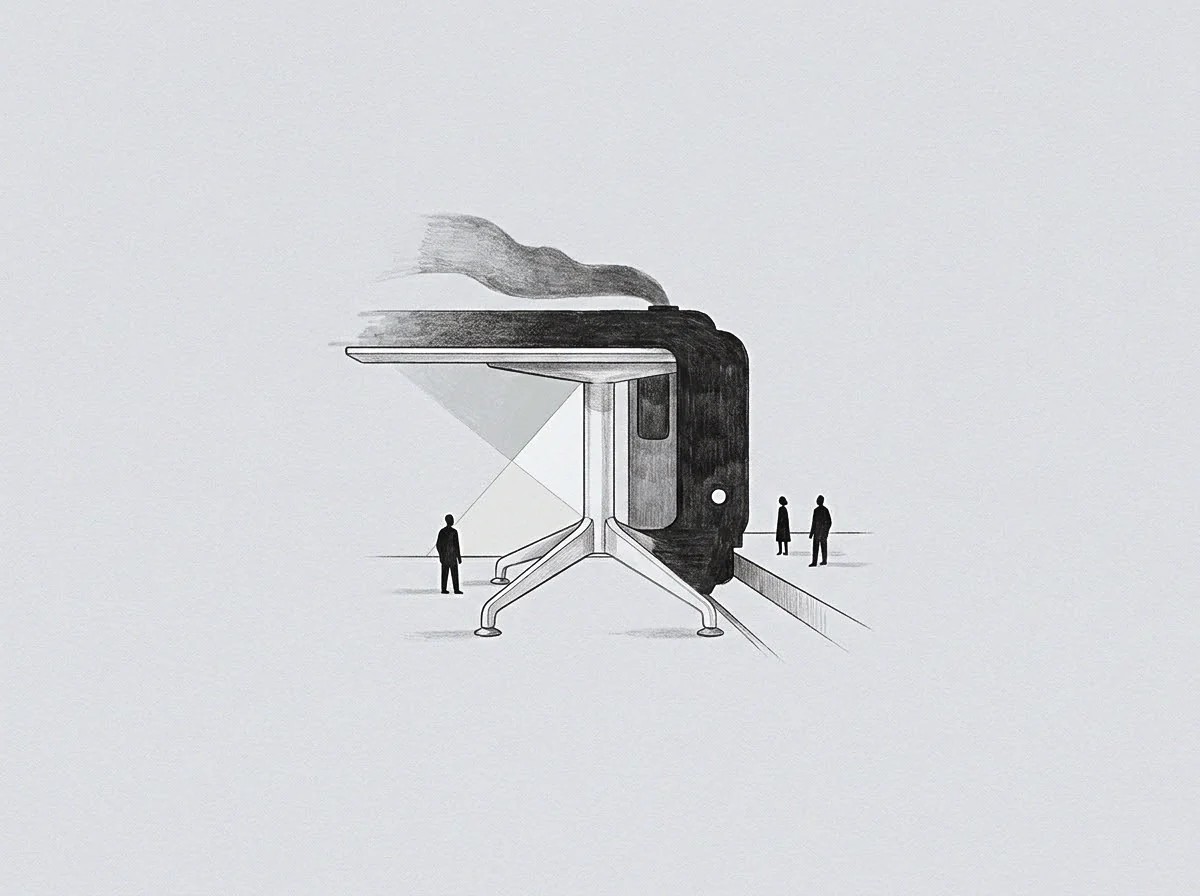
A company’s resilience increases when its primary systems no longer depend on the active presence of its originators. This independence allows the business to survive executive transitions, illness, or shifts in strategy without disrupting everyday productivity. The transition reflects a mature understanding that the organization must exist as a self-sustaining system.
Transition Cost
Managing this organizational shift demands a significant initial investment of hours and attention. Founders must dedicate substantial energy to drafting policies and training the team before they can step back from daily operations. This temporary double-duty is the necessary price of securing long-term freedom and systemic stability.