Meaning
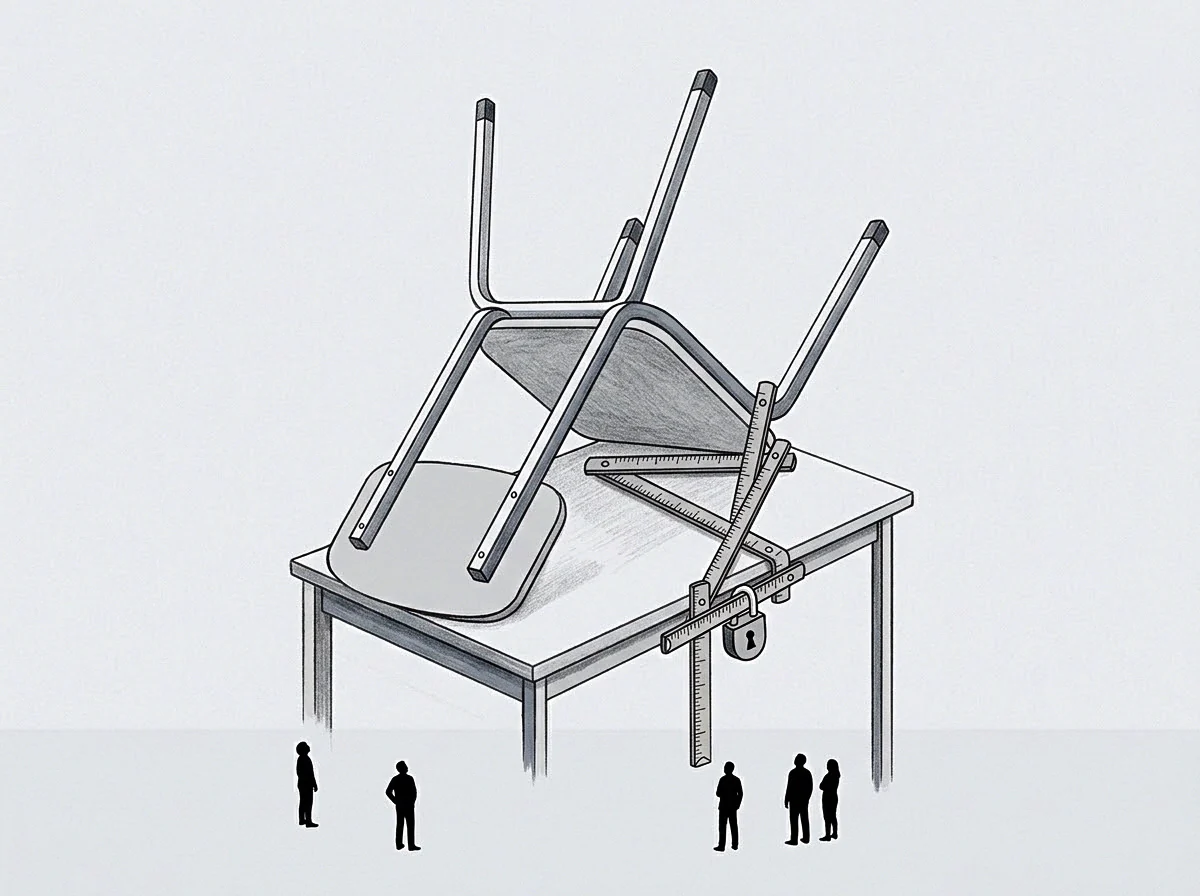
The gradual reduction in direct oversight as an organization grows prevents leadership from monitoring every operational detail. Implementing supervisory attenuation allows middle managers to make localized decisions, which speeds up daily execution but reduces central alignment. This adjustment is necessary to prevent executive burnout as the team scales.
Control Dilution
Delegation of authority alters the flow of information up the hierarchy. When supervisory attenuation occurs, the high-level views of the founders are separated from the front-line reality by several layers of management. This separation increases the likelihood that operational deviations will go unnoticed for long periods.
Systemic Risk
Loss of direct control can lead to inconsistencies in product quality or service delivery. Because supervisory attenuation limits the visibility of the executive team, minor errors in subordinate departments can accumulate into major liabilities. This risk is particularly acute in highly regulated industries where compliance is mandatory.
It requires the establishment of automated reporting systems that trigger alerts when specific boundaries are crossed, bypassing the standard hierarchy.
Operational Autonomy
Empowerment of junior staff increases the agility of the company. A business that manages supervisory attenuation effectively provides clear guidelines that define the limits of local decision-making. This clarity ensures that teams can act independently without risking the integrity of the entire system.