Meaning
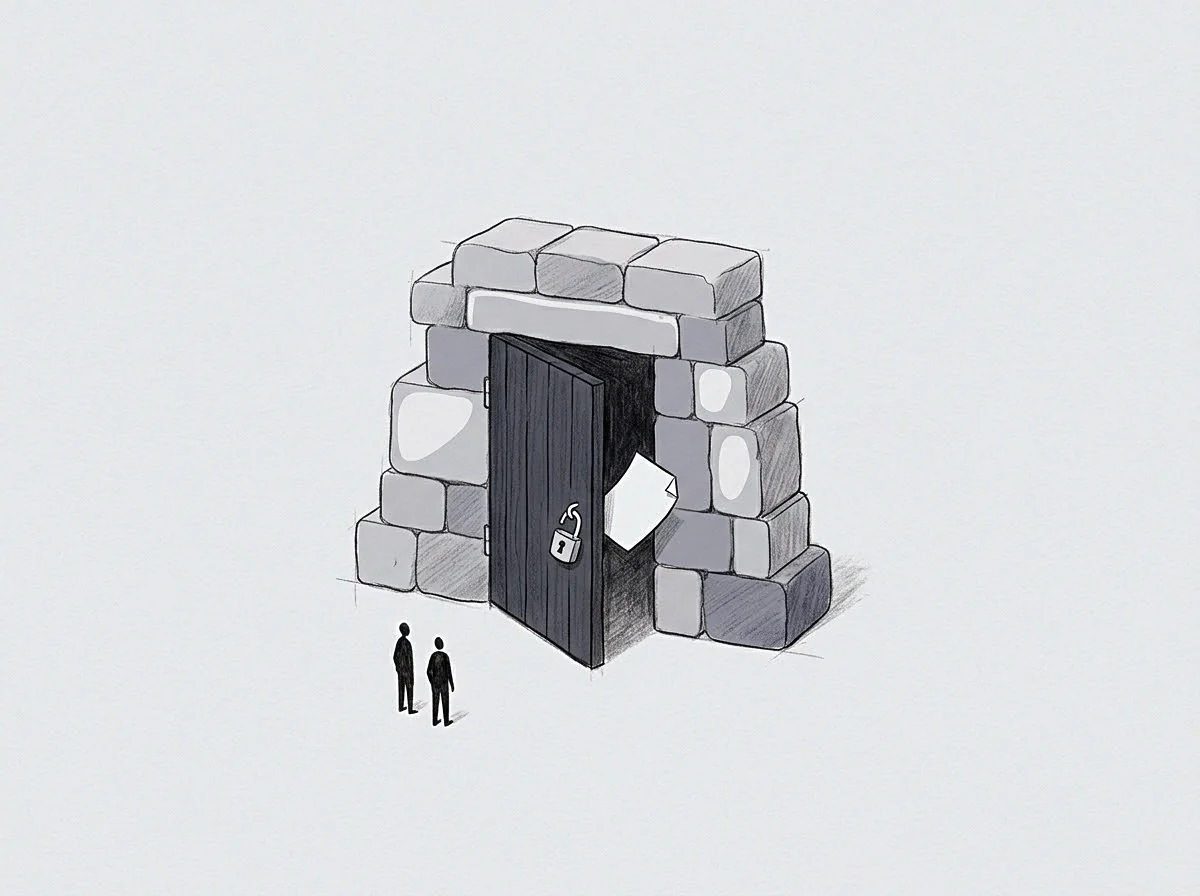
Physiological and regulatory erosion occurs when the prolonged output required by a high-stakes environment exceeds the rate at which an individual can replenish their internal resources. Systemic depletion describes a state where the biological cost of maintaining performance levels permanently degrades the base capacity for future executive function. This condition originates from a lack of recovery intervals sufficient to return cognitive and physical systems to their baseline homeostasis.
Operating Velocity
The mechanism behind this decline functions through continuous neural activation without periods of low-demand maintenance. Founders maintain high throughput by borrowing against their long-term regulatory reserves. When this debt remains unserviced, the body begins to limit the availability of neurotransmitters and metabolic energy to protect its core functions.
Capacity Decay
Sustained operation at this limit forces a narrowing of the focus window, where decision-making shifts from proactive strategy to reactive problem solving. Systemic depletion narrows the range of available responses until an individual relies solely on pre-learned habits and impulsive actions.
Regulation Threshold
Restoration depends on the total interruption of demand signals for a period proportional to the preceding output duration. Full recovery from systemic depletion necessitates structural changes to the workload rather than simple temporary rest.