Meaning
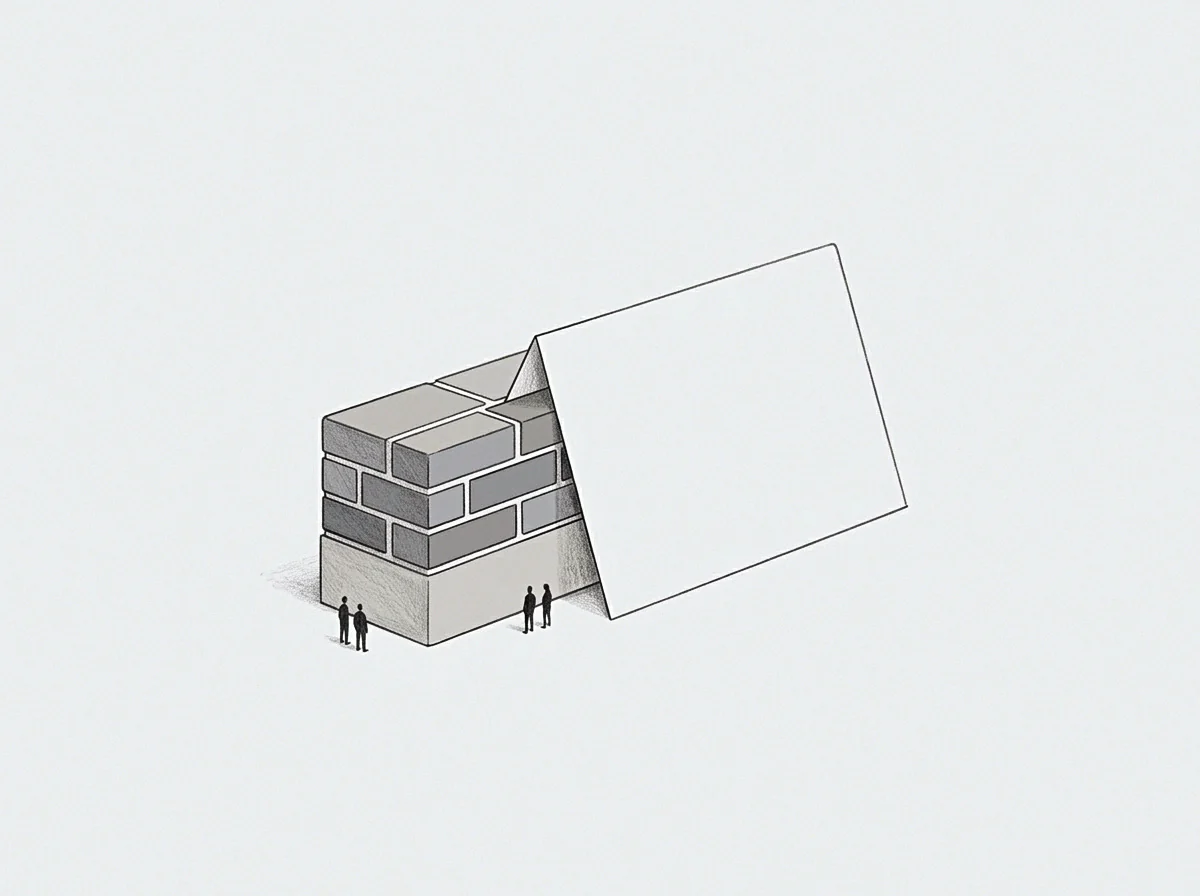
Maximum rate at which an individual or a system can process a given workload is reached, meaning that any additional input only increases the backlog. Throughput saturation occurs when the capacity to do work is fully consumed by the tasks already in progress. For a founder, this state is marked by an inability to take on new projects or to respond quickly to new information.
It is a structural limit that indicates the need for more resources or a better way of working.
Backlog Accumulation
Once saturation is reached, every new request is added to a growing pile of unfinished work. This backlog creates a sense of constant pressure and makes it difficult to focus on the task at hand. The time spent managing the list of things to do can eventually become a large portion of the total workday.
This is a clear sign that the system is no longer operating at its optimal level.
Quality Decline
As a person pushes to maintain output in a saturated state, the quality of their work inevitably begins to drop. Mistakes are made, details are missed, and the ability to think strategically is lost. This decline is a result of the brain being forced to process too much information in too little time.
It is a high cost in both reputation and personal energy.
Resolution Strategy
To move out of a state of saturation, the founder must either reduce the incoming load or increase the capacity of the system. This might involve hiring more people, delegating more authority, or simply saying no to new demands. The goal is to return to a level of activity where there is once again some slack in the system.
This buffer is necessary for the long-term health and creativity of the leadership.