Meaning
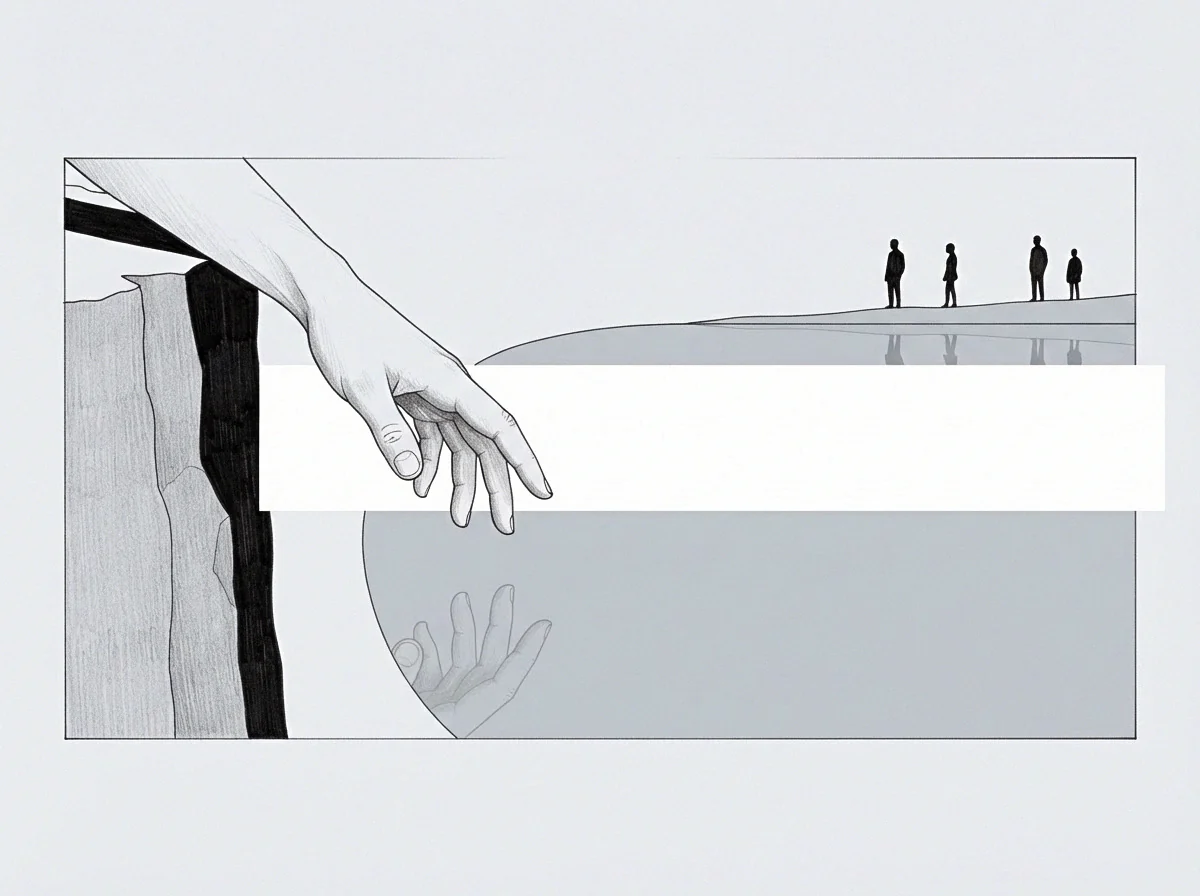
Structural organizational configurations that leave an executive entirely exposed to external operational pressure without protective administrative or relational buffers create severe leadership vulnerability. The state of unbuffered isolation occurs when a post-founding leader lacks peer support networks or governance shielding while facing direct stakeholder demands. Under these conditions, every external shock hits the leader directly without institutional attenuation or cognitive filtering.
This condition accelerates cognitive fatigue and increases vulnerability to systemic burnout.
Structural Exposure
Operational solitude develops when organizational redesign removes intermediate management buffers. Experiencing unbuffered isolation, a leader must personally process legal disputes and board challenges without filtering mechanisms. This direct friction forces constant reactive decision making, leaving no temporal buffer for deep reflection or strategic planning.
Psychological Friction
Solitary decision making without co-regulatory peer support inflates perceived threat levels. Without external validation or shared perspective, unbuffered isolation amplifies catastrophic thinking and decision paralysis during operational uncertainty. The cognitive load required to maintain composure without external grounding exhausts executive energy reserves at an unsustainable rate.
Exhaustion Boundary
Prolonged exposure to unshielded operational friction leads to acute executive failure. When isolation persists beyond cognitive recovery limits, strategic capacity breaks down entirely, resulting in sudden disengagement or systemic operational errors.