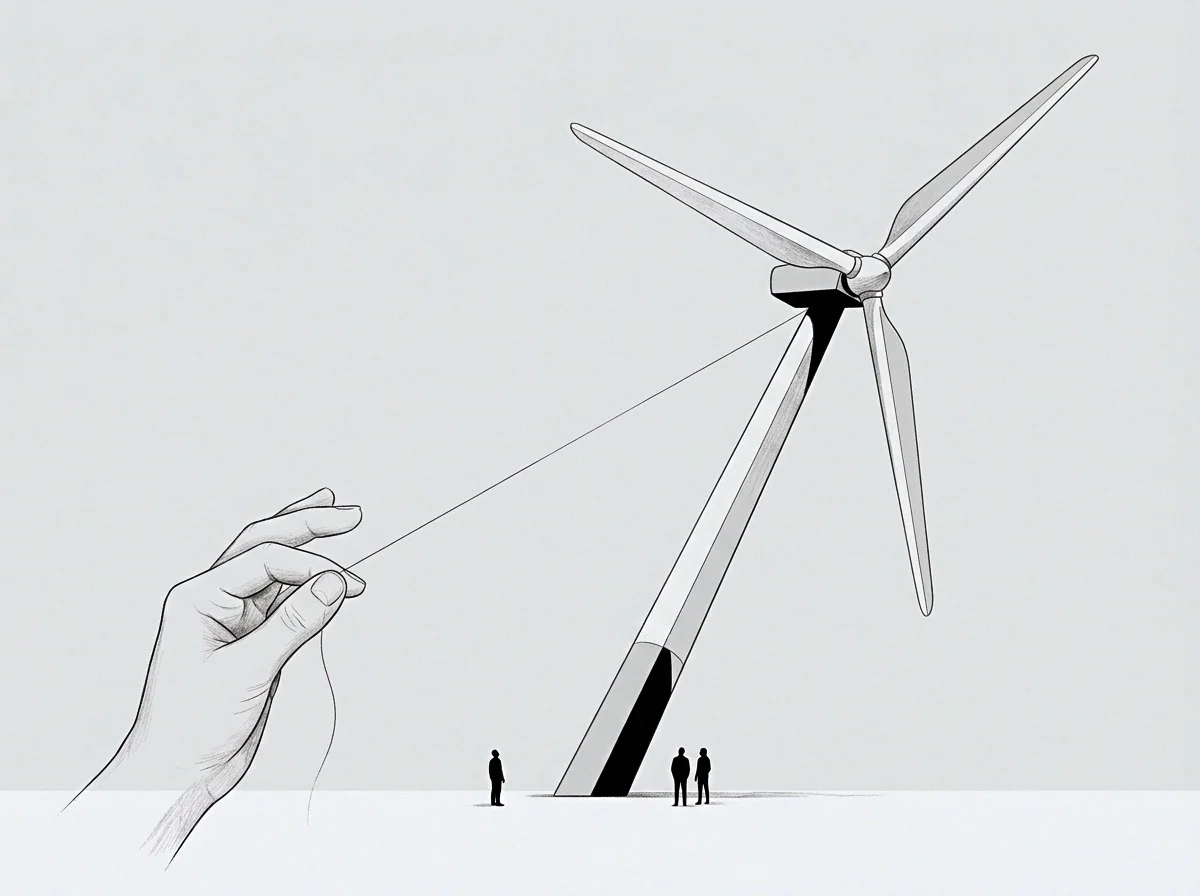
Meaning
The rapid disengagement of myelinated parasympathetic fibers from cardiac pacemaker tissues permits heart rate acceleration without requiring direct sympathetic nervous stimulation. Within the biological reality after founding, vagal brake withdrawal acts as the first-line physiological response to ambient operational friction, elevating metabolic mobilization during investor friction or organizational conflict. The process reverses when environmental cues of social and operational safety allow the vagal nerve to reassert inhibitory control over cardiac tempo.
Physiological Kinetics
Cardiac deceleration relies on continuous inhibitory signals transmitted through the 10th cranial nerve. Initiating vagal brake withdrawal instantly raises the pulse by removing this neurochemical braking mechanism, preparing the founder for swift communicative or intellectual engagement. This mechanism acts much faster than sympathetic hormonal pathways.
Vasomotor tone tightens, and focus narrows onto immediate stressors. Removing this internal dampener shifts the individual from social engagement into focused mobilization in fractions of a second.
Allostatic Friction
Frequent or uninterrupted disengagement of cardiac brakes extracts a steep metabolic toll on the central nervous system. When vagal brake withdrawal becomes the default response to daily emails, board interactions, and operational variance, cardiovascular variability shrinks to brittle minimums. Chronically elevated heart rates waste metabolic fuel, creating systemic fatigue and reducing working memory headroom.
Social interactions turn tense as facial expressivity stiffens under missing vagal control. The individual operates in an exhausting state of perpetual near-mobilization.
Somatic Restoration
Re-engaging cardiac braking mechanisms requires deliberate physiological slowing coupled with low-threat environmental conditions. Recovering from vagal brake withdrawal involves prolonged breathing cycles with extended exhalations that mechanically stimulate the vagus nerve. Direct contact with steady peers sends powerful safety cues that reset autonomic balance.
Cardiac tempo settles back down toward baseline as vagal braking resumes control over the heart. True physical restoration requires intentionally reinstating this braking system throughout ordinary operational hours.