
Autonomic Co-Regulation Principles in High Stress Situations
Autonomic co-regulation distributes metabolic threat processing across proximate human nervous systems to preserve executive function under acute operational stress.
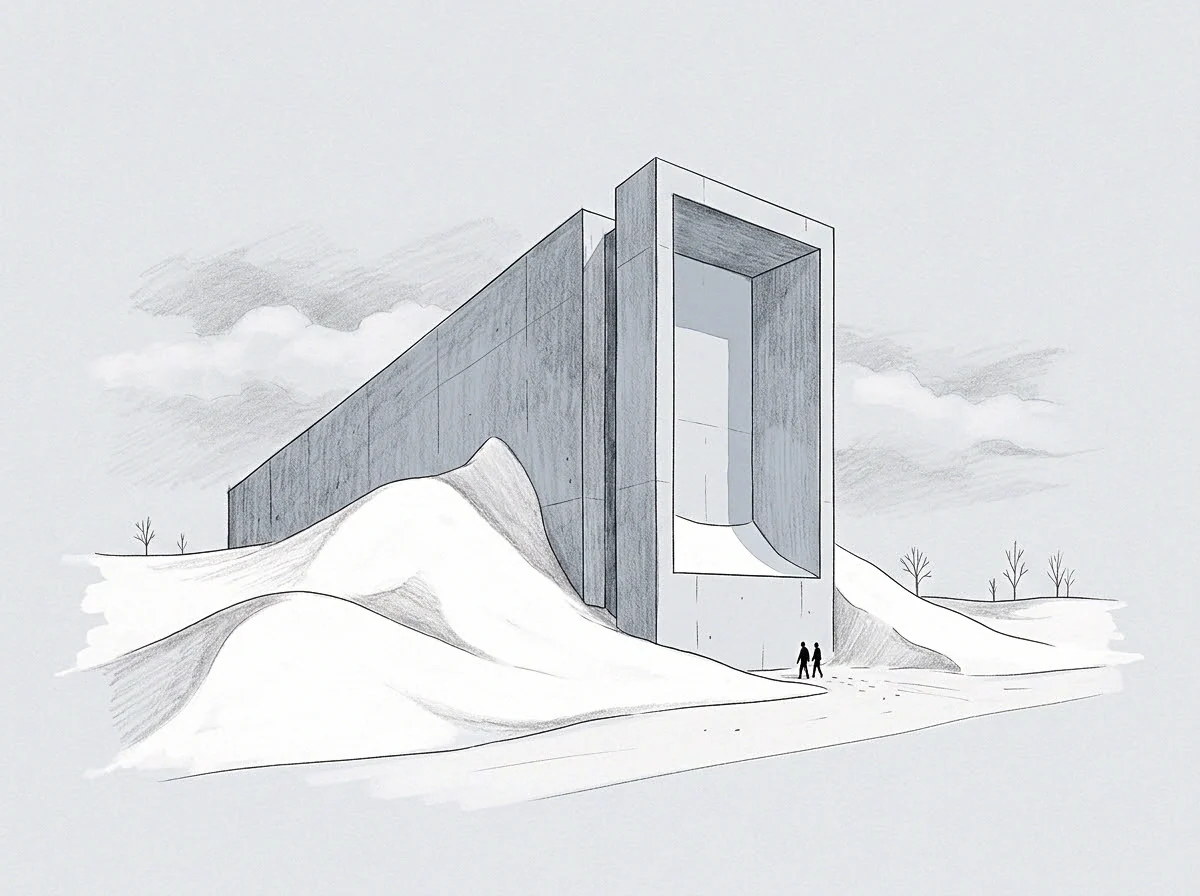
Floor
Midnight calls during a liquidity freeze expose an unspoken physical reality inside high-pressure operating teams. Four executive terminals display collapsing contract terms, while the vocal cords of the managing director tighten, shifting three octaves higher within five minutes. Laboratory assays of autonomic tone demonstrate that an isolated human nervous system processes ambient operational hazard as an immediate caloric emergency.
When an unalarmed colleague sits beside the panicked operator, bilateral sympathetic arousal falls by forty percent without a single strategy being revised. Social baseline theory establishes that the mammalian nervous system treats solitary crisis management as an expensive biological deviation. Proximity to a stable human presence restores basal metabolic resource allocation, muting unnecessary hypothalamic-pituitary-adrenal axis discharge through the prefrontal cortex.
A threatened operator in proximity to a steady peer expends fewer metabolic units defending physiological baseline than an isolated peer confronting the identical operational shock.
The nervous system pays first. Cortisol spikes degrade working memory, truncate peripheral perception, and prompt hasty defensive postures at the negotiation table. An uncalibrated leader attempts self-regulation through deliberate suppression of somatic signals, burning glucose to maintain a rigid facial posture that subordinates read as brittle evasion.
The body reads silence plainly. When autonomic synchrony occurs, the unalarmed partner serves as an external biological brake, allowing the alarmed operator to access prefrontal executive circuitry without paying the steep energetic tax of internal suppression.
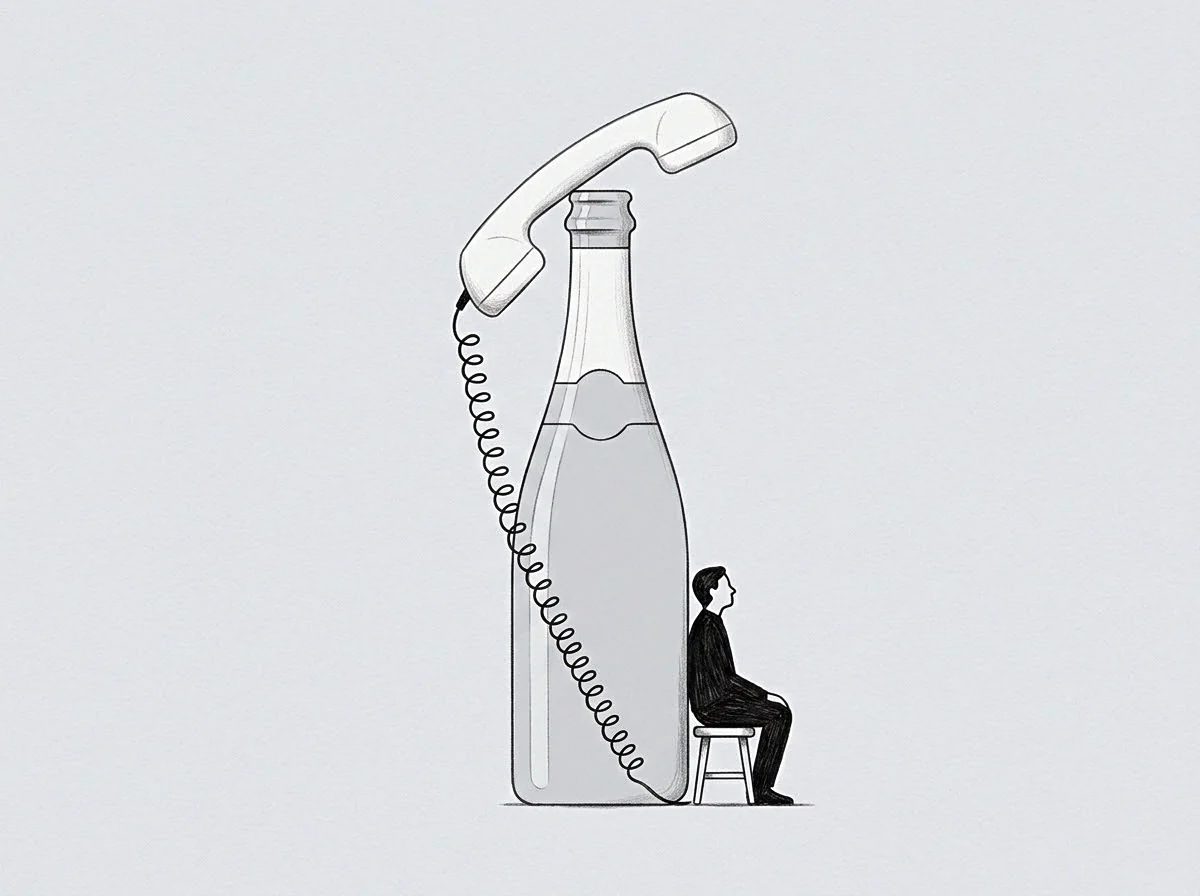
Somatic Resource Accounting Under Direct Threat
Biological resources remain strictly finite throughout an acute corporate confrontation. The heart rate variability of two operators seated across an emergency desk begins to align within twenty minutes of uninterrupted contact, provided one participant maintains consistent vagal nerve engagement. This respiratory sinus arrhythmia transmission occurs outside conscious awareness.
Unconscious peripheral micro-cues inform the brain that defensive isolation has ended. Unshared load exhausts vagal reserve. The nervous system measures stability by the steadiness of the physical environment, beginning with the chest wall motion and vocal timbre of whoever holds the center of the room.
Calmness registers as surplus capacity. When a founder projects genuine somatic equilibrium, peers lean into that steadiness to reduce their own internal turmoil. That transfer remains purely biological, drawing down the physiological reserves of the calm individual while relieving the immediate panic of the group.
Under acute threat, the nervous system that yields stability first sets the metabolic pace for the entire room.
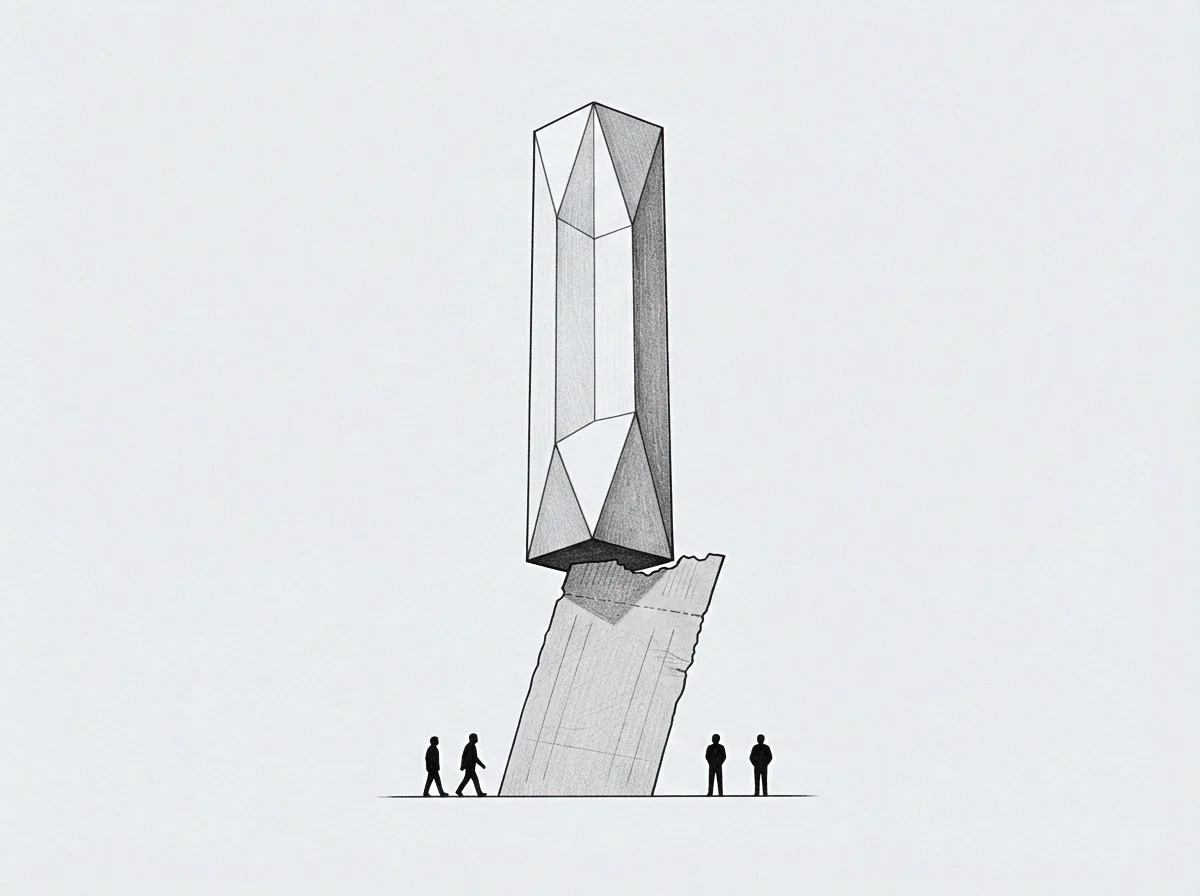
Current
Physical communication between stressed human bodies relies on rapid acoustic and visual feedback loops rather than corporate rhetoric. Subconscious neuroception processes vocal pitch, facial micro-movements, and posture long before verbal arguments reach the temporal lobes. If an operator issues reassuring strategic updates while displaying dilated pupils, shallow upper-chest breathing, and vocal tremor, the room registers the autonomic panic rather than the written words.
True physiological regulation travels along unscripted somatic paths.

How Do Partners Exchange Basal Signaling Under Load?
Transmission of autonomic stability across high-pressure environments operates through specific biological channels:
- Vocal prosody modulation conveys parasympathetic ventral vagal dominance through low, modulated pitch and unhurried cadence, directly prompting down-regulation within listening nervous systems.
- Respiratory sinus arrhythmia entrainment stabilizes ambient panic as steady, rhythmic exhalations signal biological safety to adjacent observers without requiring verbal articulation.
- Visual gaze stabilization dampens sympathetic hyperarousal across the table by replacing darting predatory vigilance with relaxed, bilateral eye contact during technical post-mortems.
- Postural deceleration prevents the rapid somatic contagion of panic by anchoring spinal alignment firmly into physical furniture, demonstrating grounded bodily safety.
Tone carries the baseline command. When verbal directives contradict autonomic signaling, the autonomic signal wins every single time. An operating room filled with dysregulated leaders quickly descends into defensive posturing, siloed documentation, and paralysis.
Biological attunement across peers prevents this operational stall by supplying the neurochemical safety required to parse complex, ambiguous data under acute pressure.
Vocal acoustic frequencies above three kilohertz trigger immediate sympathetic vigilance in mammalian listeners regardless of strategic message content.
Steady breathing slows ambient acceleration. The operator absorbs the shock. When partners fail to establish autonomic congruence during an acute operational emergency, mutual threat reactivity compounds, forcing team members into self-protective cognitive narrowing that reliably produces catastrophic miscalculations.
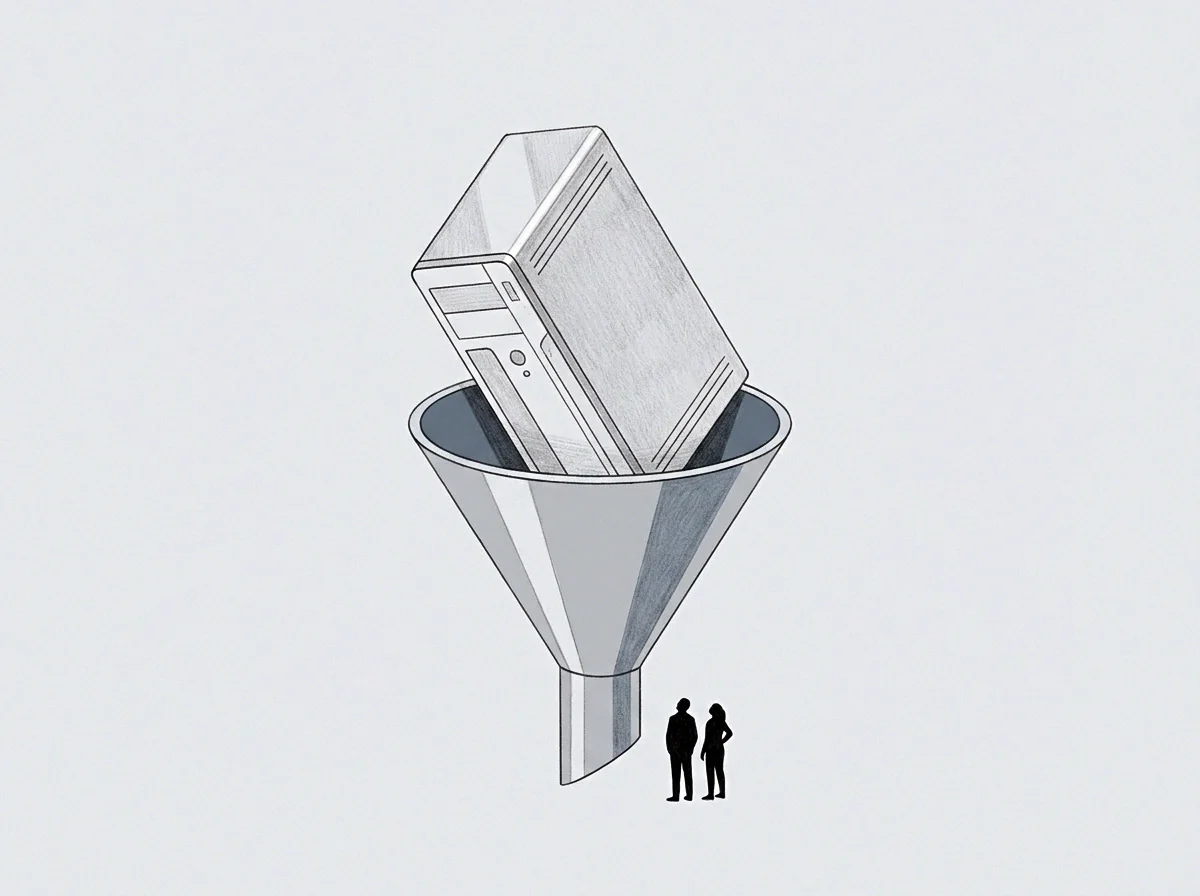
Plank
Prolonged operational crises test whether a leadership pairing shares autonomic burden or simply offloads panic onto a single shock absorber. Co-regulation demands bidirectional somatic exchange, where both bodies alternately supply and draw stability as conditions shift. Unilateral buffering develops when one founder provides uninterrupted parasympathetic composure while partners, investors, and direct reports dump untreated sympathetic distress into every interaction.
This asymmetry creates deep physiological exhaustion for the unilateral buffer.
| Evaluation Variable | Bidirectional Co-Regulation | Unilateral Somatic Buffering |
|---|---|---|
| Vagal Reserve Depletion | Distributed evenly across leadership pair | Concentrated entirely on the unilateral buffer |
| Information Processing Fidelity | Maintained through distributed executive load | Degraded as buffer reaches sympathetic saturation |
| Allostatic Wear Rate | Bounded by shared physiological rest intervals | Accelerated, leading to abrupt neuroendocrine collapse |
| Team Escalation Threshold | High, cushioned by resilient collective baseline | Fragile, collapsing immediately if buffer falters |

The Hidden Cost of Unilateral Buffering
Consider an operating pair navigating an emergency debt restructuring over ninety days. Assume the technical partner carries all analytical modeling while the operating partner absorbs board panic, banking hostility, and employee flight risks without an internal outlet. The technical partner remains focused because the operating partner absorbs ambient chaos.
The room absorbs the deceleration. The operating partner suppresses private autonomic panic to maintain an unshakeable exterior for the syndicate.
Nobody names the exchange. The operating partner pays for the technical partner’s uninterrupted focus with progressive vagal withdrawal, nocturnal tachycardia, and severe executive exhaustion. The organization views the operating partner as invulnerable, directing higher volumes of operational friction toward that single desk.
Physical presence anchors operational headroom. When the buffer eventually collapses from autonomic saturation, the entire executive infrastructure shatters simultaneously.
A nervous system celebrated for limitless endurance attracts escalating systemic panic until physiological exhaustion terminates the arrangement.
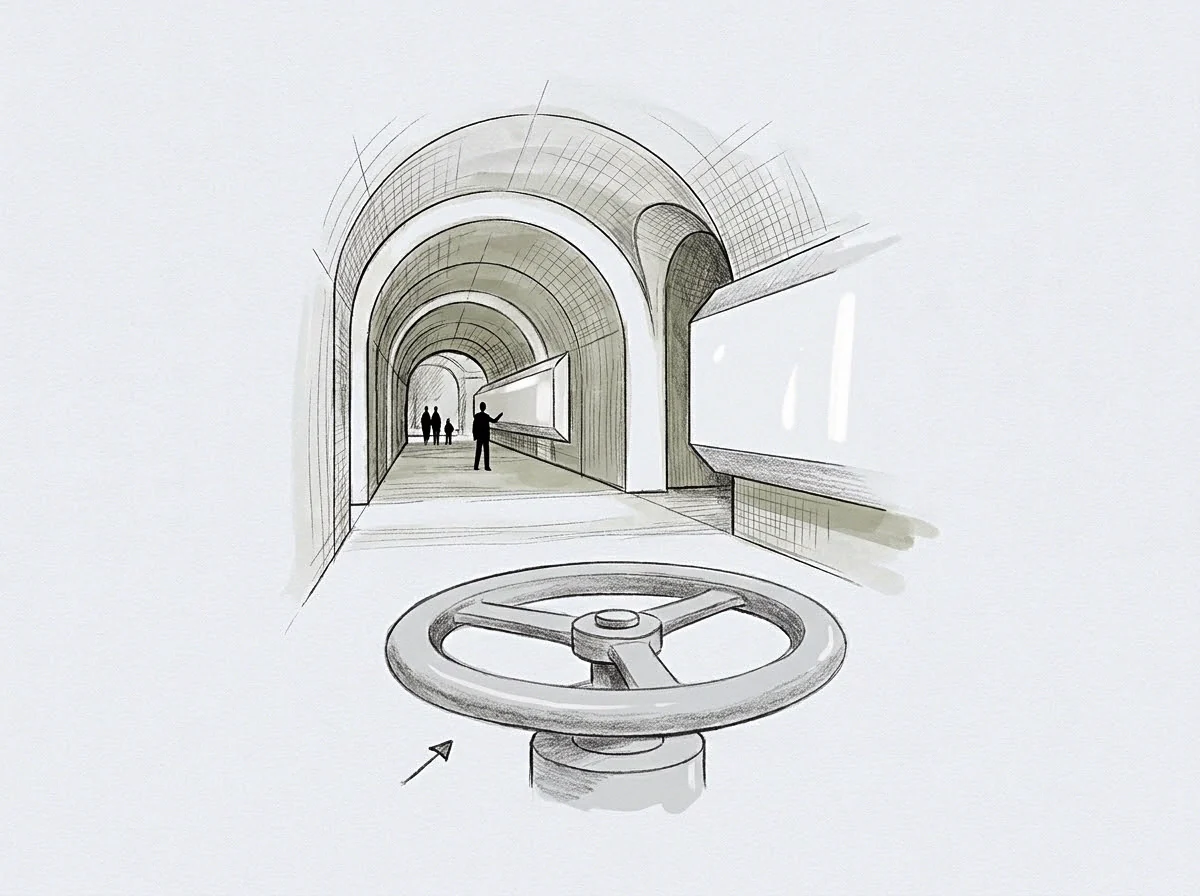
Everything feels under control right up until the moment someone stops answering the phone.
Grip
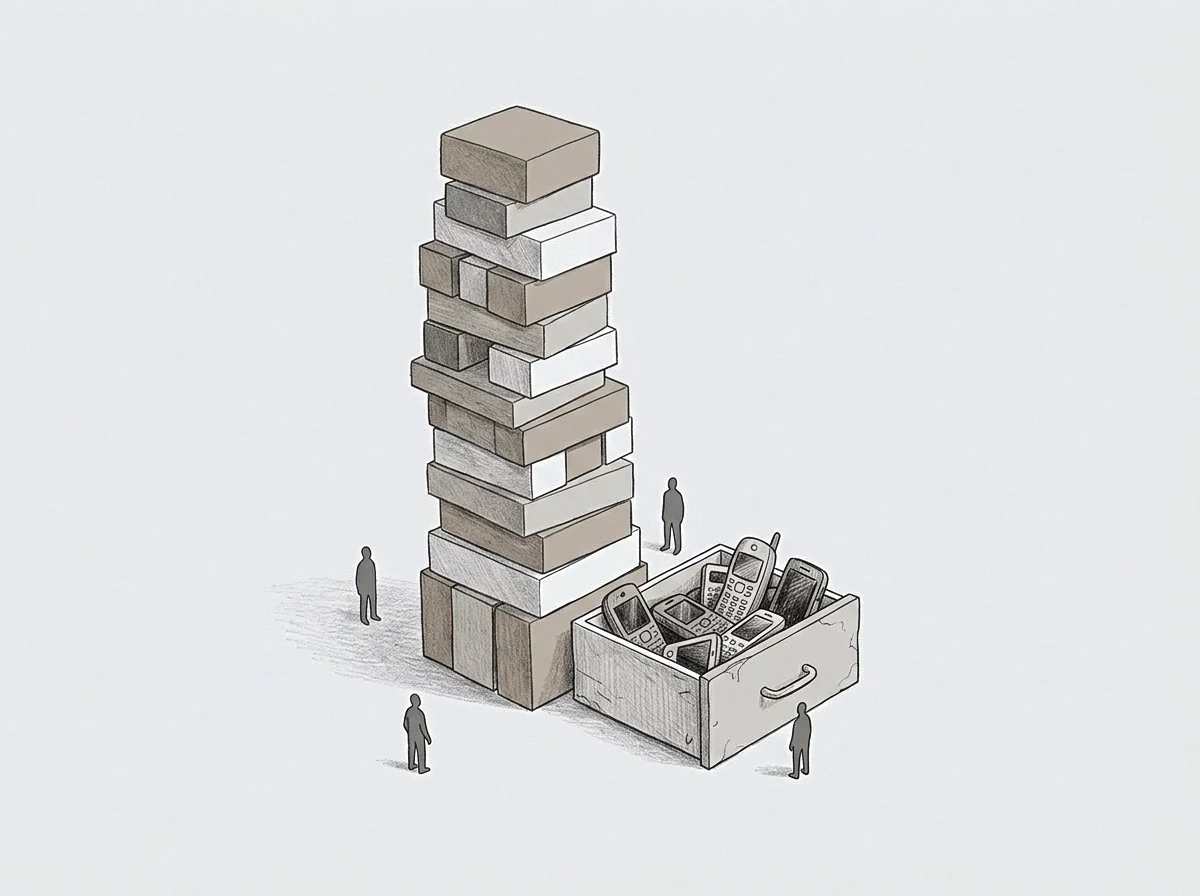
Early relational conditioning often constructs an inverted regulatory architecture inside seasoned high-stress operators. During formative development, certain individuals learn that personal distress destabilizes caregivers, while adult composure secures safety and relational proximity. These people internalize a model of themselves as the sole provider of calm, operating without an internal receptor slot to receive autonomic comfort from others.
They enter corporate leadership uniquely equipped to calm panicking teams while remaining completely incapable of borrowing regulation when their own limits arrive.
Someone pays for every hour. For this operator, regulating others and regulating the self are the identical mechanical action. Receiving calm from a peer registers somatically as unacceptable exposure or incompetence.
The silent partner absorbs panic. When a well-meaning colleague offers physical presence or tactical relief during an enterprise crisis, the inverted regulator experiences that gesture as an added cognitive burden rather than physiological support.
Distinctions in Inverted Regulatory Templates
The structural characteristics of an inverted regulatory pattern dictate specific behavioral compromises under enterprise pressure:
- Compulsive equilibrium maintenance drives the operator to neutralize panic in others while systematically ignoring rising internal cardiac and endocrine alarms.
- Receptive sensory blockade creates a somatic anomaly where genuine peer support triggers sympathetic vigilance rather than expected parasympathetic down-regulation.
- Attunement to ambient panic forces constant outward scanning for early structural friction, prioritizing external stability over private physical preservation.
A stating of explicit limits alters this dynamic immediately by introducing structured operational boundaries that protect the operator from unilateral allostatic accumulation.
Anchor
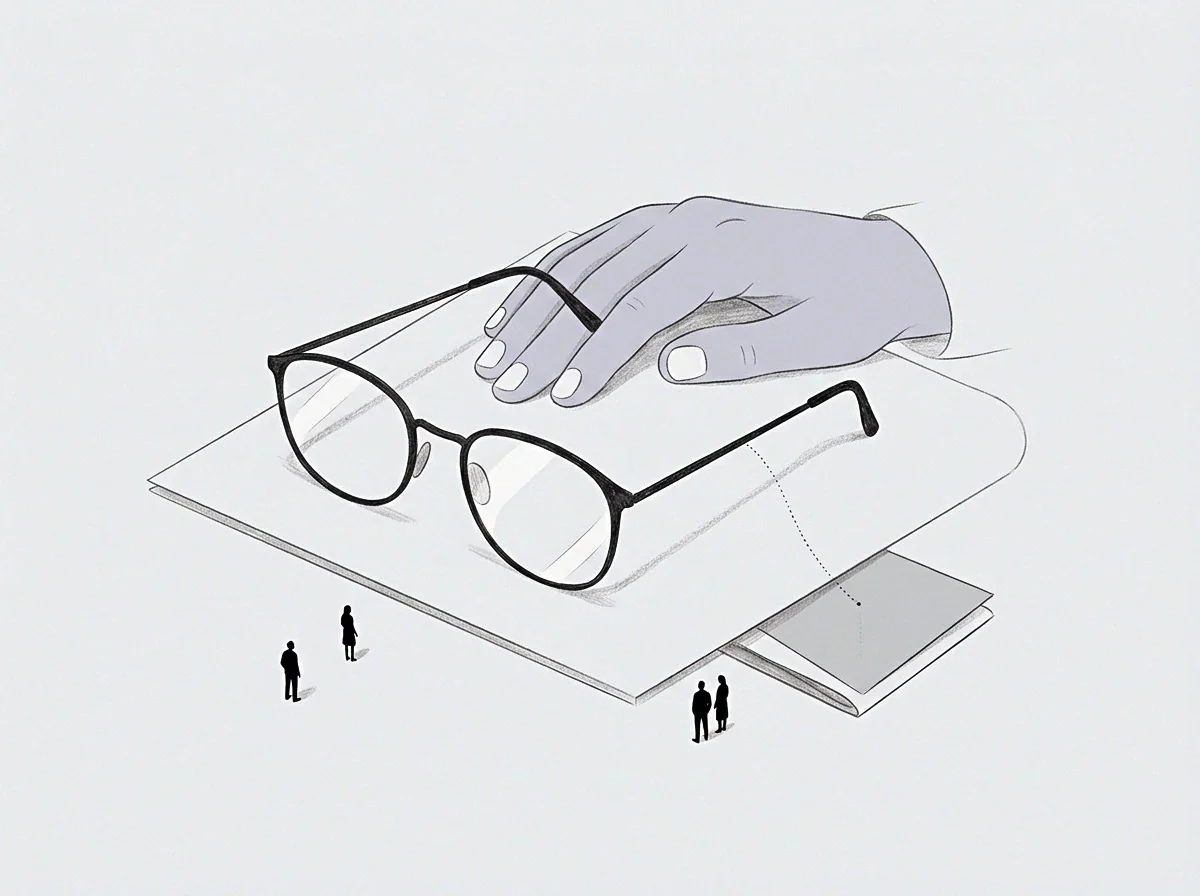
Cognitive insight into early conditioning never repairs an inverted regulatory template. Intellectual awareness names the pattern while the autonomic nervous system continues firing habitual survival circuits under load. The mammalian brain rewires regulatory budgets through repeated visceral disconfirmation in real time.
Earned security develops when a hyper-vigilant operator experiences repeated operational crises alongside a partner who remains steady, demands no emotional buffering, and holds physical presence without retreating.
True security arrives through repetition. This physiological update demands tangible, repeated somatic exposure across multiple enterprise cycles. When severe financial or operational volatility arrives, the operator must deliberately resist reflexively stabilizing the room, allowing a dependable peer to hold the somatic floor instead.
Each cycle where unbuffered reality fails to produce relational abandonment or operational destruction loosens the grip of the original defensive template.
Building the Receptor Slot Through Shared Friction
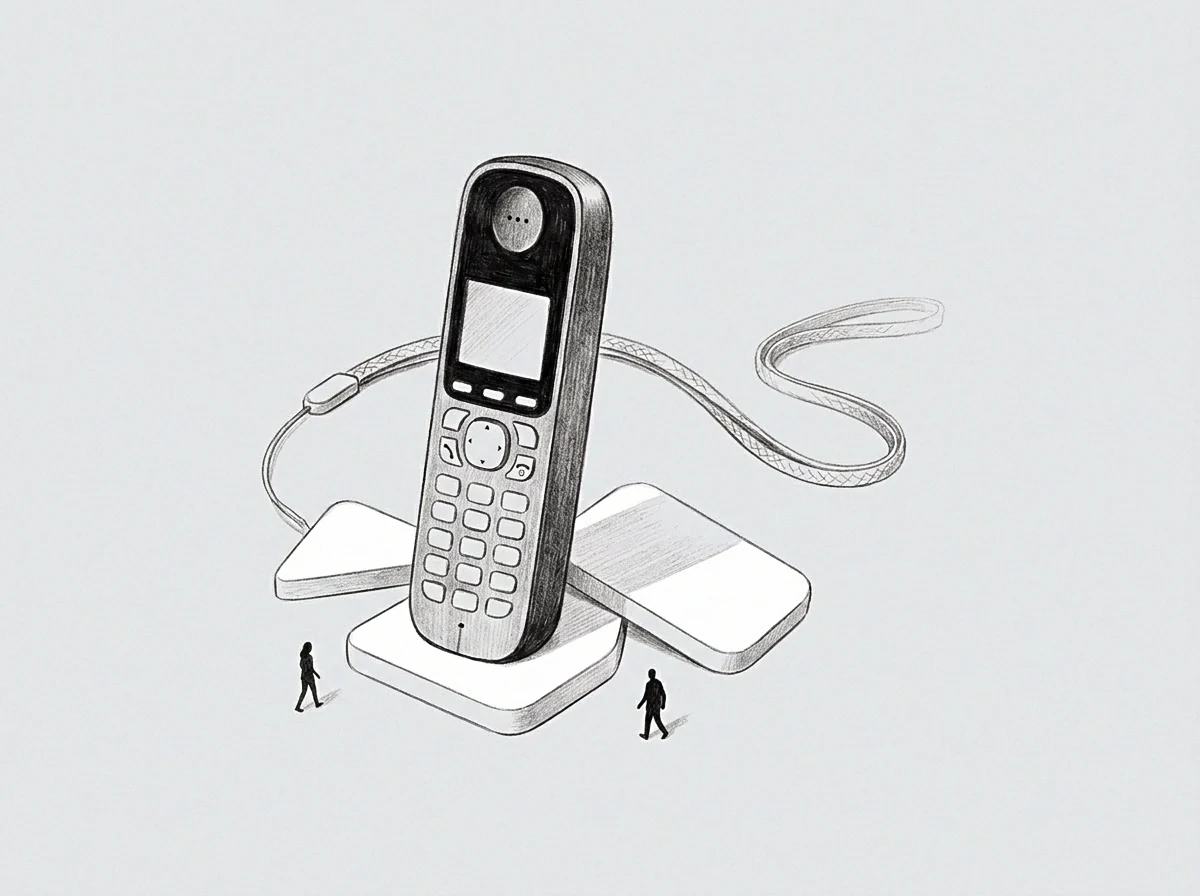
The process of constructing an internal receptor slot requires experiencing operational stress without immediately stepping forward to absorb it. A founder accustomed to total autonomic self-reliance discovers that letting a capable peer manage a hostile investor call creates brief acute anxiety followed by deep, parasympathetic relief. The somatic system learns that stability can be borrowed safely from another human body.
Over three fiscal quarters of deliberate co-regulation, the underlying neuroendocrine baseline resets. Resting heart rate during crisis windows drops, recovery times following major shocks shorten, and the compulsive impulse to rescue panicking partners recedes. The operator transitions from an isolated biological shock absorber to a connected participant in a resilient, distributed human regulatory system.
Whether an operator conditioned by decades of solitary vigilance can truly accept deep biological support while holding ultimate legal and capital responsibility remains an open tension across modern high-stakes leadership.