

Physiological Regulation Budgets In High Load Founder Teams
Solitary threat monitoring burns prefrontal glycogen, whereas shared baseline presence lowers metabolic cost through automatic autonomic co-regulation.
Solitary threat monitoring burns prefrontal glycogen, whereas shared baseline presence lowers metabolic cost through automatic autonomic co-regulation.

Chronic operational stress down-regulates relational safety receptors, but structured non-demanding co-regulation systematically restores earned security.
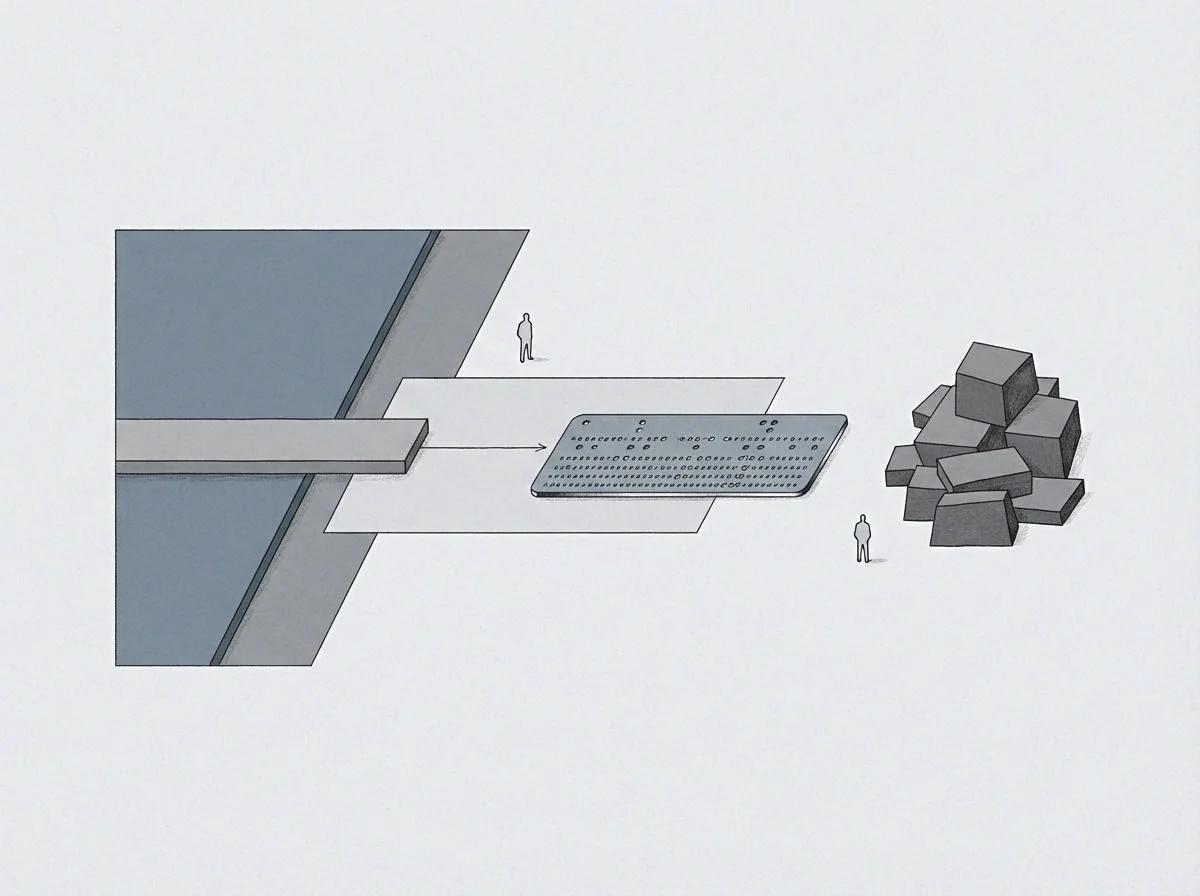
Myelinated ventral vagal fibers slow cardiac rhythm when physical co-presence carries zero evaluative or communicative demand, lowering metabolic regulation costs.

Autonomic coregulation in executive teams relies on vagal safety signaling, where continuous physiological overload triggers systemic autonomic throttling.

Sustained pressure elevates allostatic load, triggering subcortical threat circuits that deactivate prefrontal regions storing cognitive attachment knowledge.
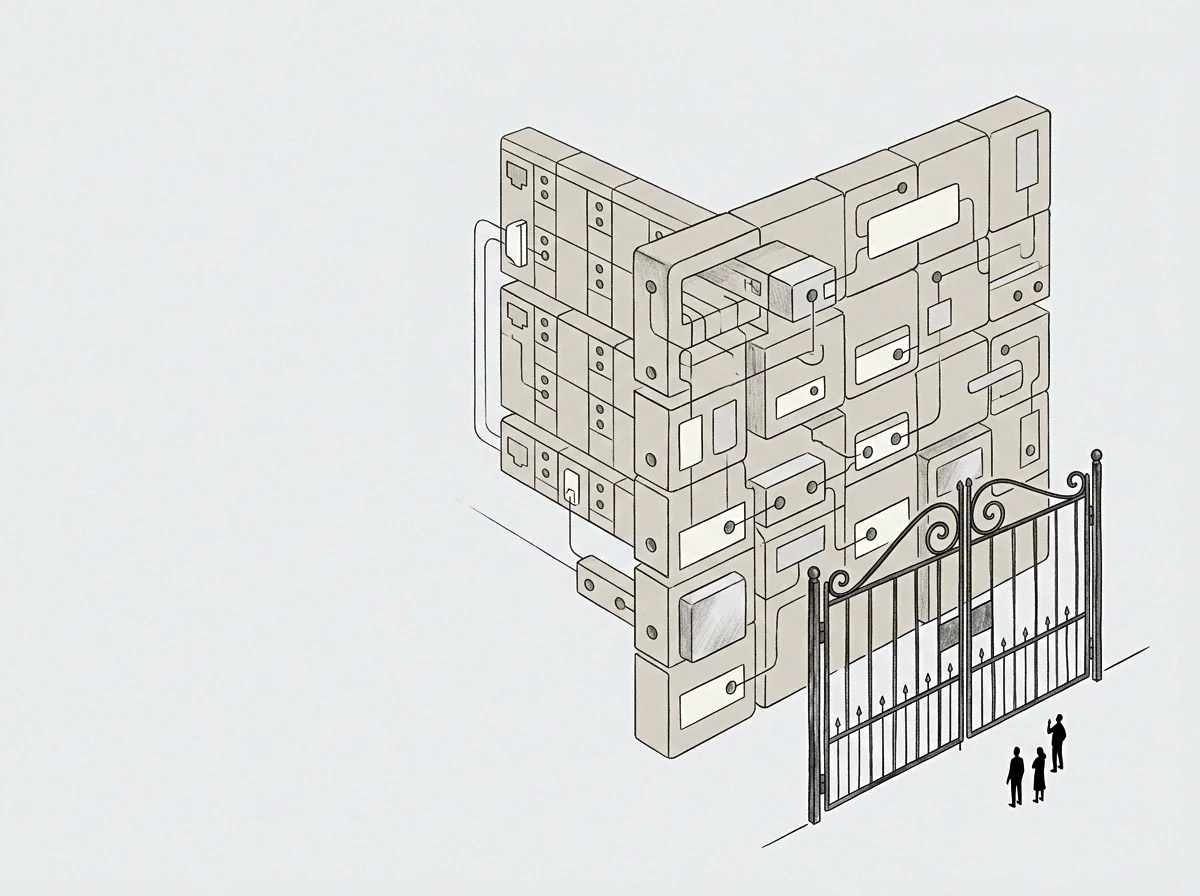
Physical proximity to a regulated partner lowers baseline autonomic threat expenditure by allowing the central nervous system to outsource environmental monitoring.

Autonomic threat detection operates milliseconds faster than cortical insight, requiring repeated visceral co-regulation under pressure to rewire somatic function.

Re-entering relational proximity after solitary load triggers sudden parasympathetic withdrawal, forcing expensive metabolic expenditure to fuel unneeded vigilance.

The human brain budgets threat and regulation assuming a reliable other is present, making solitary self-regulation the body's most expensive metabolic mode.
The terms are written where they belong. Each field holds three desks, and every entry a desk writes raises the terms it uses, each term given a meaning, a mechanism and the places it appears. The record on these pages stays first person and hand made; the fields grow the nomenclature.