
Autonomic Nervous System Strain In Unsupported Single Operator Business Structures
Solitary commercial operations force the human nervous system to bear threat monitoring costs alone without the autonomic buffering of co-regulation.
Wire
Four unread notifications sit active on the screen while the room grows dark. The single operator sits before the monitor at eleven night, staring at a sudden client request regarding project scope alongside an unpaid invoice notice. The resting heart rate stays at eighty-eight beats per minute despite three hours of physical inactivity.
No partner sits in the adjacent chair to evaluate the incoming messaging or absorb the immediate strategic uncertainty. The phone chimes again. The body bears the cost.
In a single operator enterprise, the autonomic nervous system operates under conditions that human evolutionary biology never anticipated. The human brain treats commercial isolation as physical risk. When an individual handles client acquisition, service delivery, cash flow management, and technical troubleshooting without a peer, the central nervous system maintains continuous sympathetic activation.
Sympathetic tone elevates to keep the body prepared for unpredictable operational hazards that cannot be delegated or diffused.
Vagal withdrawal occurs when the ventral vagal complex reduces its dampening effect on the sinoatrial node. This physiological state reduces cardiac vagal tone, limiting autonomic flexibility and keeping respiratory sinus arrhythmia low. Under baseline conditions with a present co-regulator, social engagement systems signal safety, allowing cardiac output to drop and smooth muscle recovery to proceed.
In a solitary structure, the brain registers the absence of protective conspecifics as an open environmental threat vector. The pulse remains elevated.
Longitudinal measurements of cardiovascular activity in sole business owners demonstrate higher evening cortisol levels and elevated nocturnal blood pressure compared to peers in shared equity partnerships. The single owner acts as the sole neural engine for the entire corporate entity. Every financial liability, operational delay, and interpersonal friction hits the individual nervous system without a secondary structural buffer to dissipate the impact.
Sustained solitary threat monitoring forces the autonomic nervous system to maintain chronic sympathetic elevation at the expense of tissue restoration.
Consider a typical arrangement where an independent technical consultant operates a sole proprietorship generating two hundred thousand dollars in annual gross revenue. The consultant holds eight active client contracts simultaneously. Assume three clients submit high-priority alteration requests within the same two-hour window on a Friday evening.
Without an operational partner or senior colleague to triage incoming demands, the consultant experiences an immediate surge in circulating catecholamines. The body interprets the convergence of demands as an existential threat to survival because contract termination directly threatens food and shelter security without an intermediary capital buffer. The baseline shifts.
The situation leaves open whether the physiological baseline can ever fully restabilize while the individual remains the sole financial underwriter of their daily existence.
Tariff
The human brain calculates environmental hazard relative to the physical proximity of supportive conspecifics. Social baseline theory establishes that human physiology defaults to expecting shared load distribution across a social group. When the brain detects that an individual is operating in complete isolation, it treats self-regulation as the expensive backup mode, raising the predicted energy expenditure for every daily task.
Proximity to a trusted peer lowers the metabolic expense of environmental scanning. In a solitary business structure, this social baseline is absent. The operator must fund every cognitive and emotional baseline requirement out of personal autonomic reserves.
The brain charges a continuous metabolic tax for maintaining constant vigilance over operational continuity.
Autonomic Cost Categories In Solitary Operations
The absence of co-regulation manifests across three distinct operational domains within a single-operator enterprise:
- Unbuffered Threat Processing occurs when operational failures reach the individual brain without preliminary filtering by an operational layer, causing immediate sympathetic spikes.
- Continuous Vigilance Expense represents the persistent metabolic draw required to monitor client communications, financial balances, and project deadlines without scheduled shift coverage.
- Solitary Recovery Latency describes the extended time window needed for autonomic down-regulation after acute stress incidents when no calm conspecific is present to facilitate parasympathetic rebound.
Co-regulation acts as an external autonomic damper. When two partners sit in the same room discussing a critical client dispute, one partner’s steady respiratory pattern and non-defensive posture lower the cardiac reactivity of the second partner. This autonomic synchronization occurs below conscious awareness through facial expression, vocal tone, and posture.
The presence of a calm peer lowers cardiac acceleration and preserves cognitive processing bandwidth.
In contrast, the unsupported solo operator faces operational friction without borrowed autonomic regulation. When a client cancels a key contract, the single owner processes the shock entirely through internal cognitive reappraisal. Cognitive reappraisal requires significant prefrontal cortex exertion, consuming glucose and accelerating mental fatigue.
The debt accrues.
Proximity to a regulated peer reduces the neural energy required to process commercial risk.
The rule of thumb holds that autonomic strain scales exponentially with the number of unshared operational domains rather than linearly with revenue volume.
Switch
Digital communication channels create an uninterrupted stream of low-grade operational demands across all working hours. Every incoming message, email notification, or payment alert triggers a transient micro-sympathetic response. The operator’s brain treats each chime as a potential operational emergency requiring immediate attention to preserve client relationships.
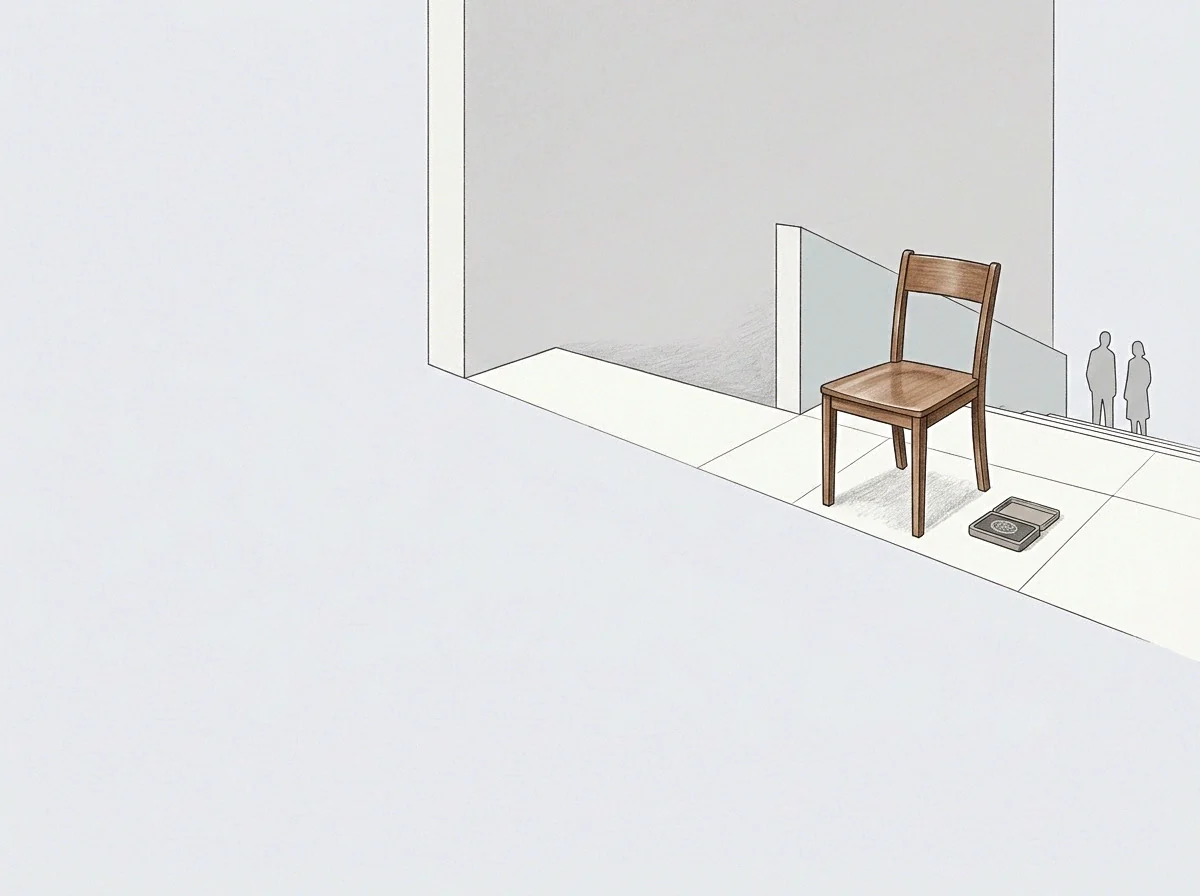
How Does Continuous Availability Convert Operational Pings Into Autonomic Load?
The mechanism relies on unpredictable reinforcement schedules coupled with perceived operational precarity. When an independent operator leaves notification channels open across evenings and weekends, the nervous system remains in a state of hyper-arousal. The brain cannot enter deep parasympathetic restoration because the next notification might demand immediate intervention.
The phone chimes.
Cognitive switching carries a heavy physiological penalty. Moving between deep creative work, client communication, and administrative tasks forces the prefrontal cortex to repeatedly reconstruct mental models. Each context transition consumes metabolic resources, leaving less capacity for emotional regulation and executive control as the workday progresses.
Assume an operator receives forty-five digital notifications between five in the afternoon and ten at night. Each ping causes a momentary spike in heart rate and a temporary cessation of stomach motility. Even when the message requires no action, the nervous system has already deployed physiological resources to handle a potential threat.
By midnight, the operator has sustained forty-five distinct micro-stress cycles without entering a completed recovery phase. Metabolic tax accumulates.
Over months of continuous operation, this state leads to allostatic load accumulation. The physiological baseline shifts from healthy autonomic variability to fixed sympathetic dominance. The operator develops resting tachycardia, superficial breathing patterns, and systemic sleep architecture fragmentation.
The system breaks.
Continuous digital reachability prevents the parasympathetic nervous system from initiating tissue repair processes.
Unchecked availability expectancies eventually force the autonomic system into severe depressive shutdown, halting business operations through systemic physical collapse.
Grid
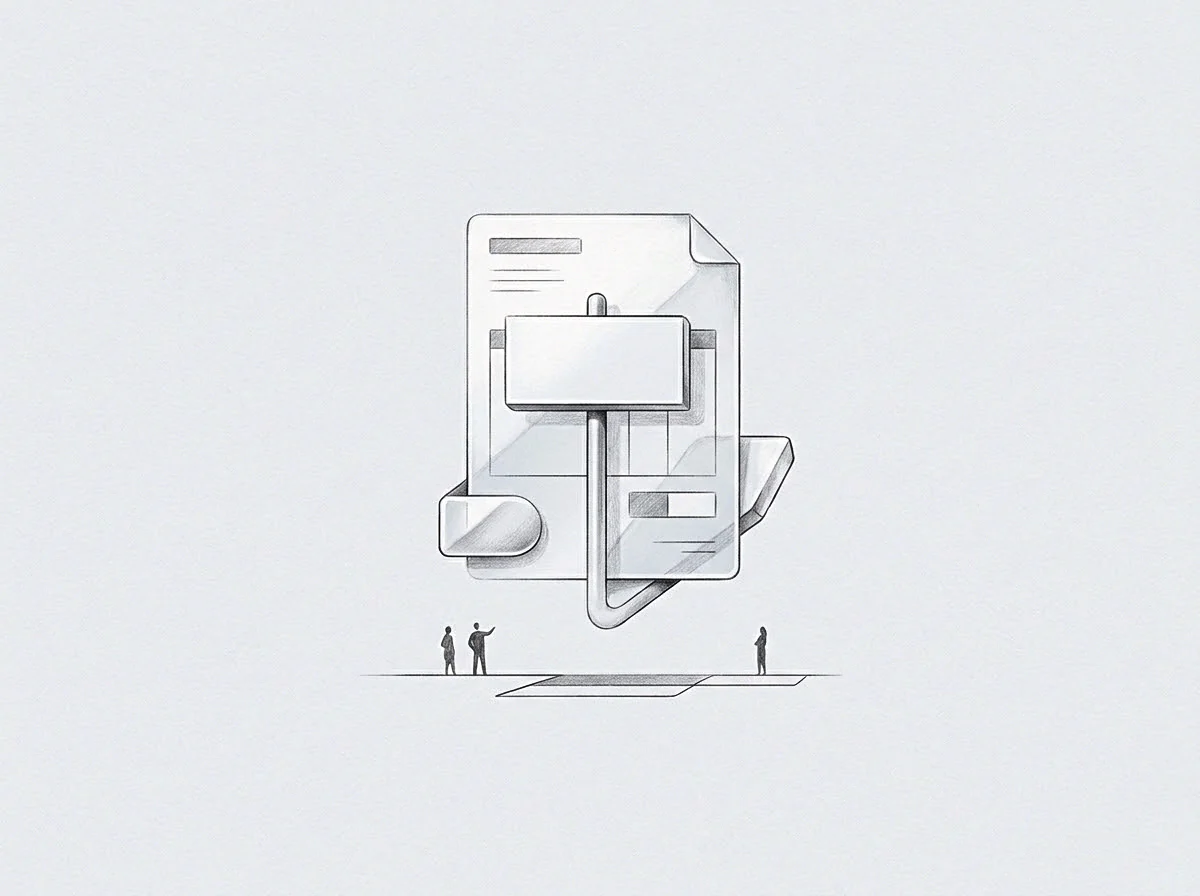
Regulatory capacity varies according to how operational responsibilities are mapped across human and technical systems. Comparing different operational structures illustrates how structural choices directly dictate autonomic load.
| Evaluation Metric | Solitary Internal Coping | Asymmetric Operational Delegation | Co-Regulatory Structural Buffering |
|---|---|---|---|
| Primary Regulation Source | Solitary internal prefrontal suppression | Downstream administrative filtering | Shared risk baseline and mutual calm |
| Metabolic Expense Profile | Maximum continuous glucose consumption | Moderate operational expense with remaining financial threat | Optimized load distribution across partners |
| Threat Perception Threshold | Extremely low due to hyper-vigilance | Moderate due to operational task isolation | High due to distributed risk capacity |
| Parasympathetic Rebound Latency | Significantly delayed or absent | Partially restored during non-work hours | Rapid restoration via social baseline contact |
| Primary Failure State | Systemic physical exhaustion or withdrawal | Delegation breakdown under severe stress | Relational conflict during sustained crises |
The comparison demonstrates that hiring junior staff or virtual assistants fails to eliminate autonomic strain if the single operator still holds absolute financial and existential responsibility alone. Asymmetric delegation offloads mechanical labor, yet leaves the primary risk monitoring burden intact on the owner’s nervous system. The founder remains the sole backstop for operational continuity.
True autonomic relief emerges when the business architecture incorporates explicit structural buffers or shared regulatory baselines. When risk is distributed across equity partners or governed by strict automated boundary rules, the central nervous system registers genuine protection. The baseline shifts.
Delegating administrative tasks without transferring existential operational responsibility provides negligible autonomic relief to the primary owner.
The client expects immediate access because the agreement contained no explicit boundary condition governing after-hours communication.
Throttle
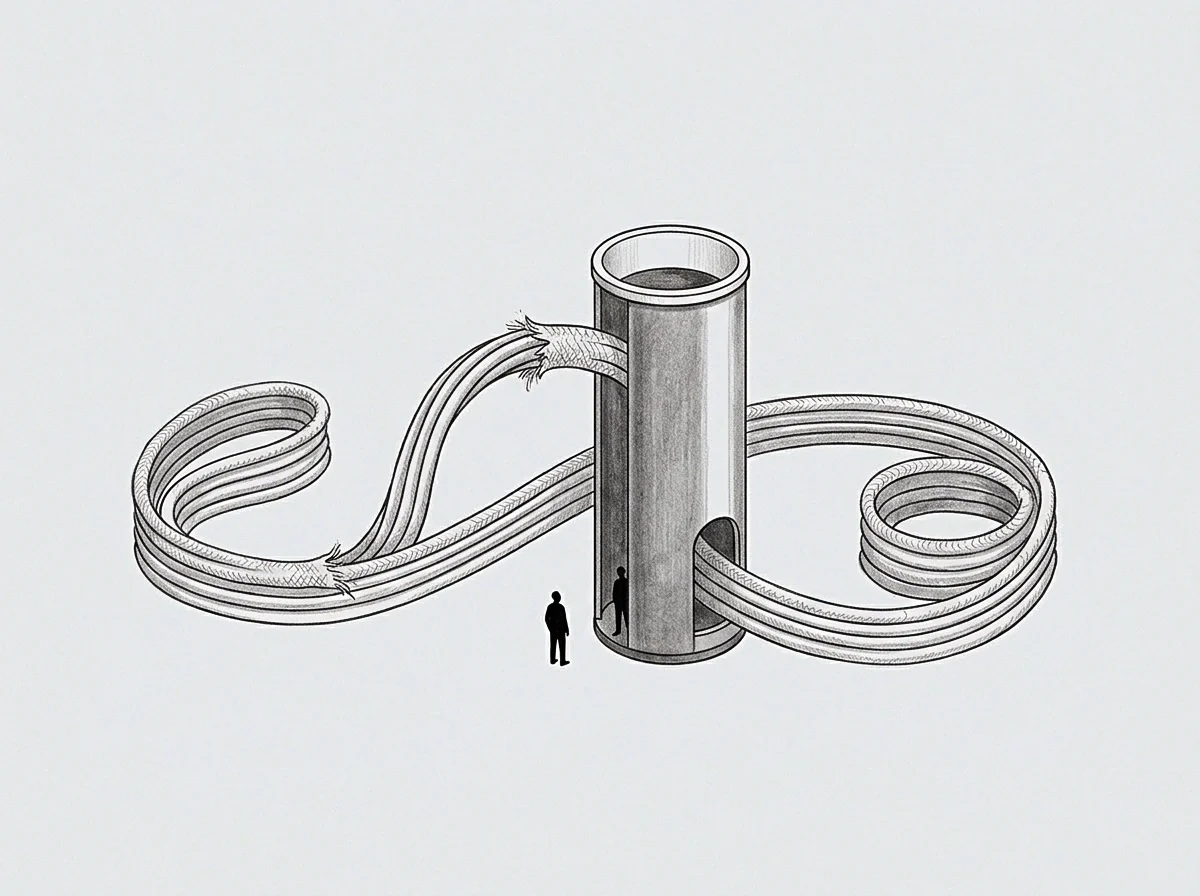
Altering physiological load in a solo commercial enterprise requires hard structural constraints rather than internal psychological exertion. Mindset adjustments and stress management techniques fail to lower autonomic strain if the underlying environment constantly threatens operational survival. The operator must install structural throttles directly into the business architecture.
Updating the internal regulatory template demands repeated real-world experience of setting limits without experiencing catastrophic commercial failure. When an operator enforces an operational boundary and the enterprise survives, the brain records a crucial data point that challenges the default isolation template. Earned security grows through concrete structural updates over time.
- Implementation of asynchronous client communication channels with stated response windows capped at twenty-four business hours.
- Establishment of an operational reserve fund holding six months of fixed operating expenses to lower baseline existential threat monitoring.
- Deployment of automated intake systems that reject projects outside predefined technical scopes without requiring manual owner review.
- Integration of peer peer-accountability circles that provide external co-regulation during acute commercial crises.
Consider an independent software developer who transitions from open availability to strict batch processing of client communication. The developer sets automated email responders stating that messages are read twice daily at eleven in the morning and three in the afternoon. During the first two weeks of this protocol, the developer experiences acute anxiety when ignoring incoming notifications outside those windows.
By week four, as clients adapt to the predictable cadence without terminating contracts, the developer’s resting heart rate during afternoon work sessions drops by nine beats per minute. The nervous system adjusts to the new structural reality. Silence creates space.
The threshold lowers.
A contract clause mandating a ten-business-day pause window during acute owner illness changes the legal and physiological reality of sole operations, converting an unbuffered existential threat into a managed operational pause.