
Autonomic Regulation Expenditure In Isolated Operational Leaders
Isolated leaders burn metabolic fuel through unshared top-down autonomic regulation, depleting vagal reserves when structural hierarchy blocks mutual co-regulation.

Expense
Four browser windows remain open past midnight while the building cooling drops into standby. Messages wait in three channels, each marked urgent by project leads who reached an impasse and stopped moving until an executive decision arrived. The operational leader sits alone at a broad walnut desk under halogen lighting, reviewing cash runway models while steadying heart rate through forced exhalations.
Breathing slows on mechanical command, yet arterial tone remains elevated and peripheral vascular resistance holds tight. The leader looks tranquil on screen, and subordinates treat that posture as unlimited bandwidth. Calmness displayed under operational isolation drains metabolic fuel faster than physical labor.
Solitary governance alters basic neural accounting. Under social baseline theory, the mammalian nervous system treats the sustained proximity of trustworthy conspecifics as an energy-conserving baseline. When reliable partners share operational proximity, the brain distributes vigilance, outsourcing portions of sensory processing and risk estimation to the group.
In isolation, the baseline collapses. The solitary operator assumes sole responsibility for load estimation, prospective threat analysis, and somatic stabilization. Every micro-adjustment of attention demands glucose and oxygen from an unshared metabolic budget.
Under chronic isolation, metabolic systems budget threat responses as solitary expenditures rather than shared liabilities.
The human brain monitors available physiological fuel continuously through dorsal posterior insular cortex activity. This interception feeds forward into motor planning and executive choice. When an executive operates without operational peers capable of absorbing load, the insular cortex registers an absence of regulatory shock absorbers.
The ventral vagal complex, which maintains visceral homeostasis through social engagement, yields control to the sympathetic nervous system and the dorsal vagal axis. The operator remains seated and composed, while internal cellular respiration resembles an uphill sprint.
Operational solitude produces predictable endocrine signatures that outlast the workday. Cortisol output flattens, losing its morning peak and evening drop, while salivary alpha-amylase climbs during routine scheduling choices. Unshared accountability keeps the sympathetic motor chain locked in continuous sub-acute output.
Teams observe an executive who never raises a voice, interprets crises with steady diction, and delivers instructions with quiet certainty. They interpret this composure as constitutional immunity to operational load. The composure is an active, continuous metabolic purchase.
Subordinates bring heavier problems to the person whose pulse never appears to jump. The mechanism feeds itself through silent feedback loops. Because the operator displays low emotional volatility, team members treat the leadership seat as an infinite damper for systemic volatility.
They deposit unresolved interpersonal frictions, compliance uncertainties, and operational shortfalls directly into the executive inbox. The operator absorbs each deposit without visible deflection, regulating autonomic arousal through sustained prefrontal suppression of amygdaloid signaling. That suppression incurs a steep cellular cost.
Vagal efficiency deteriorates across months of unshared operational command. The operator pays for outward institutional steadiness with progressive autonomic exhaustion, leaving cardiac tissue and endocrine loops exposed to sustained allostatic attrition.
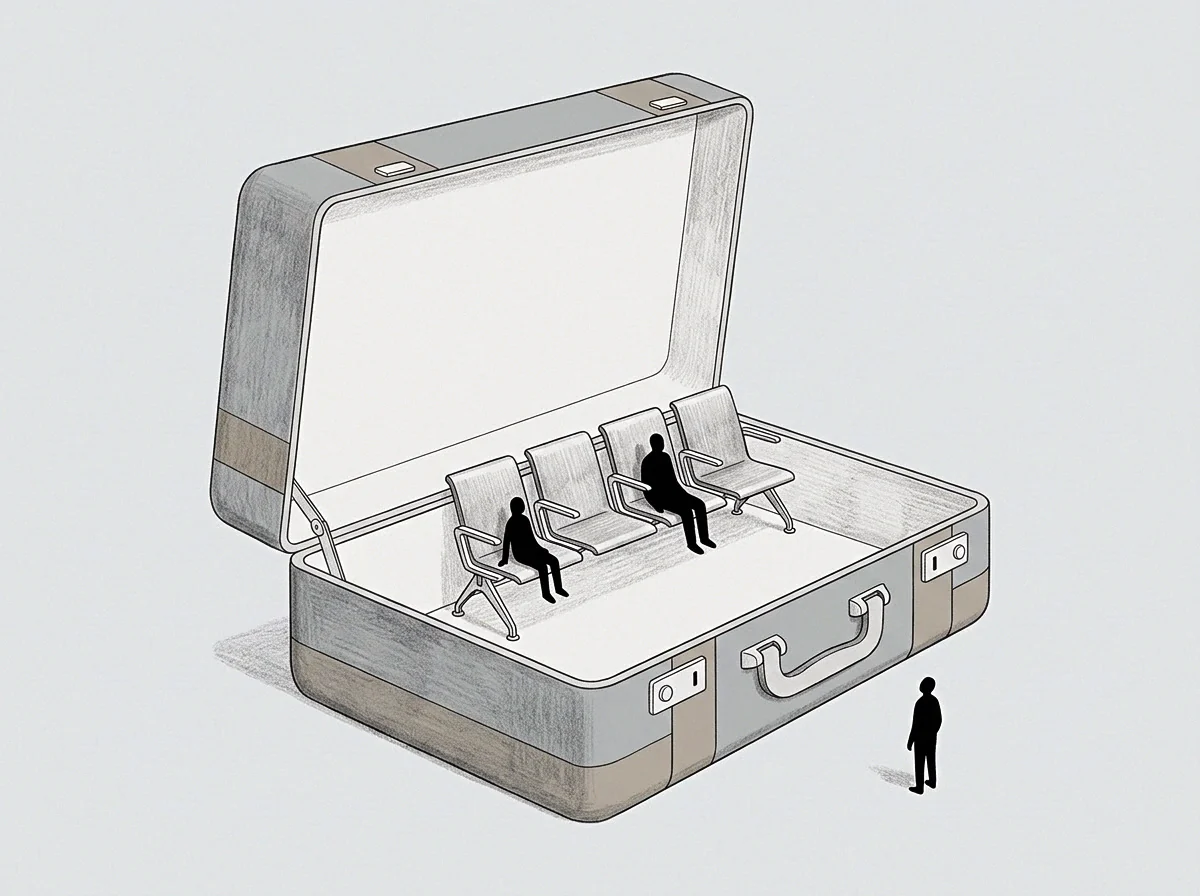
Wall
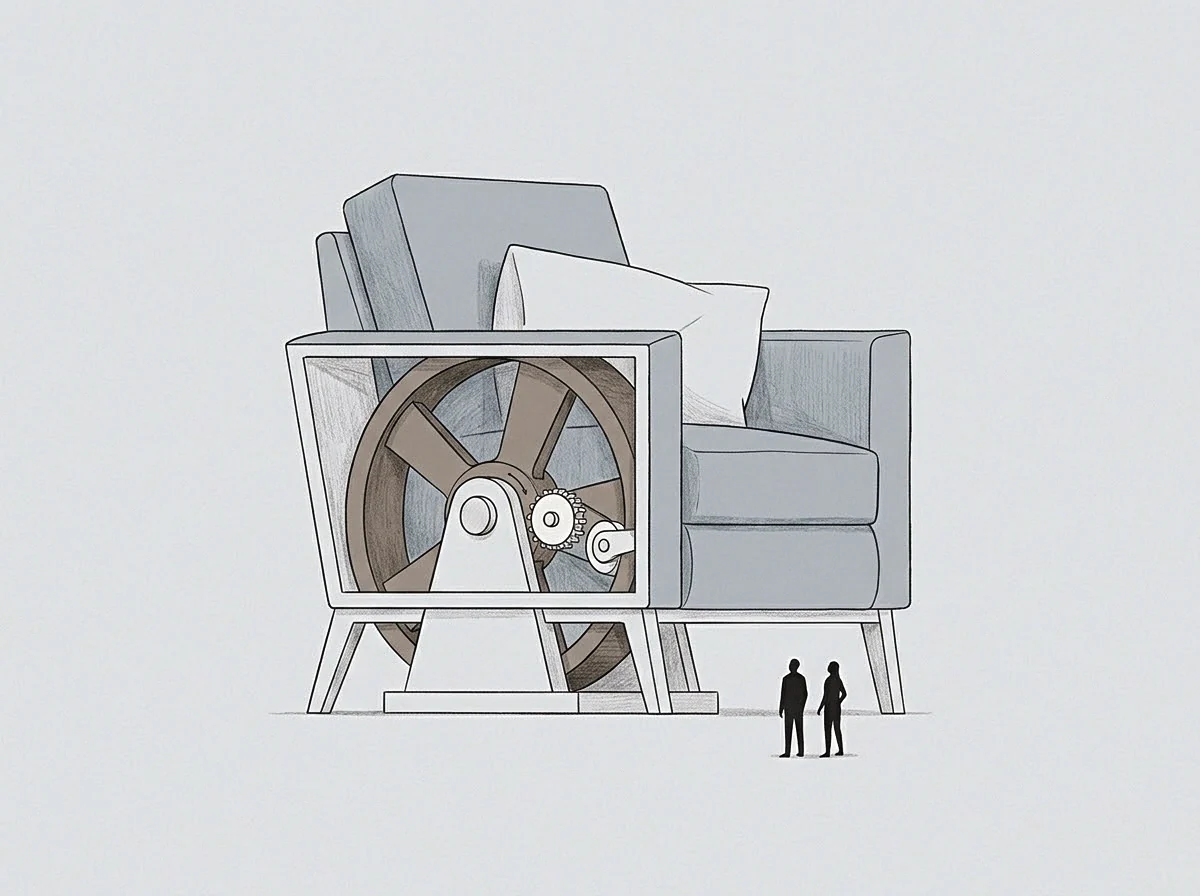
Insulation Against Mutual Regulation
The structural separation between an operational chief and the surrounding organization functions as a barrier to autonomic relief. Hierarchy creates an unavoidable operational gradient. An officer who shares operational doubts with direct reports risks destabilizing collective execution and accelerating staff attrition.
An officer who shares those doubts with external directors risks activating board interventions and governance reviews. Trapped between those two layers, the isolated operator erects a deliberate emotional perimeter, filtering affective expression until every transmitted signal reads as neutral certainty.
This perimeter prevents bi-directional physiological entrainment. In typical human partnerships, cardiac rhythms and respiratory patterns couple during shared difficulty, dampening individual sympathetic spikes through physical proximity. The isolated operational leader works behind glass, maintaining interpersonal distance to preserve command authority.
Subordinates borrow calm from the leader during every crisis, but the leader cannot reverse the current to borrow calm from subordinates.
Borrowed calm costs the borrower nothing and charges the lender compound interest.
Physical environments amplify this physiological isolation. High-density open floor plans house engineering and operations teams, allowing ambient social baseline distribution, while the chief executive works in an insulated corner office or an empty home study behind closed doors. Spatial isolation removes incidental social dampening cues, such as peripheral vocal tones, postural mirroring, and spontaneous shared laughter, which keep autonomic tone balanced during heavy workloads.

Where Does Autonomic Debt Accumulate First?
The earliest deficits appear in autonomic cardiovascular flexibility. Vagal tone, quantified through high-frequency heart rate variability, shows measurable decay within ninety days of intense, unshared operational responsibility. Heart rate variability reflects the dynamic balance between sympathetic acceleration and parasympathetic deceleration, mediated by the myelinated vagus nerve.
When vagal control weakens, cardiac rhythms become unnaturally rigid, beating like metronomes under fixed load rather than flexing in response to breath cycles.
Consider an operational scenario involving two executives managing identical forty-million-dollar supply chain realignments over six months. The first operates within a co-equal partnership of three founders who share equity, command, and weekly physical working tables. The second functions as a hired chief executive officer answerable to a distributed board, supported by middle managers who require directional instruction on every procedural divergence.
Both leaders log eighty-hour weeks and navigate the same external supplier insolvencies.
The shared-command executive maintains stable low-frequency to high-frequency heart rate variability ratios, supported by spontaneous mutual venting and shared decision risk. The solitary chief executive displays sustained low-frequency dominance, suppressed high-frequency power, and elevated nocturnal resting heart rates. The operational task is identical.
The metabolic accounting of the nervous system is radically unequal. Solitary leaders consume internal reserves to generate regulatory states that co-located peer groups generate through ambient contact.
The physical barrier of the office wall becomes a biological trap. Operational leaders intentionally close doors to concentrate on strategic architecture, yet closing the door eliminates the very mammalian sensory inputs that keep autonomic systems operating below systemic strain thresholds.
The team notices only that project directives arrive on schedule with impeccable formatting.
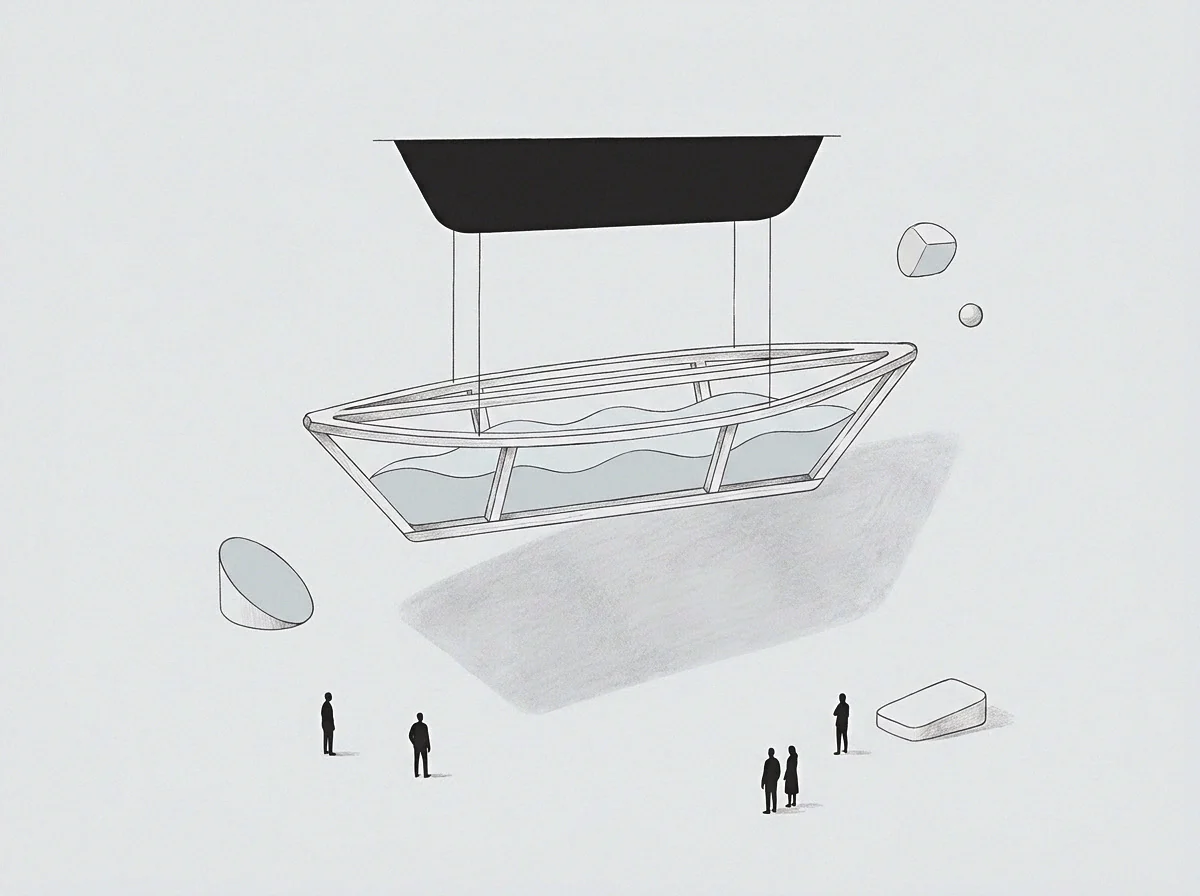
Brake
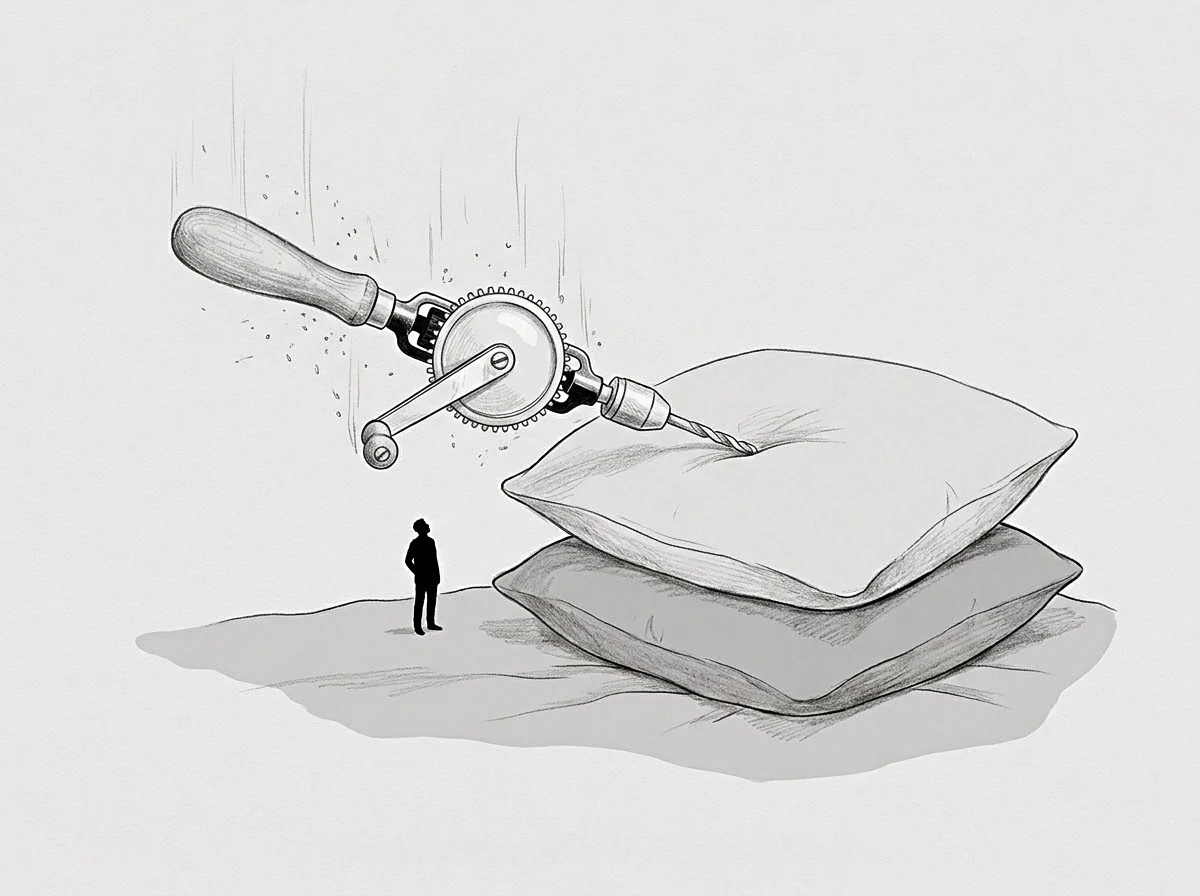
The Polyvagal Mechanism of Executive Restraint
The human vagal system acts as an active brake upon cardiac pacing. Under resting conditions, the nucleus ambiguus sends continuous inhibitory signals via the vagus nerve to the sinoatrial node, holding intrinsic heart rate down from approximately one hundred beats per minute to seventy. When immediate action is needed, the brain releases this vagal brake, permitting instant tachycardia without relying on slower adrenal cascades.
Once danger passes, the brake re-engages, restoring visceral calm. In isolated leaders, continuous threat monitoring breaks this mechanism.
Prolonged solitary command suppresses the vagal brake entirely, forcing the body to use heavy sympathetic drives or metabolic shutdowns. The operator loses the flexible intermediate state that supports calm social engagement. In this condition, the prefrontal cortex attempts to govern somatic arousal through top-down cognitive suppression, an inefficient, fuel-heavy strategy that depletes frontal executive reserves before midday.
The physiological difference between these states is measurable across systemic indicators.
| Autonomic Marker | Co-Regulated Operational Dyad | Isolated Operational Leader |
|---|---|---|
| Parasympathetic Brake Control | Dynamic vagal modulation responding to conversation | Chronic vagal withdrawal with unmodulated cardiac drive |
| Nocturnal Heart Rate Recovery | Descent to basal rate within ninety minutes of sleep | Sustained elevation through early sleep cycles |
| Pupillometric Threat Bias | Rapid return to baseline following acute alarm signals | Prolonged pupillary dilation past stimulus termination |
| Systemic Vascular Resistance | Variable, cycling with task execution and recovery | Persistently elevated peripheral vascular resistance |
| Executive Energy Expense | Shared metabolic load across peer attachments | Monopolized prefrontal cortex glucose consumption |
The data illustrate distinct operational architectures. In dyads, the vagal brake engages quickly after an alert, returning heart rate to baseline. The isolated executive maintains sustained vascular tension long after the operational trigger resolves.
The leader interprets this state as professional focus, mistaking autonomic hypervigilance for clarity.
Prolonged vagal withdrawal inevitably leads to autonomic throttling. Throttling occurs when biological tissue limits energetic throughput to prevent immediate structural failure. The operator sits down to read an ordinary legal amendment and finds the paragraph indecipherable after four attempts.
Eyes track the text, yet conceptual synthesis fails. The brain has shut down non-essential cortical operations to conserve dwindling glucose reserves.
Observers mistake this throttling for clinical depression or motivational surrender. It is neither. Throttling is a conservative biological defense mechanism executed by exhausted autonomic circuits to avoid cardiovascular collapse.
The nervous system intentionally turns off high-level analytic processing when the autonomic fuel tank reaches zero.
Restore authentic co-regulatory contact and autonomic reserves refill, disengaging the biological emergency brake.

Tether
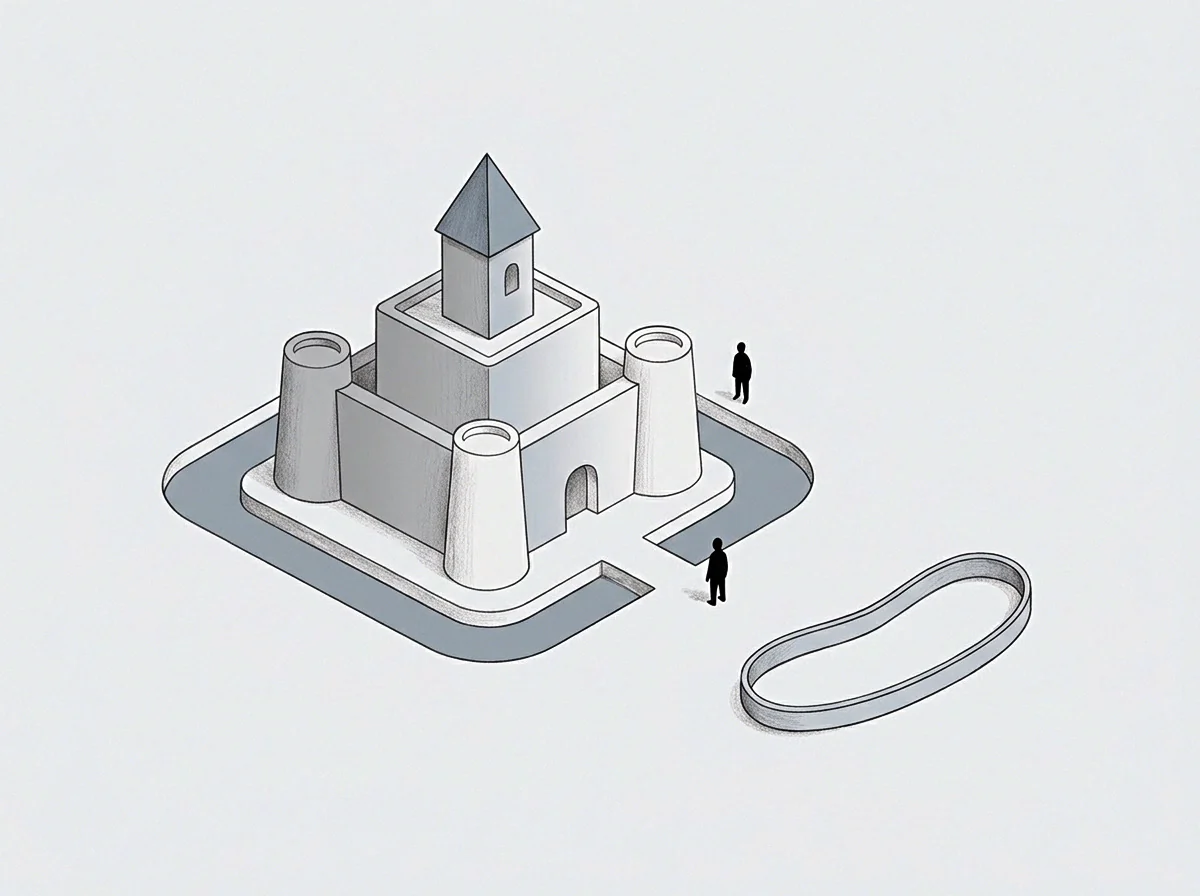
Asymmetric Regulatory Transmission
Teams attach directly to the operational leader’s biological state. Human beings orient around the most physiologically predictable entity in an environment to calibrate their own autonomic stability. In high-stakes environments, staff members scrutinize the leader’s vocal cadence, facial micro-expressions, and respiratory rhythm.
If the leader remains anchored, employees infer organizational safety, lowering their own cortisol and peripheral resistance. The leader serves as a biological dampening field for the enterprise.
This dynamic forms a one-way regulatory conduit. Staff members attach to the leader’s steadiness, borrow calm from that presence, and leave executive briefings with renewed focus. The transaction transfers autonomic stability from the executive into the employee ranks without reciprocating.
The leader functions as a biological utility, pumping regulated equilibrium downward while absorbing chaos upward. Over time, this one-way flow degrades the leader’s internal working model of human relationship.
Early childhood development forms attachment styles that govern adult relational expectations. Secure attachment develops when an infant experiences a responsive other who soothes distress and models somatic recovery. The infant builds an internal model that reads connection as a source of physical safety.
Many operational leaders developed this sequence in reverse. Early in life, they learned that their own emotional steadiness secured the safety of chaotic environments, transforming them into caregivers before their own nervous systems finished maturing.
Such leaders enter business ventures equipped with a backward internal template:
- Self-soothing monopoly forces the individual to manage severe visceral distress without seeking external reassurance.
- Compulsive utility delivery creates an assumption that interpersonal relationships exist solely to solve procedural or emotional crises.
- Receptor slot atrophy eliminates the leader’s capacity to recognize, accept, or process regulatory comfort offered by other human beings.
- Hyper-competence signaling broadcasts an aura of absolute invulnerability that actively deters peers from offering practical emotional solidarity.
When an investor or an empathetic board member notices the strain and offers genuine personal support, the backwards-templated leader recoils. The offer registers at the boundary of awareness as an operational anomaly, a trap, or a demand for reciprocal disclosure that could undermine organizational control. The leader lacks an open internal receptor slot for care.
Lacking that slot, the executive interprets help as an invasive operational risk, stiffening posture and changing the topic back to revenue metrics.
Consider an operational founder working eighty-five hours weekly while raising bridge capital. A seasoned non-executive director suggests an unstructured dinner to discuss personal stress. The founder agrees out of diplomatic necessity.
Throughout the meal, the director speaks with unhurried warmth, inviting the founder to speak openly about fear of corporate failure. The founder’s heart rate spikes to one hundred and twenty beats per minute. Palms sweat against the linen napkin.
The nervous system reads unilateral relational warmth as a profound predation threat, because early templates never linked vulnerability with physiological rescue.
The founder retreats into automated corporate jargon, praising executive hiring pipelines and product roadmaps. The director eventually abandons the personal inquiry, concluding that the founder is either remarkably resilient or emotionally detached. The founder leaves the restaurant physically exhausted, having spent several hours maintaining an impenetrable synthetic calm against an offer of authentic support.
A missing receptor slot converts every offer of support into an urgent defense requirement.
This dynamic leaves the leader locked in structural solitude. The organization continues to feed on the leader’s autonomic stability, while the leader remains biologically incapable of drinking from the wells that sustain human resilience. The operational tether holds the company upright by exhausting the anchor.
Will an organization ever voluntarily reduce its extraction of stability from a leader who never shows strain?

Ground
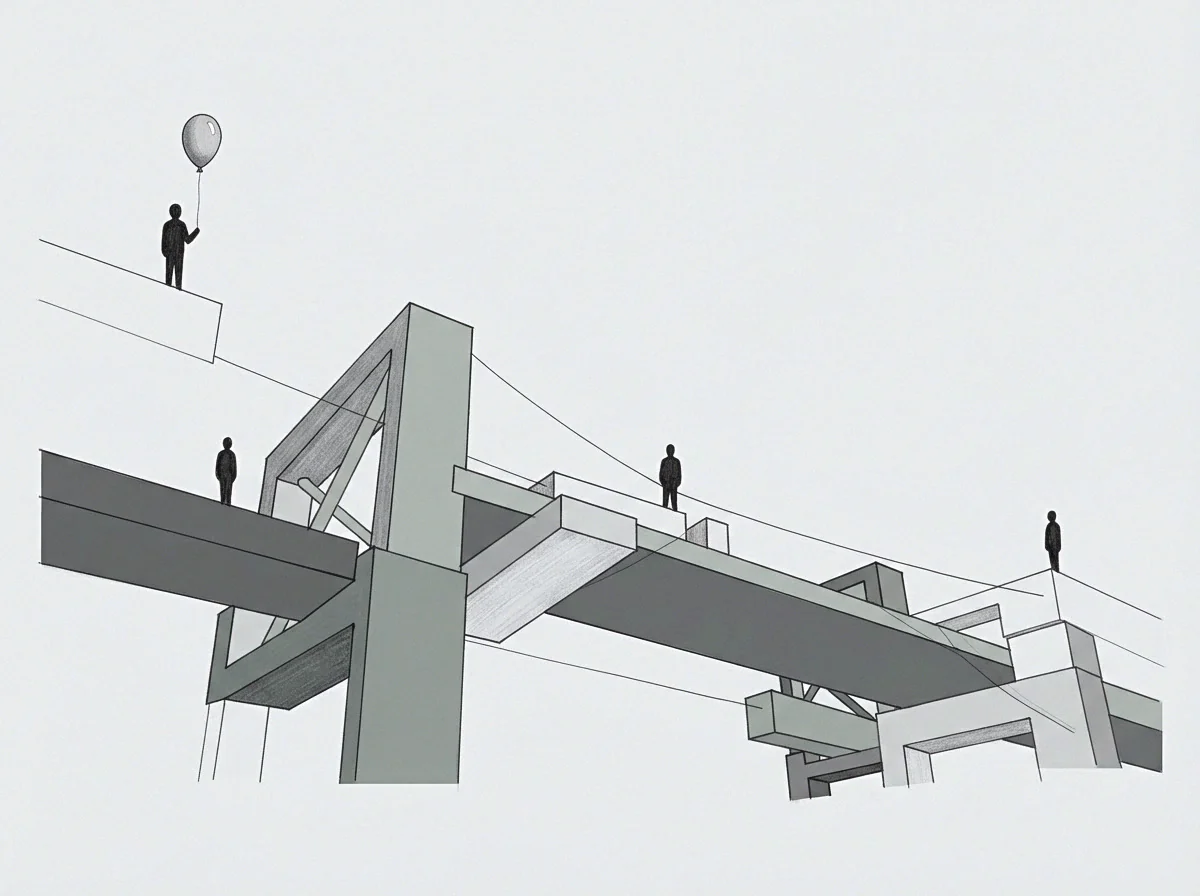
Rebuilding Biological Headroom Through Earned Security
Cognitive insight into autonomic exhaustion solves nothing at the tissue level. A leader can comprehend social baseline mechanics, quote polyvagal papers, and chart attachment injuries without altering peripheral vascular resistance by a single millibar. Intellectual comprehension is a prefrontal operation; autonomic regulation is a brainstem and visceral calculation.
Updating the operational template requires repeated, somatic experiences of shared risk where catastrophic abandonment fails to materialize.
This developmental process is known as earned security. An operational leader who spent decades functioning as an ungrounded baseline can form a secondary regulatory template later in life. This second template does not emerge through meditation apps, solo athletic retreats, or clinical intellectualization.
It develops exclusively through sustained, low-stakes exposure to a responsive operational partner whose autonomic baseline remains indifferent to the leader’s performance.
Such relationships cannot be organized as hierarchical reporting lines or client arrangements. They require a specific, non-extractive social architecture:
- The partner maintains an independent autonomic baseline uncoupled from the enterprise’s short-term commercial viability.
- The operational leader communicates a genuine limitation in plain, unvarnished language without packaging it as a tactical challenge.
- The partner receives the admission without panic, without dispensing strategic advice, and without transferring emergency tasks back to the leader.
- Both individuals remain physically co-present while somatic arousal settles back into homeostatic balance without prefrontal suppression.
The sequence must repeat dozens of times over eighteen months before autonomic tissues recognize proximity as fuel rather than labor. The first trial feels like jumping from a cliff without a harness. The leader discloses an operational blunder, expecting immediate commercial abandonment or contemptuous pity.
Instead, the counterpart nods, offers an ordinary cup of black coffee, and sits quietly in the room without leaving. The leader’s insular cortex records the survival of connection despite imperfect performance. That recorded event is the physiological currency that buys earned security.
Operational leaders must construct deliberate boundaries to protect emerging regulatory capacity. They must identify the distinction between employees who need their regulatory field to work and colleagues who offer a reciprocal baseline. The leader establishes non-negotiable windows where company communications cease entirely, not to pursue leisure, but to let the autonomic nervous system uncouple from organizational vigilance.
When an operational crisis hits, an earned-security leader handles it differently. Instead of relying solely on top-down cognitive suppression, the executive reaches out to an autonomic peer, states the raw situation without rehearsal, and allows mutual regulatory contact to drop heart rate before making terminal decisions. The enterprise receives a superior strategic decision, and the leader avoids the severe metabolic cost of solo autonomic dampening.
True operational resilience is not the capacity to run indefinitely on solitary reserve. It is the disciplined structural refusal to let one nervous system finance an entire organization’s stability.
The corporate contract stipulates continuous executive presence, but biology charges interest on every unshared hour.