
Autonomic Regulation Load and Structural Baseline Breakdown in Leadership
Executive leaders absorbing team anxiety without a co-regulating partner exhaust their autonomic baseline, forcing physiological debt and systemic collapse.
Desk
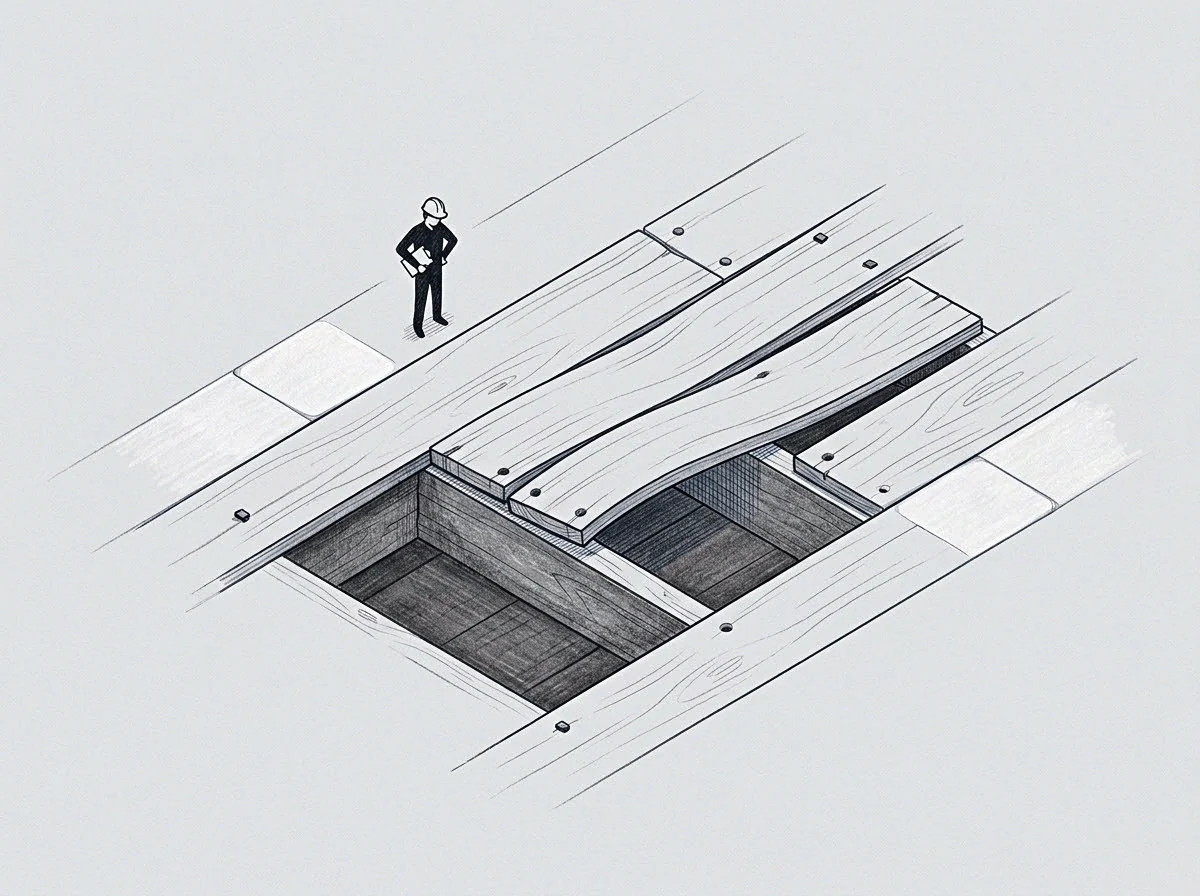
Four operational messaging channels flash simultaneously past midnight while an executive sits alone in an office. Calm carries a price. The organization reads a steady demeanor as unlimited capacity, routing unmanaged tension toward the single seat that appears unshakeable.
Executive composition offloads regulation debt from surrounding managers onto the leader. The nervous system of a founder absorbs surrounding operational anxiety, functioning as the implicit stabilizer for the entire venture.
Borrowing calm from a stable leader lowers the physiological cost for employees. When an executive demonstrates steady vocal cadence and low physiological reactivity during capital constraints or product delays, team members experience immediate reduction in their own threat response. The neural architecture of the observer offloads threat processing onto the leader.
This transfer occurs automatically. Teams attached to an unshakeable executive move through high-volatility environments by relying on the leader to process systemic risk.

Operational Composure as an Offloading Mechanism
The baseline holds. The capacity of an executive to maintain composure functions as a structural utility for the enterprise. Team members who lack individual baseline stability bring operational panic to meetings, leaving twenty minutes later with restored composure.
The leader pays for this transfer directly through elevated autonomic arousal that lingers long after the meeting ends. The human brain calculates environmental threat based on the presence of a reliable reference point. When that reference point remains calm, surrounding individuals spend fewer metabolic resources on self-defense.
They offload their regulatory requirements onto the leader, whose central nervous system processes the collective threat load of the firm.
A leader who appears unshakeable under operational pressure receives the unmanaged anxiety of the surrounding room.
Proximity to an unshakeable executive allows staff to operate above their individual stress thresholds. Demands accumulate rapidly. A company growing from twenty to one hundred employees multiplies the number of operational inputs competing for autonomic processing.
The executive maintains an even tone, resolves escalations, and projects absolute strategic clarity. Inside the leader, heart rate variability narrows, cortisol levels remain chronically elevated, and systemic baseline strain increases. The organization registers success because execution continues smoothly, failing to observe that the entire system relies on a single biological engine bearing compound debt.

The Silent Transmission of Autonomic Debt
Autonomic regulation load remains invisible because borrowed calm registers as the borrower’s own stability. Managers leaving an alignment session report feeling focused and grounded, assuming their internal state results from strategic clarity. The regulatory labor expended by the leader to soothe team panic does not register on organizational scorecards.
The executive absorbs incoming volatility, dampens environmental panic, and returns steady signals to the team. This biological filter operates continuously during business hours, leaving the leader with depleted physiological reserves when the office closes.
Sustained absorption of external volatility changes the baseline physiological state of the executive. Over months of unmitigated threat processing, the leader experiences a gradual breakdown of autonomic baseline integrity. Nighttime sleep fails to clear daytime autonomic arousal.
Small operational impediments trigger disproportionate internal activation, which the leader works twice as hard to suppress. The seat demands total composure, forcing the executive to internalize every operational tremor. Whether an organization can recognize its own autonomic reliance before the stabilizing reference point collapses remains an open problem in executive team design.
Budget
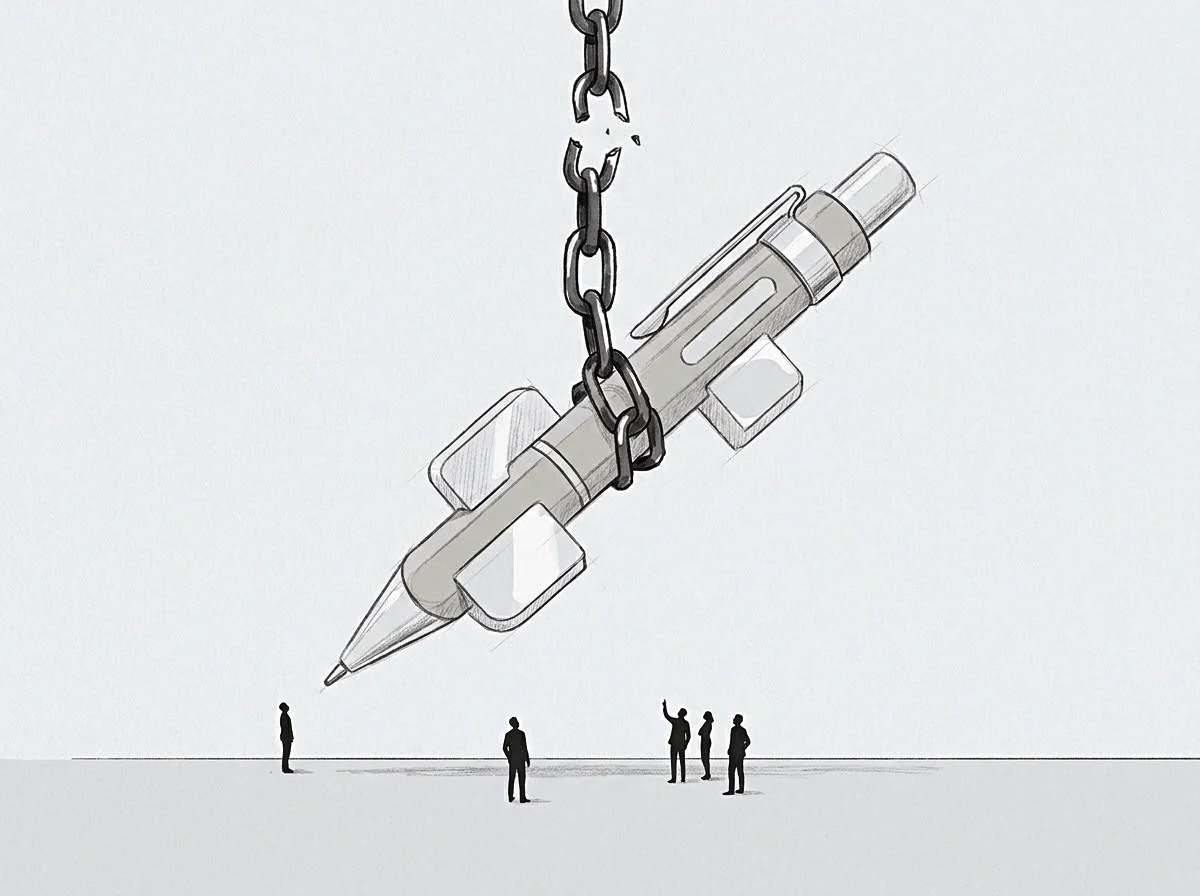
Social baseline theory establishes that human nervous systems budget energy under the assumption of close proximity to reliable reference points. Solitary threat management represents the most expensive metabolic state for the brain. When an individual operates without a co-regulating reference point, the central nervous system assigns maximum energy to vigilance, environmental tracking, and threat mitigation.
Energy expenditure rises. Isolation doubles metabolic cost. In executive hierarchies, proximity operates asymmetrically: employees borrow regulation from the founder, but the founder finds no equivalent co-regulatory reference point within the management structure.
The metabolic math of leadership reveals a structural deficit. An executive who spends ten hours a day acting as the regulatory baseline for direct reports depletes central energy reserves. The brain treats solitary responsibility for a complex organization as a continuous environmental hazard.
Without a trusted peer capable of providing reciprocal regulation, the founder relies exclusively on expensive self-regulatory mechanisms. Suppressing personal alarm, maintaining focus under capital depletion, and presenting stability to board members demand continuous glucose utilization and autonomic strain.

Metabolic Costs of Isolated Autonomic Maintenance
Self-regulation alone drains biological capacity faster than shared regulation. The physiological difference between solitary threat handling and shared baseline stability determines how long an executive can sustain high-stakes decisions.
| Evaluation Dimension | Solitary Baseline Maintenance | Co-Regulatory Proximity Baseline |
|---|---|---|
| Metabolic Energy Expenditure | Maximum continuous glucose utilization for solitary vigilance | Baseline glucose consumption with shared neural threat processing |
| Threat Perception Threshold | Lowered activation trigger causing perpetual autonomic readiness | Higher threshold required to initiate full systemic alarm |
| Heart Rate Variability Recovery | Suppressed parasympathetic rebound during rest intervals | Rapid parasympathetic recovery following acute stress events |
| Autonomic Load Accumulation | Linear compounding of physiological debt across operational quarters | Buffered load accumulation with regular baseline reset points |
Operating in baseline isolation shifts the internal metabolic baseline. The brain treats the absence of a reliable reference point as a signal that danger is immediate and unmanaged. Consequently, executive decisions made under solitary baseline conditions carry higher baseline fear, narrower working memory, and increased reliance on defensive operational patterns.
The leader attempts to compensate through sheer willpower, ignoring the physical limits of the nervous system.
Asymmetrical Co-Regulation in Executive Hierarchies
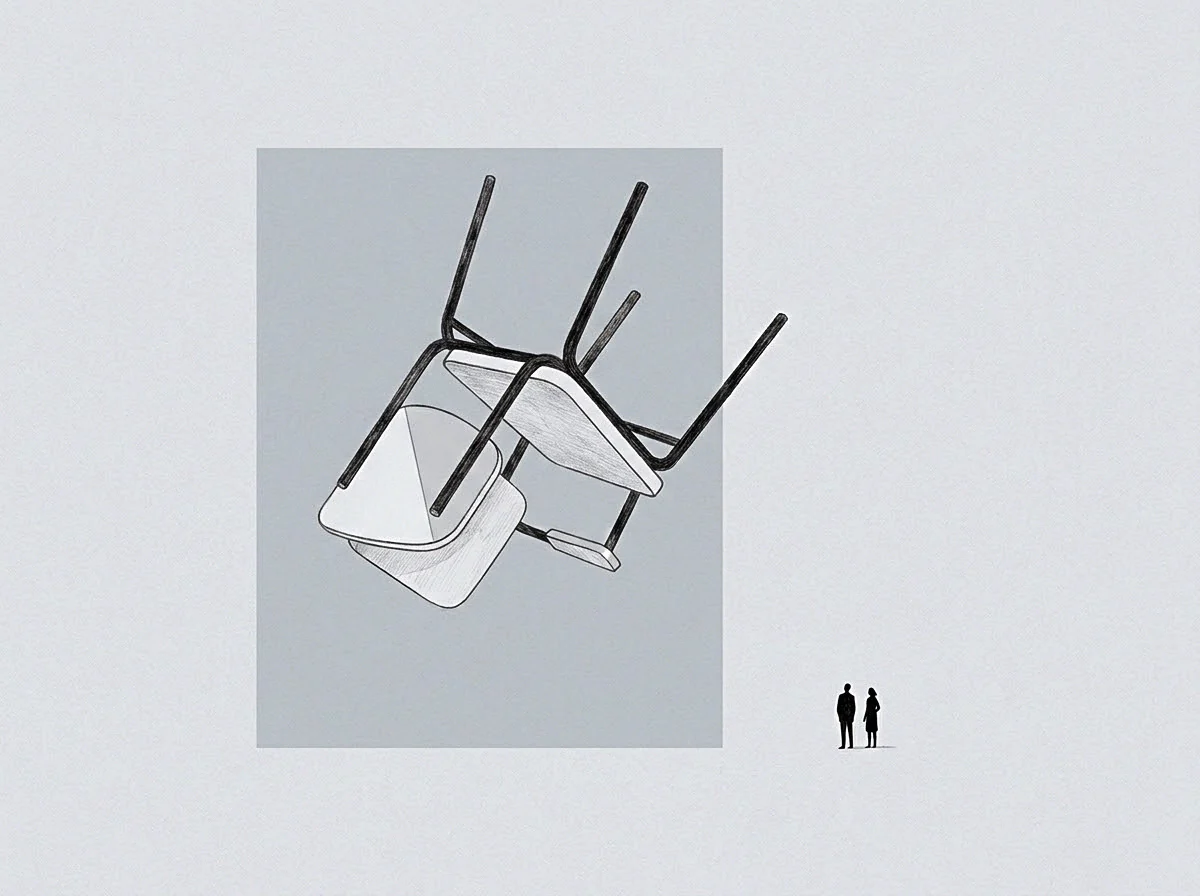
The dynamics of corporate hierarchy prevent downward co-regulation. A founder cannot lean on a junior manager for autonomic stabilization without destroying the operational confidence required for team execution. The asymmetry remains absolute.
- Allostatic accumulation occurs when high autonomic demand persists without physiological recovery periods, elevating vascular strain and baseline inflammation.
- Social baseline offloading reduces individual neural threat calculation when a trusted secondary regulator sits nearby during high-stakes maneuvers.
- Autonomic asymmetry describes the state where one party absorbs baseline debt while supplying steady signals to surrounding team members.
The executive seeking stability within the firm encounters a structural wall. Direct reports bring their unmanaged operational anxiety to the executive suite, seeking reassurance. The executive absorbs the input, applies self-regulation, and returns steady guidance.
The manager leaves relieved. The executive retains the residual activation. This one-way transaction repeats fifty times a week, building a massive reserve of unprocessed physiological strain inside the founder.
Physiological energy expenditure increases sharply when an individual maintains autonomic stability without a co-regulating partner present in the environment.
When the executive possesses no external outlet or peer group capable of providing reciprocal calm, allostatic load accumulates. The internal baseline breaks down under sustained solitary effort. The leader remains sitting in the seat, executing strategy and closing funding rounds, while their underlying nervous system moves into advanced autonomic depletion.
Operational capacity scales with shared autonomic baseline rather than individual endurance.

Absence
Sustained over-allocation of autonomic resources produces systemic baseline breakdown. When an executive reaches the ceiling of allostatic capacity, the nervous system initiates protective throttling. The regulatory apparatus shifts from active environmental stabilization to emergency energy conservation.
Silence signals systemic exhaustion. The executive who previously answered every late-night operational escalation within three minutes suddenly stops responding. The channels go quiet.
This change reflects neurological defense rather than strategic boundary management.
The throttling response manifests as structural unavailability. The executive sits behind a locked office door, delays critical approvals, or disengages during strategic planning meetings. Surrounding executives misinterpret this shift as corporate avoidance or personal friction.
The underlying mechanism represents an autonomic system protecting itself from total collapse. When self-regulation reserves hit zero, the brain disables non-essential social engagement to preserve core physiological functions.

Why Does Strength Under Stress Attract Additional Load?
Organizations route complexity toward proven stability. A partner who handles three simultaneous corporate crises without losing composure receives the fourth crisis by default. The system optimizes for short-term risk mitigation by transferring operational weight to the most stable node in the human network.
The regulator absorbs threat. Over time, this efficiency mechanism overloads the resilient leader. The team increases its dependency on the leader’s autonomic baseline, assigning more critical functions to the single seat that never complains.
Consider an operational arrangement between two co-founders over twelve months. Assume Founder A manages product development with sixty engineering reports, while Founder B handles external investor relations. Assume Founder A absorbs five severe technical escalations daily, maintaining total composure to keep the engineering team focused.
By month eight, Founder A experiences severe sleep disruption, elevated resting heart rate, and reduced cognitive flexibility. Founder A begins missing morning alignment calls and delays signing partner contracts. Founder B concludes Founder A has lost motivation for the venture.
The reality is that Founder A’s autonomic baseline has collapsed under the weight of unmitigated team co-regulation.

The Throttling Response and Autonomic Withdrawal
Baseline withdrawal alters the organizational landscape. When the leader’s autonomic baseline breaks down, the team loses its stabilizing reference point. Operational panic spreads rapidly through lower management levels.
Escalations multiply because middle managers no longer receive the regulatory dampening previously supplied by the executive.
A sudden drop in executive availability signals systemic baseline collapse rather than deliberate boundary setting.
The executive in full baseline breakdown exhibits predictable operational behaviors. Decision latency expands from hours to weeks. The leader avoids direct conflict with board members, approves sub-optimal compromises to end meetings quickly, or reacts with abrupt defensive anger when presented with routine operational problems.
Absence reflects capacity loss. The nervous system can no longer bear the cost of regulating both the leader and the surrounding system. Unmanaged autonomic overload converts steady leaders into absent bottlenecks, leaving organizations without a functional operational reference point.

Relay
The internal working model of an executive governs how regulation load is handled inside the self. Leaders who excel in volatile environments often develop early developmental templates where survival depended on personal composure. The young individual learned that displaying distress invited chaos, while maintaining absolute control stabilized the family environment.
The child became the adult regulator. Regulating oneself and regulating surrounding individuals became a single unified operation on a single internal template.
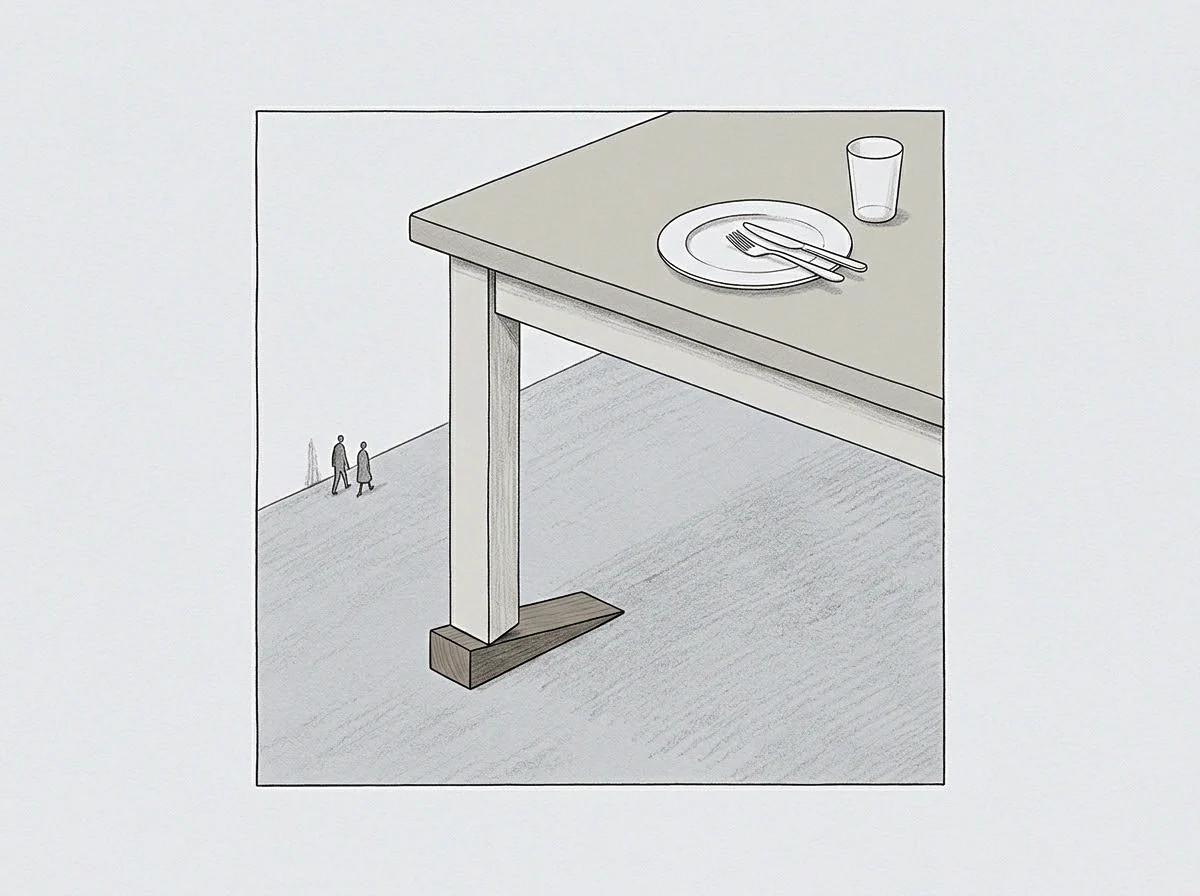
This internal working model contains no receptor slot for being held. The leader’s physiological architecture knows how to send steady signals, manage external crisis, and buffer others from panic. It possesses no functional pattern for receiving co-regulation from another human being.
When a peer or partner offers genuine support, the leader’s nervous system registers the input as an operational task or a potential threat to autonomy. The offer fails to land. The load shifts inward.
The executive remains trapped inside an internal template that permits only outgoing stabilization.
Internalized Working Models of Self-Reliance
The architecture of solitary self-reliance operates through specific internal rules formed long before entering the corporate suite. These rules execute automatically during operational crises.
- The leader internalizes an operational model where personal distress is suppressed to maintain team stability.
- External offers of assistance are processed as operational noise or incoming coordination tasks rather than regulation.
- The absence of a receiving slot forces all incoming environmental stress into individual autonomic storage.
The template resists support. An executive operating under this internalized pattern views asking for help as an admission of operational failure. The nervous system interprets vulnerability as an invitation to instability.
When board members or executive coaches suggest delegating high-stakes negotiations, the leader’s autonomic alarm increases. The internal model dictates that safety exists only when the leader maintains direct control over every volatile variable.

The Missing Receptor Slot for External Support
Without an active receptor slot for external baseline support, executive isolation becomes self-reinforcing. The leader projects an aura of complete self-sufficiency that deters peers from offering meaningful co-regulatory partnership. The surrounding team assumes the executive requires no support, reinforcing the structural isolation of the seat.
An internal template formed around total self-reliance interprets incoming support as an added coordination burden.
When an executive lacks the internal framework to receive calm from others, traditional executive support systems fail. Executive coaching, retreats, and wellness protocols yield minimal autonomic relief because they address intellectual strategy rather than underlying physiological regulation. The executive processes wellness activities as additional performance metrics, adding to the total operational load.
The team assumes the leader prefers to handle every crisis alone because no signal of need ever reaches the room.
Anchor
Updating an ingrained regulatory template demands repeated physical experiences of co-regulation rather than intellectual insight. Understanding the mechanics of allostatic load does not lower resting heart rate. The nervous system updates its baseline assumptions only when it experiences real-time threat reduction through proximity to a steady, reliable reference point.
Recovery demands direct presence. The leader must experience repeated instances where operational vulnerability does not lead to structural collapse.
Earned security develops through structured micro-experiences of shared regulation. An executive begins this shift by identifying a small circle of operational peers, board members, or external partners who maintain high individual baseline stability. In meetings with these individuals, the executive practices dropping the protective composure facade, communicating operational risks without first neutralizing personal distress signals.
When the counterparty responds with steady presence rather than panic or immediate task assignment, the leader’s central nervous system records a novel outcome.
Earned Security Through Micro-Experiences of Co-Regulation
The brain rewires its threat calculation through verified relational safety. When an executive discovers that sharing operational weight lowers autonomic arousal without damaging authority, the internal template begins to expand. Co-regulation restores headroom.
The individual builds a secondary internal template, growing the missing receptor slot through repeated exposure to stable peers.
This physiological update alters daily executive execution. The leader no longer absorbs every piece of operational volatility generated by the enterprise. Tasks are assigned without internal panic.
Escalations are met with appropriate operational delegation rather than immediate personal intervention. The executive allows middle managers to carry their own regulation load, breaking the cycle of systemic offloading that previously exhausted the suite.

Restructuring Operational Reference Points
Redesigning the executive role around autonomic realities preserves founder longevity and enterprise stability. Organizations must build explicit structural mechanisms that prevent single-node baseline dependence. Shared executive responsibility, explicit operational limits, and regular peer co-regulation sessions convert solitary baseline defense into a distributed resilience architecture.
The executive who completes this update operates from a restored physiological baseline. Shared baseline reduces debt. Decision-making clarity returns as working memory frees up from continuous threat tracking.
The leader remains capable of deep composure during genuine corporate emergencies, supported by an internal architecture that knows how to give, receive, and sustain baseline calm. Establishing a verified co-regulatory relationship shifts the baseline metabolic cost from solitary defense to shared operational equilibrium.