
Bioenergetic Costs Of Solitary Decision Making In Early Stage Ventures
Solitary decision making forces the brain to budget threat unilaterally, burning prefrontal glucose to suppress fear without biological co-regulation.
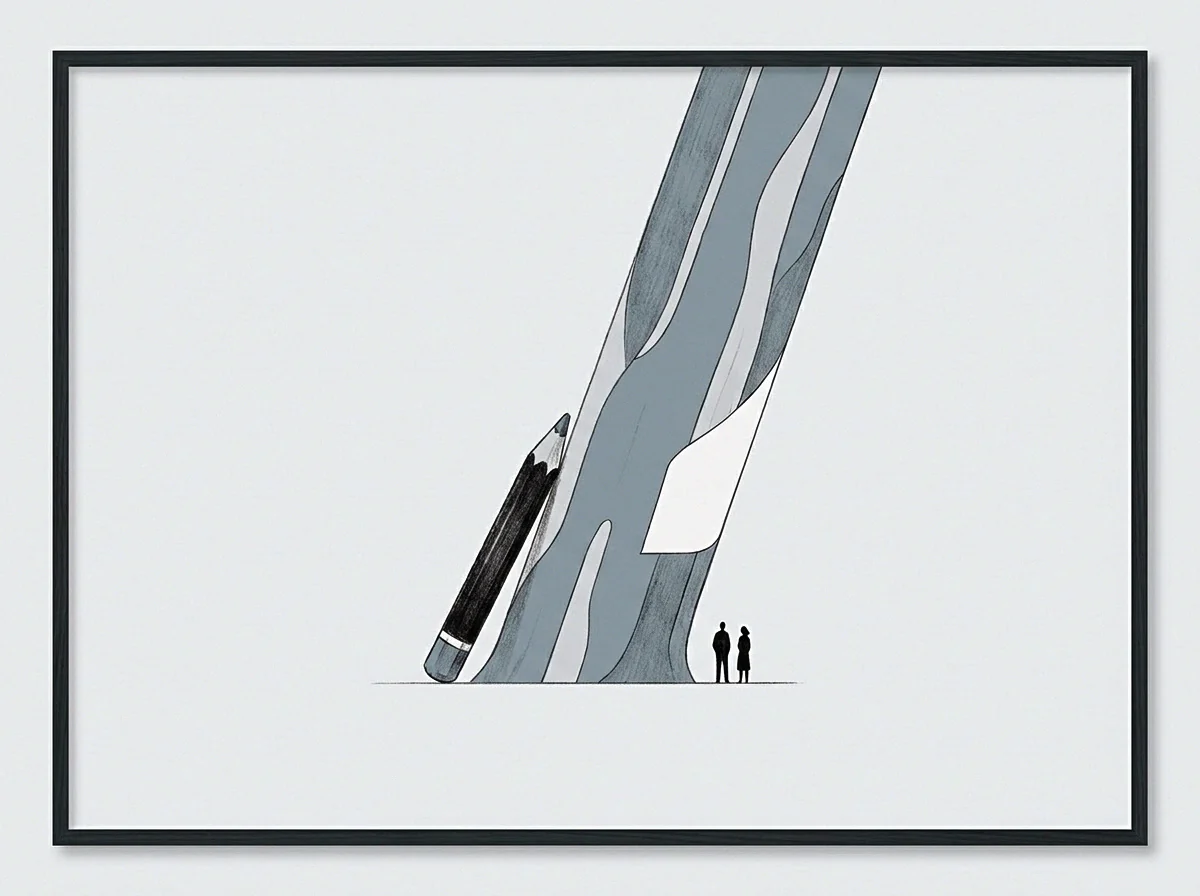
Fuel
The human brain consumes twenty percent of total resting metabolic energy while representing two percent of physical mass. When an executive evaluates catastrophic operational risk without a peer present, metabolic consumption in the prefrontal cortex escalates. Social baseline theory establishes that the human central nervous system assumes proximity to familiar, reliable conspecifics as its default ecological baseline.
The presence of a trusted partner distributes vigilance, outsources sensory monitoring, and diminishes the neural effort allocated to threat management. Solitary conditions violate this evolutionary assumption. In the absence of a reliable co-regulator, the brain perceives the operating environment as resource-scarce and acutely hostile.
Neural circuits work harder under isolation. Functional imaging confirms that solitary risk appraisal triggers dorsal anterior cingulate cortex activation alongside elevated anterior insular signaling. These regions track systemic uncertainty and register bioenergetic strain.
When a companion holds the person’s hand or simply sits quietly in the room, neural response to identical stressors attenuates immediately. Peripheral vascular resistance drops. Hypothalamic pituitary adrenal activity subsides.
Solitary founders run these circuits without attenuation across months of runway anxiety.
Baseline neural functioning treats social isolation as an acute bioenergetic emergency.
Every unshared choice draws upon a finite supply of circulating blood glucose and cellular adenosine triphosphate. The solitary operator reviewing payroll shortfalls at midnight is not engaging in abstract cognition. The brain burns physical glucose to simulate hundreds of divergent, catastrophic futures.
The dorsal prefrontal networks must repeatedly inhibit fear responses generated by the amygdala, an inhibitory process that demands substantial bioenergetic substrate. Solitary decision makers spend metabolic reserves on internal suppression before analytical calculation even begins.
Sustained self-regulation depletes glycogen stores in astrocytes. Astrocytic glycogen breaks down into lactate to feed firing neurons during prolonged mental strain. When high-stakes decisions occur in continuous isolation, glycogen replenishment stalls.
Executive control degrades. Working memory capacity shrinks. Attention narrows toward immediate survival cues while long-range strategic synthesis dissolves.
The solitary actor experiences this metabolic deficit as physical exhaustion, cognitive inertia, and emotional flatlining.
The venture ecosystem praises solitary endurance as moral fortitude. Biology registers solitary endurance as an unsustainable metabolic drain that forces systemic physiological breakdown.
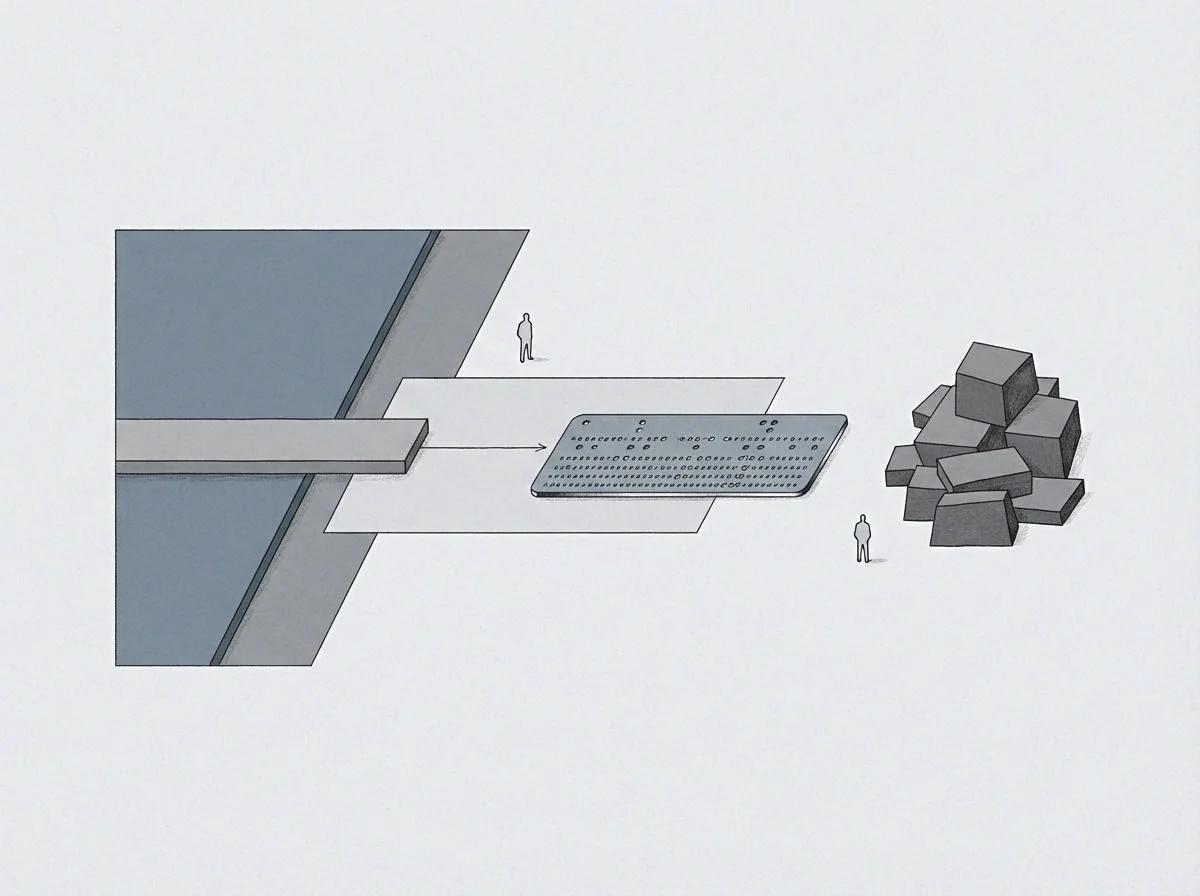
Wall
Ventures place structural barriers around the lead operator. The founder sits behind an informational partition designed to shield staff, early hires, and outside board members from paralyzing ambiguity. A founder cannot disclose payroll panic to junior software engineers without triggering resignations.
An operator cannot reveal technical architecture failures to venture capitalists during an active financing round without collapsing valuation. This deliberate suppression of disclosure builds an impenetrable behavioral enclosure.
The enclosure prevents biological co-regulation. Co-regulation depends upon reciprocal openness: an accurate signaling of vulnerability met by calm, stabilizing presence. Because the venture leader must consistently signal confidence, stability, and total directional competence, their vocal tone, facial expression, and posture remain rigid.
The person becomes an emotional shock absorber for the enterprise. Team members project their own existential workplace fears onto the leader and seek reassuring stabilization. The leader regulates the anxieties of twelve employees while receiving zero regulation in return.
A regulator proven under acute operational threat attracts more collective weight from the organization.
The bioenergetic balance runs entirely in reverse. The founder supplies borrowed calm to nervous subordinates, stabilizing their nervous systems at the expense of their own metabolic baseline. The organization functions as a thermodynamic sink, drawing energetic stabilization from one solitary seat.
The operator absorbs operational variance, converts uncertainty into actionable certainty for the team, and metabolizes the residual physiological distress alone in an empty office.
Take an enterprise operating with four months of cash reserves and twelve staff members. The following conditions govern the physiological divergence between solitary and shared governance seats:
| Physiological Variable | Solitary Governance Seat | Symmetric Co-Founder Seat |
|---|---|---|
| Prefrontal Baseline Demand | Continuous high-amplitude activation for unilateral threat inhibition | Distributed vigilance with shared neural threat indexing |
| Hypothalamic Activation | Unbroken nocturnal cortisol secretion and elevated vascular tone | Intermittent acute activation with rapid social baseline recovery |
| Signaling Directionality | Unidirectional absorption of collective organizational anxiety | Reciprocal ventilation and shared metabolic buffering |
| Peripheral Allostatic Load | Rapid multi-system dysregulation and neuroendocrine depletion | Attenuated systemic strain through shared biological load distribution |
The structural wall holds back external chaos while sealing in internal heat. The company survives because the executive absorbs the systemic volatility into their biological tissue. How long can tissue endure structural isolation before cellular repair mechanisms fail?
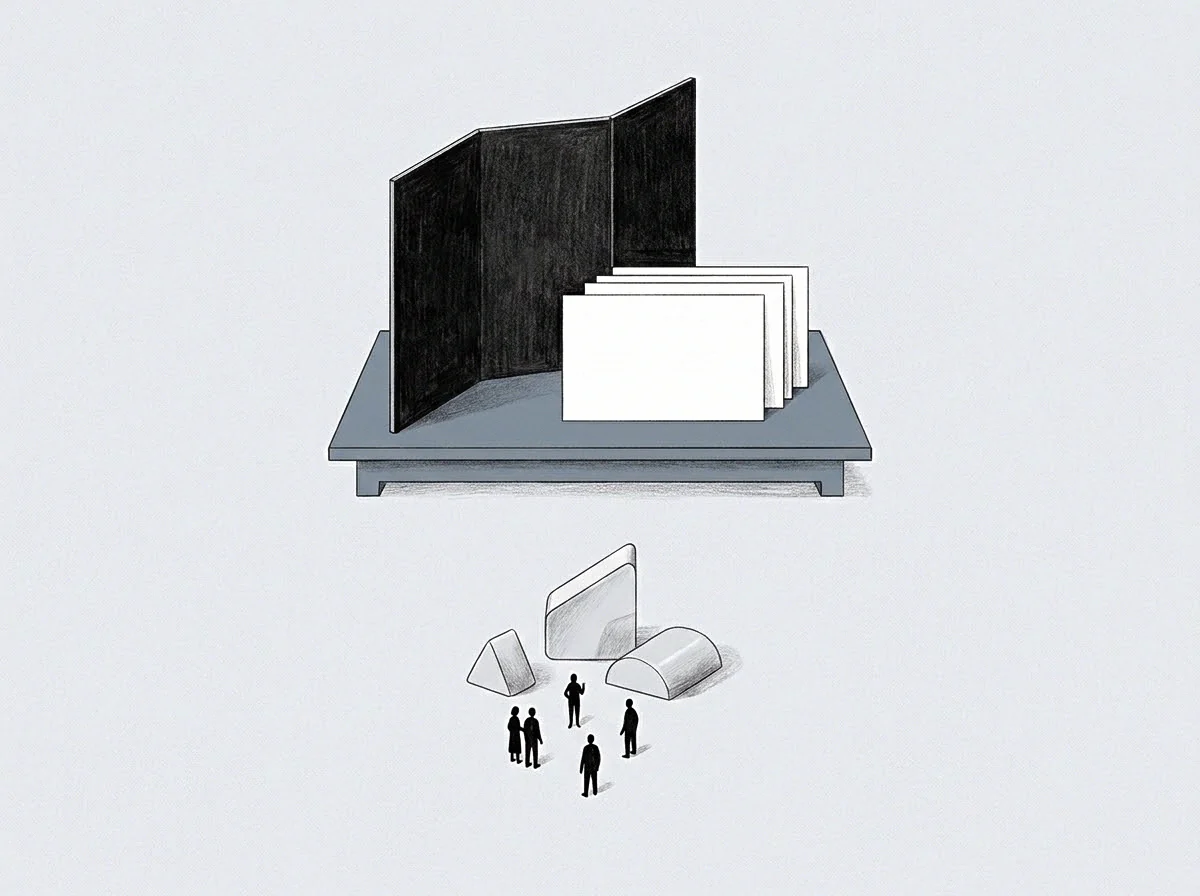
Drift
Continuous solitary evaluation gradually warps the operator’s cognitive apparatus. This biological erosion alters perceptual weighting. When astrocytes deplete and chronic cortisol elevates, the brain defaults to threat avoidance rather than value generation.
The solitary leader ceases to evaluate opportunity on commercial merit. Choices become gambits to relieve acute physiological tension.
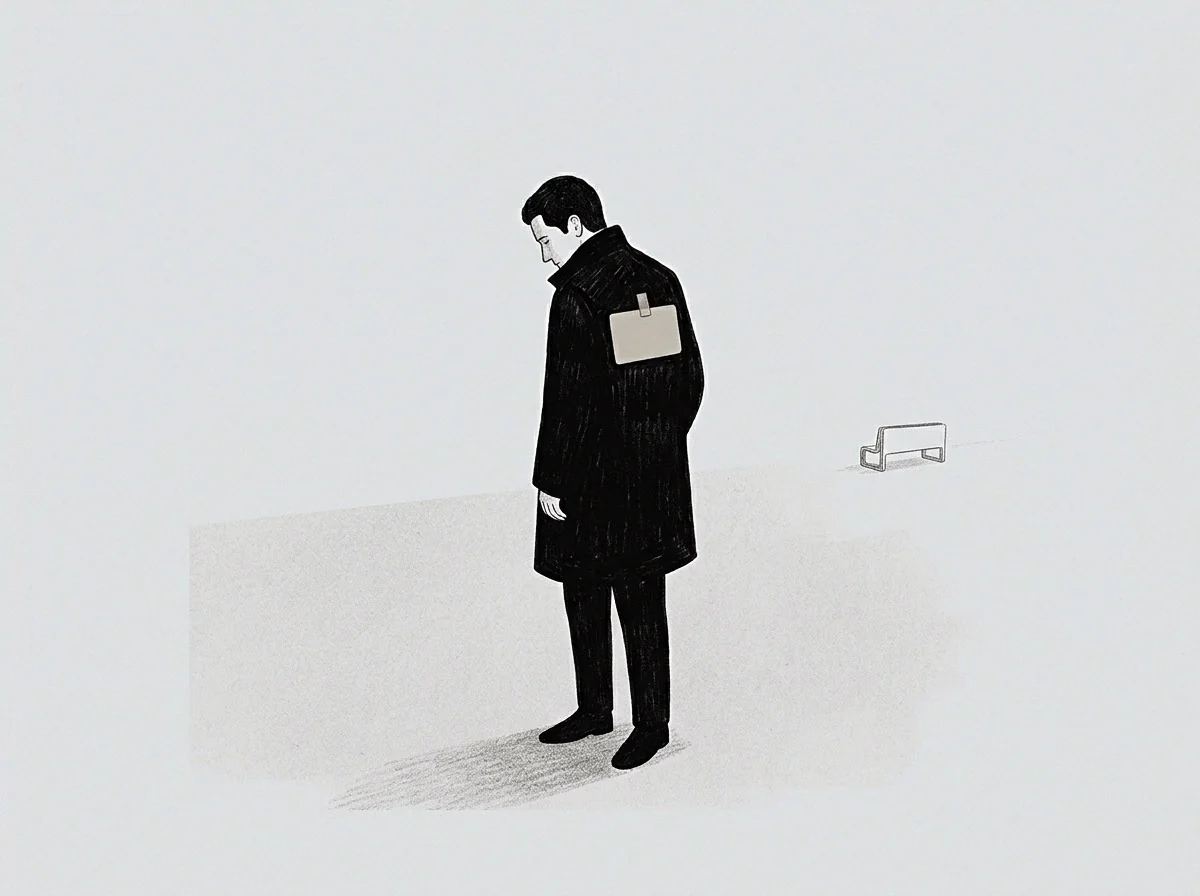
What Distorts The Unregulated Risk Calculation?
Uncalibrated nervous systems misread routine commercial feedback. An ambiguous email from an enterprise buyer registers as an existential ambush. A minor product bug triggers defensive posturing.
The solitary operator loses the biological dampener that close human presence provides. In healthy pairs, a partner’s casual posture or neutral vocal tone instantly communicates that an event is manageable. Solitary actors lack this immediate reality check.
Without an external biological mirror, internal evaluation drifts toward systemic distortion:
- Threat Misattribution translates routine counterparty delays into catastrophic operational betrayals.
- Premature Capitulation trades long-term enterprise equity for immediate relief from bioenergetic load.
- Hyperactive Invalidation discards workable product pathways due to transient cognitive fatigue.
- Somatic Dissociation severs conscious awareness from escalating cardiovascular and immunological warning signs.
The nervous system throttles cognitive performance to prevent organismic death. Brain fog, apathy, and executive paralysis represent biological fuses tripping to cut off energy-hungry prefrontal circuits. The founder sitting immobilized before a blank pitch deck at midnight is not lazy.
The prefrontal cortex has exhausted its glycogen reserves. The survival apparatus shuts down higher cognition to protect basic metabolic maintenance.
The investor across the table notices only that the company missed its quarterly hiring target and that the pitch has lost its precision.
Anchor
Recovering metabolic efficiency requires physical and relational restructuring. The solitary operator cannot think their way out of a bioenergetic deficit. Intellectual insight does not replenish astrocytic glycogen or down-regulate an overactive amygdala.
Biology requires actual, repeated somatic evidence of shared survival. The human organism updates its internal working models through physical experience, not theoretical comprehension.
True biological anchoring demands symmetric exposure. An advisory board or executive coach rarely provides co-regulation because their commercial incentives remain detached from venture survival. If the company fails, the advisor bills another client.
The founder’s nervous system senses this asymmetry instantly. Effective co-regulation occurs between individuals who share identical systemic consequences. A true co-founder or an operational partner holding equivalent commercial exposure distributes the bioenergetic load because both organisms bear the existential weight together.
A second internal working model forms through repeated physical exposure to reliable human presence under load.
The update path requires the solitary operator to construct a receptor slot for support. Individuals who build ventures alone often run attachment mechanisms backward: they internalize a model of themselves as the sole reliable caretaker. They equate safety with complete unilateral control.
Allowing another person to hold strategic weight feels dangerous to a nervous system wired for solitary survival. The founder must repeatedly experience the physical reality of another person absorbing threat without the venture collapsing.
This biological rewiring takes months of disciplined practice. The operator states raw, unvarnished financial truths to a peer and observes that catastrophe does not follow. The prefrontal cortex gradually down-regulates its chronic vigilance.
Baseline cortisol drops. Astrocyte glycogen stores recover. When threat returns, the brain budgets metabolic resources under the physiological assumption that an ally stands within reach.
A solitary seat doubles the metabolic price of every commercial decision.