
How Social Baseline Theory Explains Burnout In High Boundary Leaders
Social baseline theory explains executive burnout as the metabolic deficit caused when high boundaries block co-regulation, forcing continuous solo self-regulation.
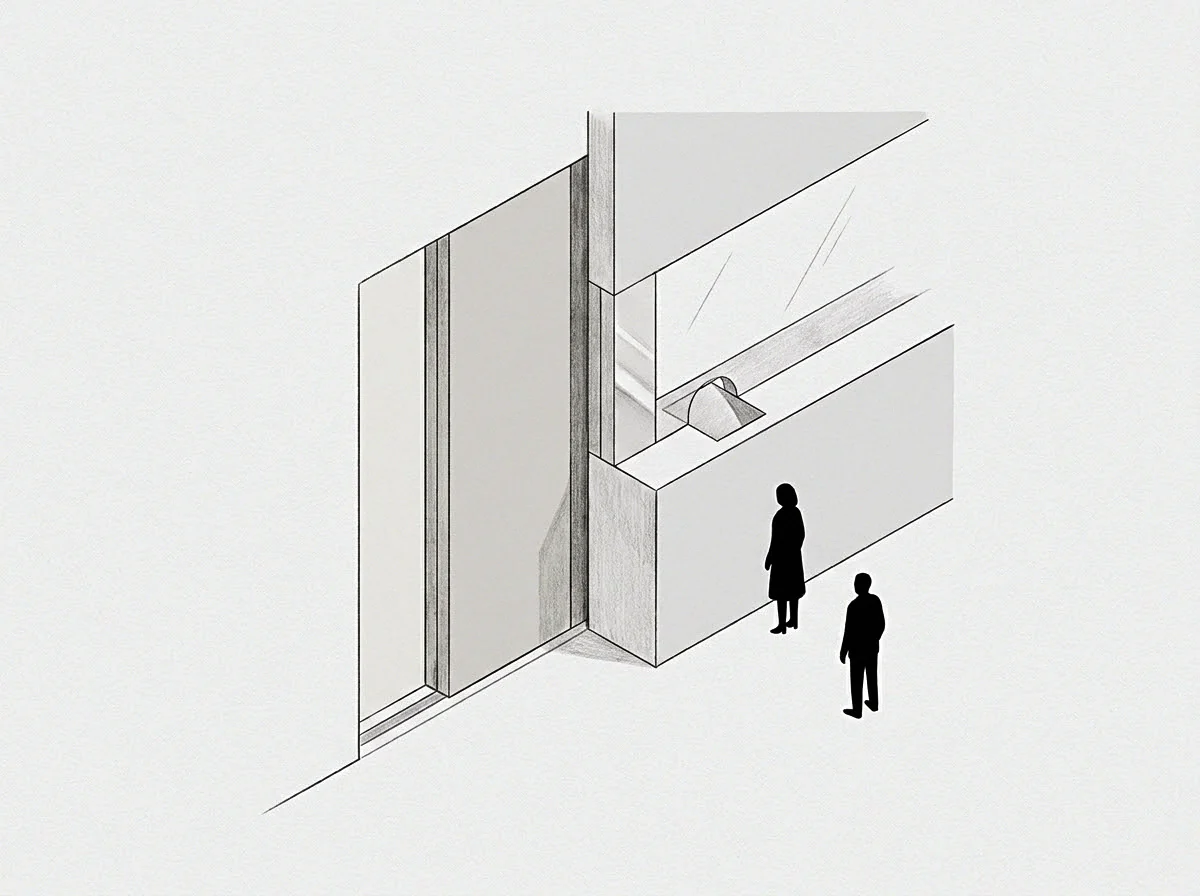
Wall
Four operational messages sit unread on a laptop display at eleven o’clock at night while the founder sits motionless in a quiet office. The phone remains silenced in a drawer. Strict access schedules were established three months prior, limiting direct direct-reports to two hourly windows each day.
Every explicit availability limit has been communicated, documented, and enforced. Operational scope is clear, external requests are systematically deflected, and calendar blocks protect deep work. Physical exhaustion remains absolute despite perfect structural insulation.
The standard explanation for executive exhaustion points to over-commitment, blurred schedules, or inadequate limits. When a leader institutes strict operational boundaries yet continues to experience severe metabolic depletion, standard models of workplace stress fail to explain the breakdown. High boundary enforcement often correlates with accelerated exhaustion rather than recovery.
The friction lies between cognitive control strategies and biological regulation mechanisms.
Human nervous systems construct risk estimates based on available relational support rather than calendar structure alone. Setting absolute operational barriers stops incoming demands while simultaneously severing the subtle streams of shared physiological regulation. The founder remains the sole resting point for organizational tension, holding personal and collective risk inside an isolated system.
The body registers total isolation while bearing high accountability as a state of acute ambient threat.
The total energy required to run a high-vigilance state without shared baseline support quietly consumes executive working memory and metabolic reserves. Strategic decisions slow down. Physical recovery degrades.
The structural limit keeps the team at a distance, but the internal brain budget continues to run at maximum cost because self-regulation remains the only active mode.
Insulating the leader from incoming pings without establishing shared baseline regulation raises the metabolic expense of staying calm above what the organism can sustain.

Overhead
Human brain architecture treats social proximity as the primary baseline state for energy distribution. The brain defaults to assuming that secondary biological systems are present to assist with threat monitoring and environmental adaptation. Proximity to reliable allies reduces the energy spent by the central nervous system on vigilance, thermoregulation, and motor readiness.
Self-regulation alone is the expensive emergency backup mode, deployed only when social baseline conditions are absent.
Social baseline theory establishes that the human brain continuously calculates neural economy through environmental context. When reliable partners are nearby, the brain delegates threat processing to the group, conserving glucose and suppressing stress hormone activation. Proximity lowers baseline threat.
Social Baseline Theory establishes that the human nervous system budgets metabolic energy around the presence of reliable allies rather than individual effort alone.
When high boundary leaders implement rigid structural separation, the neural architecture registers the loss of co-regulation as a sudden spike in environmental risk. Cognitive boundaries prevent physical requests from entering the office, but they force the central nervous system to fund threat detection entirely from internal reserves. The metabolic cost of staying steady under heavy responsibility rises sharply when no shared regulation is present.
The long-term physiological consequence of running high-boundary operations without shared baseline support emerges through distinct operational failure modes:
- Vigilance hyper-activation causes the central nervous system to maintain elevated heart-rate variability suppression even during complete physical silence.
- Allostatic overload occurs as continuous baseline self-regulation drains cellular energy faster than sleep can restore metabolic reserves.
- Cognitive constriction restricts strategic working memory down to short-term risk mitigation as threat-monitoring systems draw priority allocation.
- Receptor desensitization blunts the subjective experience of calm, making scheduled time off feel like tense waiting rather than actual rest.
Vigilance burns glucose. The brain calculates proximity continuously, independent of calendar software. When an executive cuts off relational presence to preserve capacity, the internal budget reflects a stark reality: the energy saved by avoiding conversations is instantly consumed by the higher cost of self-regulating in isolation.
A boundary that eliminates contact without substituting co-regulation increases net physiological cost.
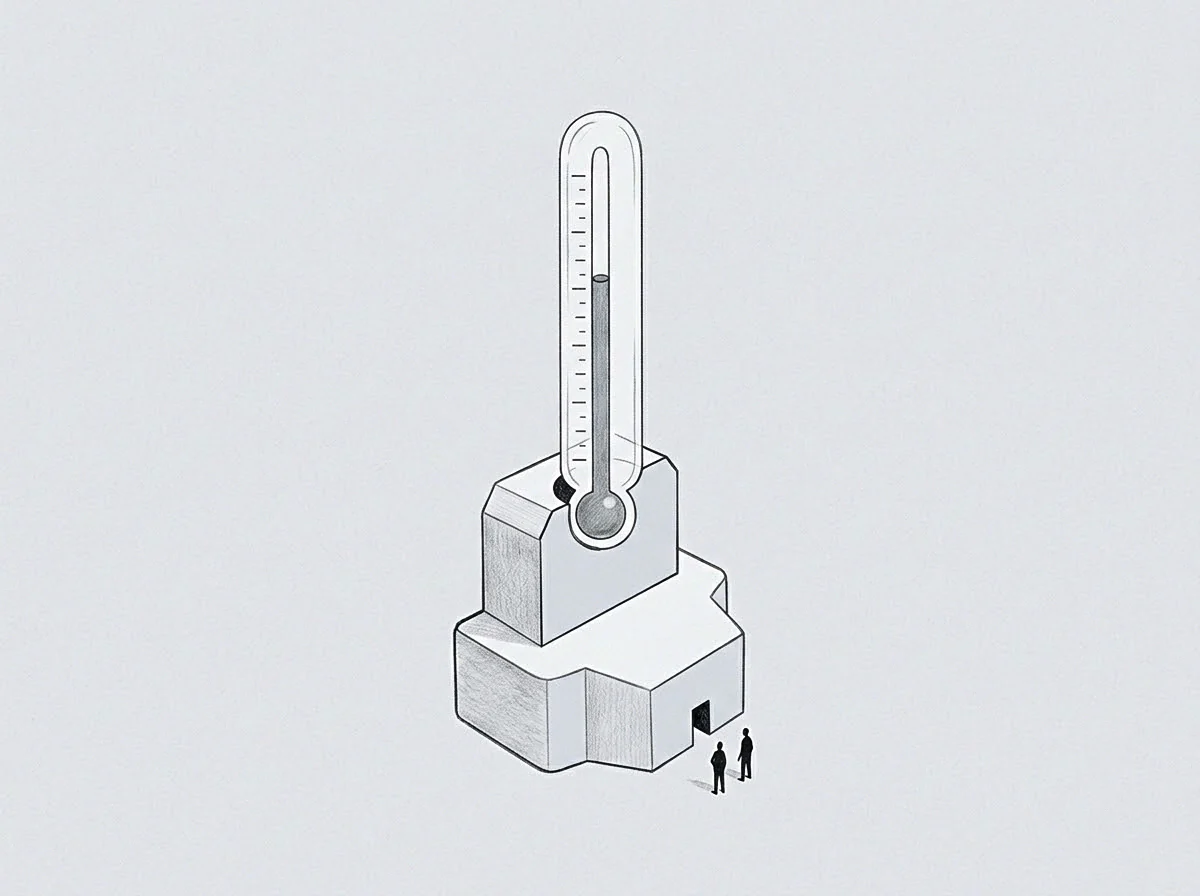
Anchor
Consider a team of thirty engineering leads operating under a chief technology officer who built the core infrastructure over four years. The officer maintains precise limits: no weekend communications, zero unscheduled calls, and strict agenda mandates for every interaction. Despite these structural guards, team members consistently bring implicit anxiety into every room.
In one-on-one sessions, the officer stays completely composed, absorbing project uncertainty, resolving panic, and offering steady direction. The team leaves every meeting visibly relieved, while the officer leaves every meeting feeling drained of physical vitality.
The officer functions as the regulatory anchor for the entire group. People attach to a stable person’s physiological state rather than to their explicit policies or written documents. Borrowed regulation registers as one’s own calm.
Team members co-regulate against the officer’s steady presence, using the officer’s internal stability to soothe their own operational anxiety. The team’s cost drops while the officer’s cost escalates.
Borrowed regulation allows team members to register a leader’s internal stability as their own calm while the leader absorbs the total physiological cost.

Why Does Cognitive Boundary Setting Elevate Metabolic Load?
The difficulty deepens through the structure of the leader’s internal working model. A leader who developed early security through self-reliance internalizes a model where they act as the universal regulator for others, but possess no receptor slot to receive regulation themselves. Regulating self and regulating others merge into one operation running on a single template.
When load increases, the leader’s habit is to tighten limits and increase self-control, effectively closing the system to external inputs.
The seat stays heavy. Capacity drops quickly. Because the officer presents absolute stability at the boundary, team members interpret high boundaries not as distress, but as unlimited capacity.
The proven ability to hold steady under threat attracts more incoming weight from the organization. The leader’s strict limits paradoxically signal to the organization that the leader needs no support, accelerating the drain on an already depleted baseline.
The team feels completely safe because the executive handles everything, while the executive feels entirely alone because nobody holds the room.
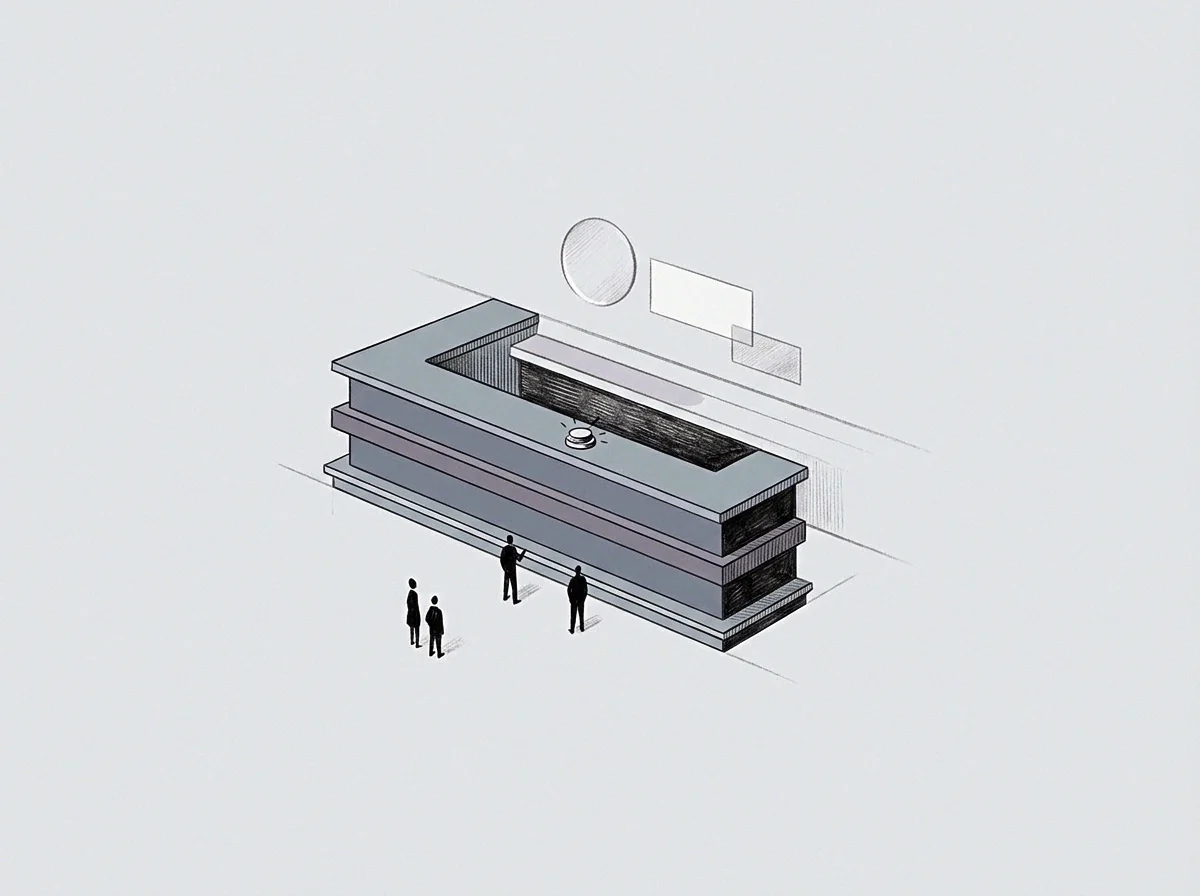
Channel
Evaluating executive sustainability demands clear distinctions between cognitive limit-setting and biological co-regulation. High-boundary strategies vary widely in their metabolic consequences depending on whether they isolate the leader or create targeted channels for shared regulation.
Limits alter access. The body keeps score. Examining structural interventions across operational variables reveals the divergence between superficial availability rules and genuine baseline economy.
| Boundary Strategy | Metabolic Spend Mode | Ambient Vigilance Level | Co-Regulation Intake | Template Update Path |
|---|---|---|---|---|
| Isolation Walls | Exclusive Self-Regulation | Severe Hyper-Vigilance | Zero | Blocked |
| Scheduled Throttling | High Intermittent Spend | Sustained Moderation | Minimal | Latent |
| Selective Co-Regulation | Shared Social Baseline | Low Baseline Threat | High Targeted Stream | Active Earned Security |
Transitioning from isolating boundaries to selective co-regulation requires structural adjustments to how information and presence flow across the leadership layer. Operational restructuring proceeds through specific adjustments:
- Establishing peer co-regulation spaces where responsibility is distributed symmetrically without performance demands.
- Replacing passive availability windows with structured reciprocal problem-solving protocols that mandate two-way vulnerability under operational pressure.
- Building explicit handover terms that transfer total risk responsibility alongside operational tasks, removing the latent monitoring burden from the founder.
Structural limits that restrict operational access without building peer co-regulation loops elevate baseline threat by forcing the nervous system to manage risk in total isolation.
The signal registers. The load remains. When an organization mistake occurs, traditional high-boundary paradigms advise the leader to enforce harder limits.
If those limits maintain total isolation, allostatic load continues to accumulate until systemic collapse occurs.
The presence of a clear operational limit changes access permissions without changing the metabolic cost of holding accountability alone.

Shift
Updating the regulator template cannot be accomplished through cognitive insight alone. Intellectual understanding of social baseline theory leaves the underlying neural threat budget unchanged. The internal working model updates exclusively through repeated actual experiences of shared regulation under real environmental load.
Earned security is an experiential outcome, not an intellectual decision.
The baseline resets. A high boundary leader initiates template revision by permitting small, controlled windows of shared state regulation with trusted peers. This does not mean disclosing personal vulnerabilities or abandoning operational standards.
It means sitting in high-stakes operational environments alongside individuals whose nervous systems are capable of bearing heavy accountability without transferring their anxiety back to the leader.
When a leader experiences a reliable peer remaining steady during an operational crisis, the brain registers that threat monitoring can be shared. Metabolic demand drops. The glucose cost of baseline vigilance declines as the nervous system updates its environmental risk calculations.
Over time, the receptor slot for being held opens, creating a second operational template alongside the historical self-reliance pattern.
The contract holds. The template resists logic until physical evidence accumulates. As the new template stabilizes, boundaries transform from defensive walls that isolate the leader into precise filters that regulate flow while keeping low-cost co-regulation channels wide open.
The leader maintains high operational standards while operating from a baseline sustained by genuine shared presence.