
How Symmetrical Risk Bearing Forces Neural Adaptation In Primary Attachment Templates
Symmetrical risk bearing introduces persistent neural prediction errors that force asymmetrical attachment templates to rewire into reciprocal co-regulation.
Exposure
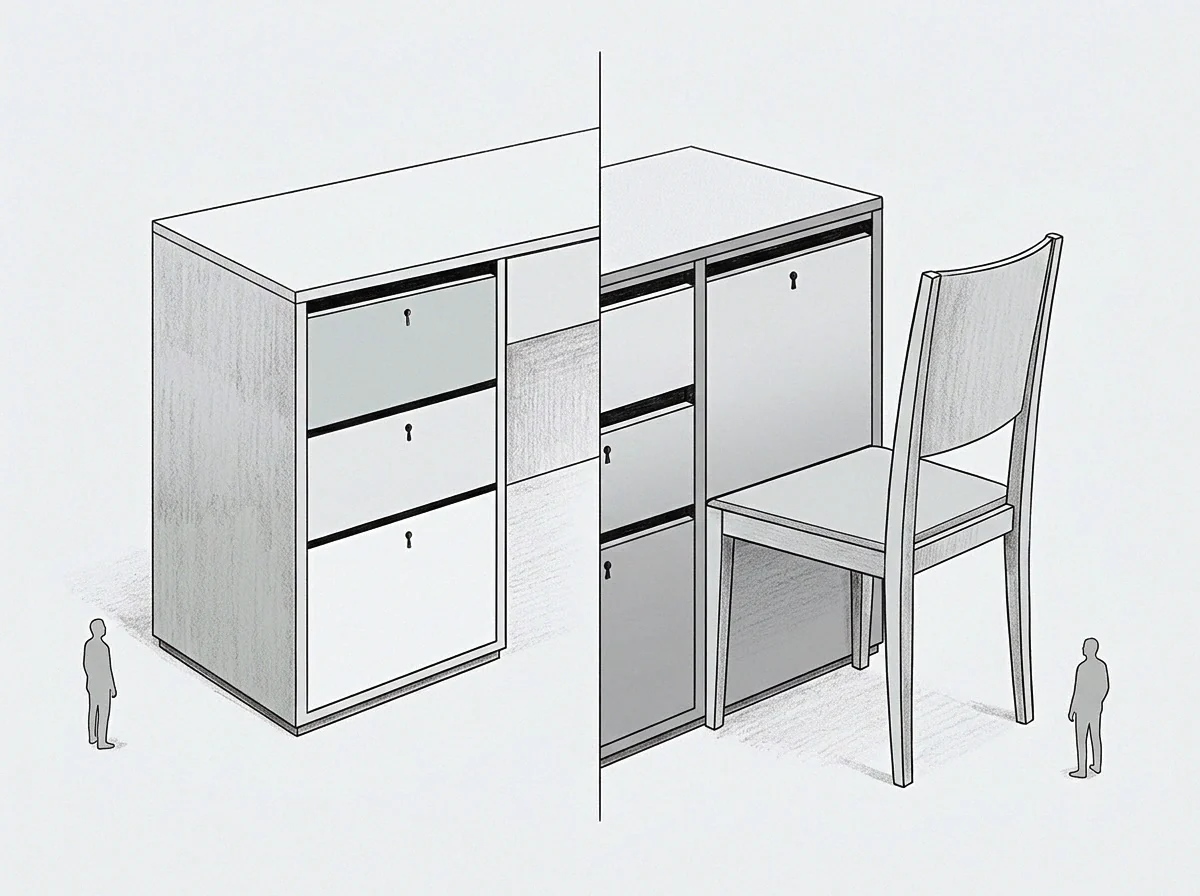
Four urgent financial notices sat unanswered on the desk while capital calls remained underfunded by mid-afternoon. In high-stakes ventures, institutional pressure reveals the underlying architecture of relational dependencies. Take two operators who built a venture over three years under an unstated risk distribution.
Assume the first operator pledged personal credit lines, signed uncapped personal indemnities, and held personal liability for payroll shortfall. Assume the second operator held equal equity and voting rights, yet carried zero personal downside exposure if the entity folded.
When solvency threats emerge, the second operator maintains an even pulse, delivering steady strategic counsel. The organization reads this calm as emotional maturity and leadership capacity. This calm is not psychological resilience; it is the natural consequence of having no skin in the game.
Capital calls arrived late. The debt signature remained unilateral. The first operator absorbs the entire allostatic load of enterprise survival, while the second operator draws baseline stability without contributing to the underlying reserve.

Operational Solitude in Unilateral Liability
The executive team expected full capital protection without offering personal collateral against the venture debt. This dynamic creates a structural asymmetry in regulation. The unexposed partner uses the exposed partner as a regulatory anchor, leaning on their operational buffering to remain calm.
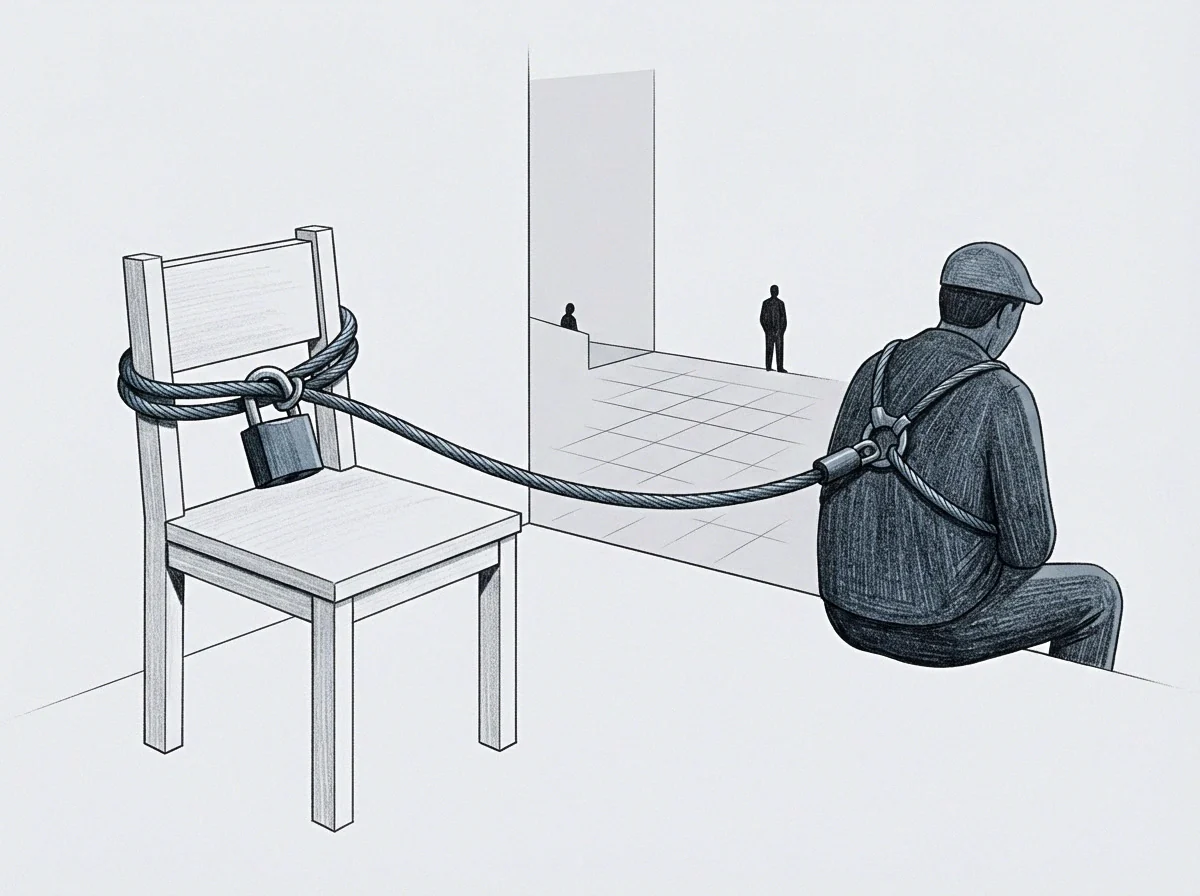
Solitary regulation exacts a heavy toll. The exposed operator operates in solitary baseline defense, calculating risk, monitoring cash reserves, and absorbing systemic shock alone.
When primary attachment templates are forged under conditions where primary caregivers were unreliable, unpredictable, or absent, the nervous system adopts a protective strategy. The brain internalizes a structural assumption: reliance on another person carries an intolerable metabolic or systemic threat. The individual learns to manage baseline equilibrium entirely through solitary control.
In institutional settings, this internal working model manifests as taking on all downside risk while shielding partners from operational consequences. The arrangement functions smoothly because one temperament remains unshakeable while the other supplies operational momentum.

Budget
Social baseline theory demonstrates that the human central nervous system calculates energy expenditure based on perceived proximity to reliable conspecifics. When the brain senses a capable, trustworthy partner, it down-regulates its own neural threat-monitoring networks. Metabolic conservation occurs because the environment is budgeted as a shared load.
Self-regulation alone is the expensive metabolic mode; proximity to a reliable partner is the cheap metabolic mode.
An individual with an asymmetrical attachment template runs this baseline economy backwards. Early developmental conditioning teaches the nervous system that secondary figures are sources of volatility rather than regulatory efficiency. The person constructs a backward template where self-preservation requires positioning oneself as the sole regulatory anchor for the environment.
They become the responsive other for co-founders, partners, and teams, taking on external turbulence to keep the room stable. This strategy suppresses the internal receptor slot required to receive incoming support.
Allostatic Conservation in Solitary Neural Regulation
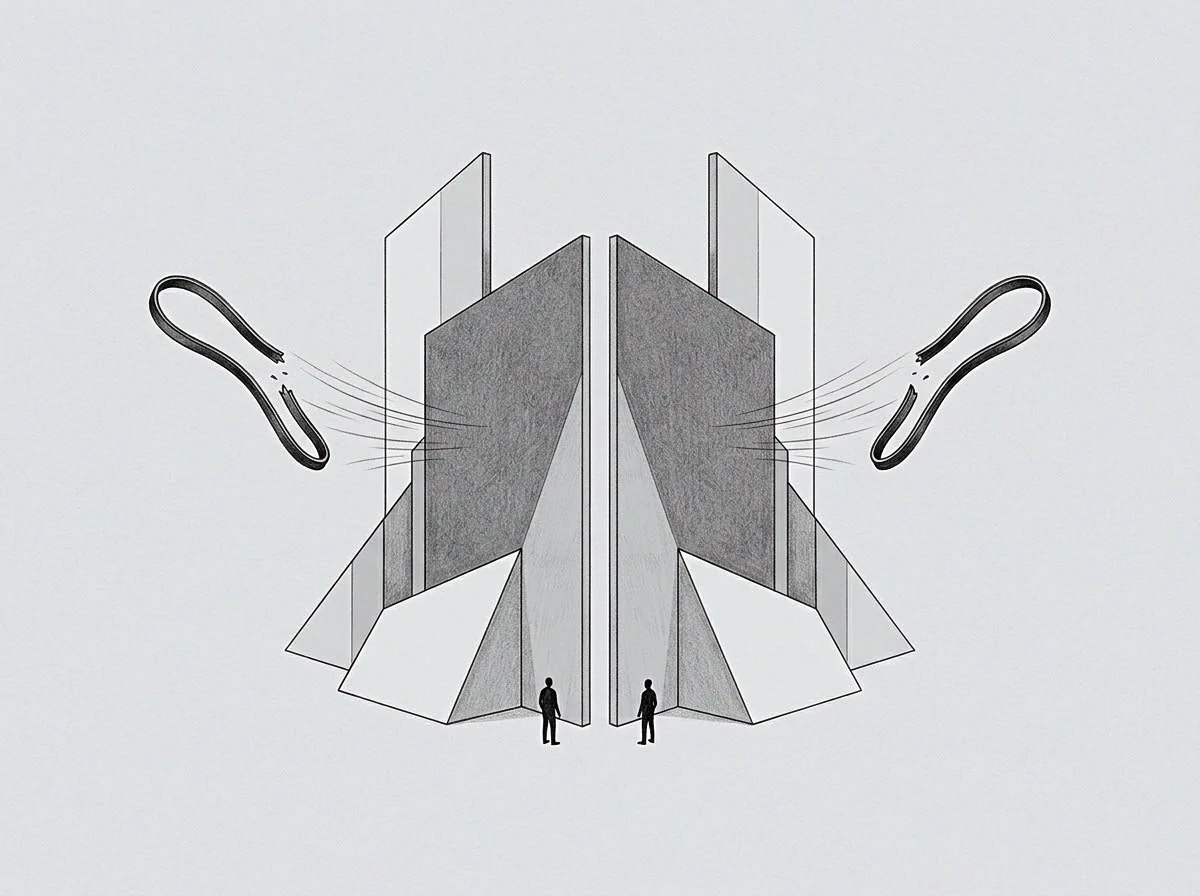
When an individual encounters an environmental threat alone, metabolic expenditure escalates rapidly in the prefrontal networks. Brainstem and limbic structures maintain high baseline arousal to anticipate counterparty default. Over time, this state increases overall baseline expenditure, depleting cognitive reserves and restricting long-term strategic headroom.
Proximity to an entity that absorbs equal exposure reduces metabolic expenditure during acute environmental threat.
Sustained operation under this backward template produces predictable autonomic patterns across high-pressure environments:
- Suppressed receptive capacity – The autonomic nervous system processes incoming structural support as unpredictable noise rather than baseline stabilization.
- Unilateral load absorption – The nervous system internalizes complete operational risk to prevent external volatility from disrupting internal equilibrium.
- Continuous threat monitoring – Brainstem structures maintain high arousal states because no secondary cognitive architecture shares systemic downside exposure.
The individual treats offers of assistance as administrative friction or structural risk. They prefer to sign the guarantee alone, manage the emergency alone, and hold the baseline alone. Metabolic reserves drain under continuous vigilance.
Solitary operation preserves short-term control at the expense of long-term biological capacity. Sustained operation under unilateral risk depletion guarantees eventual cognitive exhaustion, forcing involuntary structural detachment when internal reserves reach zero.
Rupture
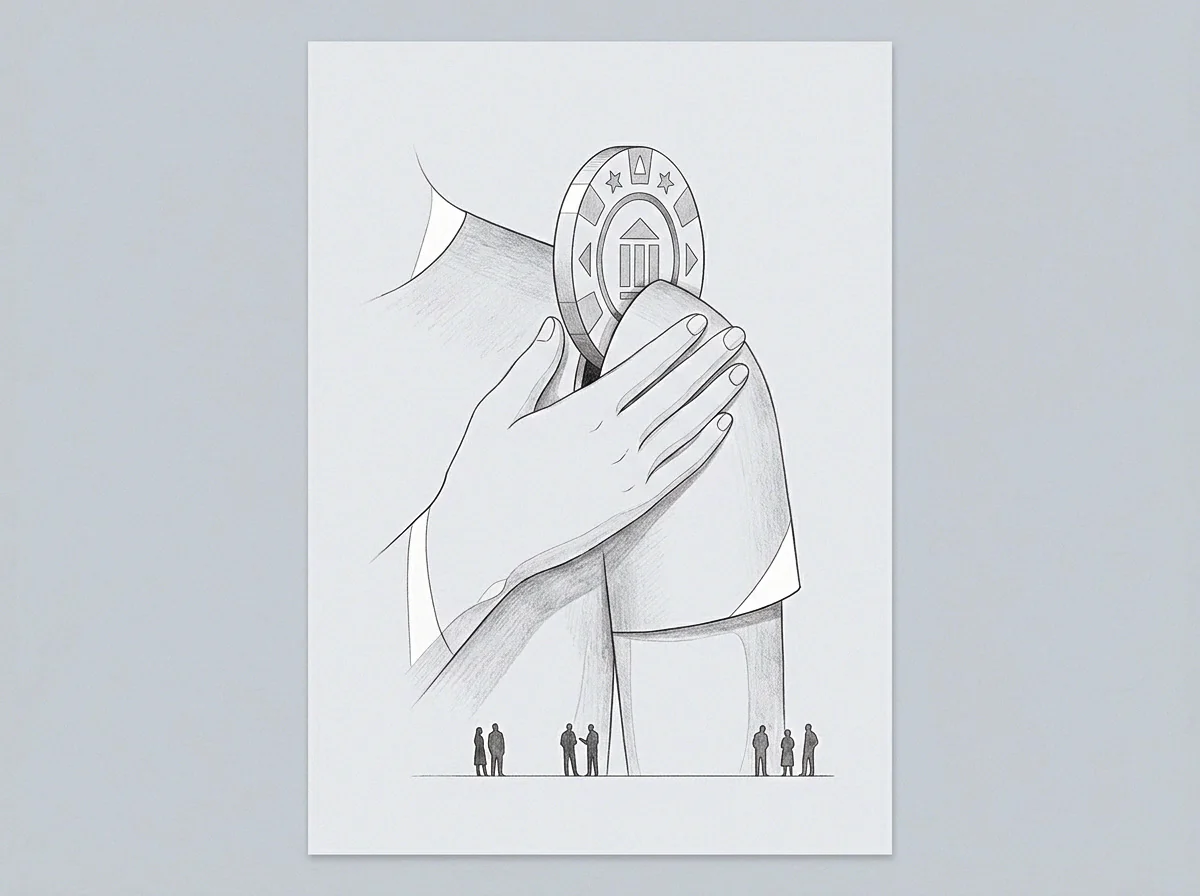
Cognitive comprehension of an unbalanced operational dynamic fails to alter autonomic threat responses. An operator can analyze an asymmetrical arrangement in detail, read executive literature, and name their attachment tendencies without shifting their baseline physiology. Intellectual insight alters nothing at the autonomic level.
Prefrontal understanding sits in neocortical circuits, whereas relational prediction models reside in subcortical structures, including the amygdala and anterior insular cortex.
Subcortical networks update through direct sensory experience and operational outcomes. The primary attachment template remains locked in solitary regulation as long as the structural arrangement allows the individual to buffer the environment. Neural adaptation requires a structural shock: the brain must encounter a situation where solitary buffering is physically impossible or metabolically unsustainable.
Predictive errors drive neural rewiring.
Does Mutual Risk Exposure Force Internal Model Rewiring?
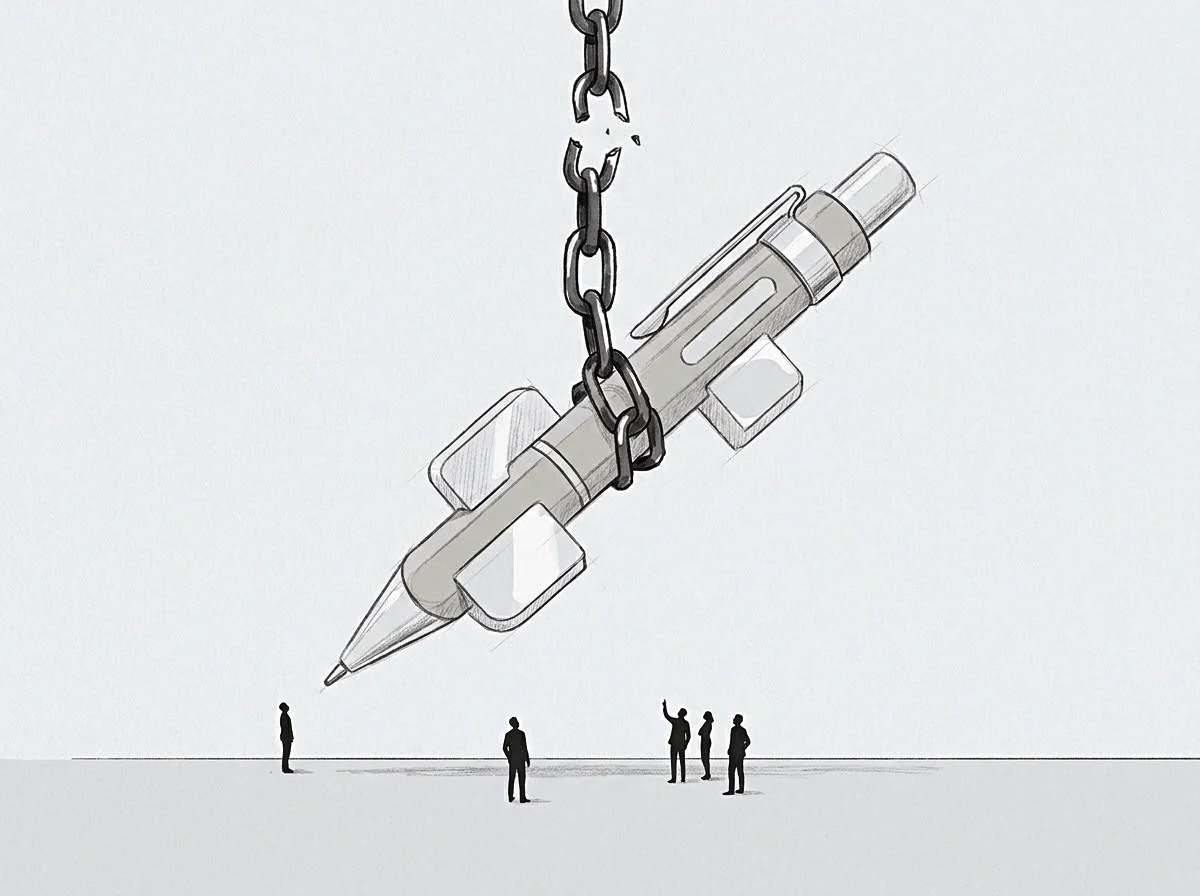
Subcortical threat circuits expect baseline historical patterns to repeat indefinitely. When an operator who historically absorbed all personal risk establishes strict operational symmetry, the predictive model encounters an immediate boundary. Symmetrical risk bearing forces both parties to share identical, non-transferable consequences for organizational failure.
If liquidity falls below a defined threshold, both personal balance sheets suffer direct impact.
When risk exposure is strictly equalized, predictive neural errors force the insular cortex to register mutual reliance as a metabolic savings.
In this environment, the individual can no longer protect the partner without exhausting personal reserves. The brain faces a stark reality: continue solitary buffering into immediate collapse, or yield operational territory to a partner who carries equal exposure. Cognitive awareness cannot re-wire subcortical circuits.
Only the operational impossibility of solitary defense forces the insular cortex to register predictive error. Whether an individual whose early template was forged in solitary self-reliance can accept complete vulnerability during catastrophic drawdowns remains uncertain until the final liquidity threshold is reached.
Balance
Structural alignment across operational frameworks determines whether neural networks adapt or maintain historical defenses. To force neural adaptation in a primary attachment template, risk symmetry must be absolute, transparent, and structurally binding. Partial symmetry or advisory alignment fails to trigger the required prediction errors; the nervous system easily detects when a counterpart retains a exit ramp that avoids total exposure.

Conditioning Synaptic Plasticity Through Shared Consequences
Contractual symmetry enforces autonomic engagement by linking personal outcomes directly to partner decisions. When equity vesting, legal guarantees, capital commitments, and public accountability are distributed equally, the brain can no longer categorize the partner as an unshielded passenger. The table below outlines how specific structural risk configurations impact neural baseline responses and attachment template adaptation horizons.
| Structure Type | Risk Allocation Matrix | Neural Baseline Response | Template Update Horizon |
|---|---|---|---|
| Asymmetrical Exposure | Unilateral personal liability with shared voting rights | High allostatic load and solitary threat monitoring | Zero adaptation; reinforces backward template |
| Insulated Advisory | Performance fees without capital loss or downside exposure | Passive baseline borrowing from the unshielded operator | Superficial equilibrium without neural updating |
| Symmetrical Risk Bearing | Equal financial liability, joint guarantees, shared loss thresholds | Prediction error activates insular plasticity | Measurable adaptation within six to eighteen months |
Updating the internal working model follows a distinct operational sequence when genuine symmetry is enforced:
- Equal financial capital or equivalent irreplaceable personal assets are committed without unilateral indemnification.
- Operational decisions carrying systemic downside require mutual signatory authority where both reputations suffer direct impact.
- The individual allows the counterpart to execute critical risk-mitigation tasks without intervention, observing that personal threat levels remain unchanged.
- Metabolic cost calculations adjust downward as subcortical structures register that organizational survival no longer depends on solitary vigilance.
Contractual alignment resets metabolic expectations. When both partners operate under joint liability, the neural cost of monitoring counterparty competence drops. Joint signatures enforce mutual operational exposure.
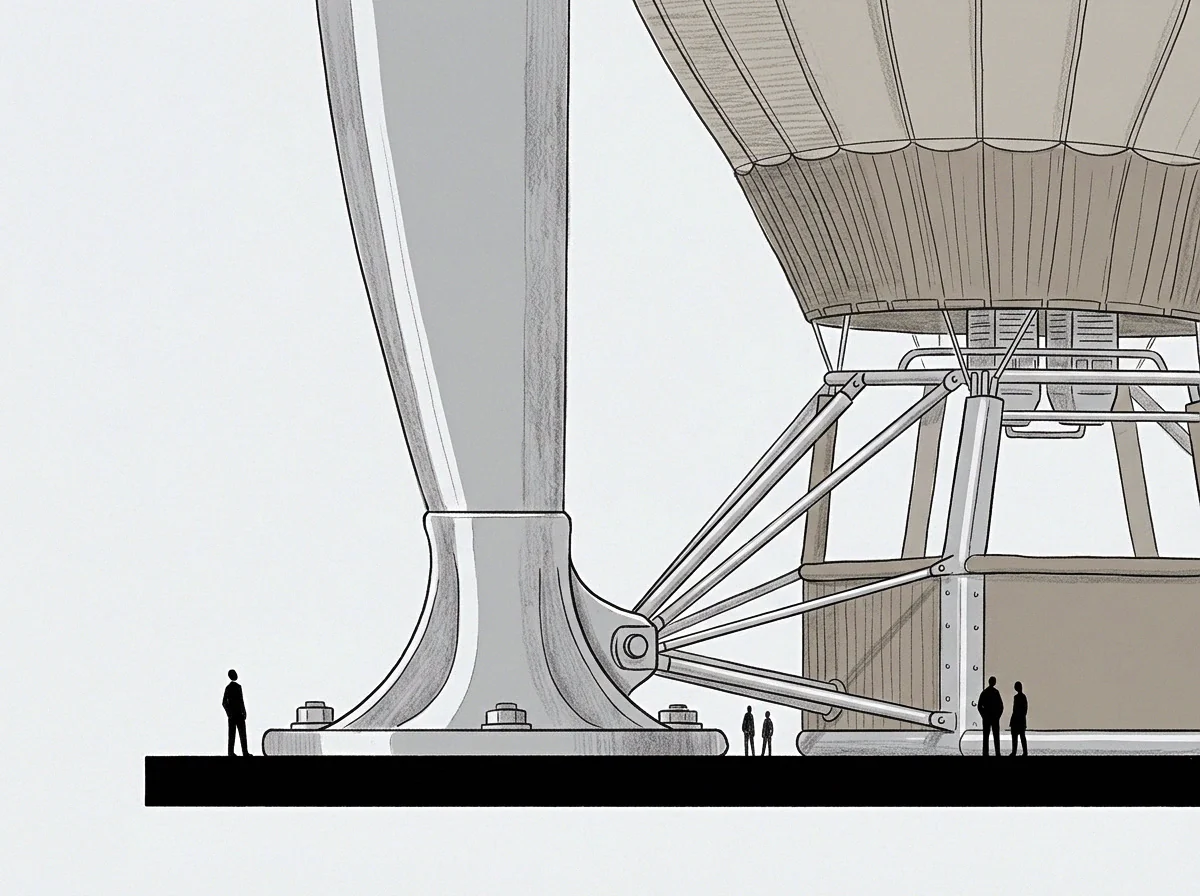
The brain begins to categorize the partner’s presence as genuine regulatory relief rather than a potential liability vector. A mandatory joint equity commitment clause shifts the autonomic expectation from solitary defense to co-regulation within ninety days.
Reconstruction
Neural rewiring requires persistent behavioral repetition across high-stakes scenarios. When symmetrical risk bearing is legally and operationally locked, the individual enters the reconstruction phase. The nervous system encounters high-threat moments—liquidity squeezes, regulatory audits, operational failures—and discovers that the partner does not retreat, transfer load, or demand emotional buffering.
The partner stands in equal exposure, making decisions from an identical skin-in-the-game posture.
This experience generates earned security. Earned security is not an intellectual resolution; it is a structural rewrite of the neural attachment template achieved through repeated exposure to real-world reliability under load. Over six to eighteen months, the delta over time demonstrates that mutual exposure holds firm under stress.
The brain constructs a second template. This secondary neural architecture runs parallel to the early primary template, establishing a functional receptor slot that allows the individual to accept incoming borrowed regulation.

Integration of Shared Governance Mechanisms
Autonomic stability emerges when institutional protocols prevent one participant from assuming complete risk oversight. Earned security requires physical repetition over time. The individual systematically hands off critical operational levers, forcing themselves to observe counterparty performance without intervention.
The prefrontal cortex actively restrains the impulse to take over, while subcortical circuits register that catastrophic failure does not occur.
A strictly enforced joint personal guarantee terminates the metabolic habit of unilateral threat monitoring within twelve months of continuous operation.
Over time, the secondary template becomes the default operational setting in professional and personal partnerships. Autonomic calm replaces hyper-vigilant threat monitoring. The individual stops scanning for counterparty default because the structural design makes default as costly to the partner as to themselves.
The transition completes quietly when an acute liquidity warning arrives and the body remains still, resting in the shared oversight of two equal balance sheets.
Adaptation
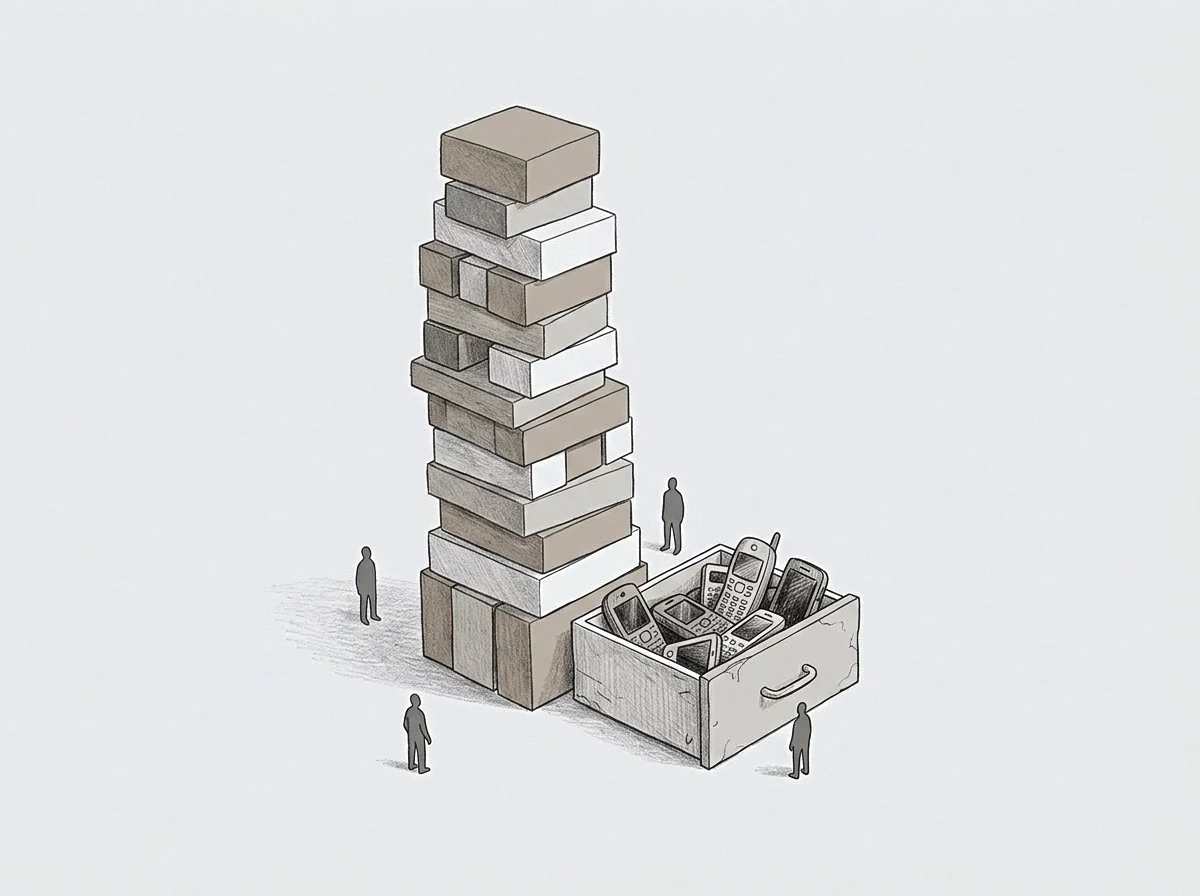
Long-term structural equilibrium establishes a new baseline for relational neuroscience. When symmetrical risk bearing successfully forces neural adaptation, the individual operates from a reconfigured neural architecture. The original primary attachment template remains recorded in historical memory, but it no longer dictates real-time autonomic responses to threat.
Shared exposure alters primary attachment expectations.
The distinction between needing a partner and choosing a partner becomes clear through operational balance. Needing a partner reflects autonomic deficit, where an individual seeks external stability because internal regulation has collapsed under unilateral load. Choosing a partner reflects symmetrical risk alignment, where two self-contained balance sheets combine exposure to maximize systemic leverage.
Neural pathways update under sustained risk alignment. Trust emerges from shared downside exposure.

Permanent Modification of Subcortical Predictive Coding
Repeated exposure to symmetrical outcomes permanently alters how the brain calculates social baseline capacity. The insular cortex updates its energy budget, recognizing that joint risk management provides higher survival efficiency than solitary vigilance. Reciprocal regulation stabilizes metabolic budgeting.
The individual no longer absorbs external volatility to protect the room; instead, they allow environmental friction to distribute naturally across shared structural buffers.
The initial phase of genuine reliance registers as a quiet absence of the impulse to inspect counterparty execution.
In this updated steady state, incoming offers of support are processed cleanly through the newly formed receptor slot. The individual experience of carrying enterprise weight shifts from solitary exhaustion to coordinated execution. The nervous system releases its chronic baseline elevation, freeing substantial cognitive headroom for long-term strategic clarity.
When shared downside replaces solitary buffering, the autonomic nervous system relinquishes hyper-vigilant baseline management in favor of reciprocal regulation.