
Long Term Structural Adaptation Of Secondary Co Regulatory Templates Under Asymmetrical Executive Isolation
Asymmetrical executive isolation forces an unreciprocated somatic subsidy that atrophies internal receptor slots until repaired by earned security.
Anchor
Four browser windows sit open beside an unread thread from an operating partner who wants reassurance before signing a supplier commitment. The person at the computer is holding a resting heart rate eleven beats above baseline while reading balance sheets that show six weeks of cash runway. When the partner walks in, sits on the edge of the mahogany table, and asks whether the expansion plan remains sound, the person speaks with steady respiration, drops vocal pitch by twelve hertz, and outlines the inventory schedule.
The partner leaves the room visibly eased, breathing at thirteen cycles per minute instead of twenty. The person remains alone in the chair, hands cold, vascular resistance elevated, and peripheral blood vessels constricted. Regulation occurred, but only one nervous system paid for it.
This dynamic forms the mechanics of asymmetrical executive isolation. When a leader acts as an unreciprocated somatic baseline for colleagues, direct reports, and capital providers, their physiology operates under an uncompensated energetic deficit. Social baseline theory establishes that the human central nervous system calculates risk, load, and caloric expenditure on the baseline assumption that reliable conspecifics share the metabolic burden of vigilance.
Proximity to a responsive other reduces neural activity in the dorsal anterior cingulate cortex and hypothalamus during threat anticipation. When an executive sits in a structural position where every social contact demands steady output while permitting zero somatic reliance, the brain alters its prediction models. It switches from social baseline distribution to solitary load carriage, treating the environment as continuously demanding and completely devoid of physiological assistance.
A nervous system functioning as an unreciprocated anchor pays the full metabolic tax of vigilance alone while loaning stability to everyone in proximity.
The secondary regulatory architecture of the individual adapts over months and years to this unilateral transmission. Attachment science identifies internal working models as cognitive and physiological maps of relational expectancies, built initially from primary caregiver responsiveness and subsequently revised through significant adult attachments. Under protracted executive isolation, these maps undergo severe pruning.
The expectations of receiving calming input wither under zero reinforcement, while the behavioral routines of broadcasting calm expand through continuous structural demand.
The founder or senior leader becomes an unanchored stabilizer: an operational hub that absorbs systemic panic, filters operational volatility into linear operational instructions, and absorbs interpersonal friction without passing it forward. Because borrowed regulation registers subjectively in the recipient as their own innate calm, the organization rarely perceives that a transaction occurred. The team assumes the stability was ambient in the room.
They return for more stability when market conditions tighten, converting the isolated leader into an infinite source of metabolic subsidy until the biological substrate fails.
Circuit
Primary Versus Secondary Relational Coding
Internal regulatory patterns divide into distinct operational tiers based on developmental origin and operational malleability. Primary templates form in early dyadic relations, encoding whether proximity to an attachment figure reduces autonomic arousal. Secondary templates develop within adult operational and hierarchical roles, governing how an individual distributes load under professional stress.
In asymmetrical leadership, these two tiers diverge sharply.
An executive might possess a secure primary template historically, yet the professional context forces the installation of a compensatory secondary template that enforces absolute self-reliance. This adaptation overrides primary instincts of support-seeking. The compensatory pattern treats any impulse toward physiological disclosure as an organizational hazard.
If the leader shows tremor, autonomic fluster, or acute hesitation during a capital drought, direct reports freeze and investors panic. The secondary template hardens into an operational circuit that treats somatic containment as the sole permissible response to operational crisis.
The Unilateral Flow of Somatic Equilibrium
The direction of regulatory flow in an executive suite follows authority lines rather than bilateral human reciprocity. Staff members bring unstructured distress into operational meetings, unloading operational dread through fragmented speech, elevated motor tension, and accelerated task-switching. The executive receives this input, down-regulates their own outward motor expression, and returns organized tasks and steady cadence.
The organizational hierarchy operates as an asymmetrical conduit where emotional chaos travels upward and somatic containment flows downward. Because down-regulation requires active prefrontal inhibition of amygdaloid signaling, the executive consumes glucose and oxygen to maintain an outward appearance of poise while the subordinate recovers metabolic equilibrium for free. This borrowed regulation leaves the subordinate feeling competent, focused, and secure.
The leader remains in the executive chair with an empty tank, an activated sympathetic nervous system, and no downstream recipient to whom their own autonomic spike can be transferred.
The systemic consequence is an accelerating feedback loop. Subordinates unconsciously register that proximity to the executive lowers their internal distress. They schedule more reviews, seek more sign-offs, and linger in office doorways under the guise of operational cross-checking.
The executive reads these interactions as routine management operations, missing the underlying physiological extraction. The organization feeds on the nervous system of the anchor until the template solidifies into an automated defense: emotional containment becomes identical with self-preservation.
Ledger
The Bioenergetic Ledger of Solitary Command
Autonomic regulation carries an absolute metabolic price tag measured in millivolts of membrane potential, micrograms of circulating glucocorticoids, and grams of burned glycogen. A person regulating solely through autonomous inhibition expends vastly more energy than a person distributing that load across a social collective. Solitary command forces the heart rate variability into a narrow, low-amplitude band, suppressing normal respiratory sinus arrhythmia in favor of prolonged vagal withdrawal.
The neurobiology of social baseline theory explains this discrepancy through resource distribution mechanics. In standard social environments, the presence of a reliable peer tells the anterior insula and the ventromedial prefrontal cortex that physical protection, sensory vigilance, and task division are shared. The brain down-regulates baseline alarm signaling, saving metabolic calories for tissue maintenance and immune defense.
In asymmetrical isolation, the brain operates in an austere reality: every sensory anomaly must be monitored alone, every threat must be neutralized without assistance, and every disruption must be absorbed through solitary somatic control.
A structural limit declared across an executive calendar operates as the physical boundary where uncompensated metabolic expenditure stops.
This prolonged operational state triggers allostatic load accumulation. The cardiovascular system maintains elevated systemic vascular resistance to ensure constant cerebral perfusion for risk analysis. The immune system shifts from cellular protection toward pro-inflammatory signaling, preparing the body for physical injury that its evolutionary machinery assumes must follow sustained social isolation.
The executive experiences this cellular reality as cognitive fog, sleep fragmentation, muscular armoring across the shoulder girdle, and an absolute inability to relax even during scheduled operational pauses.
| Operational Dimension | Symmetrical Bilateral Relational Pattern | Asymmetrical Executive Isolation Pattern |
|---|---|---|
| Vigilance Allocation | Shared sensory monitoring; split metabolic cost across executive pairs | Solitary environmental scanning; continuous hyper-vigilant prefrontal drain |
| Autonomic Signaling Flow | Bidirectional soothing; mutual somatic oscillation and vocal pitch balancing | Unidirectional stabilization; linear down-regulation of counterparties |
| Threat Anticipation Cost | Attenuated dorsal anterior cingulate activity via physical proximity | Uninhibited dorsal anterior cingulate firing under severe social load |
| Hormonal Baseline | Pulsatile cortisol release with normal evening down-slopes and recovery | Flattened, high-trough diurnal cortisol curve with suppressed growth hormone |
| Receptor Slot Status | Active operational readiness to receive stabilization from external others | Atrophied operational readiness; external input treated as potential threat |
The systemic conversion of stability into load destroys relational reciprocity. Over time, the secondary template adapts to prevent any external attempt to offer regulation. When an executive coach, a supportive board director, or a domestic partner attempts to provide presence or ease, the secondary template reads the offer as an anomaly.
A nervous system trained to exist as an unyielding pillar treats an offer of support as an unexpected operational demand, assuming that leaning into another person will result in a structural collapse or create a covert operational obligation that must be repaid with interest.
Room
Physical environments register structural isolation through their layout and acoustic dynamics. An office space configured with plate glass, isolated corridors, and soundproof perimeter barriers mirrors the solitary neurobiology of the executive chair. The furniture itself enforces asymmetry: wide oak surfaces maintain interpersonal distances exceeding the reach of human limbs, preventing tactile safety signaling.
The person sitting behind the perimeter desk lives in an acoustic vacuum where incoming sound consists almost entirely of strategic escalation, high-stakes negotiations, and structural complaints.
In this physical setting, behavioral routines turn mechanical. Consider a typical operational sequence: the executive reviews payroll shortages at dawn, conducts three dismissal interviews before midday, and manages an aggressive shareholder interrogation by mid-afternoon. Between these commitments, nobody enters the room to offer presence or verify physical well-being.
The few individuals who enter seek decisions, capital allocations, or career dispensations. The physical space becomes a high-pressure stabilization chamber where the occupant distributes biological equilibrium to visitors without retaining any for themselves.
This continuous containment permanently alters vocal and motor templates. When communicating with stakeholders, the isolated executive exhibits specific micro-behaviors:
- Suppressed micro-expressions keep facial motility confined to controlled smiles, preventing involuntary indications of somatic distress during catastrophic operational updates.
- Flat vocal prosody uses lowered fundamental frequencies and uniform sentence cadences to stabilize anxious executive committees during market corrections.
- Immobilized motor posture reduces natural limb shifting and fidgeting, communicating absolute situational control while increasing systemic muscular fatigue.
- Delayed response latency introduces an artificial two-second pause before speech, suppressing spontaneous emotional reactions in favor of calculated operational directives.
These behavioral adaptations do not terminate when the physical office empties at night. The executive drives home with the same immobilized posture, speaks to family members with the same controlled latency, and enters personal interactions using the same protective containment templates. The secondary template has consumed the primary one.
Fault
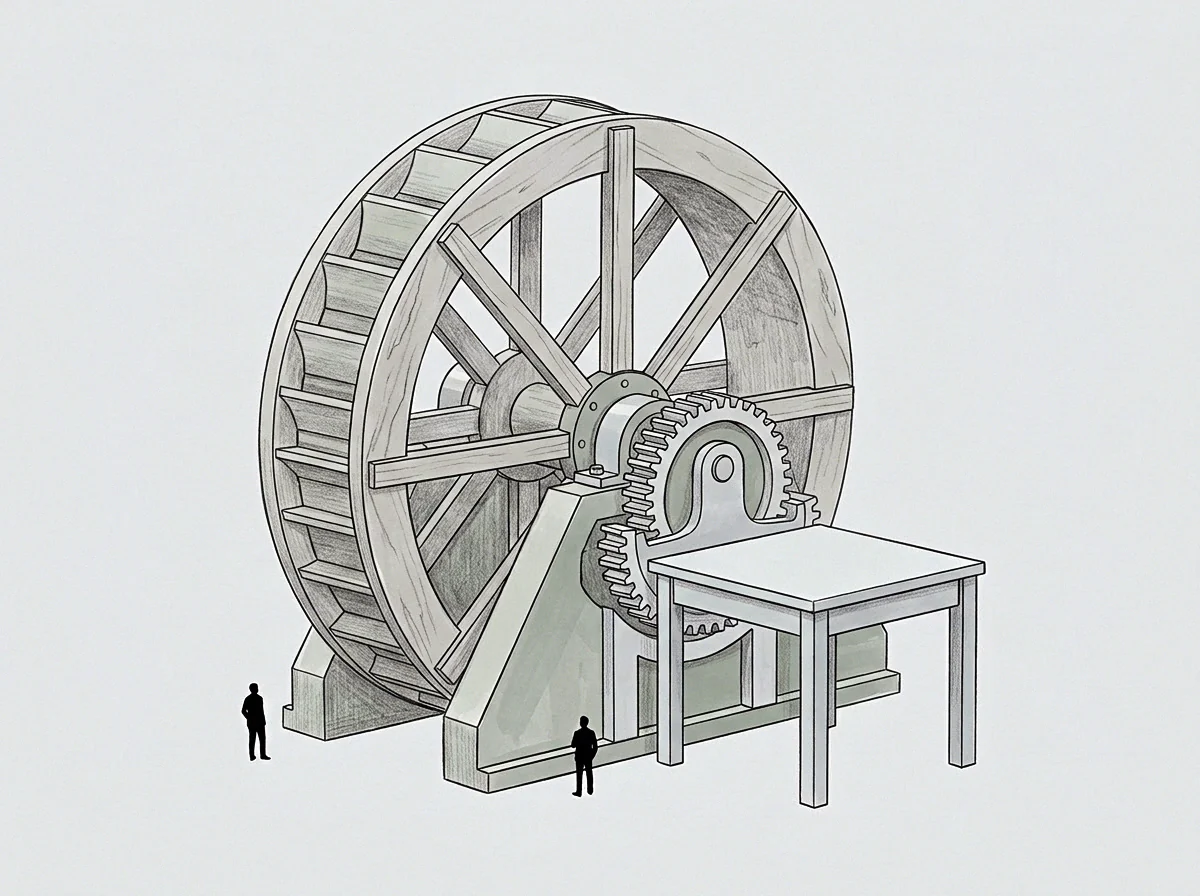
Structural Failure Modes of the Isolated Nervous System
When an internal working model adapts permanently to asymmetrical isolation, it generates predictable pathologies. The most pervasive is the complete atrophy of the internal receptor slot for soothing. The receptor slot represents the neurological and psychological capacity to recognize, welcome, and metabolize emotional support offered by another human being.
In an executive who has operated for years under asymmetrical isolation, this receptor undergoes structural shutoff.
If a counterparty approaches with authentic care, the isolated executive experiences sudden tension rather than comfort. The offer registers as an operational ambiguity: What does this person want? What failure did they see in my presentation that prompted this approach?
What downstream liability will accepting this interaction create? The nervous system treats an offer of care as a threat to its defensive armor, executing an immediate evasive maneuver through professional distancing, defensive humor, or immediate task redirection.
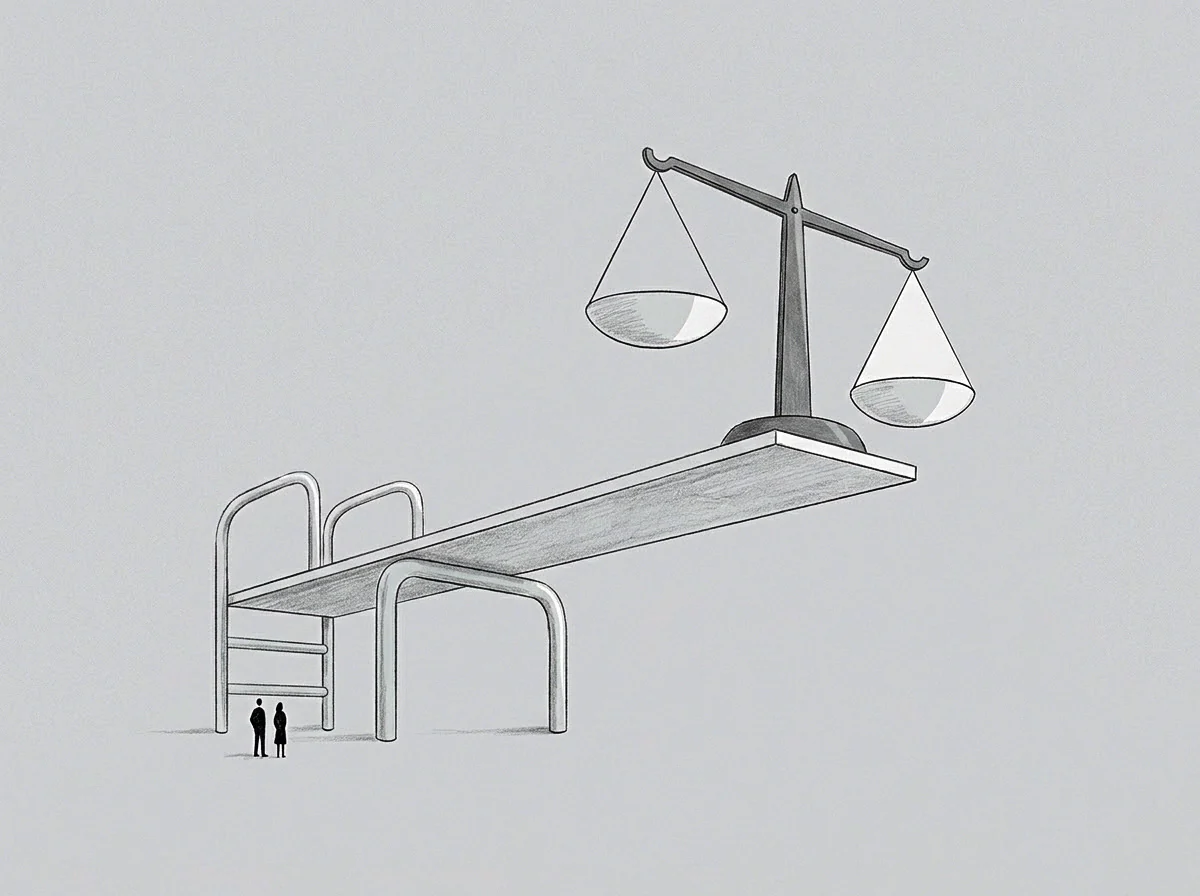
How Does the Somatic Anchor Break Down Under Load?
Systemic collapse arrives not through conscious psychological surrender, but through biological exhaustion. The human body cannot maintain elevated vascular resistance and uncompensated prefrontal vigilance indefinitely without structural failure. The breakdown manifests in specific sequences that baffle organizational boards and executive teams who saw only steady performance days earlier.
- The executive experiences abrupt affective flattening, losing the capacity to feel pride in organizational milestones or distress over operational failures.
- Executive cognitive control deteriorates, manifesting as sudden decision paralysis on low-stakes administrative approvals that formerly took seconds.
- Involuntary autonomic breakthrough occurs, where heart rate spikes, hand tremors, or gastrointestinal spasms pierce through conscious motor suppression during routine board interactions.
- The secondary regulatory template undergoes sudden fragmentation, causing the executive to either abruptly resign the seat without transitional planning or dissociate entirely from organizational reality while physically remaining in the room.
Borrowing stability from a leader proven under acute stress appears free to an organization until the biological source abruptly fractures.
The organizational impact of this collapse is catastrophic precisely because the team built its entire operational momentum on a hidden biological subsidy. Having treated the leader as a bedrock resource rather than a living human nervous system, the organization has created no distributed redundancy for containment. When the central anchor fractures, the collective panic that was artificially suppressed for years floods the enterprise overnight, drowning projects, unraveling alignments, and paralyzing operations.
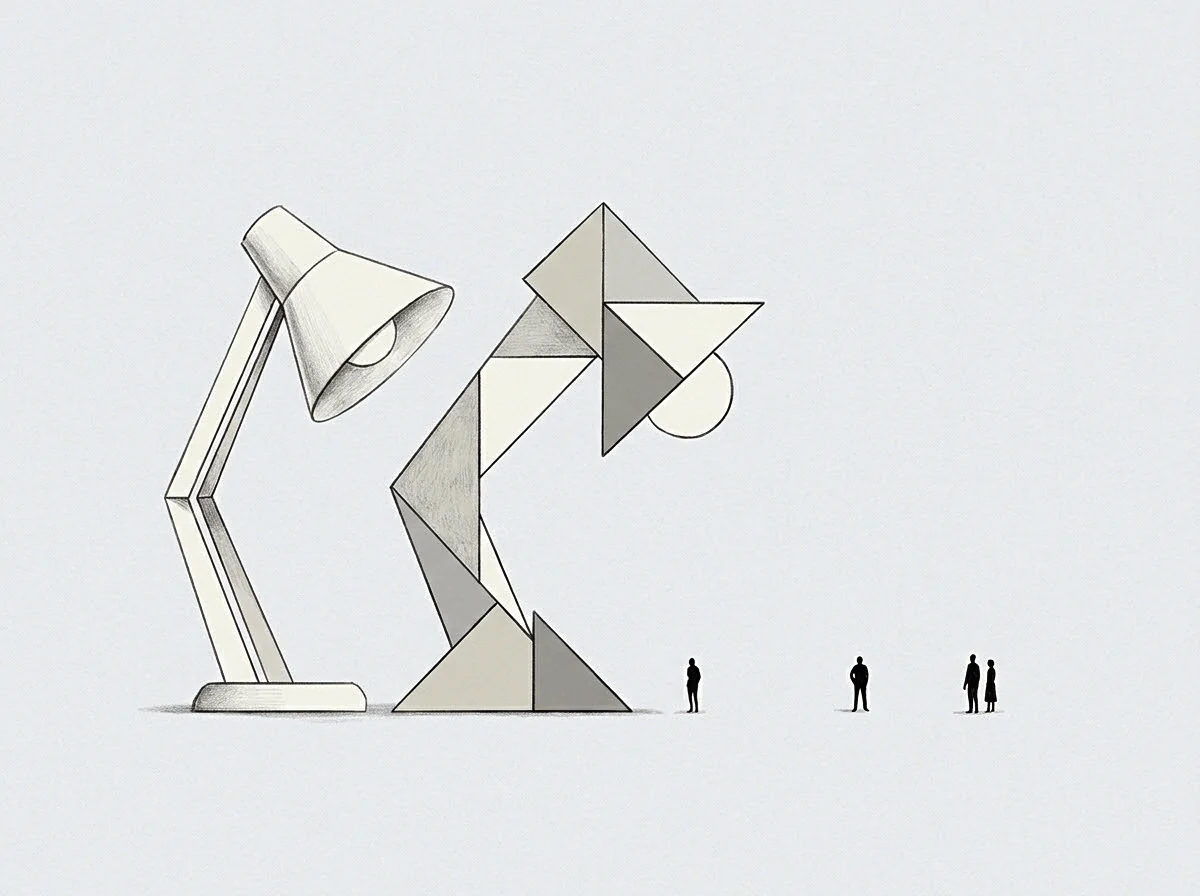
Shift
Reversing the long-term structural adaptation of a secondary regulatory template cannot occur through conceptual insight or cognitive reframing. An internal working model is an experiential structure carved into neurochemical habits and procedural memory through millions of iterations. Reading an attachment analysis or analyzing personal executive isolation does not reset autonomic sensitivity.
Insight remains in the neocortex; the regulatory template lives in the brainstem, the insular cortex, and the autonomic motor paths.
Transformation requires the systematic installation of earned security through actual, repeated experiences of somatic reciprocity. The isolated leader must deliberately seek environments where regulation flows both ways, or where they can safely occupy the receptive position without risking professional ruin. This reconstruction operates across distinct physiological and relational steps.
First, the individual must locate non-hierarchical spaces containing peers whose professional standing and internal resilience match their own. Symmetrical co-regulation is possible only among individuals who do not depend on one another for operational survival, compensation, or professional validation. In the presence of a true peer, the nervous system can begin the hesitant experiment of dropping its defensive vigilance.
The executive discovers that their tremors, hesitations, and raw disclosures do not trigger a systemic collapse in the room. The peer absorbs the disclosure, remains somatically steady, and offers mutual grounding without demanding an operational deliverable.
Second, the individual must learn to tolerate the metabolic sensation of being held without defensive counter-action. When presence is extended, the adapted executive feels an immediate visceral urge to reciprocate, to fix something for the other person, or to restore their customary role as the capable anchor. Resisting this urge feels like stepping off a cliff.
The individual must sit with hands empty, breathing through the alarm signals generated by their defensive circuits, allowing the counterpart’s steady heart rate, vocal warmth, and unhurried eye contact to settle into their peripheral nervous system. This somatic reception updates the internal model from unilateral transmission to bilateral flow.
Third, the executive must establish rigid operational boundaries around their professional availability. A nervous system cannot unlearn hyper-vigilance if it remains on call to absorb collective anxiety twenty-four hours a day. The leader must declare operational firewalls: specific hours where no communication enters, meeting structures where subordinate teams must resolve internal panics before seeking executive direction, and explicit delegations that strip the leader of operational triage duties.
If the enterprise cannot survive without the continuous biological subsidy of its founder, the enterprise is fundamentally insolvent at the level of basic human biology.
The delta over time becomes visible not in corporate balance sheets, but in the micro-measurements of somatic life. A year into template reconstruction, the leader notices that their hands remain warm during board disagreements. Their respiratory rate drops smoothly during evening hours.
The unread thread from an anxious colleague no longer triggers an automatic spike in peripheral vascular resistance; it registers as a routine business puzzle to be handled during working hours. Most significantly, when genuine warmth and presence are offered by an equal, the internal receptor slot opens, receives the transmission, and lets the tired nervous system rest.
A persistent operational question remains unresolved for the executive who successfully builds a secondary template: how much reciprocal vulnerability can safely be introduced back into the formal leadership seat before the surrounding commercial ecosystem misinterprets somatic human limits as systemic enterprise failure?