
Long-Term Physiological Limits Of Solitary Executive Authority Under Unbuffered Operational Load
Solitary executive authority without operational buffering forces the central nervous system into chronic metabolic expenditure, accelerating allostatic collapse.
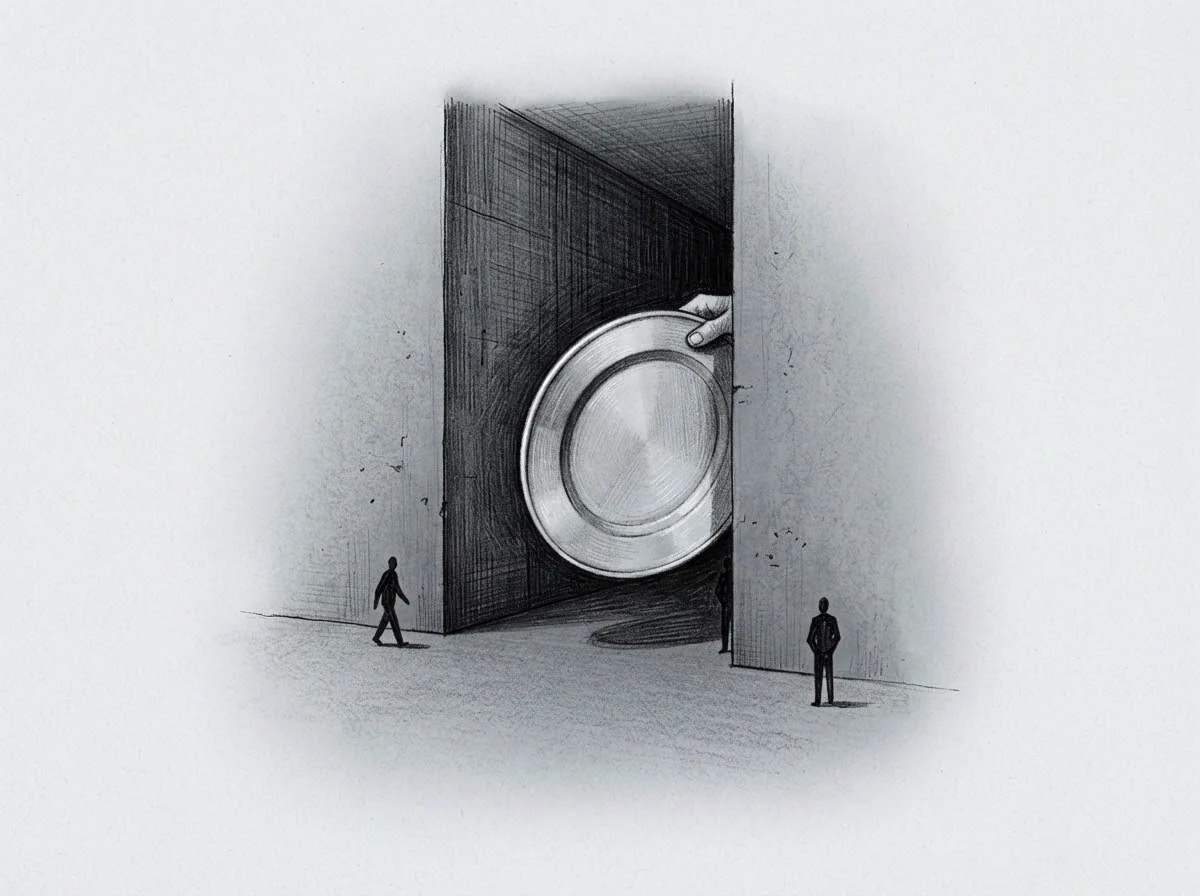
Drain
Four operational escalations arrive in a single evening while the person in the solitary executive seat carries an already elevated heart rate from twelve hours of continuous triage. No second officer holds approval sign-off, no operational buffer absorbs incoming demands, and every structural risk falls directly onto one baseline nervous system. The executive processes each decision sequentially, suppressing somatic stress markers to maintain clear analytical posture for external teams.
By midnight, the cognitive capacity for risk evaluation drops while peripheral vascular resistance remains elevated, marking the transition from acute operational coping to chronic physiological expenditure.
Solitary executive authority operating without operational buffering forces the central nervous system to function as the sole dampener for institutional instability. In systems designed with single-point final authority, operational volatility maps directly onto the executive’s autonomic nervous system. Social baseline theory establishes that the human brain treats proximity to reliable, competent co-regulators as the baseline state for metabolic expenditure.
When an individual operates in absolute isolation without shared responsibility, the brain registers the environment as fundamentally higher-threat, elevating baseline hypothalamic-pituitary-adrenal axis activity to maintain readiness.
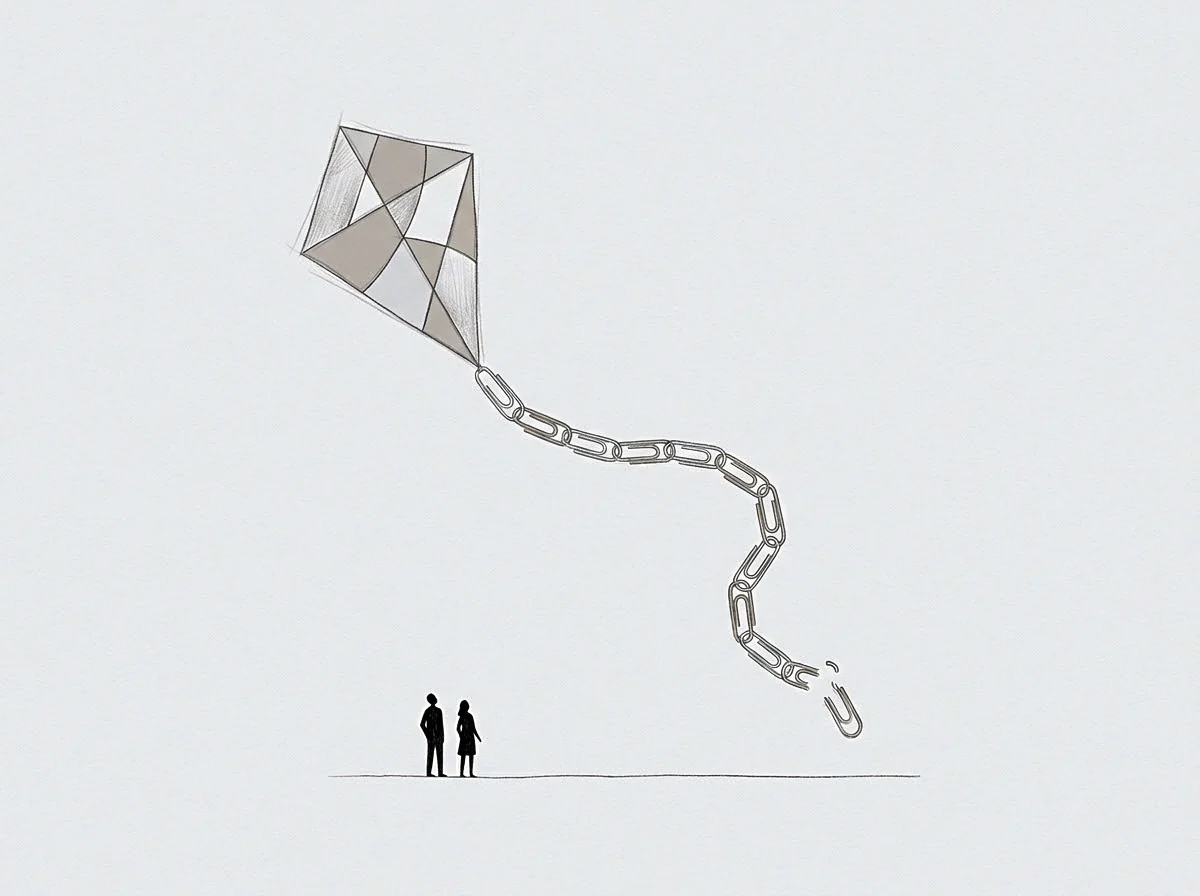
Physiological Cost Of Unbuffered Decision Architecture
Sustained solitary oversight shifts the body’s metabolic accounting. Under normal conditions of shared institutional authority, social buffering distributes neural load, lowering the glucose metabolic requirement in the prefrontal cortex during threat appraisal. Without an accessible regulator template in the immediate environment, the solitary leader relies exclusively on self-regulation, which represents the most resource-intensive operational mode of the human brain.
Extended operation under unbuffered operational load initiates a documented progression of metabolic exhaustion:
- Vascular hyper-reactivity sustained across prolonged work shifts hardens systemic arterial pressure baseline, accelerating structural wear on cardiac tissue during routine operational reviews.
- Cortisol awakening response flattening signals advanced adrenal desensitization, reducing morning cognitive energy and forcing reliance on exogenous stimulants to initiate strategic tasks.
- Attentional narrowing restricts systemic vision, forcing the brain to prioritize immediate survival inputs over long-term organizational strategy.
- Vagal nerve suppression impairs real-time heart rate variability recovery, leaving the autonomic system locked in sympathetic tone long after operational hours conclude.
When an executive architecture relies entirely on solitary self-regulation, autonomic recovery cycles degrade until basic operational baseline shifts from homeostatic balance to chronic allostatic overload.

Budget
The neural economy operates on strict energy allocation principles where threat appraisal and emotional suppression draw from a finite daily metabolic pool. In an unbuffered operational seat, the brain continuously calculates the energy cost of maintaining vigilance against incoming structural failures. Every unmediated crisis forces the anterior cingulate cortex to allocate additional glucose to cognitive control mechanisms, reducing the energy available for deep reasoning and long-range planning.
Over months of unmitigated oversight, this expenditure alters basal metabolic rates within key neural networks.
Under social baseline assumptions, human neural architecture expects operational burdens to be shared across a competent group. Proximity to a trusted peer capable of absorbing operational authority acts as a physiological buffer, down-regulating amygdala reactivity and dampening sympathetic nervous system activation. When an executive seat lacks this buffer, the brain treats the entire operational landscape as an unassisted survival context.
The metabolic price of this state is paid directly through accelerated systemic cellular aging and persistent neuroendocrine disruption.
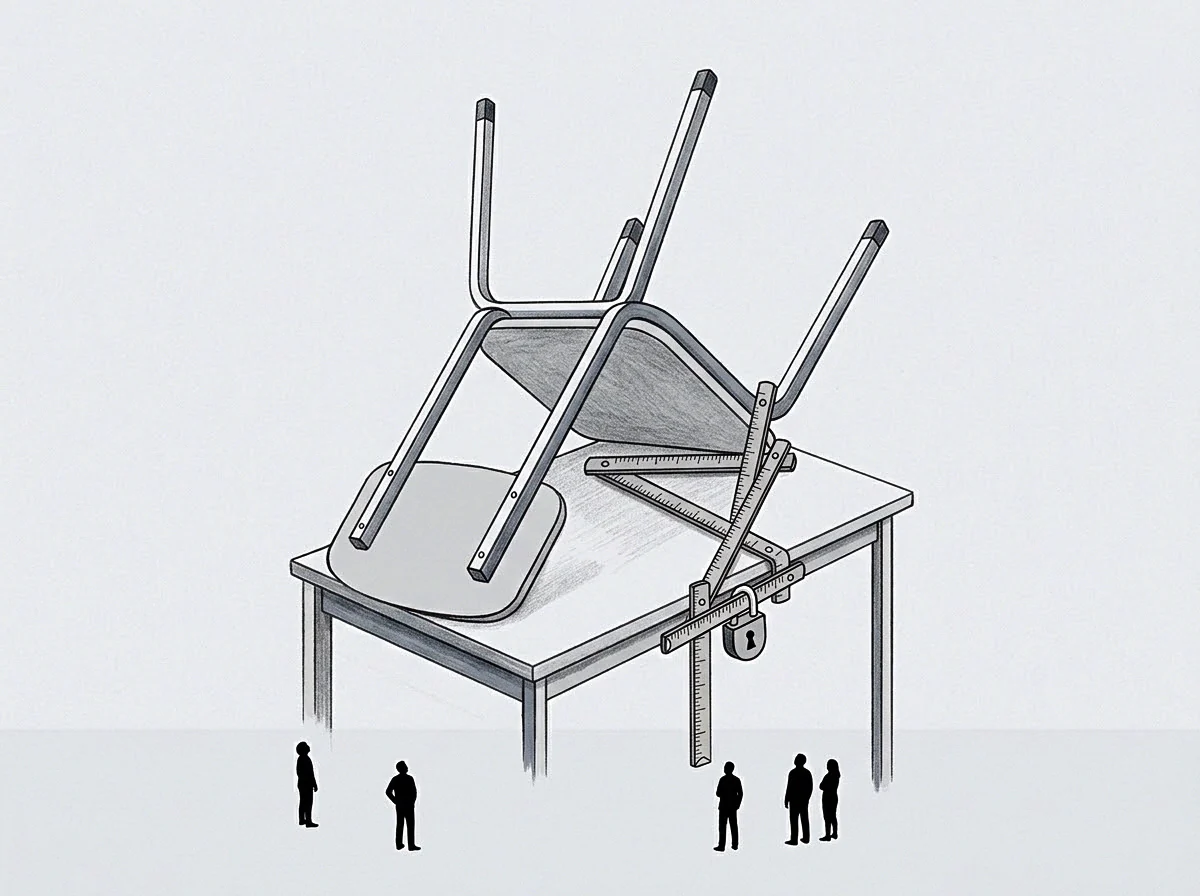
Metabolic Downscaling In Isolation
When self-regulation remains the sole mechanism for stabilizing an enterprise, the brain initiates compensatory metabolic downscaling. Neural circuits governing complex empathy, nuanced communication, and expansive strategic vision require substantial oxidative energy. Under conditions of prolonged unbuffered load, the prefrontal cortex throttles energy delivery to these high-order functions to preserve basic executive function and rapid threat response.
The metabolic expenditure of solitary threat appraisal scales exponentially as social baseline buffering decreases.
This metabolic throttling alters executive behavior in predictable patterns. The sole authority becomes increasingly insensitive to subtle operational signals, favoring binary decisions and rigid operational rules that require less neural processing energy. What appears externally as executive detachment or authoritarian inflexibility is frequently the physiological consequence of an overtaxed metabolic budget protecting the core autonomic system from complete exhaustion.

Longitudinal Allostatic Accumulation
Allostatic load represents the cumulative physiological damage resulting from chronic exposure to fluctuating or heightened neuroendocrine responses. In a solitary authority structure, operational crises do not allow sufficient down-time for autonomic re-set. The baseline for stress hormones remains elevated even during periods of apparent operational calm, creating a permanent state of low-grade neuroinflammation.
The transition from functional stress response to structural physiological damage follows a clear timeline dependent on load density and the presence of operational buffers. Operating for more than eighteen months under unbuffered conditions consistently induces desensitization of glucocorticoid receptors, rendering the body incapable of terminating inflammatory cascades effectively. The structural consequence of an unbuffered executive seat is the systemic conversion of operational friction into internal biological degradation.
Unbuffered operational load over extended durations mandates metabolic energy transfers away from tissue maintenance toward immediate neurological threat monitoring, guaranteeing biological breakdown when sustained beyond twelve months without structural intervention.

Wiring
The internal working model of an individual who rose to solitary authority often contains a deep structural pattern: self-regulation and regulation of others are processed through a single, unidirectional template. The person operates as the designated stabilizer for the organization while possessing no functional internal slot to receive co-regulation from others. Operational inputs from staff, partners, or advisers are filtered strictly as demands to be managed rather than baseline support to be absorbed.
This architectural configuration prevents effective neural offloading even when external operational assistance is physically present in the room.
This relational configuration establishes a self-reinforcing physiological loop. Because the executive presents as an unshakeable operational baseline under severe load, surrounding team members naturally attach to that stability, offloading their own operational anxiety onto the leader. The leader’s physiological system absorbs this external load while denying itself access to external regulation, deepening autonomic depletion.
The seat becomes a terminal sink for enterprise stress.

Does Solitary Oversight Mandate Higher Metabolic Expenditure?
The neurological cost of solitary authority is governed by whether incoming operational data must be processed through active cognitive suppression or can be distributed across a shared operational baseline. When a single leader bears ultimate operational accountability, every risk signal triggers active prefrontal suppression of autonomic alarm outputs. In a shared authority model, neural threat processing is distributed, allowing individual prefrontal networks to maintain lower activation thresholds for the same operational input.
An internal regulator template lacking a receptor slot for external presence converts every relational interaction into an operational expenditure.
The physiological divergence between these two configurations becomes pronounced during severe operational crises. Under equal operational volatility, solitary leaders exhibit sustained high-frequency heart rate variability suppression, whereas co-executive pairs exhibit periodic autonomic resetting during interaction cycles. The presence of a competent co-regulator transforms threat processing from continuous metabolic friction into periodic manageable tasks.

The Relational Sink Dynamic
Organizations naturally orient around the stable autonomic state in the room. In crisis environments, staff members unconsciously adjust their own regulation strategies to match the baseline provided by executive leadership. When the solitary executive maintains an outward appearance of absolute control, team members experience lowered regulation costs, enabling high performance at the direct physiological expense of the leader.
This dynamic creates a structural paradox inside high-stakes management teams:
The team members report high operational confidence and low stress, while the solitary executive experiences escalating somatic degradation. The external stability of the organization masks the biological collapse of its central node. Without explicit structural interventions that redistribute ultimate risk sign-off, the executive’s physical system eventually reaches a threshold where voluntary self-regulation fails entirely.
The executive seat was built to absorb every operational wave, leaving no structural path for the person inside it to hand back the load.

Scale
Evaluating the long-term viability of executive leadership structures requires comparing how different organizational architectures distribute autonomic load. Solitary seats prioritize clear, unambiguous command paths at the cost of maximum physiological load on a single nervous system. Buffered or co-executive seats accept minor coordination friction to preserve the long-term operational and biological integrity of leadership personnel.
The structural trade-offs between these configurations determine whether an enterprise can sustain operations through multi-year high-volatility cycles without suffering executive collapse. The table below details the physiological and operational parameters across both models under continuous high load.
| Evaluation Vector | Solitary Unbuffered Seat | Co-Regulated Dyad Seat |
|---|---|---|
| Autonomic Processing Mode | Continuous active self-regulation via prefrontal suppression | Distributed baseline co-regulation via shared accountability |
| Metabolic Energy Expenditure | Maximum continuous glucose draw under operational threat | Modulated energy expenditure with active down-regulation cycles |
| Allostatic Load Accumulation | Rapid escalation, high risk of endocrine desensitization within 18 months | Attenuated accumulation, periodic baseline restoration enabled |
| Decision Quality Over Time | Progressive narrowing, increased risk-aversion or erratic risk-seeking | Sustained analytical breadth and stable risk assessment capacity |
| Systemic Single-Point Risk | Extreme; executive physiological failure halts institutional direction | Low; operational authority seamlessly transitions between nodes |
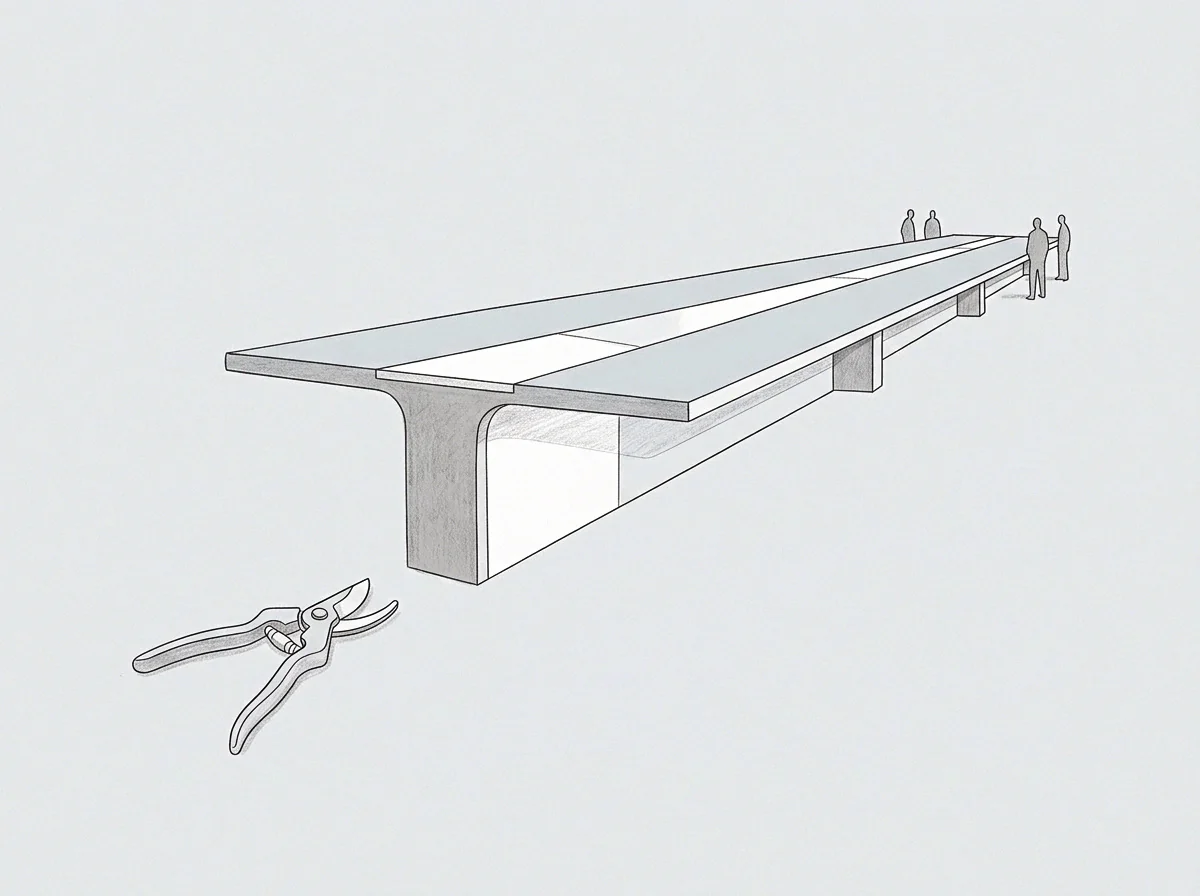
Structural Redistribution Of Operational Authority
Transitioning from an unbuffered solitary model to a physiologically sustainable structure requires moving beyond nominal delegation. True autonomic offloading only occurs when ultimate risk accountability is genuinely shared or legally partitioned. If the solitary executive remains mentally responsible for the downstream failure of delegated tasks, the brain continues to process those tasks as active self-regulation responsibilities, maintaining elevated physiological load.
Operational delegation without shared ultimate accountability provides zero neurobiological stress relief to the primary authority seat.
Effective buffering requires creating operational boundaries where secondary executives hold autonomous final sign-off authority for defined operational domains. This structural partition cuts the continuous neural threat-monitoring loop within the primary leader’s brain, allowing the autonomic nervous system to return to baseline recovery states during active operational cycles.
Real delegation requires transferring final physiological accountability alongside operational tasks, or the underlying autonomic cost remains completely unchanged.
Slot
Updating an internal regulator template built around absolute self-reliance requires actual experience of shared load rather than cognitive insight into stress physiology. A leader who has operated for years as an isolated baseline typically lacks the neural receptor slot needed to register external support as genuine relief. When presence or assistance is offered by peers or board members, the solitary leader’s system initializes suspicion or hyper-vigilance, interpreting the offer as an operational anomaly or an implicit threat to authority.
Building this missing capacity is a gradual process of earned security. The nervous system must experience repeated instances where operational vulnerability is exposed to a competent peer without resulting in loss of control or systemic failure. Over time, these repeated experiences build a secondary internal template, allowing the brain to utilize external presence for active autonomic down-regulation during crisis periods.
Sequence Of Autonomic Capacity Building
The creation of a functional co-regulation slot within an established executive template follows a structured developmental sequence:
- Explicit identification of operational domains where single-point sign-off can be permanently severed without primary executive review.
- Implementation of structured peer-review cycles where operational risks are shared verbally before decision execution, shifting neural processing from isolation to social engagement.
- Systematic introduction of non-operational recovery windows where total operational authority is legally transferred to a designated secondary officer.
- Gradual integration of co-executive authority architectures that permanently re-bind final organizational liability to a multi-member body.
This sequential restructuring systematically retrains the brain to accept external presence as a stabilizing baseline, lowering routine allostatic accumulation.

The Delta Over Time In Executive Function
The difference between a solitary executive relying on pure willpower and one operating with a developed co-regulation capacity becomes stark over a three-to-five-year operational horizon. The unbuffered executive experiences progressive cognitive rigidity, emotional flattening, and somatic health crises that force abrupt operational exits. The co-regulated executive maintains systemic adaptability, cognitive baseline balance, and sustained strategic performance over extended operational tenures.
When an executive learns to offload autonomic load onto a shared structural baseline, the enterprise transforms from a fragile system dependent on one person’s health into a resilient institution.
Can an executive who has operated as an isolated regulator for over a decade successfully re-wire their baseline nervous system while remaining in the active authority seat?
Toll
The long-term physiological limits of solitary executive authority under unbuffered operational load are fundamental biological realities, not traits of personal character or willpower. Human nervous systems were not designed to serve as single-point shock absorbers for enterprise volatility over multi-year horizons without operational buffering. When organizational design ignores these physiological constraints, it guarantees the gradual biological degradation of its executive personnel, regardless of their initial resilience or competence.
Protecting leadership capacity requires structural interventions that align executive seats with human social baseline biology. This means building organizational architectures where operational risk is distributed, final sign-off authority is shared, and active co-regulation is integrated into the daily fabric of executive operations. Institutional durability is ultimately bounded by the physical capacity of the human bodies occupying its key decision seats.
The structural mandate for modern enterprise architecture is clear. Solitary, unbuffered authority models must be replaced with robust, co-regulated leadership structures that preserve the autonomic health of the individuals holding operational power. Enterprises that fail to build these buffers will continue to expend their executive talent against the hard limits of human biology, paying for structural efficiency with systemic leadership failure.