
Longitudinal Adaptation Limits of Ventral Vagal Re-Engagement in Secondary Partner Co-Presence
Sustained secondary partner co-presence fails to lower long-term baseline allostatic load when primary internal working models lack functional receptor slots for borrowed regulation.

Gate
Autonomic co-regulation functions through distinct metabolic pathways depending on timeframe and relational structure. Episodic parasympathetic rescue occurs when one individual draws upon another person’s stable autonomic state during an acute spike in threat perception. Longitudinal ventral vagal re-engagement describes a permanent downward recalibration of baseline heart rate variability in the presence of a secondary partner over multi-year durations.
Confusing these two autonomic operations masks the structural cost born by the partner whose nervous system serves as the regulatory anchor.
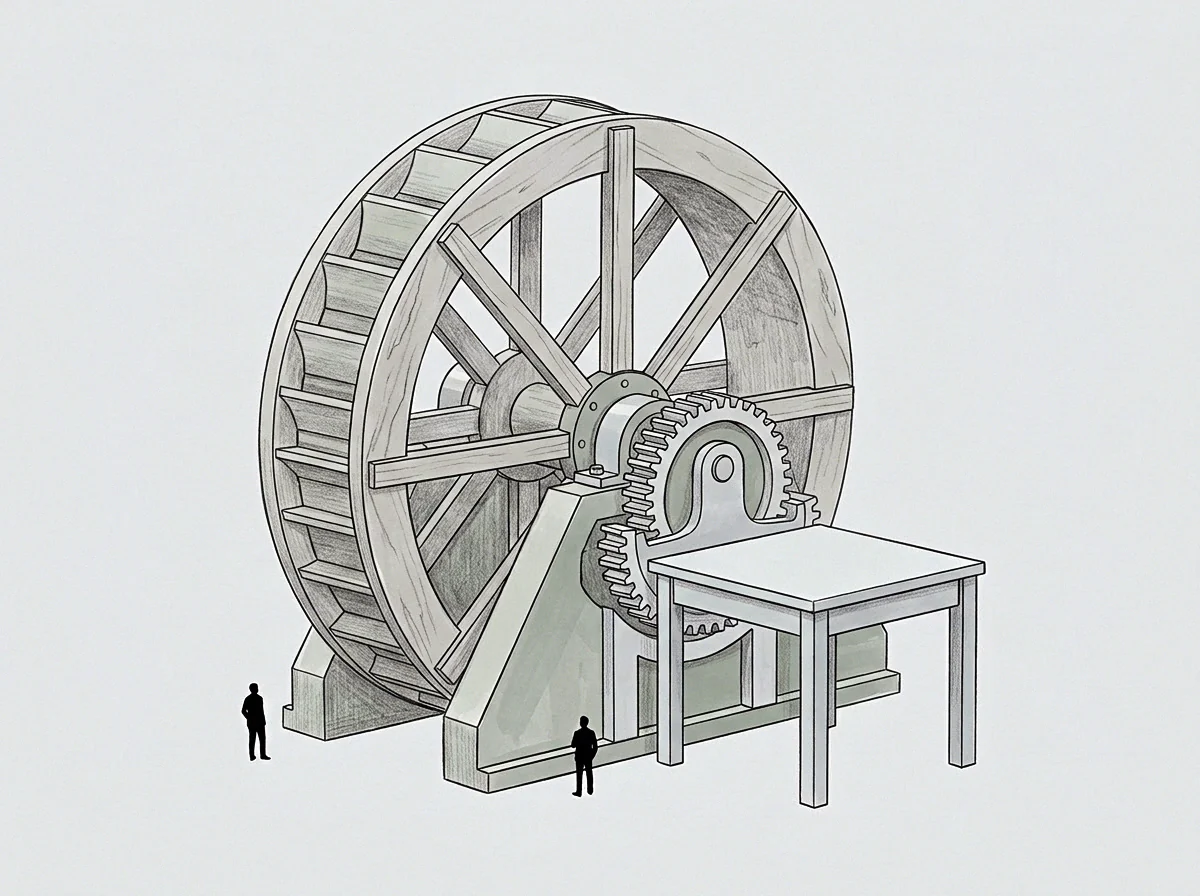
Vagal Suppression Under Sustained Allostatic Load
Social baseline theory demonstrates that the human brain conserves metabolic energy by outsourcing environmental vigilance to familiar conspecifics. Physical proximity to a reliable secondary partner reduces neural expenditure in threat detection networks. When acute executive stress persists across months, the expected reduction in sympathetic output fails to materialize.
The brain continues to process environmental demands through high-cost self-regulation despite co-presence. This phenomenon stems from an uncalibrated autonomic gate where signal processing remains stuck in protective vigilance.
The myelinated ventral vagal complex regulates heart rate via the sinoatrial node. This vagal brake slows cardiac output to support quiet engagement and social communication. Under sustained operational strain, autonomic tone drops below the threshold required for passive dampening of sympathetic arousal.
Secondary co-presence reduces metabolic vigilance costs only when baseline autonomic tone remains uncompromised by operational threat.
Co-presence under high load produces specific somatic failure patterns across extended timelines:
- Vagal Brake Invalidation occurs when the sinoatrial node ignores parasympathetic signaling due to circulating catecholamines, maintaining elevated cardiac output despite physical proximity to a calm partner.
- Attunement Lag develops when neural tracking of a partner’s facial expressivity slows down, preventing rapid neuroception of safety.
- Somatic Load Bleed appears when the primary regulator absorbs autonomic instability from the secondary partner, raising baseline peripheral resistance.
- Vigilance Rebound occurs immediately after secondary co-presence ends, triggering delayed sympathetic surges during rest windows.
Uncalibrated vagal gating under persistent stress forces the autonomic nervous system into chronic dual-activation. Sympathetic tone remains elevated while parasympathetic efference attempts stabilization. This continuous friction exhausts cellular energy reserves, accelerating systemic exhaustion across the working partnership.
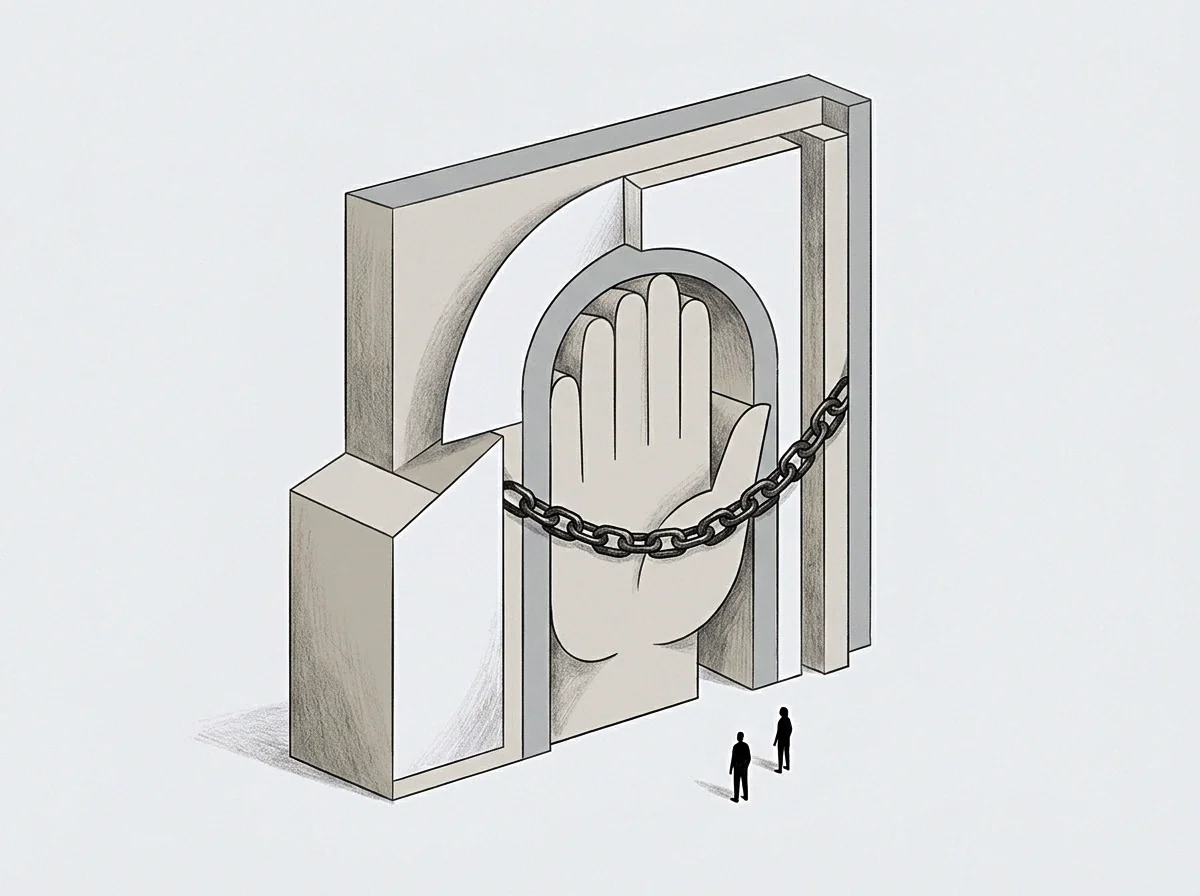
Baseline
Nervous systems build baseline regulatory expectations around the physical availability of specific external bodies. The brain budgets energy based on the historical availability of these external regulators. Secondary partner dynamics introduce a secondary structural input to this internal budget calculation.
When an individual relies on borrowed regulation without an established internal template for receiving it, parasympathetic recovery breaks down.
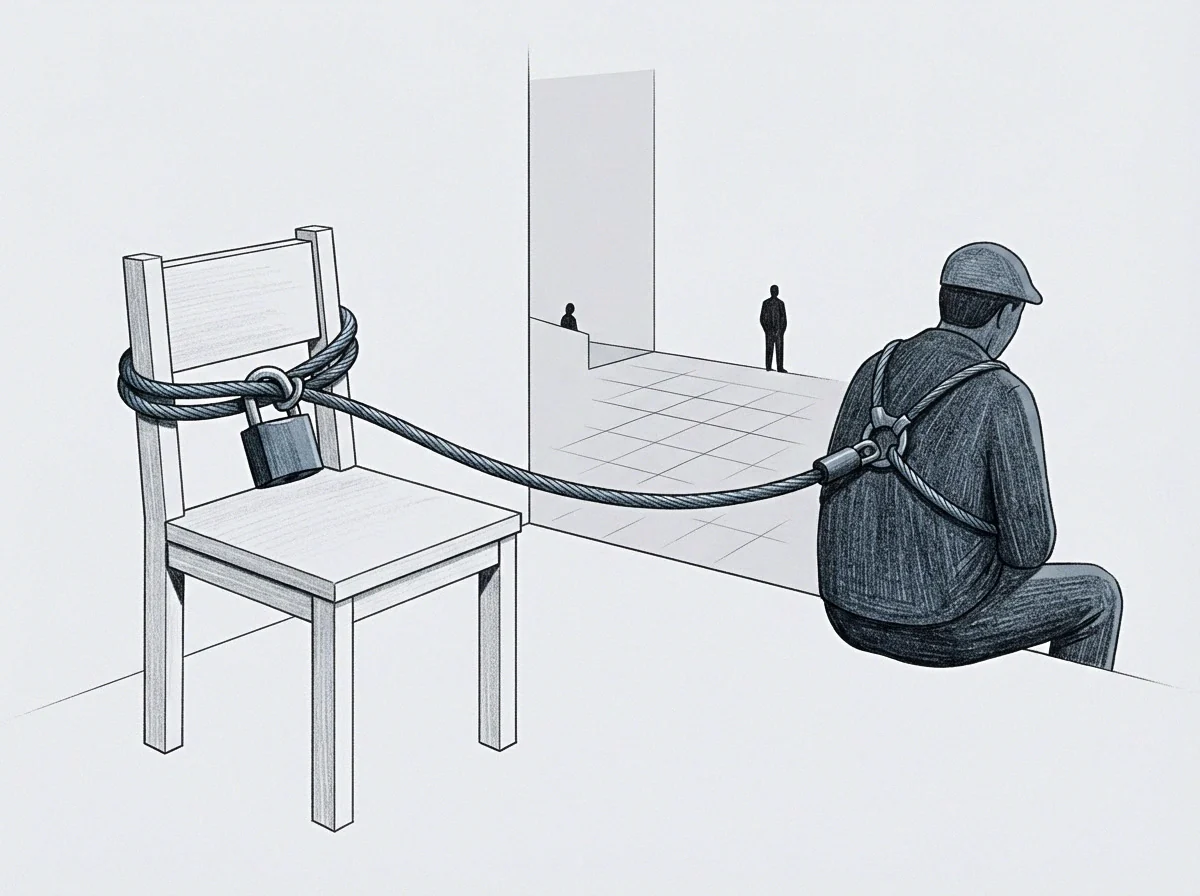
The Metabolic Economy of Shared Regulation
Borrowed regulation lowers the immediate cost of maintaining emotional stability. A person facing high task complexity utilizes the steady cardiac rhythm and lower respiratory frequency of a secondary partner to maintain focus. The brain registers this proximity as an immediate drop in metabolic demand.
The secondary partner absorbs the ambient physiological cost of that stabilization. If the primary partner lacks an internal model of a responsive other, the borrowed calm fails to consolidate into long-term autonomic baseline shifts.
How does long term co-presence alter the vagal baseline under chronic load?
Sustained secondary co-presence alters the ventral vagal baseline by changing the set point of cardiac vagal tone. Long-term monitoring of respiratory sinus arrhythmia reveals that secondary partners exposed to continuous regulatory drain exhibit progressive baseline degradation over twelve to twenty-four months. The following table contrasts autonomic parameters between primary partner co-presence and secondary partner co-presence under sustained executive load.
| Autonomic Index | Primary Partner Regulation | Secondary Partner Co-Presence |
|---|---|---|
| Baseline Heart Rate Variability | Sustained baseline stability | Progressive decrease over 18 months |
| Vagal Brake Recovery Latency | Rapid return within 15 minutes | Extended latency exceeding 90 minutes |
| Respiratory Sinus Arrhythmia Amplitude | High respiratory coupling | Attenuated amplitude during shared tasks |
| Allostatic Load Accumulation | Distributed across both systems | Concentrated in the primary regulator |
Repeated co-presence without autonomic integration produces secondary vagal exhaustion. The capacity to anchor another person’s state depends on finite physiological reserves.
Persistent regulatory drain lowers the baseline respiratory sinus arrhythmia amplitude of the secondary anchor over extended timelines.
The term autonomic overload defines the threshold where shared presence increases rather than decreases metabolic cost. Crossing this threshold converts shared physical proximity into a source of low-grade sympathetic activation.
Room
Physical environments dictate the limits of autonomic attunement between partners. A quiet space allows subtle vocal cadence and facial micro-expressions to register through the unmyelinated spinothalamic pathways. High-stress operational spaces overwhelm these subtle safety cues.
The nervous system prioritizes immediate external environmental threats over subtle interpersonal safety signals.
Attunement Asymmetries and the Internal Working Model
Internal working models formed in early developmental environments dictate how an adult system processes co-presence. An individual who developed an operational template based on self-reliance views shared calm as an unexpected anomaly. When a steady partner offers co-presence, the self-reliant system processes the input through cognitive evaluation rather than automatic somatic intake.
The somatic channels remain guarded while the mind approves the interaction.
The capacity to receive regulation depends on functional receptor slots within the internal working model. Lacking these slots, the individual attempts to process borrowed regulation as an intellectual contract. The physical presence of the secondary partner sits in the space, but the vagal brake remains disengaged.
An internal working model without receptor slots converts physical proximity into an intellectual calculation of availability.

Receptor Slot Saturation in High Baseline Individuals
Consider an operational founder who built a company across four years of isolation. This individual operates with a rigid, high-cost self-regulation template. A secondary partner enters the quiet working space with a low baseline heart rate and steady breathing.
The founder registers the partner’s presence as an operational benefit. The founder’s ventral vagal complex fails to re-engage despite six months of shared office hours. The founder’s cardiac output remains elevated.
The partner experiences unexplained somatic fatigue at the end of each afternoon.
The founder’s internal working model treats self-regulation and regulating others as a single unified operation. There is no structural path for being held or stabilized by another body. The secondary partner’s nervous system continues to emit calm signals without receiving autonomic acknowledgment.
Parasympathetic extinction occurs on both sides of the desk.
The secondary partner feels completely unanchored while sitting two feet away from an apparently calm operator.
Buffer
A secondary partner often functions as an invisible buffer between executive demand and somatic collapse. This buffering action absorbs peripheral nervous system turbulence before it degrades executive function. The secondary partner pays for this insulation through depleted allostatic reserves.
The buffer capacity declines steadily when the primary partner fails to build self-sustaining parasympathetic habits.
Allostatic Throttling and Structural Signal Attenuation
Allostatic throttling occurs when the brain intentionally down-regulates autonomic responsiveness to prevent system overload. Under continuous input from a dysregulated primary partner, the secondary partner’s nervous system throttles its own vagal output. The secondary partner appears quiet, detached, or emotionally flat.
This flatness represents a protective shutdown of the ventral vagal circuit.
The structural degradation of a secondary regulatory buffer proceeds through a predictable sequence of operational shifts:
- The primary partner increases ambient operational demands while assuming the secondary partner will absorb the resulting stress.
- The secondary partner experiences silent degradation of baseline vagal tone, marked by sleep disturbances and elevated resting heart rates.
- Signal attenuation begins as the secondary partner’s neuroception of safety becomes blunted to conserve metabolic energy.
- The primary partner notices a loss of intuitive attunement and demands higher relational effort from the secondary partner.
- Total autonomic decoupling occurs, leaving both systems operating in unbuffered sympathetic vigilance.
Structural signal attenuation protects the secondary regulator from complete physiological collapse. The loss of vagal flexibility limits future co-regulation potential.
Allostatic throttling reduces vagal responsiveness to prevent systemic collapse in secondary regulatory anchors.
A safety threshold unstated in plain terms defaults to maximum somatic drain on the secondary partner.
Tenure
Longitudinal stability across multi-year partnerships demands explicit recognition of autonomic limits. Expecting a secondary partner to supply endless parasympathetic grounding without structural reciprocity destroys the regulatory asset. Neural adaptation requires repeated, actual somatic experiences of mutual safety rather than cognitive reassurance.
Earned security develops through these somatic loops over extended timelines.
Longitudinal Decoupling of Presence and Parasympathetic Recovery
Over a three-year span, the autonomic interplay between partners either updates their internal working models or solidifies defensive patterns. When co-presence consistently fails to lower allostatic load, the nervous system decouples physical proximity from safety expectations. The secondary partner’s body stops attempting to co-regulate.
The secondary partner remains physically present while their autonomic system erects an impenetrable somatic wall.
Structural Limits of Earned Security in Dual Regulator Systems
Earned security represents a secondary neural template built through successful co-regulation. This template forms when an insecure system repeatedly experiences safe, low-cost regulation alongside a stable secondary partner. The update path depends on actual somatic registration of safety.
If executive stress continually overrides vagal engagement during shared hours, the new template fails to form. The original self-reliant template retains absolute control over the autonomic budget.
Updating an internal working model takes time, safety, and persistent somatic repetition. The secondary partner cannot force this update through sheer effort or continuous availability. The primary partner must possess sufficient autonomic headroom to register the incoming regulatory signal.
Without that headroom, proximity remains an expensive exercise in quiet tension.
This longitudinal wall leaves a fundamental structural question unanswered for long-term operational partnerships: can a secondary partner’s autonomic baseline ever fully recover while remaining in the same high-demand environment that caused its initial degradation?