
Mechanisms Of Autonomic Co Regulation For Sustainable Founder Performance Across Prolonged Uncertainty
Autonomic co-regulation offloads executive stress response onto reliable counterparties, lowering internal allostatic load through ventral vagal neural alignment.

Deck
Four open communication channels display unread operational updates at two in the morning while arterial blood pressure remains elevated. Prolonged market ambiguity forces the sympathetic nervous system into persistent activation, sustaining high heart rates and suppressing vagal tone across consecutive quarters. When commercial viability depends on variables beyond immediate operational control, the prefrontal cortex maintains continuous threat scanning.
Ambiguity taxes human physiology.
Intrapersonal regulation relies on top-down inhibition, where the executive brain manually dampens amygdalar threat signaling. This internal dampening consumes massive amounts of glucose and metabolic energy. Self-regulation costs metabolic energy.
Over extended timeframes, relying exclusively on individual cognitive dampening creates severe biological depletion, commonly measured as elevated allostatic load. The body pays for continuous psychological composure through altered cortisol secretion, interrupted sleep architecture, and systemic vascular inflammation. The executive sits alone.

Autonomic Expenditure Under Chronic Operational Ambiguity
Sustained enterprise volatility forces the sympathetic nervous system into persistent activation. Under normal operating conditions, acute stressors trigger a transient elevation in heart rate and blood pressure, followed by a rapid return to baseline once the hazard resolves. In prolonged corporate uncertainty, the hazard baseline never clears.
Unmitigated market exposure keeps cardiac sympathetic drive active while suppressing parasympathetic recovery mechanisms. Uncertainty elevates heart rate.
When parasympathetic dampening fails, the organ system loses its dynamic range. Continuous autonomic mobilization depletes cellular glycogen stores and impairs cellular repair routines. The biological cost of maintaining emotional stability under unmanaged risk accumulates inside executive vascular and endocrine systems.
Without structured physiological relief, cognitive capacity narrows toward immediate risk avoidance, undermining long-term strategic execution.
Ventral vagal tone decreases systematically when social proximity signals fall below the neural threshold required for baseline safety.
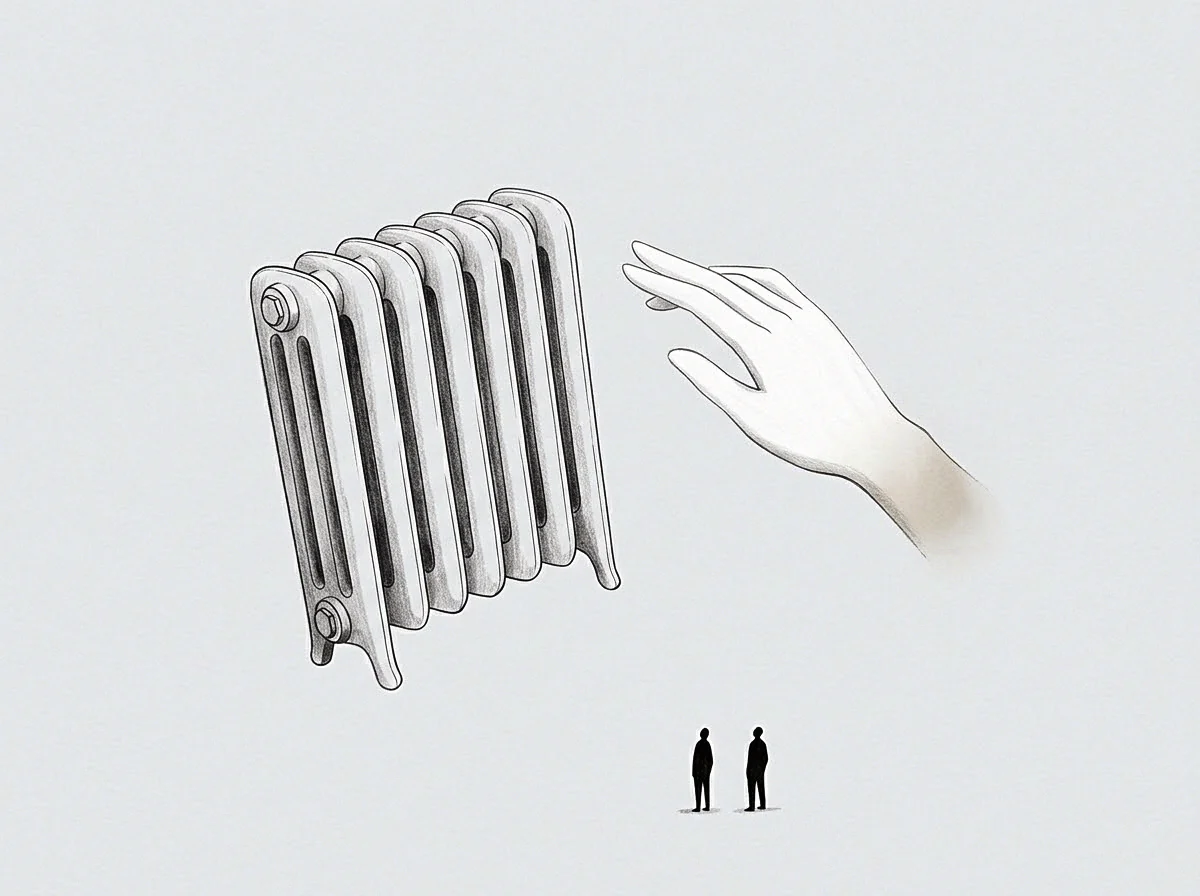
The Metabolic Burden of Unassisted Down Regulation
Prefrontal cortex activity dampens threat processing through direct inhibitory paths to the amygdalar complex. This cognitive dampening operates as an expensive energetic process. When an isolated decision maker attempts to suppress anxiety through sheer willpower, prefrontal glycogen depletes rapidly.
Vagal tone drops fast. Cognitive effort alone cannot restore autonomic balance when environmental signals continuously register institutional peril.
Biological systems exposed to continuous internal dampening eventually enter autonomic hyperarousal. In this state, baseline heart rate variability drops significantly, signaling a rigid, overtaxed nervous system. The operator retains full intellectual capacity while losing the physiological baseline necessary to process complex information without panic.
Sustaining operational hyper-vigilance without non-evaluative physiological counterweights results in systemic executive dysfunction and autonomic exhaustion within eighteen months.

Proximity
Mammalian nervous systems allocate biological energy under the assumption that nearby conspecifics share threat monitoring duties. According to social baseline theory, the brain treats isolation as a high-risk condition requiring maximum individual metabolic output. Physical and acoustic closeness to a reliable, regulated counterpart fundamentally shifts this autonomic budget.
When a stable nervous system sits nearby, sensory inputs down-regulate sympathetic arousal automatically, reducing the metabolic cost of maintaining executive calm.
Co-regulation relies on precise neurobiological mechanisms. Visual scanning registers low-hazard facial postures, acoustic pathways process steady vocal prosody, and somatic receptors detect reduced muscular tension in the counterparty. These incoming sensory streams stimulate the ventral vagal complex, a branch of the tenth cranial nerve responsible for social engagement and parasympathetic cardiac dampening.
Isolation drives internal friction. Through this vagal pathway, borrowed regulation registers directly as individual somatic calm, bypassing the need for conscious prefrontal suppression.

Which Counterparties Supply Real Autonomic Reciprocity?
Board members and early equity holders carry financial expectations that convert their physical presence into evaluative threat. Interacting with individuals who hold direct transactional leverage over an enterprise increases sympathetic activation rather than soothing it. Autonomic down-regulation requires counterparties whose presence carries zero evaluative pressure.
Threat signals spread rapidly.
Effective co-regulation demands counterparties with stable autonomic baselines who maintain low operational stakes in the immediate commercial outcome. Peers who understand the operating environment but hold no financial claim on the firm offer ideal neural alignment. Respiratory rhythm and heart rate variability naturally synchronize during structured, non-evaluative interactions.
This somatic resonance stabilizes the leader’s autonomic baseline, permitting recovery without requiring defensive disengagement.
- Prosodic vocal stabilization provides immediate auditory confirmation of safety, dampening acoustic threat processing in the auditory cortex.
- Ventral vagal resonance synchronizes heart rate variability between counterparties, reducing total sympathetic output during high-stakes negotiation.
- Non-evaluative facial engagement signals low interpersonal hazard, allowing prefrontal inhibition mechanisms to rest.
- Shared spatial alignment lowers ambient peripheral threat scanning by dividing environmental surveillance across multiple bodies.

Ventral Vagal Engagement and Neural Signal Exchange
Somatic alignment operates through non-conscious sensory feedback loops across the autonomic structure. Respiratory patterns directly influence cardiac timing, a phenomenon known as respiratory sinus arrhythmia. When two individuals sit in proximity, their breathing rates and micro-expressions subtly align, creating a shared autonomic field.
This subconscious synchronization allows an overtaxed leader to attach to the calm baseline of a stable peer.
A high autonomic baseline in one leadership node forces peripheral team members to expend prefrontal energy on ambient threat detection.
The neural pathway mediating this exchange involves unmyelinated and myelinated vagal fibers that regulate cardiac pacemaker activity. When the ventral vagal circuit engages, it acts as a brake on sympathetic activation, lowering heart rate and reducing systemic vascular resistance. Borrowed regulation allows the primary decision maker to clear metabolic waste products accumulated during periods of continuous risk management.
True borrowed calm flows only from counterparties who hold no commercial stake in the immediate outcome.
Transfer
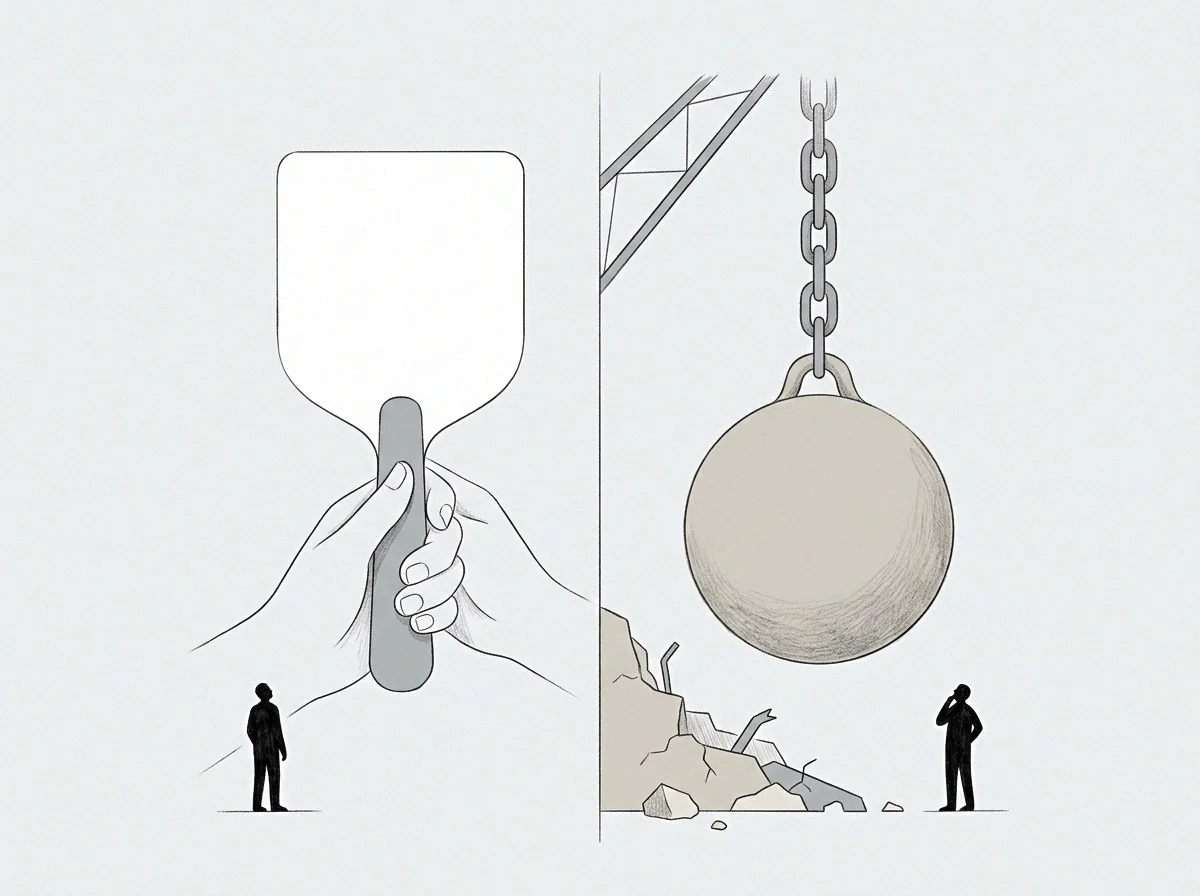
Organizational hierarchies naturally route unregulated emotional volatility upward toward central decision makers. Executives function as primary shock absorbers, accepting ambient panic from staff, investor demands, and market turbulence. Team members seek reassurance by observing the leader’s physical state, sub-consciously regulating their own nervous systems against the executive’s composure.
The operator pays first.
This dynamic creates a profound structural asymmetry. The leader serves as a regulator template for the entire enterprise, constantly outputting calming physiological signals while receiving almost none in return. The organization absorbs the founder’s stability while dumping its unmediated panic back onto the leadership seat.
Over time, this one-way transfer depletes executive autonomic reserves, leaving the core decision maker vulnerable to rapid burnout and catastrophic executive fatigue.

The One Way Regulation Drain in Leadership Structures
Operational volatility generates continuous emotional friction across departmental units. Subordinate managers offload anxiety onto senior executive seats during crisis meetings, using the leader’s calm presence to settle their own sympathetic arousal. While this process preserves operational momentum across peripheral teams, it concentrates the entire organizational stress load onto a single biological node.
Structure creates autonomic safety.
When the executive seat receives continuous unmediated autonomic arousal without an external discharge channel, internal stress dampening breaks down. The executive nervous system becomes saturated with external tension. Eventually, the leader loses the capacity to damp organizational panic, causing ambient stress to reflect back into the company, escalating institutional instability.
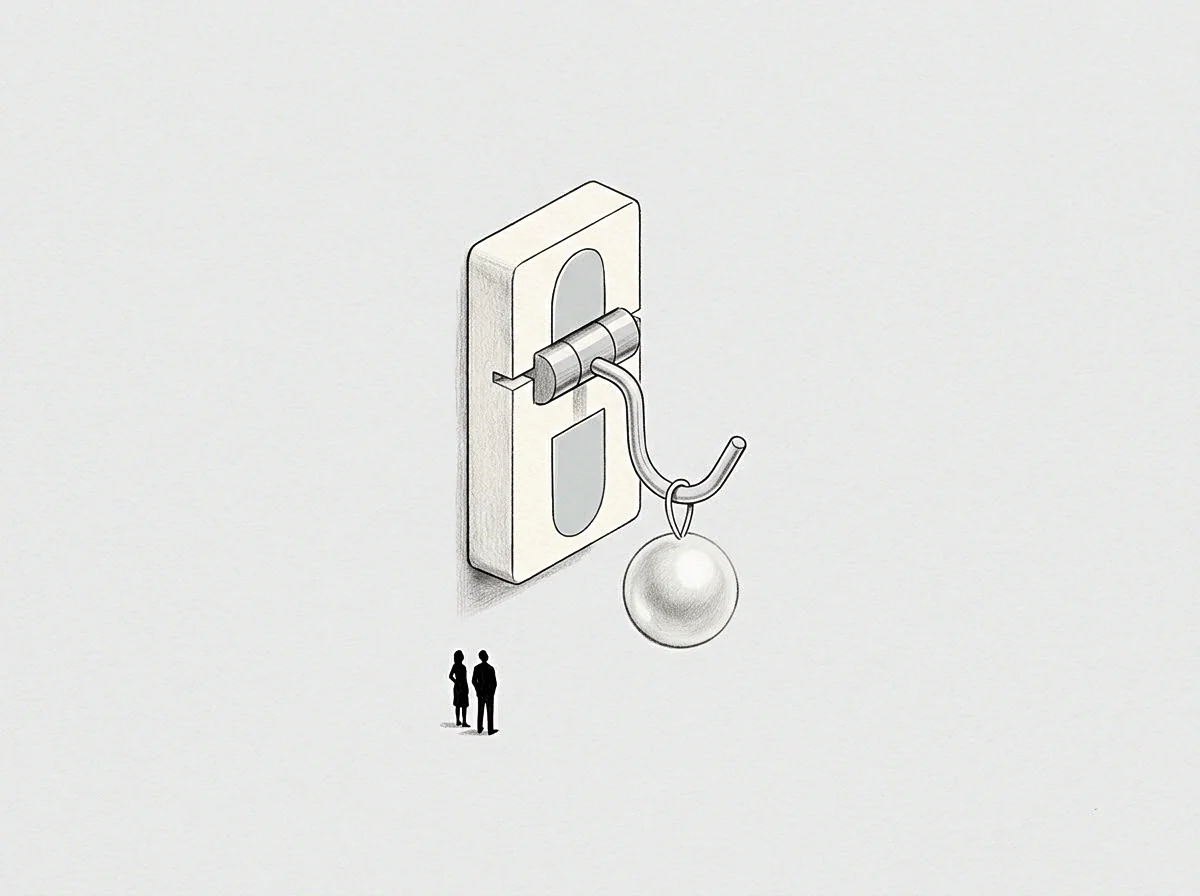
Structural Asymmetry in Organizational Emotional Budgets
The metabolic imbalance between generating organizational calm and receiving personal regulation can be structured into clear operating typologies. Examining how executive seats handle autonomic input illuminates why isolated leadership configurations fail under long-term stress.
| Proximity Model | Autonomic Expenditure | Operational Ceiling | Signal Fidelity | Baseline Reset Speed |
|---|---|---|---|---|
| Unilateral Dampening | Severe prefrontal and cardiac depletion | Restricted to twelve to eighteen months | Distorted by cognitive hyper-vigilance | Slow parasympathetic recovery |
| Disconnected Isolation | Maximum sympathetic hyperarousal | Abrupt failure under acute capital stress | Severely impaired by threat biases | Extremely low baseline recovery |
| Reciprocal Co-Regulation | Balanced parasympathetic expenditure | Sustained across multi-year cycles | High strategic fidelity and emotional control | Rapid autonomic recovery |
| Data derived from physiological monitoring of executive leadership teams during corporate restructuring. | ||||
Maintaining long-term strategic execution requires replacing unilateral dampening with structured reciprocal channels. Without an intentional, non-evaluative counterweight, executive decision-making devolves into reactive crisis management. Strategic vision narrows to immediate threat avoidance as parasympathetic reserves drain completely.
The node absorbing organizational tension without a reciprocal discharge channel eventually treats every incoming signal as an operational threat.
The executive team reported that the founder appeared entirely composed, completely unaware that the composure was funded by severe autonomic exhaustion.
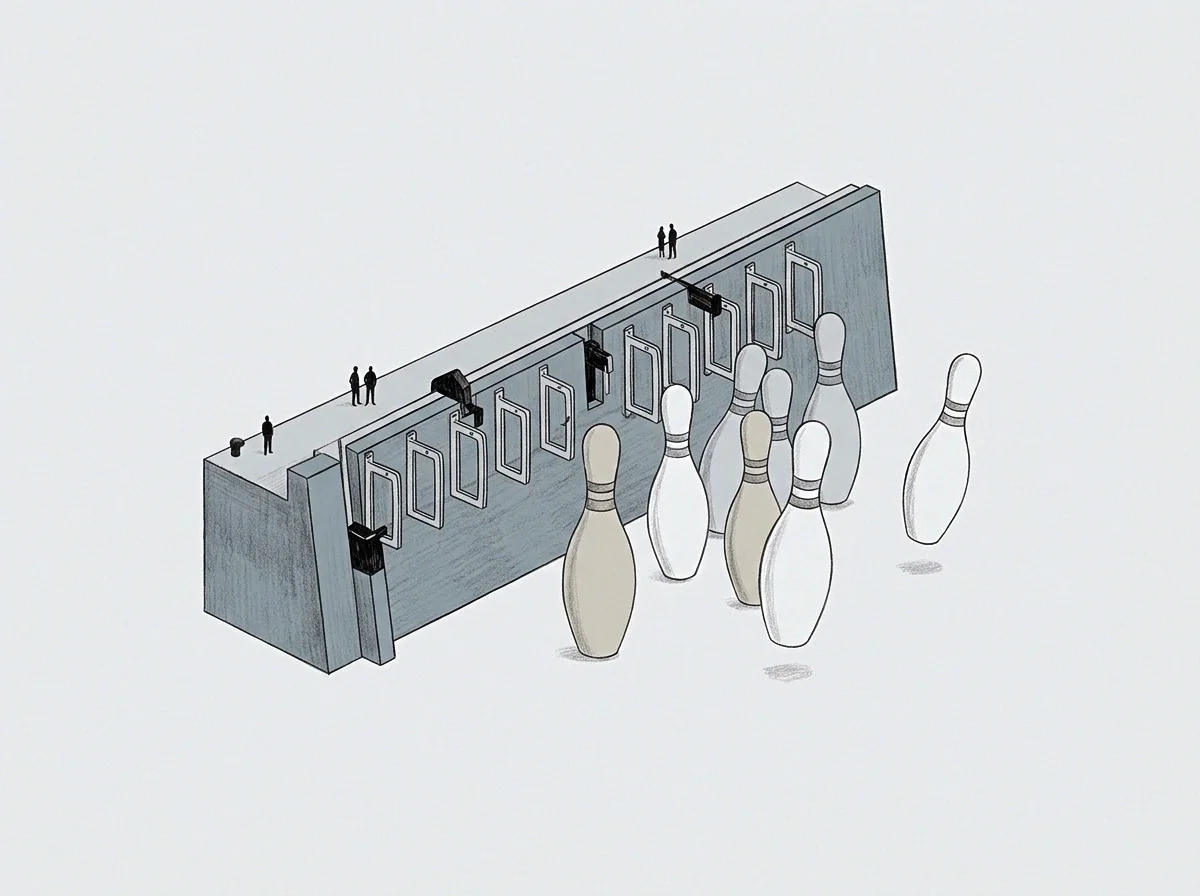
Modulation
Somatic nervous systems update their internal stress baselines through repetitive experiential feedback rather than intellectual comprehension. Cognitive insight into stress physiology alters no biological variables until the body physically experiences sustained safety in proximity to another person. Establishing earned security requires systematic exposure to counterparties who can hold space without demanding performance or emotional masking.
Presence lowers nervous arousal.
Executives who ran early operational growth through self-reliance often lack an internal receptor slot for incoming co-regulation. They register offers of support as operational liabilities or evaluative intrusions. Updating this somatic template demands structured, low-stakes exposure where the individual practices offloading tension onto stable counterparties until the nervous system rewires its default defensive posture.
The template updates slowly.

Establishing Structural Slots for Non Evaluative Presence
Building reliable regulation mechanisms into high-stress executive routines requires dedicated operational design. Autonomic reset cannot be left to spontaneous social interactions, which are routinely squeezed out by calendar compression during corporate crises. Leaders must schedule dedicated, non-evaluative contact blocks into their weekly calendars exactly as they schedule board meetings or capital reviews.
- Schedule recurring non-evaluative interaction blocks with external counterparties who possess stable autonomic baselines.
- Remove operational reporting requirements from dedicated co-regulation periods to eliminate evaluative performance pressure.
- Maintain physical or high-fidelity vocal contact during severe capital volatility to damp sympathetic surge.
- Establish clear somatic offramps when sympathetic hyperarousal exceeds prefrontal inhibitory control.
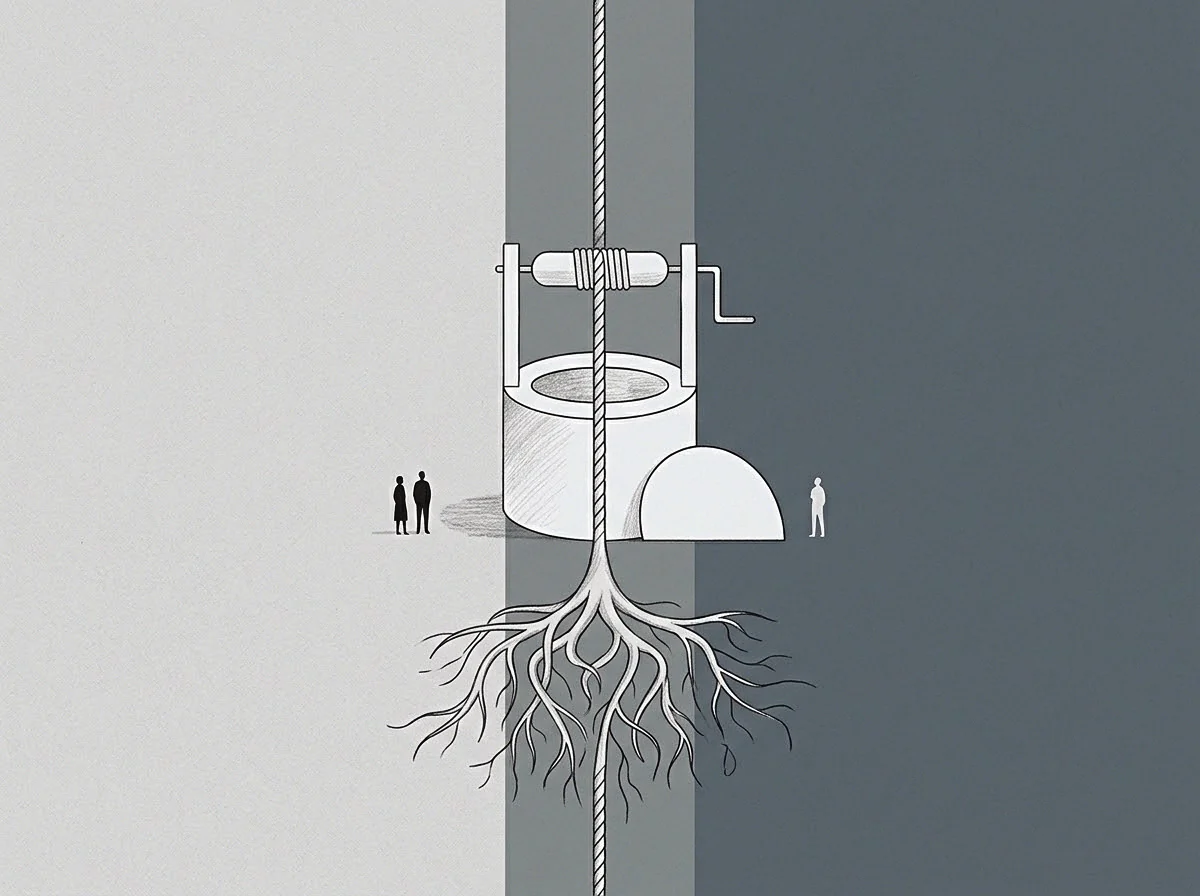
The Transition From Defensive Isolation to Earned Security
Moving away from defensive isolation requires systematic somatic retraining over extended timeframes. Initial attempts at vulnerability or presence often trigger uncomfortable sympathetic spikes as old defensive templates resist exposure. The executive mind interprets reliance on others as a surrender of operational control.
Cognitive understanding of a stress response changes no biological variables until the somatic template experiences sustained physical safety.
Repeated positive experiences of non-evaluative co-regulation gradually update these internal threat predictions. As the brain recognizes that proximity to a stable peer reduces overall metabolic strain without introducing organizational risk, the ventral vagal path activates more readily. Contractual non-operational proximity hours specify exactly when executive threat monitoring disengages, lowering biological baseline load.

Boundary
Explicit operating limits prevent operational demands from consuming the biological reserves required for autonomic recovery. Setting hard structural caps on executive availability forms a physiological circuit breaker, interrupting continuous threat monitoring cycles. Without strict operational boundaries, prolonged uncertainty expands to occupy all available cognitive and somatic bandwidth.
Load accumulates without release.
A stated limit acts as an external anchor, protecting the executive seat from constant environmental overstimulation. When availability is bounded, the sympathetic nervous system receives a predictable signal that threat scanning can temporarily cease. This predictable disengagement allows the parasympathetic system to initiate cellular restoration, clear accumulated cortisol, and re-establish baseline heart rate variability.
Reciprocity protects executive baseline.
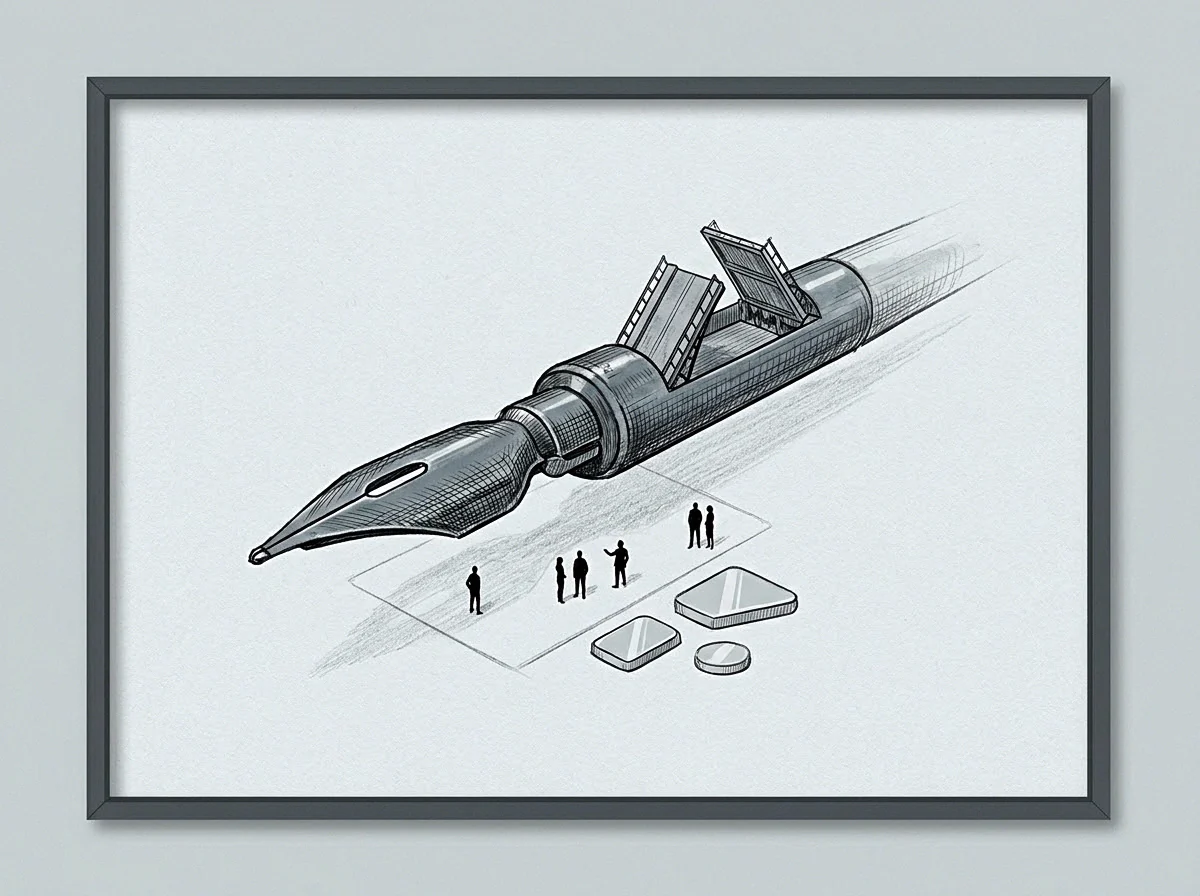
Stated Operating Limits as Autonomic Circuit Breakers
Institutionalizing availability limits requires clear communication across all organizational levels. Operating limits cannot exist merely as personal intentions; they must be embedded in operational agreements, communication protocols, and board governance expectations. Establishing explicit off-grid windows creates bounded periods where the executive is contractually shielded from incoming operational pings.
These structural circuit breakers protect both the individual leader and the broader firm. Bounded availability forces subordinate managers to develop internal problem-solving capacity rather than relying on rapid executive escalation. Simultaneously, it provides the core decision maker with guaranteed periods of low-stimulation space, essential for processing complex strategic tradeoffs without emotional reactivity.

Long Term Performance Across Continuous Market Ambiguity
Sustaining peak executive performance over multi-year horizons requires viewing autonomic health as a core operational discipline. Long-term corporate endurance is built on physiological sustainability, not continuous over-exertion. Managing the nervous system through structured co-regulation, non-evaluative proximity, and firm operational boundaries ensures that executive judgment remains sharp under perpetual uncertainty.
Organizations that protect their leadership’s autonomic baseline maintain crucial strategic advantages during prolonged market downturns. Leaders who master autonomic regulation process market shifts with clarity, adjust strategy without panic, and inspire genuine confidence across their workforce. Sustainable leadership performance is ultimately an outcome of rigorous biological stewardship.
It remains undetermined whether digital asynchronous touchpoints can ever generate sufficient vagal nerve stimulation to replace physical co-presence during prolonged institutional crisis.