
Social Baseline Shift under Long Term Unreciprocated Affective Load Transfers
Unreciprocated affective load transfers force a steady baseline actor into chronic allostatic elevation by denying the biological discount of shared regulation.

Signal
Four notification queues sit active at eleven at night, carrying emotional distress from co-founders and team leads regarding operational volatility. The recipient sitting at the central desk maintains a steady pulse, reading each message, drafting steadying replies, and absorbing the panic of the senders. The senders receive the steady response and log off, their physiological threat levels reduced through the exchange.
The recipient stays in the quiet room, heart rate remaining elevated, vigilance active, processing the residual emotional distress of four separate operational structures alone. Presence becomes an expenditure.
Social baseline theory establishes that the human brain defaults to delegating emotional regulation to nearby familiar individuals. Physical proximity and social baseline availability allow the brain to conserve metabolic resources by offloading threat assessment and distress management onto a trusted baseline actor. When this transaction runs in one direction for quarters on end, the baseline actor absorbs incoming emotional distress without receiving co-regulating feedback in return.
The metabolic discount of social proximity applies entirely to the offloader, while the baseline host carries an escalating internal operational expense.
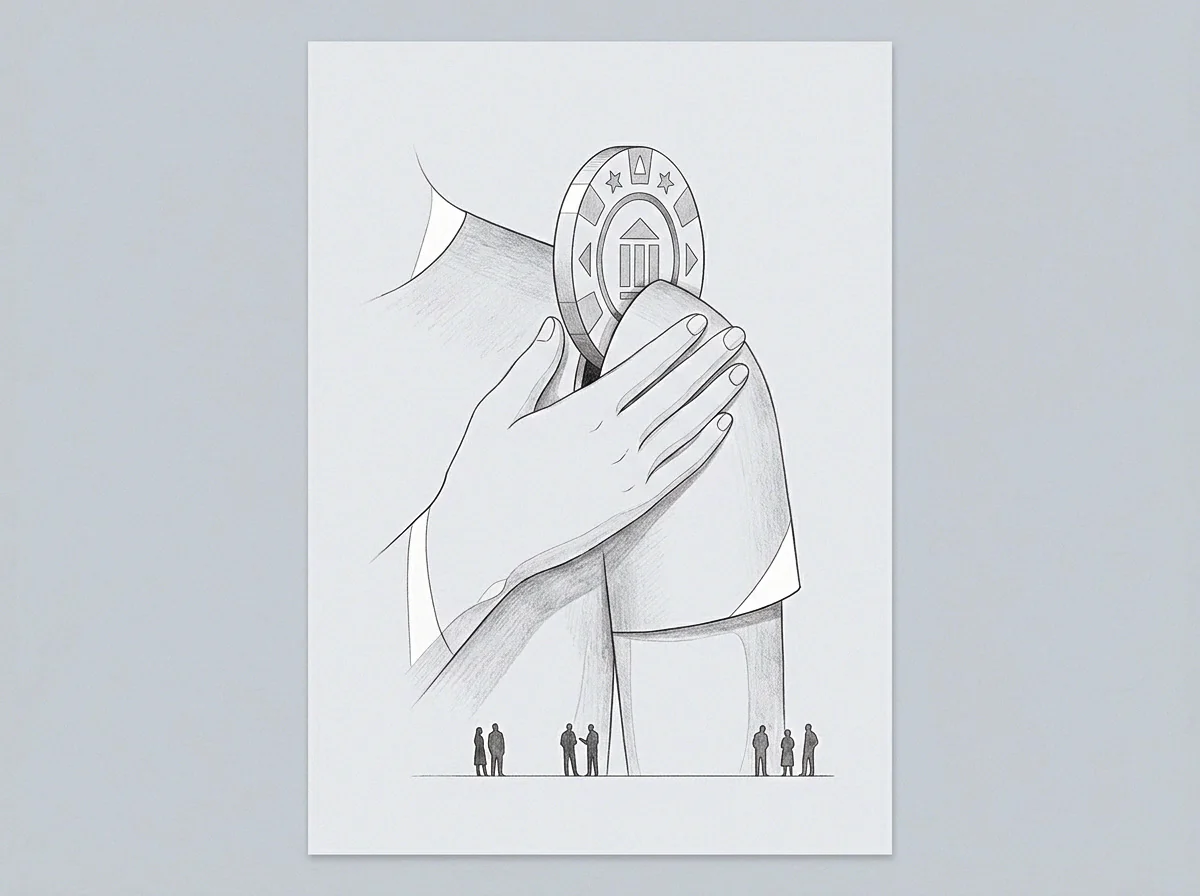
Affective Transfers Across Asymmetric Partnerships
In high-stakes ventures, affective transfers occur when one partner routinely offloads distress, panic, and ambiguity onto another who displays high regulatory headroom. The offloader utilizes the steady partner as an environmental shock absorber, regulating their own cardiovascular and neural threat systems through the partner’s calm response. When the steady partner experiences no reciprocal baseline support during their own periods of operational stress, the structural baseline shifts.
The baseline host’s brain reclassifies the surrounding environment as high-risk, recognizing that proximity to the partner offers no metabolic discount on self-regulation.
This structural reclassification alters how the steady partner processes everyday operational signals. Over months of unreciprocated affective transfers, the host’s central nervous system stops budgeting for shared threat management. The baseline actor’s neural circuits treat every incoming message not merely as an informational update, but as a fresh demand for uncompensated emotional regulation.
The signal goes unanswered.

Mechanisms of Proximity and Environmental Economy
The neural economy of human interaction operates on the assumption of reciprocal social baseline availability. When two partners share affective loads reciprocally, neural threat responses in the ventral anterior cingulate cortex and hypothalamus drop for both parties during crises. Unreciprocated transfers disrupt this conservation mechanism.
The host absorbs the partner’s distress signals, expending glucose and neurochemical reserves to remain steady, yet receives no physiological down-regulation when their own capacity reaches limit thresholds. The reserve drains rapidly.
When proximity to a baseline regulator fails to yield reciprocal co-regulation over prolonged horizons, the brain reclassifies the calm baseline as an expensive individual effort rather than a shared environmental asset.
The persistent absence of reciprocal regulation forces the host’s regulatory apparatus into chronic over-activation. The host maintains an exterior appearance of stability because their operational role demands it, but the internal cost per hour of contact rises steadily. The regulatory asymmetry creates specific operational failure states within high-stress organizations:
- Affective Offloading occurs when one party routinely dumps unedited panic and operational anxiety onto a partner to reduce their own immediate distress, relying entirely on the partner’s steady state to restore internal order.
- Regulatory Parasitism develops when an executive or co-founder relies permanently on another person’s presence to maintain baseline composure, failing to develop individual emotional regulation capacity.
- Baseline Degradation manifests when the host’s resting physiological threat readiness rises permanently to compensate for expected unreciprocated load transfers from team members.
- Anomalous Presumptive Load appears when team members mistake a regulator’s steady performance under stress as evidence of limitless regulatory reserves, prompting increased distress transfers during subsequent operational shifts.
The partner who routinely offloads emotional strain leaves the room feeling lighter and restored, observing that the operational baseline remains entirely intact.

Toll
Long-term exposure to unreciprocated affective loads alters the host’s baseline allostatic load. The brain’s threat-appraisal architecture adapts to the chronic demand by maintaining elevated cortisol profiles and persistent sympathetic nervous system tone, even during periods of low operational activity. Self-regulation alone becomes an expensive, resource-intensive mode of operation.
The host no longer experiences social proximity as a source of safety; instead, proximity registers biologically as an impending expenditure of nervous energy required to hold the steady line for others.
The body tracks the toll. Cardiovascular indices show reduced heart rate variability in baseline regulators who endure sustained load asymmetry. The physiological cost of maintaining composure while receiving zero reciprocal baseline support creates structural exhaustion that routine time off fails to reverse.
When social baseline theory is tested under long-term unreciprocated affective transfers, the host’s brain shifts from an economy of social baseline dependence to an economy of hyper-vigilant independence.
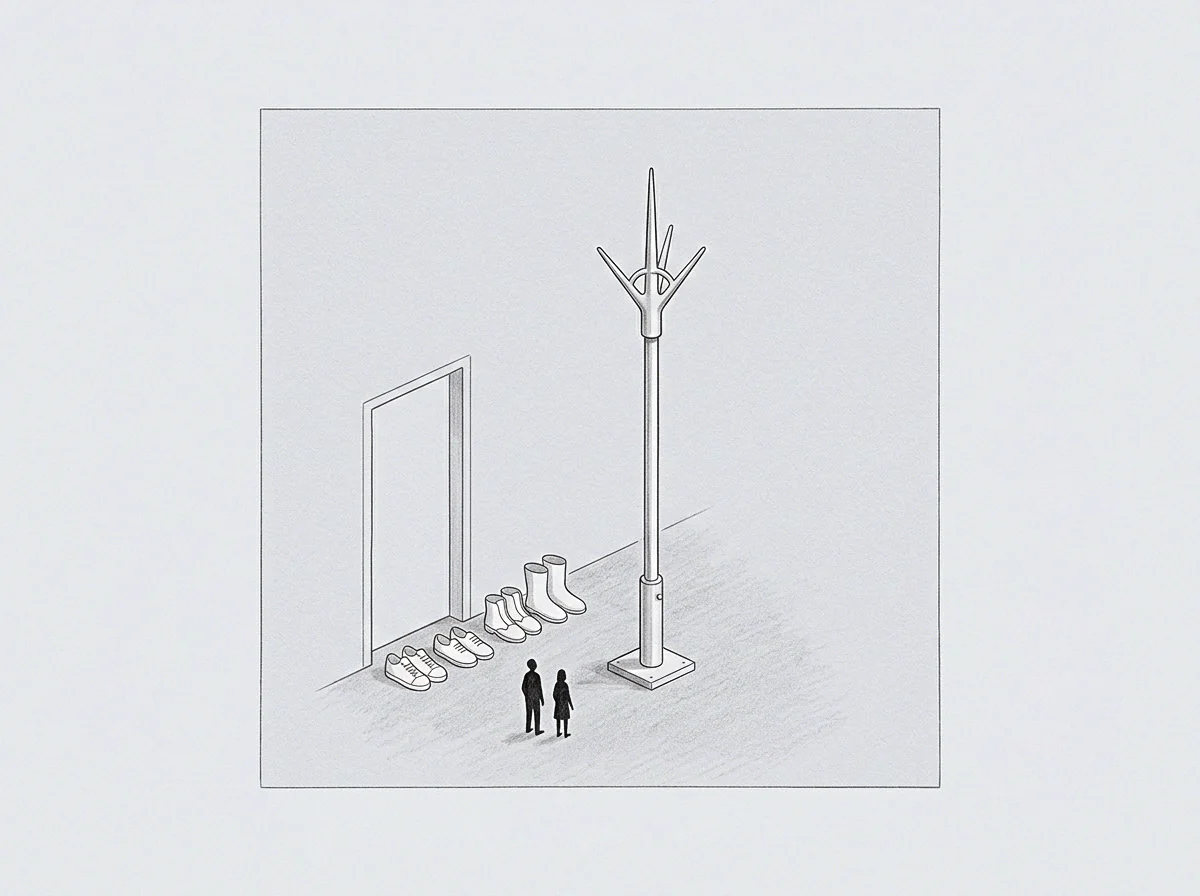
Allostatic Accumulation and Baseline Elevation
Allostatic load represents the cumulative wear and tear on physiological systems subjected to chronic stress. In partners serving as non-reciprocated regulatory baselines, allostatic accumulation accelerates because the host regulates for two or more individuals simultaneously. The host processes their own operational tasks while concurrently dampening the emotional turbulence of surrounding leaders.
The hypothalamus maintains continuous activation, driving systemic inflammatory markers higher while suppressing restorative sleep architecture.
A non-reciprocated baseline transfer converts the host’s regulatory capacity into an unpriced organizational shock absorber.
This continuous physiological taxation alters resting threat thresholds. The host’s amygdala exhibits heightened reactivity to subtle indicators of distress in peers, reading micro-expressions of panic as immediate demands on internal reserves. The constant expectation of incoming affective load forces the nervous system to remain online, preventing the natural dip into parasympathetic recovery that typically follows completed operational milestones.
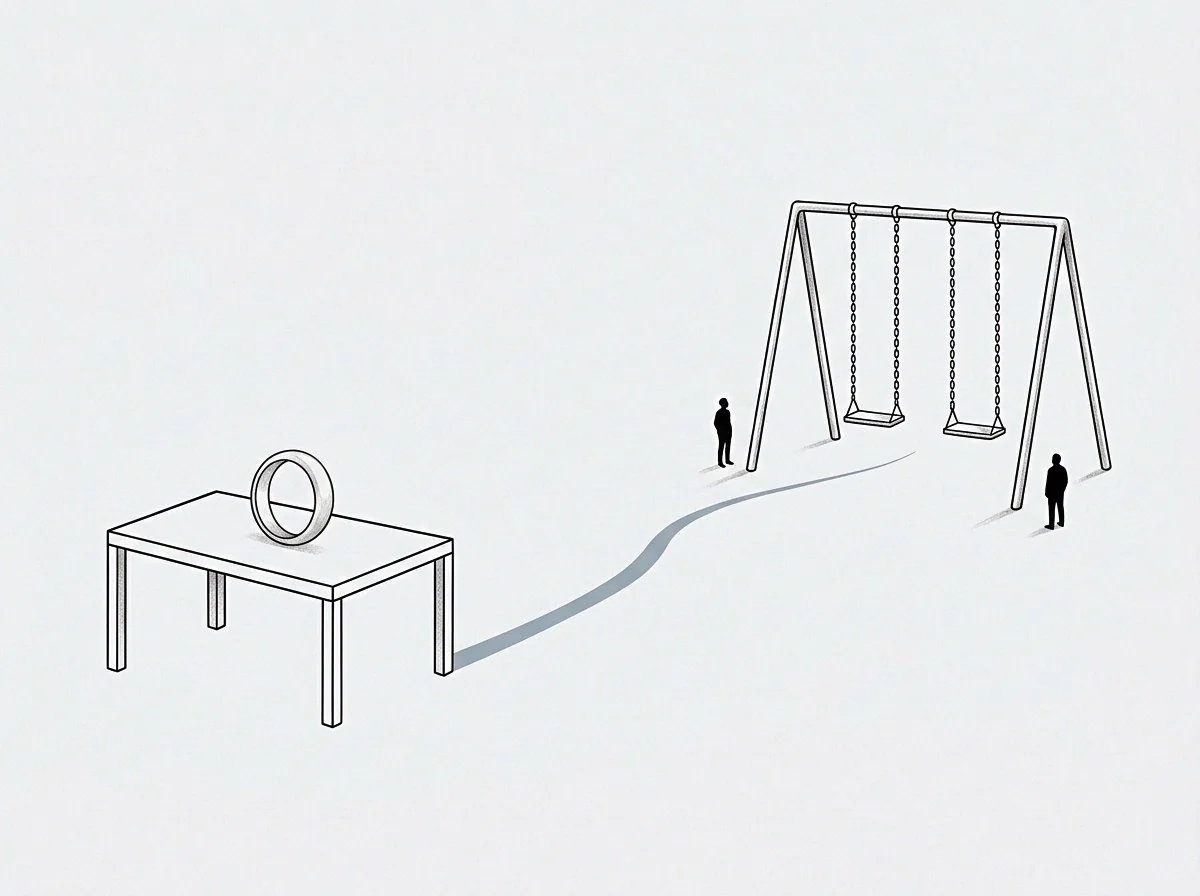
Quantifying Co-Regulation Asymmetry
The physical variance between balanced reciprocal co-regulation and long-term unreciprocated load transfer shows clearly across physiological and operational dimensions. The distinction determines whether an executive team builds durable collective resilience or steadily consumes its most stable member.
| Evaluation Dimension | Balanced Reciprocal Co-Regulation | Unreciprocated Affective Load Transfer |
|---|---|---|
| Resting Allostatic Load | Low; systemic stress markers return to baseline post-crisis. | Chronically elevated; elevated glucocorticoid production during rest. |
| Neural Threat Response | Attenuated; proximity to partner dampens hypothalamic activation. | Heightened; proximity to partner signals imminent regulatory expenditure. |
| Heart Rate Variability | High vagal tone; flexible autonomic adjustments under strain. | Depressed vagal tone; persistent sympathetic dominance. |
| Internal Working Model | Updated toward earned security and mutual baseline availability. | Updated toward hyper-independence; internalizes self as sole regulator. |
| Operational Capacity | Sustainable long-term scaling with shared distress management. | Progressive depletion; eventual operational throttling or sudden exit. |
When an organization allows unreciprocated load transfers to persist, the structural failure of its most reliable baseline actor becomes a matter of physiological timing rather than personal resolve.

Slot
Early relational patterns establish an internal working model that governs how an individual handles distress and presence. A person who grew up regulating panicked or unstable caregivers internalizes a specific operational template: they learn to act as the steady baseline for others while suppressing their own distress signals. This backward internal working model creates a structural anomaly in adult leadership roles.
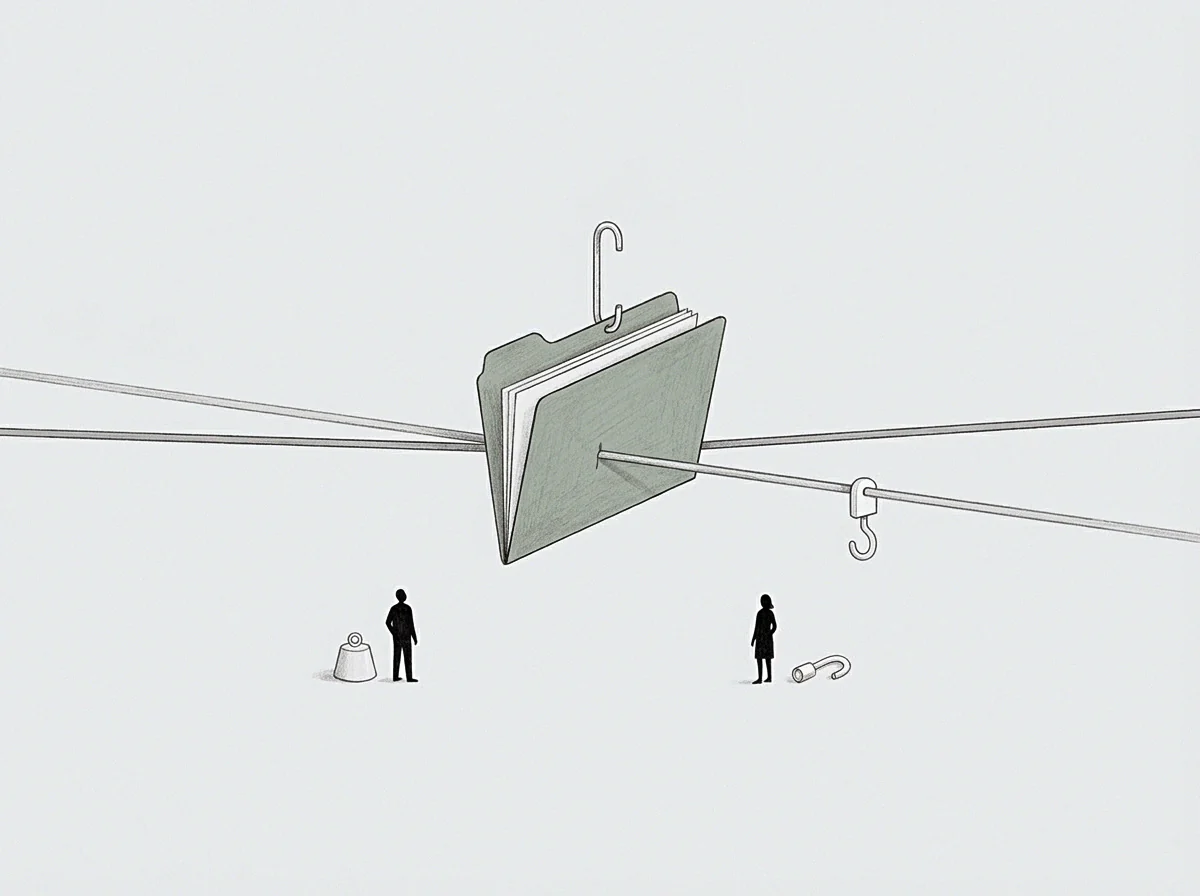
The person builds high capacity to absorb affective loads, but their relational architecture lacks an functional receptor slot for receiving regulation from another human being.
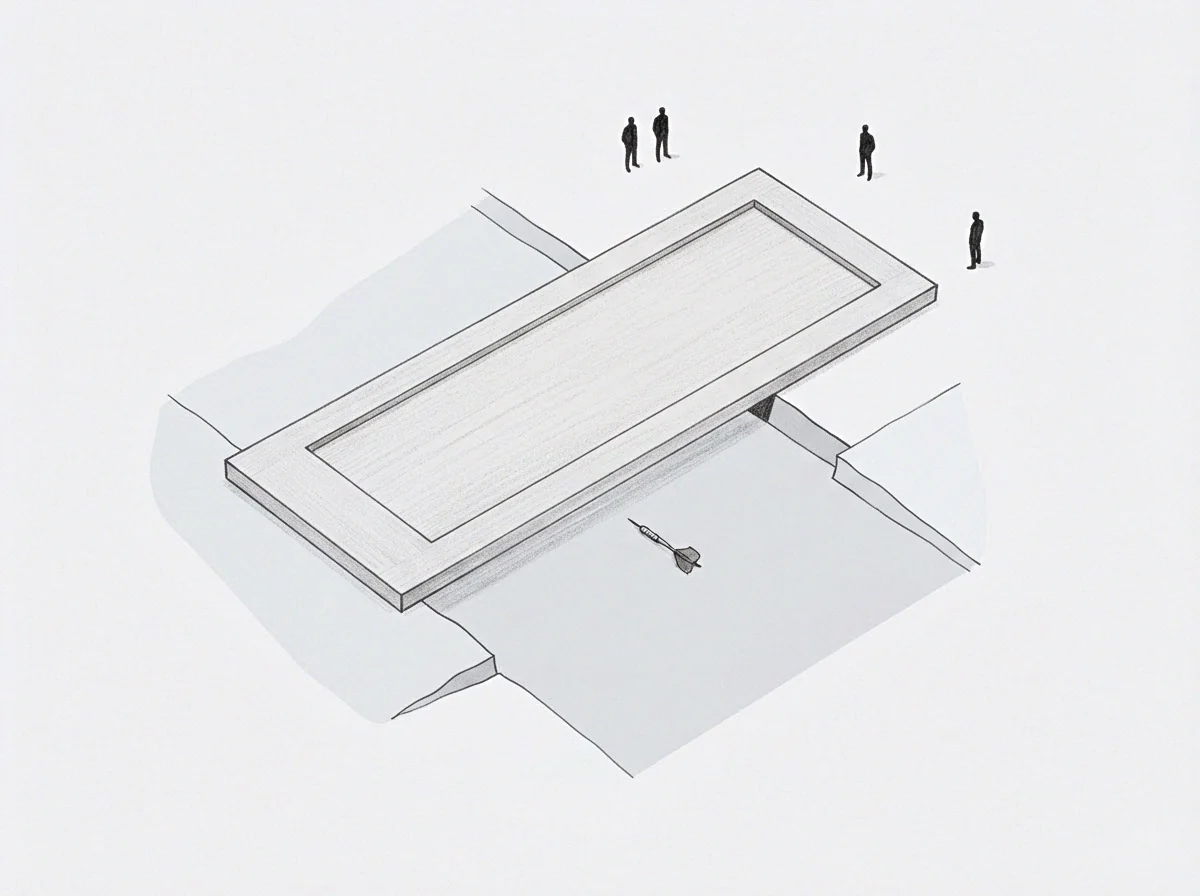
Does Borrowed Calm Require Conscious Reciprocation?
The borrowing of calm occurs automatically; team members absorb steady presence without explicit analysis of the underlying cost. When a leader acts as an unyielding baseline, peers naturally attach to that stability to regulate their own internal states. Reciprocation requires conscious awareness because the person taking the calm experiences immediate relief, which lulls their brain into assuming the environment is entirely stable.
Without explicit structural mechanisms that mandate reciprocal check-ins and mutual load accounting, the transfer remains one-way by default.
The presence of an unyielding baseline attracts external threat processing before internal work begins.
The baseline actor rarely requests reciprocal support because their internal template classifies vulnerability as an immediate operational hazard. When a partner offers genuine presence or attempts to provide baseline regulation, the host’s nervous system reads the offer as an anomaly or a potential demand. The host deflects the offer, maintaining the familiar role of the sole regulator in the room.
The receptor slot stays empty.
The Backward Internal Working Model
A backward working model functions by reversing the natural direction of social baseline regulation. In a healthy baseline pattern, an individual relies on responsive others during overload, internalizing safety through shared regulation. In the backward pattern, the individual experiences safety only when they hold absolute control over the surrounding emotional climate.
Regulating others and regulating the self merge into a single operational procedure.
This dynamic creates a profound relational paradox. The baseline host attracts individuals who require affective holding, as those individuals seek stable external regulators. The host spends years steadying founders, partners, and key operators, building an operational footprint around unreciprocated support.
Because the host’s regulatory template contains no active slot for receiving care, offers of support from stable peers produce discomfort rather than ease. The host remains biologically isolated within crowded rooms, carrying the full weight of collective distress on a solitary balance sheet.
When an executive team operates under the assumption that the host’s regulatory capacity is infinite, the unstated clause in their relational contract dictates that the host must never show strain, altering the structural terms of engagement only when complete physical exhaustion forces an immediate pause.
Wall
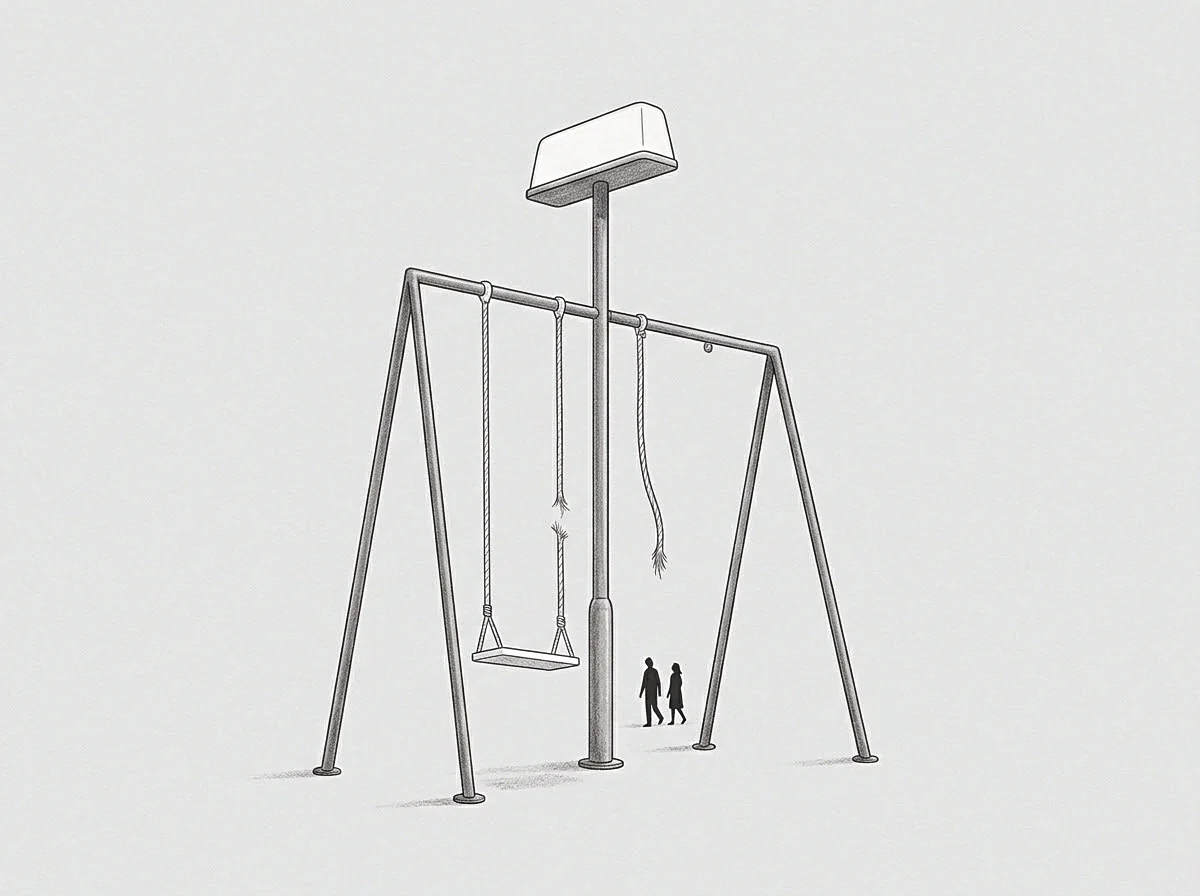
The emergence of systemic fatigue forces the baseline host to construct operational barriers. When physiological reserves hit baseline floor thresholds, the host can no longer rely on internal suppression to absorb incoming panic. The host implements structural throttling: unanswering late-night communications, shortening meetings, and enforcing strict boundaries around personal availability.
These moves signal that the unpriced shock absorber has reached structural capacity. Threat appraisal remains elevated.

Transitioning From Implicit Capacity to Operational Limits
Implicit capacity relies on unspoken tolerance, allowing partners to transfer emotional load without resistance. When the baseline host experiences chronic unreciprocated load, implicit capacity collapses, forcing the installation of hard operational boundaries. The transition feels abrupt to team members who grew accustomed to unlimited affective offloading.
Partners often react to these new limits with confusion or anger, interpreting the host’s necessary self-preservation as a breach of trust or a sudden withdrawal of leadership capability.
A partner who absorbs emotional strain without seeking regulation eventually operates at baseline threat readiness even in empty rooms.
The boundary holds the line. The operational wall serves as the first external object that an offloading partner encounters that is not the host’s accommodating nervous system. The introduction of explicit limits forces the surrounding team to confront their own emotional regulation deficits rather than continuously exporting panic to the central desk.

The Boundary as Structural Feedback
The implementation of operational limits against unreciprocated affective transfers unfolds through a defined structural sequence:
- The host identifies recurring incoming channels where affective load is routinely offloaded without operational substance or reciprocal support.
- The host establishes clear communication windows, refusing to engage with non-critical emotional distress communications outside designated operational hours.
- The host explicitly separates operational status updates from affective reassurance requests, requiring team members to propose actions rather than offload anxiety.
- The host tolerates the immediate operational friction and partner pushback that emerges when unpriced regulatory resources are suddenly restricted.
- The team adapts to the new baseline by developing internal threat-processing mechanisms or sourcing external support structures.
This operational sequence disrupts the cycle of regulatory parasitism, forcing the organization to distribute emotional management across its structural components rather than concentrating the metabolic load on a single individual. Yet, when the host successfully deploys operational boundaries to protect remaining reserves, what unresolved physiological cost lingers within a nervous system that spent years acting as an unreciprocated baseline for an entire enterprise?
Reset
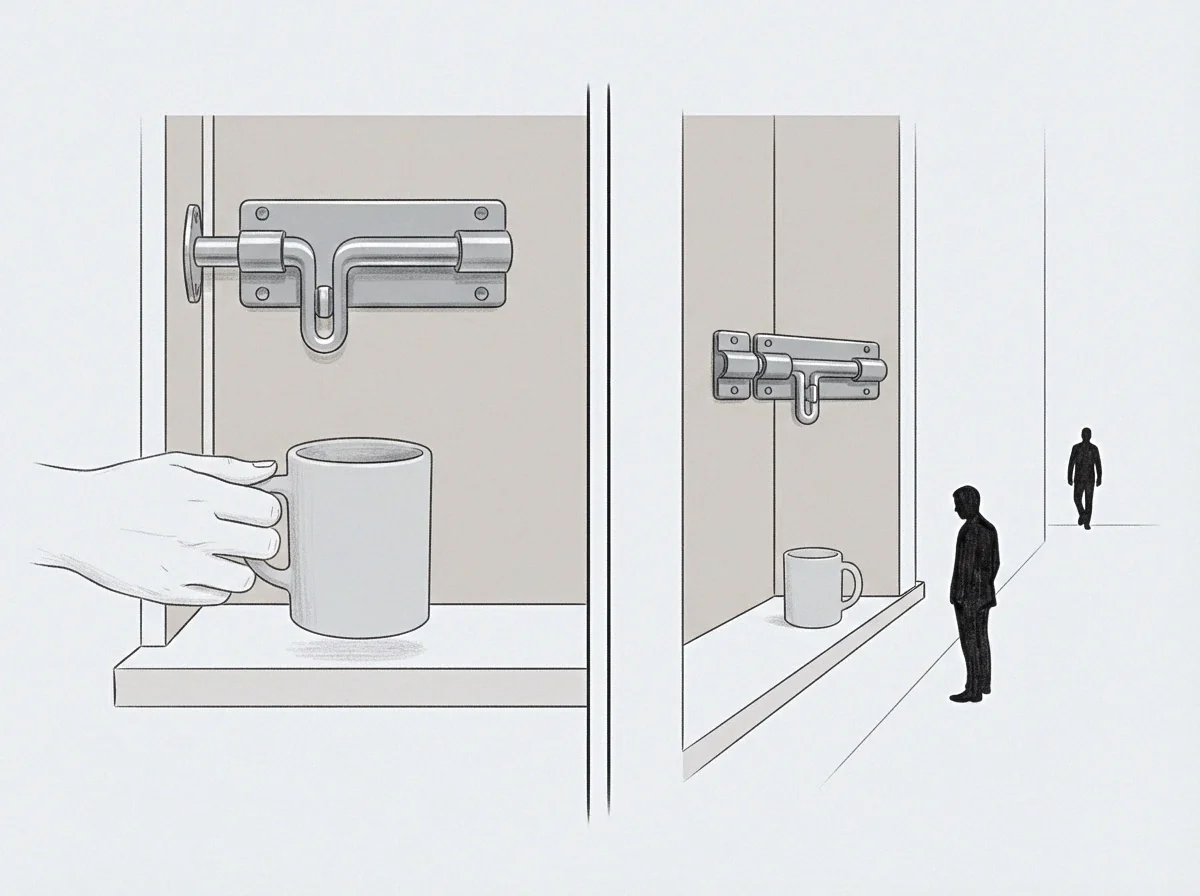
Updating a long-standing baseline shift requires more than intellectual understanding of social baseline dynamics. Knowing the theoretical architecture of co-regulation does not alter hypothalamic threat triggers or automatically open a closed receptor slot. Neural templates update through repeated physical and relational experience over extended timeframes.
The host must experience relationships where affective load is shared reciprocally, where presence does not equal work, and where stability is mutual rather than extracted.
Earned security develops when an individual with a history of self-reliance constructs a new internal working model through repeated interactions with responsive, stable peers. The nervous system learns that proximity can lower metabolic expenditure without introducing hidden regulatory obligations. Calm becomes a shared resource rather than an individual debt.
No secondary template forms without actual experience under real operational load.

Updating the Working Model Through Experience
The reset process demands that the host enter environments where their steady presence is neither demanded nor utilized as an organizational shock absorber. Interacting with peers who possess equal or superior regulatory capacity allows the host’s nervous system to test the safety of stepping down from hyper-vigilant independence. When distress arises, the host practices expressing needs and allowing others to hold the operational baseline, systematically building the missing receptor slot through lived exposure.
This experiential update alters autonomic baseline settings over months of sustained practice. Heart rate variability improves as the body registers that proximity to key partners offers genuine metabolic conservation. The host’s brain gradually scales down its resting threat appraisal, recognizing that environmental crises will be met with distributed, reciprocal effort rather than solitary emotional heavy lifting.
Sustained Reciprocity and Boundary Calibration
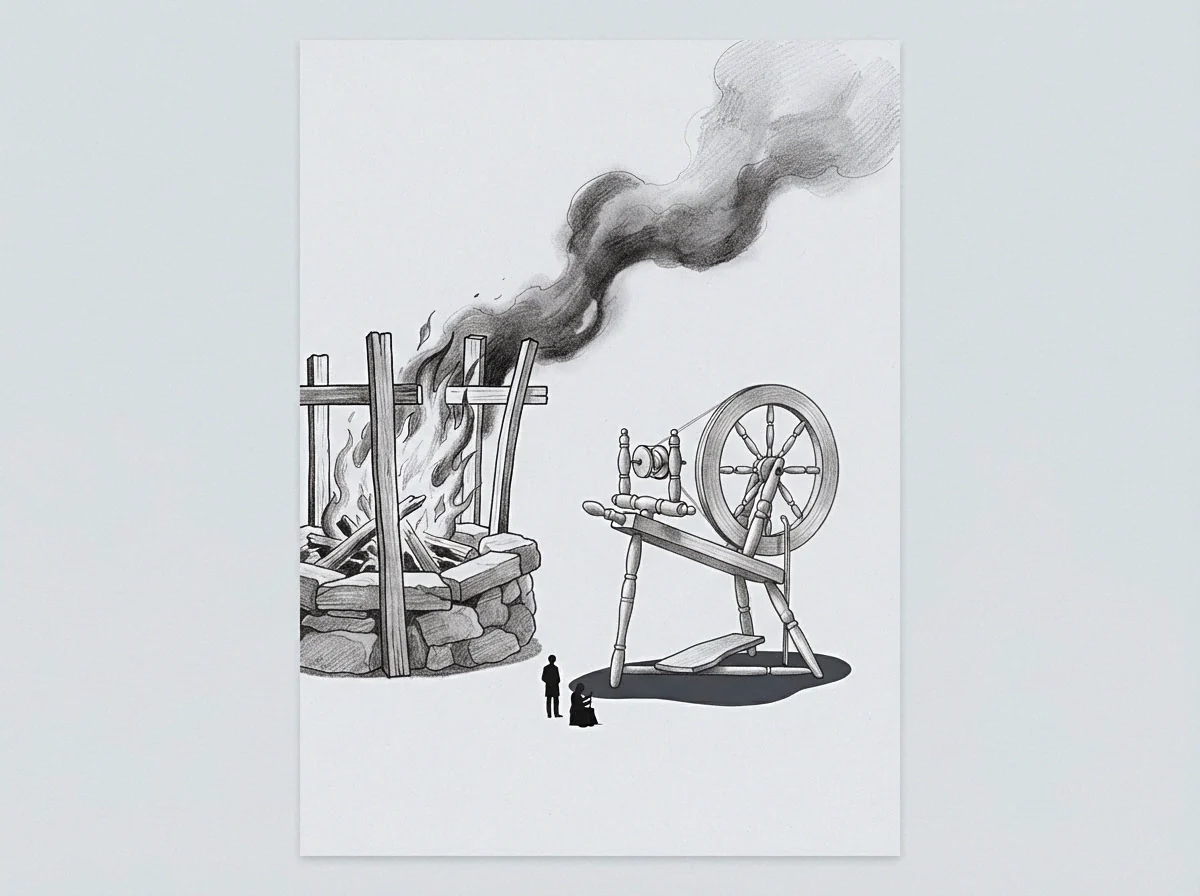
Long-term recovery from unreciprocated affective load transfers relies on the continuous calibration of relational boundaries and mutual load accounting. The host maintains clear operational limits, refusing to return to the covert role of an unpriced emotional baseline. Partnerships are continuously evaluated for reciprocity: both parties must demonstrate the capacity to hold presence, offer steadying support during crises, and respect stated availability limits.
The regulator pays the price until the dynamic shifts. By replacing implicit capacity with explicit boundaries and unreciprocated offloading with genuine mutual co-regulation, the leader transforms their operational environment from a site of continuous metabolic depletion into a sustainable system of shared resilience.
A steady presence under operational stress attracts incoming emotional load until explicit boundaries define the exact cost of the transfer.