
Structural Determinants Of Long Term Parasympathetic Recovery In High Responsibility Executive Seats
Long term parasympathetic recovery in executive seats depends on structural operational throttling that reduces ambient threat signaling and resets autonomic tone.
Latch
Acute physiological relaxation differs fundamentally from structural autonomic reset.
Transient attempts to down-regulate sympathetic arousal through breathing protocols, weekend breaks, or temporary retreats alter circulating catecholamines briefly without altering baseline neurological threat computation. When an executive seat carries uninterrupted accountability for enterprise outcomes, the central nervous system interprets ambient operational signals as persistent environmental hazards. Neural circuits in the ventromedial prefrontal cortex and amygdaloid complex continuously calculate risk, keeping the cardiac vagal brake disengaged.
Sympathetic outflow remains dominant, sustaining elevated arterial pressure, suppressed heart rate variability, and inhibited gastrointestinal function. True long-term recovery of parasympathetic tone demands structural modifications to the operational environment rather than episodic behavioral interventions.

Autonomic Suppression and Vagal Suspension
Continuous executive accountability forces cardiac tone into persistent sympathetic dominance.
The myelinated vagus nerve, originating in the nucleus ambiguus, functions as an active braking system on cardiac pacemaker cells. Under condition of perceived safety, vagal efferent activity slows heart rate and increases beat-to-beat variability, supporting metabolic conservation and physiological repair. High responsibility roles repeatedly interrupt this protective pathway.
Threat signals persist continuously.
When operational demands require unending monitoring, the brain down-regulates vagal tone to maintain instantaneous behavioral readiness. This physiological state, termed allostatic load, shifts the set point of the autonomic nervous system. The autonomic nervous system adapts to chronic threat by maintaining a elevated baseline of cardiac output and vascular resistance.
Over months or years, the capacity to rapidly re-engage parasympathetic regulation atrophies, leaving the executive in a state of autonomic rigidity.
Parasympathetic reactivation occurs only when central nervous system threat monitoring detects an environment devoid of ambient operational demands.
The Mechanics of Cardiac Vagal Tone
Heart rate variability serves as the primary physiological index of autonomic balance.
High-frequency spectral power in heart rate variability directly mirrors respiratory sinus arrhythmia, a phenomenon driven exclusively by vagal influence on the sinoatrial node. Executive seats characterized by unpredictable nocturnal pings, asymmetric downside exposure, and continuous decision rights suppress high-frequency heart rate variability across all sleep stages. Passive rest fails to restore this signal.
Passive rest yields nothing.
Without explicit structural containment of operational inputs, nocturnal brain activity continues processing threat scenarios, preventing parasympathetic dominance during slow-wave sleep. Chronic suppression of nocturnal vagal recovery accelerates arterial stiffening, alters systemic inflammatory cascades, and degrades executive prefrontal functioning over long tenures.
When an executive agreement specifies explicit operational containment rather than open-ended availability, the cardiac vagal brake reinstates intrinsic autonomic oscillations.
Interval
Temporal pacing of high-stakes decisions determines whether the central nervous system returns to homeostasis.
The human autonomic architecture relies on discrete periods of sympathetic activation followed by sustained windows of parasympathetic dominance. In high responsibility seats, operational demands often compress these recovery windows into extinction. Continuous decision-making without explicit temporal intervals maintains a perpetual elevation of circulating cortisol and salivary alpha-amylase.
The baseline shifts upward.
This persistent neuroendocrine state blunts cardiac vagal responsiveness. Autonomic tone mirrors structure.

Chronicity of High Frequency Heart Rate Variability
Prolonged exposure to unbuffered organizational friction erodes high-frequency autonomic spectral power.
When recovery intervals vanish, physiological degradation follows a predictable sequential progression across systemic markers.
- Sympathetic hypervigilance maintains elevated arterial pressure and suppresses gastrointestinal motility during active operational hours.
- Vagal withdrawal diminishes baroreflex sensitivity, preventing cardiac deceleration after acute stressors resolve.
- Metabolic exhaustion impairs prefrontal executive processing, prompting automatic compensatory surge responses to maintain cognitive output.
- Autonomic fixedness locks heart rate variability into a low-amplitude pattern that resists transient passive rest.
Vagal brake activity collapses.
Restoring autonomic fluidity demands structural off-loading of operational accountability during designated temporal intervals.
Chronic sympathetic tonus without predictable recovery windows degrades high-frequency heart rate variability across executive tenures.

Decoupling Pervasive Threat Signaling
Physical departure from the workplace leaves digital communication channels actively broadcasting emergency signals.
Modern executive seats blur physical and temporal boundaries through mobile connectivity, maintaining continuous central nervous system arousal. Brain activity registers every incoming notification as a potential structural threat to the enterprise, triggering micro-bursts of sympathetic activation. The cost accrues daily.
True parasympathetic recovery demands complete digital and operational decoupling, where incoming decision requests are structurally re-routed away from the primary operator. Without hard operational decoupling, autonomic circuits remain tethered to organizational volatility, preventing deep parasympathetic restoration.
The organization expects complete presence during active crises and fails to see how continuous readiness destroys executive physiological longevity.

Margin
Social baseline theory establishes that individual autonomic regulation represents an inefficient baseline mode for the human brain.
The human brain budgets metabolic expenditure under the neural assumption that physical and operational load is shared with reliable group members. Isolated self-regulation demands substantial prefrontal metabolic expenditure to suppress threat responses. When an executive sits in absolute operational isolation, holding final responsibility for organizational survival, the neural energy budget calculates high ambient risk.
The brain treats environmental demands as personal metabolic burdens, sustaining high sympathetic tone and disengaging parasympathetic reserves.

Social Baseline Dynamics in Leadership Seats
Human neural architecture conserves metabolic energy when a trustworthy co-regulator sits nearby.
Co-regulation lowers autonomic cost.
In high responsibility seats, true co-regulation requires the presence of a peer who shares operational risk rather than an subordinate who escalates problems up the hierarchy. When an executive interacts exclusively with team members who transfer risk upward, the executive serves as the sole autonomic baseline for the organization. Presence alters threat budgets.
This asymmetrical regulation dynamic consumes executive metabolic capacity while preventing parasympathetic reset.
Executive calm sustained through effortful suppression transfers autonomic strain directly onto ambient operational teams.
Comparing Autonomic Regulation Modes
Different operational structures generate distinct physiological costs for the occupant of an executive chair.
| Regulation Mode | Autonomic Mechanism | Energetic Burden | Long Term Parasympathetic Yield |
|---|---|---|---|
| Isolated Self-Regulation | Effortful prefrontal inhibition of sympathetic arousal | High continuous metabolic expenditure | Negligible baseline autonomic restoration |
| Synthetic Relaxation | Transient pharmacological or behavioral sedation | Moderate acute rebound sympathetic surge | Short-lived suppression without structural reset |
| Structural Co-Regulation | Shared social threat processing and distributed accountability | Low systemic autonomic cost | Sustained restoration of cardiac vagal tone |
Structure precedes physiological calm.
Attempting to compensate for absence of structural co-regulation through sheer willpower elevates systemic allostatic load and eventually triggers autonomic exhaustion.
Frame
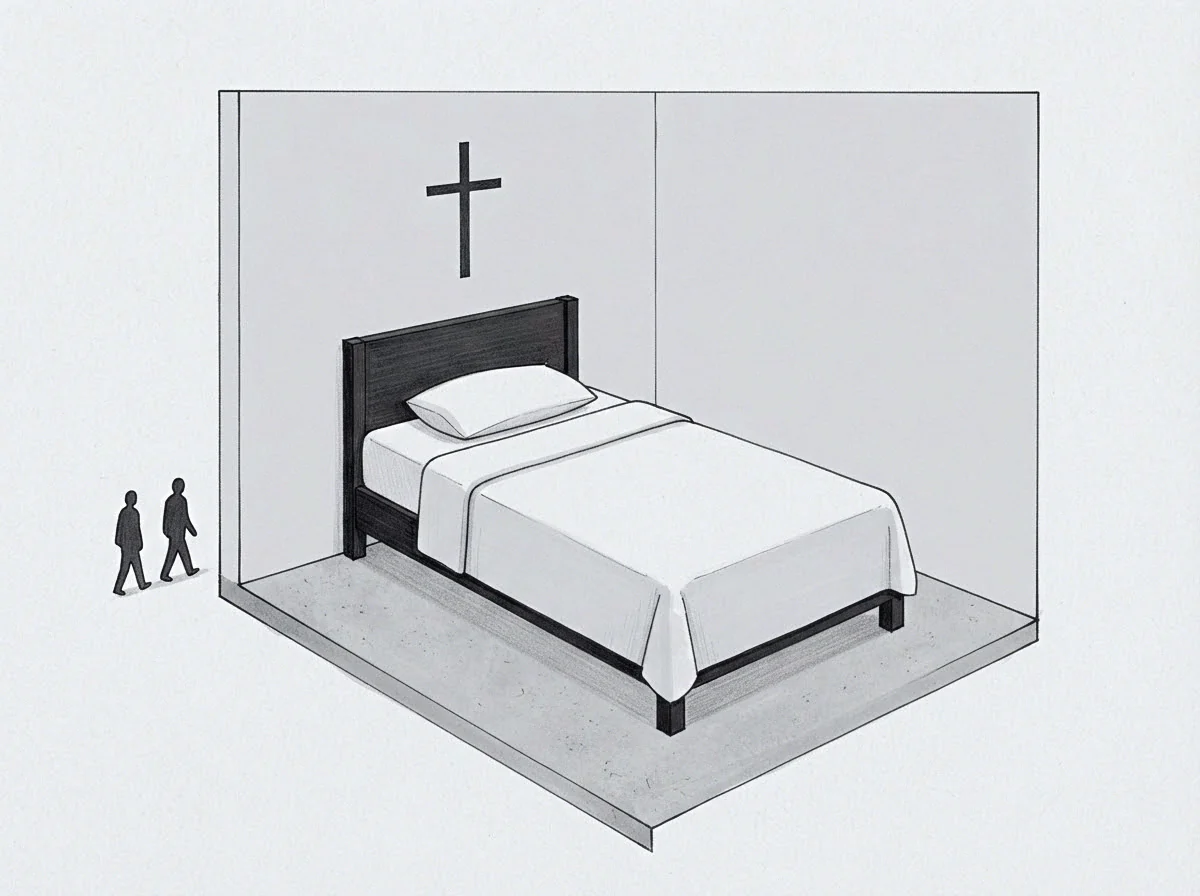
Architectural boundaries inside executive operations establish hard limits on incoming organizational noise.
Threat perception governs capacity.
Without structural filtering, every organizational friction point reaches the executive chair as an urgent priority. Continuous task switching and threat evaluation deplete prefrontal glycogen stores, weakening top-down parasympathetic modulation. Long-term recovery requires structural gating mechanisms that limit executive exposure to raw operational variance.

Can Executive Authority Preserve Autonomic Recovery Without Structural Off Loading?
Delegation without structural boundary enforcement leaves the executive brain in continuous monitoring mode.
Operational noise blocks recovery.
When an executive delegates tasks while retaining implicit monitoring duties, autonomic nervous system circuits remain vigilant. True operational off-loading demands hard authority transfers with clear failure thresholds.
- Asynchronous operational channels replace real-time messaging, eliminating immediate cognitive ping responses.
- Hard decision gating limits high-stakes authority transfers to predictable daylight windows.
- Redundant leadership redundancy ensures complete operational handover during designated offline recovery blocks.
Silence carries physiological weight.
Establishing these structural parameters resets central neural threat budgets, permitting cardiac vagal reactivation during non-operational hours.
Whether board members can accept reduced immediate responsiveness in exchange for sustained long-term strategic clarity remains a central conflict in institutional design.
Tenure
Longitudinal updates to autonomic internal working models demand years of repeated structural experience.
Internal templates govern response.
Executives who spent decades in high-threat operational environments internalize hypervigilant autonomic reflexes. Cognitive understanding of stress mechanisms leaves autonomic templates untouched. Re-patterning the sympathetic baseline requires sustained exposure to operational environments where structural boundaries remain unviolated under load.
Earned security inside high responsibility seats arrives when neural circuits repeatedly experience operational stability without emergency intervention.
Earned Security and Autonomic Re-Patterning
Cognitive realization of stress mechanisms leaves autonomic reflexes entirely unchanged.
The neural circuitry governing autonomic tone adapts exclusively to repeated behavioral and environmental realities. When an operator establishes hard limits on availability and witnesses the enterprise surviving without real-time executive intervention, central threat circuits begin updating implicit risk assessments. Parasympathetic recovery expands as the central nervous system learns that disengagement does not lead to catastrophic organizational failure.
A founder who sits in an unthrottled seat reads every passive pause as an impending operational emergency.

Structural Determinants of Longitudinal Vagal Reset
Institutional environments that protect parasympathetic recovery construct clear operational limits before crisis cycles arrive.
Long-term autonomic baseline update relies on predictable structural constraints embedded directly into corporate governance. Governance contracts specifying maximum continuous duty periods, mandatory operational handovers, and clear risk distribution across leadership tiers convert parasympathetic recovery from an individual effort into a structural guarantee.
When structural boundaries remain firmly anchored over extended time horizons, the baseline cardiac vagal tone stabilizes at a higher physiological baseline.