
Vagal Brake Engagement in Low Demand Proximity Contexts
The myelinated vagal brake slows the sinoatrial node during low demand proximity only when the internal model registers another person's presence as safety.
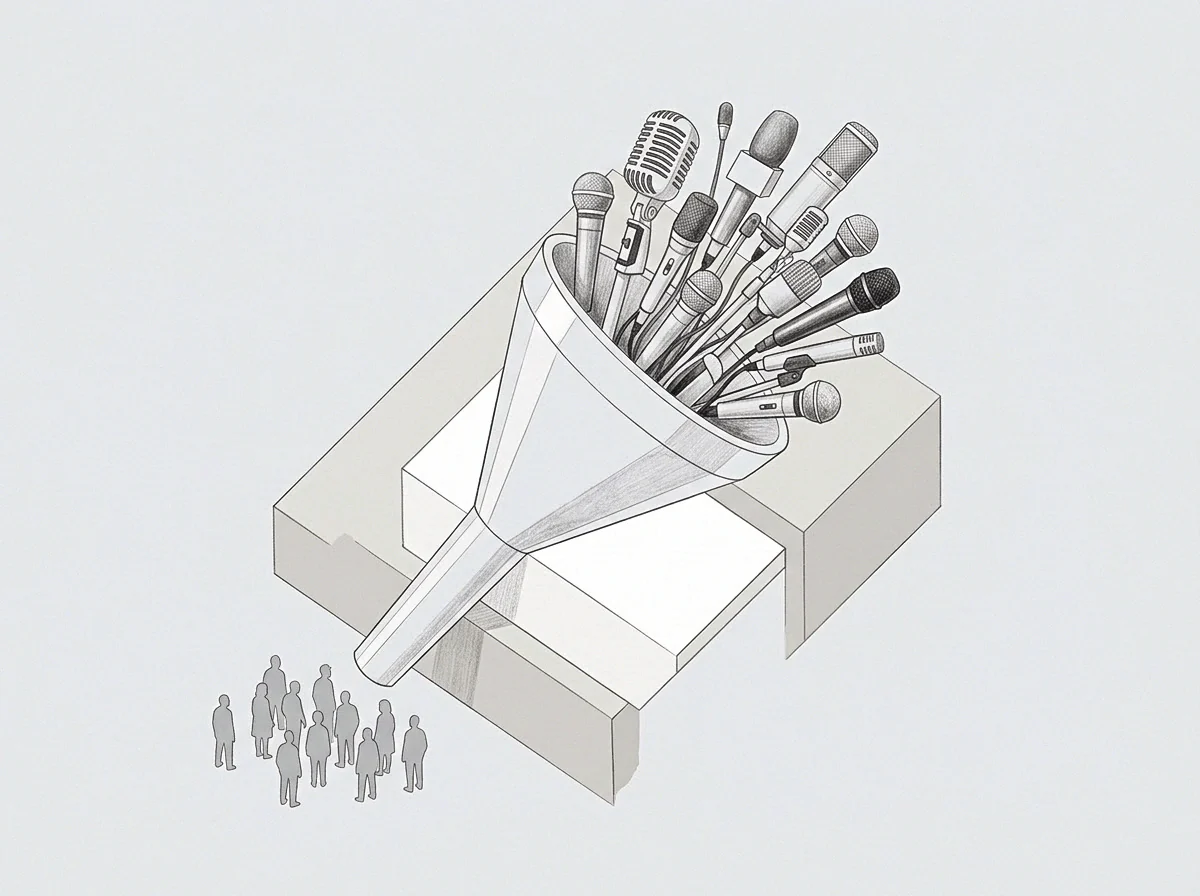
Tone
Midnight arrives in an empty living room where the monitors have gone black. The founder sits on the floor beside a partner who reads a book in silence. Work calls ended three hours ago, server traffic sits within normal parameters, and no immediate threat presses on the company.
The physical body, however, stays locked at ninety beats per minute. Breathing stays shallow and high in the chest. Muscles along the cervical spine maintain the exact tension held during an afternoon board deadlock.
The human autonomic nervous system manages metabolic output through two distinct branches of the tenth cranial nerve. The ventral vagal complex originates in the nucleus ambiguus, sending myelinated inhibitory fibers directly to the sinoatrial node of the heart. Under non-threatening conditions, this pathway functions as an active brake.
It slows intrinsic cardiac pacing from approximately one hundred beats per minute down to resting rates between sixty and seventy beats per minute. This braking action operates continuously, millisecond by millisecond, releasing acetylcholine to decelerate cardiac tissue.
The myelinated vagus suppresses sinoatrial firing rates only when environmental cues register the complete absence of defensive demand.
When environmental conditions register as safe, the vagus maintains this cardiac brake. The heart slows, peripheral blood flow increases, and the body shifts metabolic resources toward visceral repair. In social baseline theory, the human brain budgets metabolic expenditure on the default assumption that familiar conspecifics are present.
Physical proximity to a reliable companion signals that defensivevigilance can be distributed across two nervous systems. That baseline assumption lowers the required energetic investment of the individual.
Laboratory findings across multiple trials using electrocardiogram recordings show that hand-holding or quiet presence with a familiar partner reduces threat-induced activation in the dorsal anterior cingulate cortex and anterior insula. These findings rely on cohorts of adults in self-reported secure relationships. They would fail to replicate in populations characterized by unresolved attachment disorganization, where proximity itself acts as a prime for autonomic vigilance.
The data reveals that proximity lowers regulatory expenditure solely when the companion registers as safe and cooperative.
The person who spent years acting as the sole baseline for an entire organization arrives at proximity with a different visceral logic. The brake fails to seat. Sympathetic tone remains dominant even when the ambient environment demands zero defensive output.
The brain continues to budget for isolated survival. The regulator paid the full energetic price for that vigilance throughout the evening.
The operational condition states that proximity downregulates metabolic cost only when the recipient holds an internal working model capable of registering presence as support.

Desk
The physical environment of a home office or a shared kitchen reveals whether low-demand proximity produces autonomic rest. Two people occupy the same room without talking. One sits at an oak desk reading documents; the other sits on an adjacent sofa folding clothes.
No conversation occurs, no project demands coordination, and neither party asks anything of the other.
For an individual accustomed to holding the regulatory burden of forty employees, this lack of structure triggers silent autonomic confusion. The absence of an explicit task deprives the system of its usual orientation. A founder often interprets low demand as an unstated expectation.
The body treats the quiet room as a holding pattern before an inevitable operational failure.
A silent room shared with a partner feels louder than an active production floor when the body treats quietness as vigilance.
The inability of the cardiac brake to engage during unstructured quiet produces distinct operational compromises in personal environments.
- Autonomic scanning describes continuous sensory monitoring of the other person’s micro-expressions, posture shifts, and respiration patterns during periods of nominal silence.
- Premature task generation manifests when an unpressured silence feels threatening, driving the individual to invent domestic problems, organize storage closets, or reopen project backlogs to supply an external structure.
- Somatic restlessness appears as peripheral muscle twitching, rapid leg bouncing, and an inability to remain seated without a handheld device. It sustains sympathetic activation through continuous tactile stimulation.
The companion in the room feels this ambient tension without understanding its origin. They offered quiet presence, expecting the shared space to act as a harbor. Instead, they absorb the vibration of an unbraked nervous system running at full operational capacity beside them.
The partner looks across the room and says that being together should feel quiet, yet sitting here feels like waiting for an alarm.
Split
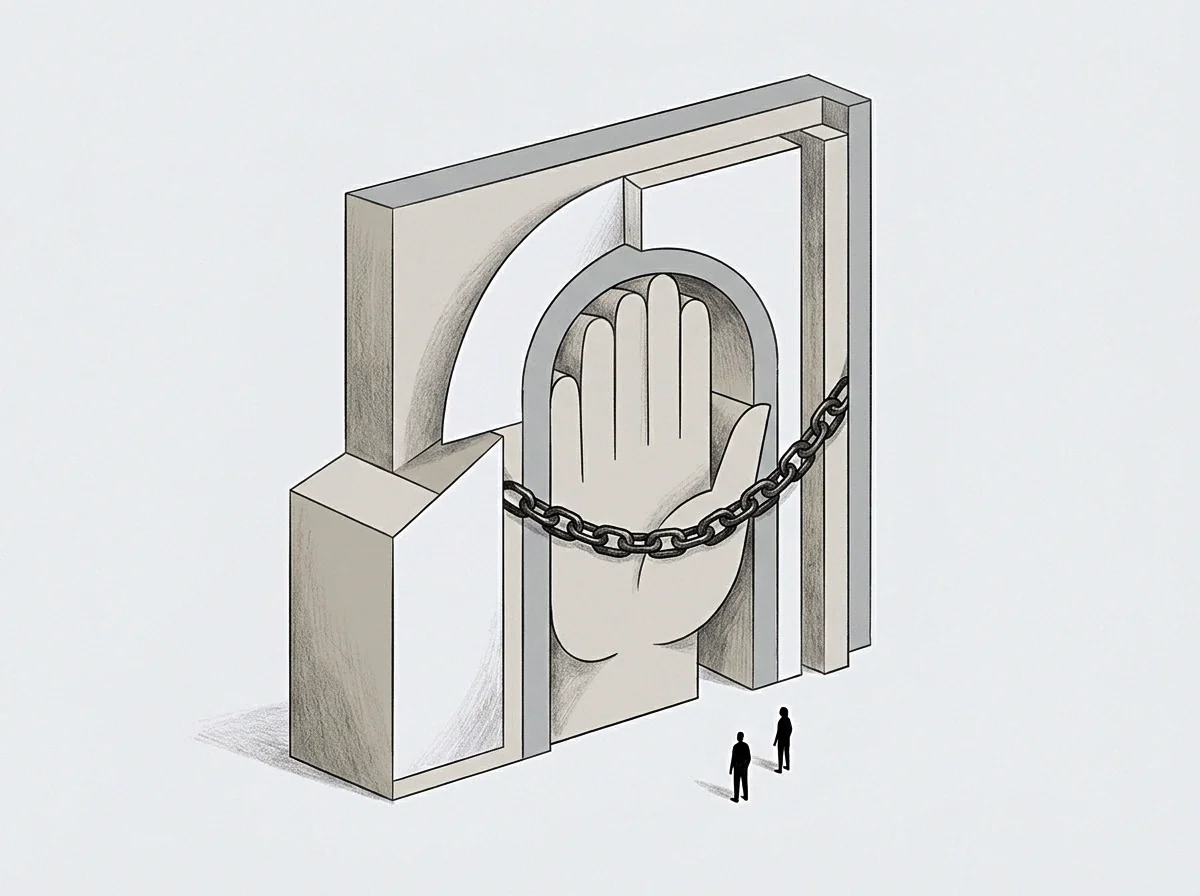
The disparity between the external demand of an environment and the internal state of the person occupying it marks the failure of the vagal brake. The external demand is zero; the internal state is combat readiness. In engineering terminology, this matches a negative feedback loop whose sensor has drifted from its baseline reference.
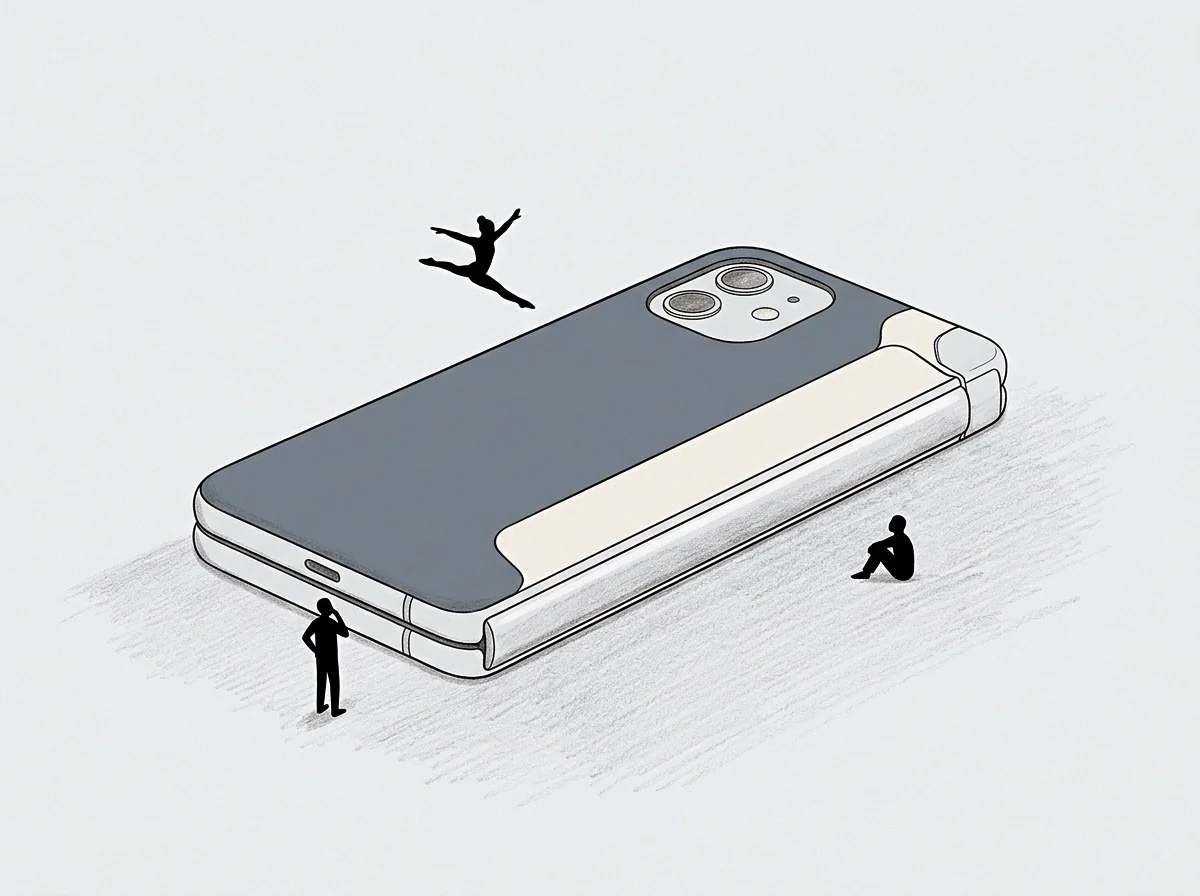
Can Shared Physical Quiet Lower Cardiac Arousal?
Physical quiet lowers arousal only when the internal predictive model classifies low demand as safety. If the predictive model classifies low demand as the quiet phase preceding an ambush, the nervous system actively countermands vagal deceleration. The autonomic profile bifurcates according to the individual’s baseline history.
| Autonomic Metric | Social Baseline Integrated | Backward Template Vigilant |
|---|---|---|
| Vagal Brake Engagement | Rapid onset; high vagal efference to the sinoatrial node. | Inhibited; persistent sympathetic overdrive suppresses deceleration. |
| Respiratory Sinus Arrhythmia | High amplitude; broad beat-to-beat variability tied to breath. | Suppressed amplitude; low beat-to-beat variability. |
| Metabolic Resource Allocation | Cellular maintenance, digestion, and peripheral tissue perfusion. | Sustained central blood pooling, ready for immediate exertion. |
| Response to Sudden Inactivity | Spontaneous drop in arterial pressure and thoracic muscle relaxation. | Motor bracing and elevated vigilance to ambient micro-stimuli. |
The backward template develops when an individual spends formative or prolonged professional intervals functioning as the sole regulator for others without ever receiving co-regulation. The child who calmed an erratic parent grows into the founder who calms panic in an executive suite. In both settings, survival demanded that the individual suppress their own vulnerability and supply an anchor for others.
Regulating oneself and regulating the room fused into a single operational protocol.
Under this backward template, no receptor slot exists for incoming support. The architecture of the nervous system is wired entirely for transmission, never for reception. When a partner offers quiet proximity, the system does not recognize the input as borrowed calm.
The input registers as an anomaly. The mind translates this anomaly into a threat, suspecting that the quietness conceals an unstated demand.
Consider two partners running an enterprise together who attempt to take a joint evening off. They sit on a porch at dusk. The external conditions meet every criterion for low demand: phones silenced, quarterly goals met, weather mild.
The partner with a conventional working model experiences a sharp drop in muscle tone and drifts into spontaneous sleep within twenty minutes. The founder with a backward template experiences a rising spike in heart rate variability irregularity, experiencing the companion’s rest as an abandonment of watchfulness.
An unstated relational contract converts physical stillness into sustained sympathetic arousal.
The biological cost accumulates directly in the cardiovascular and endocrine tissues of the vigilant partner. Cortisol remains elevated, arterial walls stay constricted, and glycogen reserves drain without replenishment. The body exhausts its structural reserves during the very hours designated for repair.
Intake
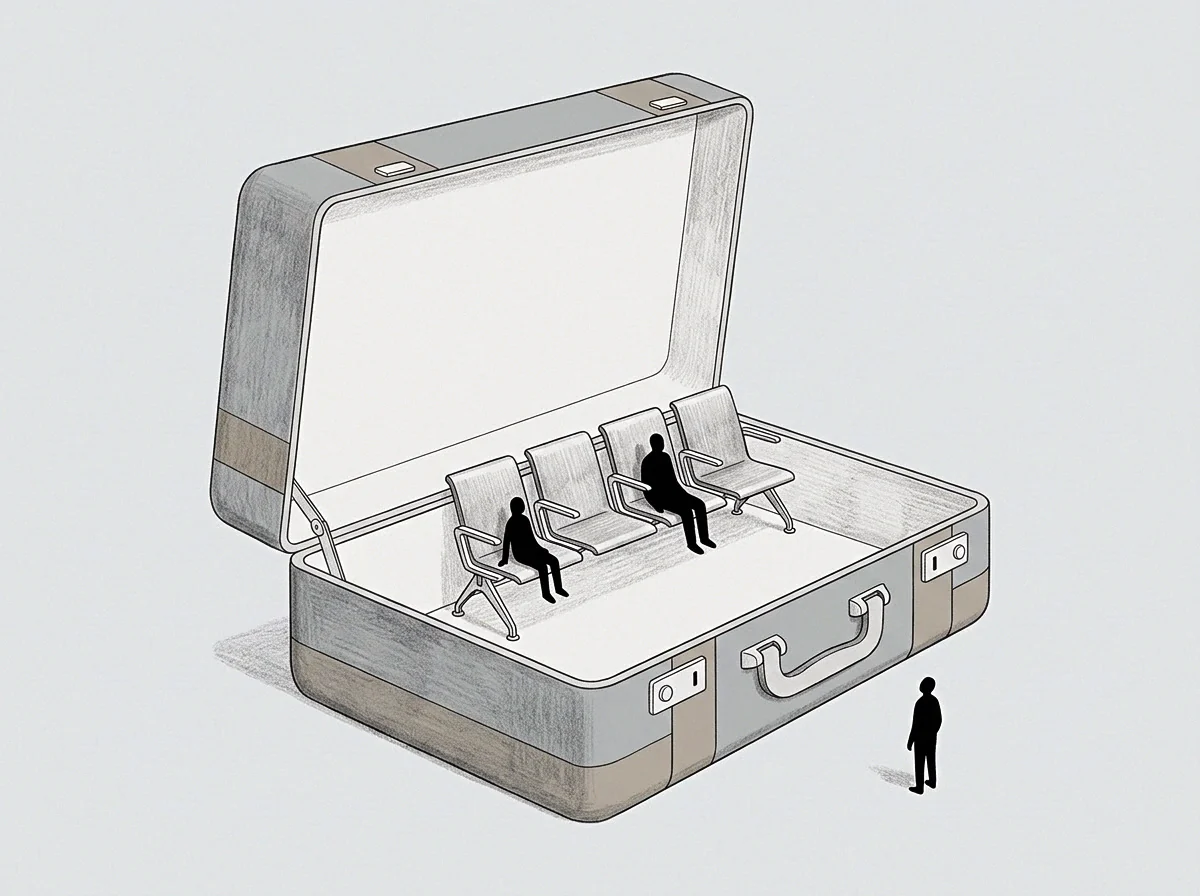
Receiving borrowed regulation requires an operational receptor. In healthy development, this receptor forms through thousands of repeated childhood interactions where distress was met by the physical presence of a calm, attuned adult. That soothing input acts as an external vagal brake, physically slowing the infant’s heart.
Over time, that external brake is internalized as a working model of a responsive other.
When this sequence runs backwards, the individual builds an internal model where others are volatile consumers of calm and the self is the sole provider. The concept of borrowed calm makes intellectual sense to such people, but their physiology cannot process the transaction. They observe another person’s tranquility and perceive it as an asset they must protect, not a resource they can draw from.
The process of constructing an operational receptor occurs in distinct physiological stages.
- The individual identifies physical proximity to a stable other without demanding conversation or task performance.
- Sensory awareness tracks the respiratory cadence of the companion, noting exhalations that last longer than inhalations.
- The nervous system tests passive contact, such as resting a forearm on the same table, without assuming conversational duties.
- The individual actively refrains from assessing the companion’s mood or internal state, deliberately abandoning the diagnostic role.
- The cardiac brake engages incrementally, evidenced by sudden involuntary deep exhalations and drops in shoulder posture.
This sequence cannot be accelerated through conceptual insight. Understanding the mechanics of the vagus nerve does not cause acetylcholine to release at the cardiac node. Only repeated, unpunished experiences of non-vigilance permit the visceral tissues to accept proximity as a regulatory resource.
A founder who can orchestrate a seventy-person team during a liquidity crisis often fails completely at step four. The habit of scanning for operational drift is so deeply conditioned that sitting passively feels like negligence. In an unpressured setting, passive presence feels far more dangerous than active crisis management.
This desk cannot fully determine the exact threshold of exposure hours required to establish a stable receptor in an adult nervous system. Attachment literature estimates that earned security requires eighteen to thirty-six months of continuous, secure relational exposure. In high-demand executive populations, that timeline fluctuates wildly based on the frequency of acute company shocks that re-sensitize sympathetic defenses.
Under this uncertainty, a careful person practices low-demand proximity in daily micro-doses rather than waiting for extended vacations that provoke severe decompensation.
A nervous system updates its defensive thresholds only through repeated physical exposure to safety that outlasts its expectation of harm.
Rest
Earned security is not an intellectual posture. It is a reconfigured autonomic baseline. When the vagal brake engages successfully in low-demand proximity, physical rest ceases to be an exhausting act of self-control.
The heart slows because the organism no longer feels alone on the perimeter.
This transition changes how physical space feels. The desk in the home office becomes merely a piece of joinery rather than an emergency command console. The presence of a partner on the rug no longer registers as an evaluation or a covert demand for entertainment.
The body surrenders its muscular bracing.
Borrowed physiological ease enters through physical proximity long before conscious trust permits it in speech.
In naval engineering, twin engines coupled to a single drive shaft must synchronize their rotational frequency before the clutch can engage without shearing the teeth. Human autonomic systems operate under a similar mechanical law. When two people share a room, their heart rate variability rhythms begin to entrain over extended periods of low-demand contact.
The unbraked system gradually borrows the rhythm of the braked system. The exchange occurs silently through thoracic movement, vocal timbre, and peripheral vasodilation.
The founder who spent a decade serving as an unyielding baseline for others learns a new physical vocabulary. They learn that stillness is not an operational failure. They discover that another person’s steady breathing can act as an external pacemaker for an exhausted heart.
The missing receptor slot opens slowly, milligram by milligram of sustained contact, until the organism finally permits itself to be held by the room.
The unresolved question remains whether a nervous system conditioned by years of total enterprise responsibility can ever fully decommission its threat predictors in domestic quiet, or whether low-demand proximity will always carry a baseline tax of silent vigilance.