
Preserving Cognitive Headroom Through Structural Batching
Structural batching aggregates interjections into fixed windows, protecting working memory setpoints and reducing allostatic load in complex leadership seats.

Drain
Incoming priority notifications arrive continuously across asynchronous channels while executive attention stays pinned to complex structural synthesis. Every unbatched interjection forces the brain to discard active task context, load incoming parameters, evaluate urgency, and attempt re-entry into the original problem space. Working memory operates under fixed capacity limits.
High switching frequency degrades decision state quality.
When multiple project channels ping without structural filtering, executive capacity transfers entirely from synthesis to triage. The finding that task-switching events incur measurable context-restoration latency rests on laboratory task-switching trials using explicit rule-cuing paradigms in healthy adult samples; trial designs utilizing naturalistic multi-project environments with variable incentives would test its outer limits. Unscheduled interjections reset working memory setpoints, accumulating allostatic load across execution cycles.
Over time, the continuous exposure to low-amplitude interruptions transforms high-capacity executive seats into reactive operational bottlenecks.
Executive capacity decays when operational requests set the evaluation cadence.
A partner experiencing this delay observes that urgent structural questions receive answers only during scheduled operational reviews.

Clock
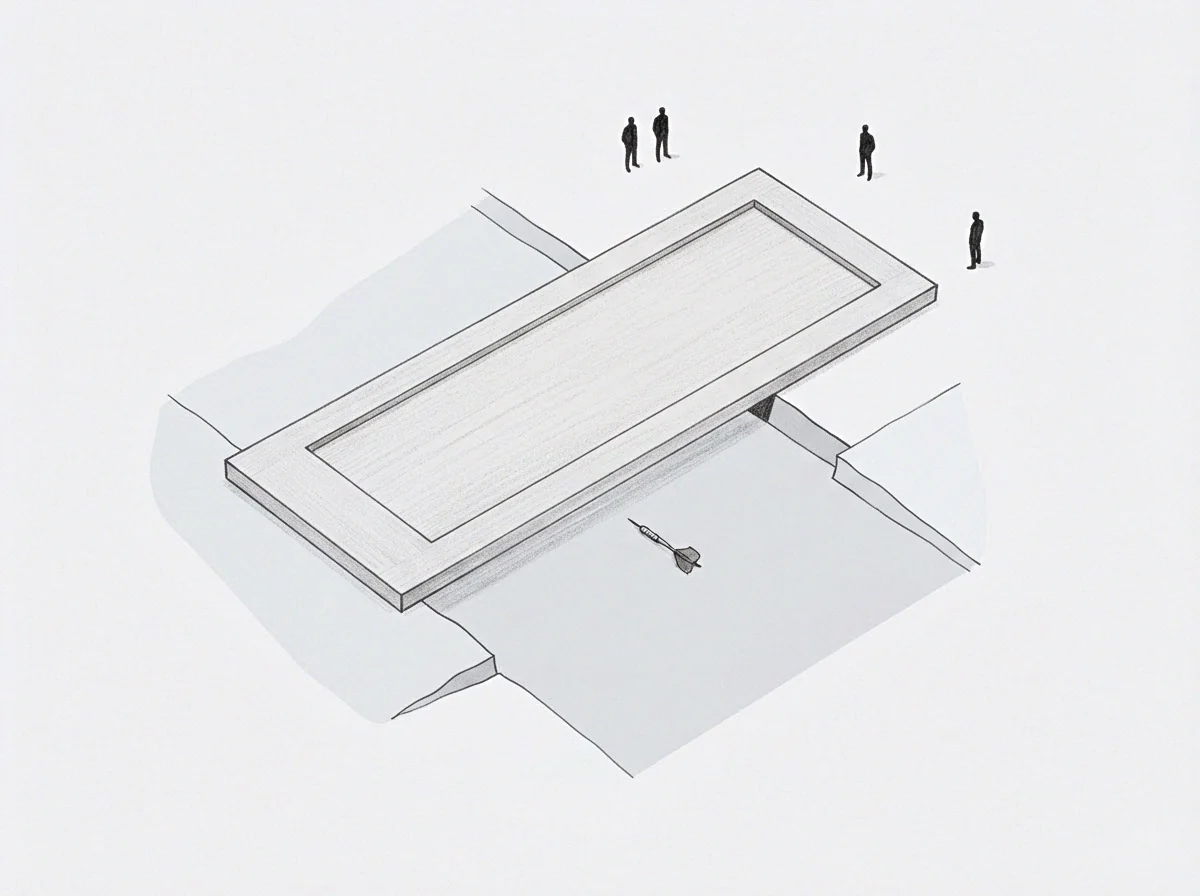
Temporal Interval Architecture
Temporal structuring moves execution from reactive evaluation to deterministic windows. By grouping evaluation tasks into discrete time blocks, executive capacity stays isolated from continuous channel noise. Continuous availability forces constant state switching.
Unscheduled demands convert capacity into latency.
Structural batching separates state-gated acts from routine decision-gated acts. Tasks requiring profound synthesis, long-horizon allocation, or structural changes demand unbroken focus blocks. Routine approvals, status updates, and administrative inquiries sit safely in asynchronous queues until designated processing frames open.
- Continuous Polling destabilizes working memory setpoints by forcing executive attention to re-evaluate incoming signal priority every few minutes.
- Immediate Dispatch creates an operational expectation where every incoming request gains priority status regardless of strategic weight.
- Unbounded Interjection consumes working memory reserve capacity before high-complexity synthesis can begin.
A ninety-minute batching interval shifts input processing from continuous interrupt response to deterministic state-gated evaluation.

Filter
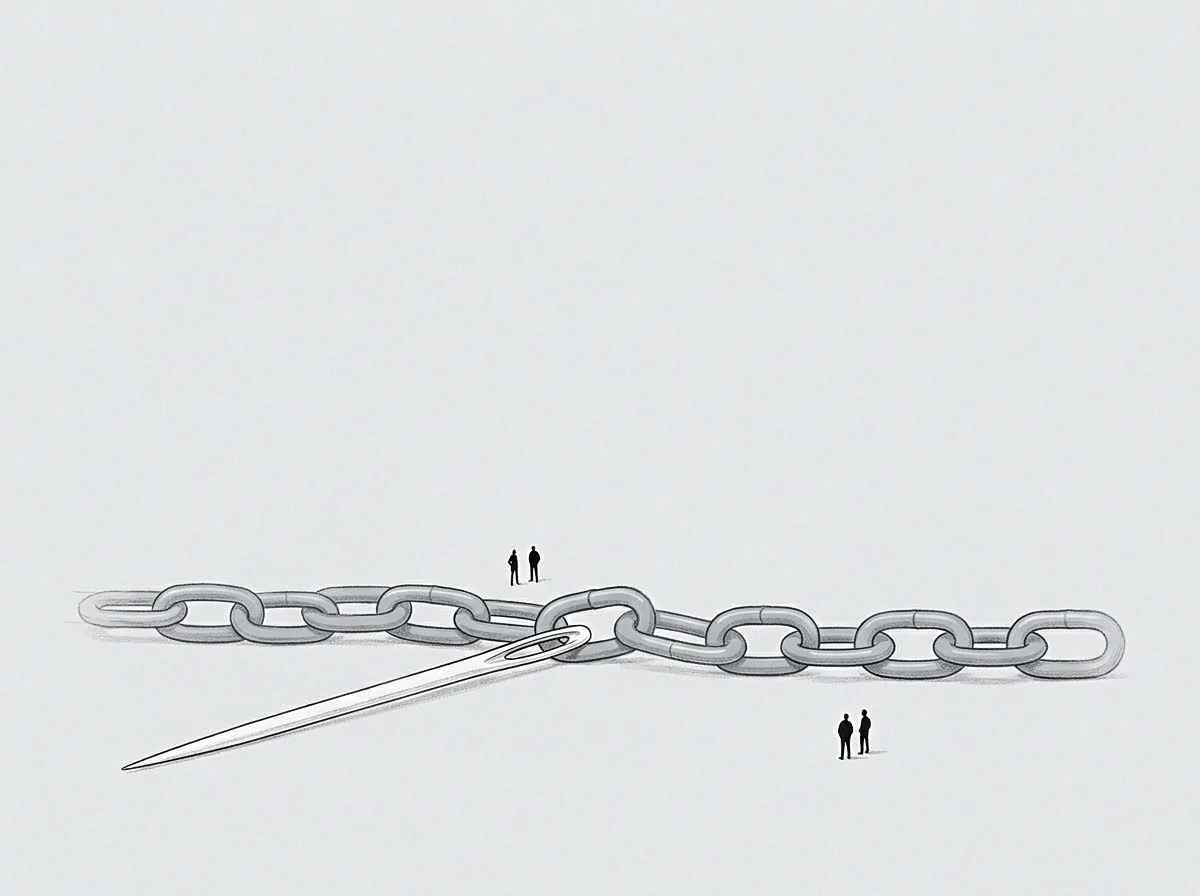
Is Cognitive Headroom Preserved Under Load?
Structural gates block continuous interjections, forcing inbound requests to queue in standardized repositories until execution windows open. Without explicit filter rules, structural batching fails because external participants bypass queues through high-urgency signaling. Stating explicit terms regarding intake hours, response windows, and escalation criteria establishes a structural boundary around executive attention.
The stance that co-regulation efficiency drops when baseline administrative load exceeds physiological threshold rests on salivary cortisol and heart-rate variability metrics during high-concurrency supervisory tasks; studies examining remote asynchronous teams with low relational density could invalidate these baseline setpoints. Time blocks fix evaluation intervals precisely. Asynchronous channels hold operational input safely.
The stated term governs entry criteria.
When incoming inputs queue in static repositories, working memory setpoints remain stable across long synthesis blocks.
| Processing Mode | Executive State | Switch Latency | Signal Resolution |
|---|---|---|---|
| Continuous Polling | Fragmented Attention | High Context Re-entry Cost | Low Synthesis Depth |
| Structural Batching | Isolated Concentration | Zero Mid-Block Latency | High Strategic Precision |
Failing to establish structural terms forces the operator to spend executive headroom triaging raw requests during deep synthesis sessions.

Batch

Execution Frame Mechanics
Consolidating decision-gated acts into discrete execution frames changes how the organization submits operational demands. Scheduled processing blocks require predefined evaluation protocols to clear accumulated queues efficiently. When demands arrive, team members submit complete context packages to a centralized queue rather than sending fragmented real-time pings.
Assume an operator manages three parallel product development tracks while holding forty percent of organizational decision density. Assume incoming interjections average twelve per hour across real-time messaging channels. In an unbatched environment, context restoration consumes eleven minutes per interruption, effectively reducing continuous synthesis capacity to zero.
Implementing a two-block daily processing protocol aggregates those twelve hourly interjections into twenty-four aggregated line items processed in two dedicated forty-five-minute evaluation blocks.
In deep-sea diving support operations, umbilical pressure feeds are monitored at staggered interval checks rather than through unbroken manual adjustment, preventing operator fatigue while retaining safety margins. Unbatched processing expands cognitive transfer costs. Stated positions reduce external priority claims.
Structural boundaries retain critical executive bandwidth.
Stating a forty-eight-hour triage window reduces continuous channel monitoring without increasing operational error rates.
- Define fixed intake hours for all operational inputs.
- Route real-time messages through a single asynchronous queue.
- Process queued requests strictly within designated temporal blocks.
Current research cannot fully quantify the precise point where asynchronous queue latency impairs team trust in fast-moving operations, so operators maintain explicit response SLAs alongside batch schedules to preserve baseline psychological safety.
Whether organizational teams can sustain long-term alignment without real-time interjection channels remains an open question for rapidly scaling operational structures.

Margin

Restoring Executive Buffer
Preserving executive headroom restores the structural buffer required for strategic synthesis and long-horizon decision stability. Operating with clear cognitive buffer allows founders to process non-linear trade-offs without exceeding physiological threshold limits. Deferred evaluation protects continuous concentration blocks.
Structural batching isolates decision window execution. Systemic delays preserve available working memory. Fixed schedules reallocate focus to synthesis.
Structural limits protect focus better than individual discipline under conditions of high operational load.
When executive headroom is defended through rigid temporal batching, operational demands adjust to the stated cadence and internal cognitive load stabilizes across processing cycles.