
Setting Hard Operational Floor Triggers During Severe Depletion
Hard floor triggers replace personal discretion with automated operational limits when severe depletion renders executive cognitive function ineffective.

Wall
Four communications arrive within fifteen minutes while cognitive headroom sits at zero. An investor asks for updated cash burn scenarios, a product lead reports a key departure, a vendor requests immediate invoice clearance, and a partner demands an off-agenda strategy call. In this moment, executive function faces a structural deficit.
The capacity to evaluate competing priorities, weigh trade-offs, and negotiate internal compromises vanishes. Voluntary discretion breaks down under extreme cognitive and physiological load.
Capacity decays silently. When allostatic load reaches a critical setpoint, the human operating system shifts from deliberate reasoning to primitive load shedding. Most founders attempt to navigate severe depletion by relying on soft internal intentions.
They resolve to work fewer hours, delay non-urgent replies, or push through one more difficult week. Soft intentions fail because they demand continuous decision-making from an executive engine that has already stalled. Every incoming request forces a new negotiation with self and counterparty.
Without an explicit external boundary, incoming operational demands continuously consume residual energy.
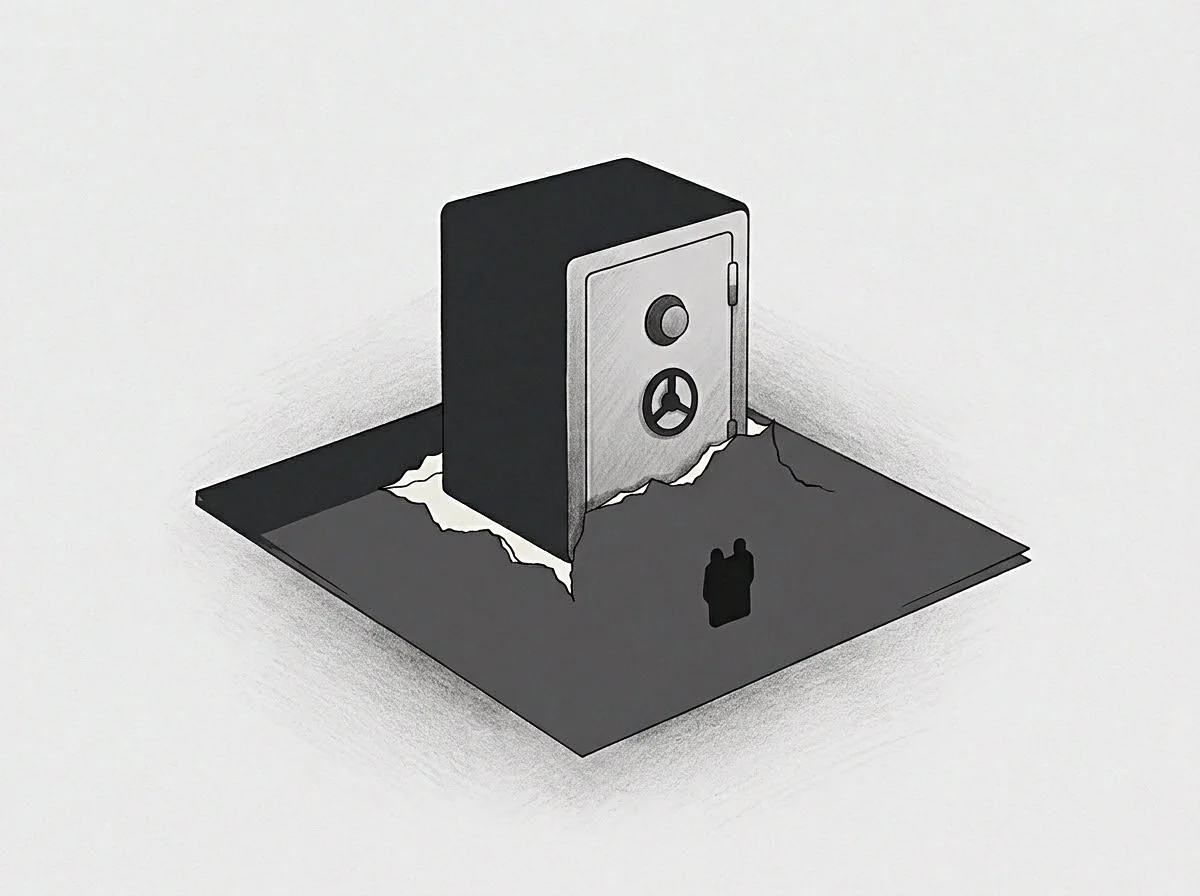
A hard operational floor trigger operates as an unyielding wall rather than an internal preference. A stated limit is a physical property of the system that halts processing before total collapse occurs. The load-transferring environment pushes against a leader until it meets an unyielding object.
If that object is merely personal willpower, the system breaks the person. When the limit is structured as a operational term, the load meets a wall that exists outside the leader’s emotional state.
A soft boundary requires continuous internal negotiation that depletes executive capacity before any work begins.
A soft boundary relies on mood and endurance. It communicates availability conditioned on stress levels, which counterparties treat as an invitation to negotiate. A hard operational floor trigger replaces subjective mood with objective telemetry.
When predefined metrics hit critical thresholds, predefined operational protocols activate automatically without requiring real-time permission or emotional energy. Failing to establish hard floor triggers during severe depletion causes complete system freeze, forcing counterparties to absorb unmanaged collateral failures.

Threshold
Designing effective floor triggers demands explicit operational variables rather than vague markers of fatigue. Exhaustion alters the transfer function, turning routine inputs into catastrophic system delays. Tracking objective telemetry allows an organization to detect severe depletion before operational paralysis takes hold.
Key metrics include decision latency, unread communications backlog, physiological sleep debt, and open loop counts across active projects.
When decision latency increases three-fold over baseline measurements, executive processing has entered severe depletion. At this junction, state-gated acts become impossible to execute cleanly. Decision-gated acts, which rely purely on choice, degrade into unreflective risk-taking or total avoidance.
Establishing threshold conditions requires setting clear, measurable triggers that dictate exactly when operational authority shifts or drops.
Operational floor models vary based on structural depth and automated enforcement. The table below outlines three distinct floor architectures deployed during periods of acute leader depletion.
| Floor Architecture | Trigger Variable | Automated Action | Counterparty Impact |
|---|---|---|---|
| Tactical Intercept | Communications backlog exceeding 48 hours | Inbound routing to operational lead; auto-responder set | Direct access paused; async status updates provided |
| Structural Throttling | Decision latency exceeding 3x baseline | Delegation of capital expenditure limits under fifty thousand | Approval cycles shifted to internal management layer |
| Absolute Hard Stop | Physiological sleep debt exceeding 20 hours | Complete schedule freeze; emergency board proxy activated | External access terminated for set seventy-two hour block |
Selecting the appropriate trigger model depends on organizational redundancy and legal governance structure. A tactical intercept manages immediate communication flow, while structural throttling shifts signature authority to designated deputies. Absolute hard stops exist to prevent catastrophic governance errors during health crises or acute burnout episodes.
Deploying these triggers requires establishing pre-committed contracts before depletion occurs. A contract executed during high capacity defines exact variables, operational handovers, and return criteria. When the trigger condition manifests, the operational protocol engages without requiring the depleted individual to evaluate the decision.
The pre-committed term changes emergency load shedding from a personal crisis into an automated administrative procedure.

Throttling
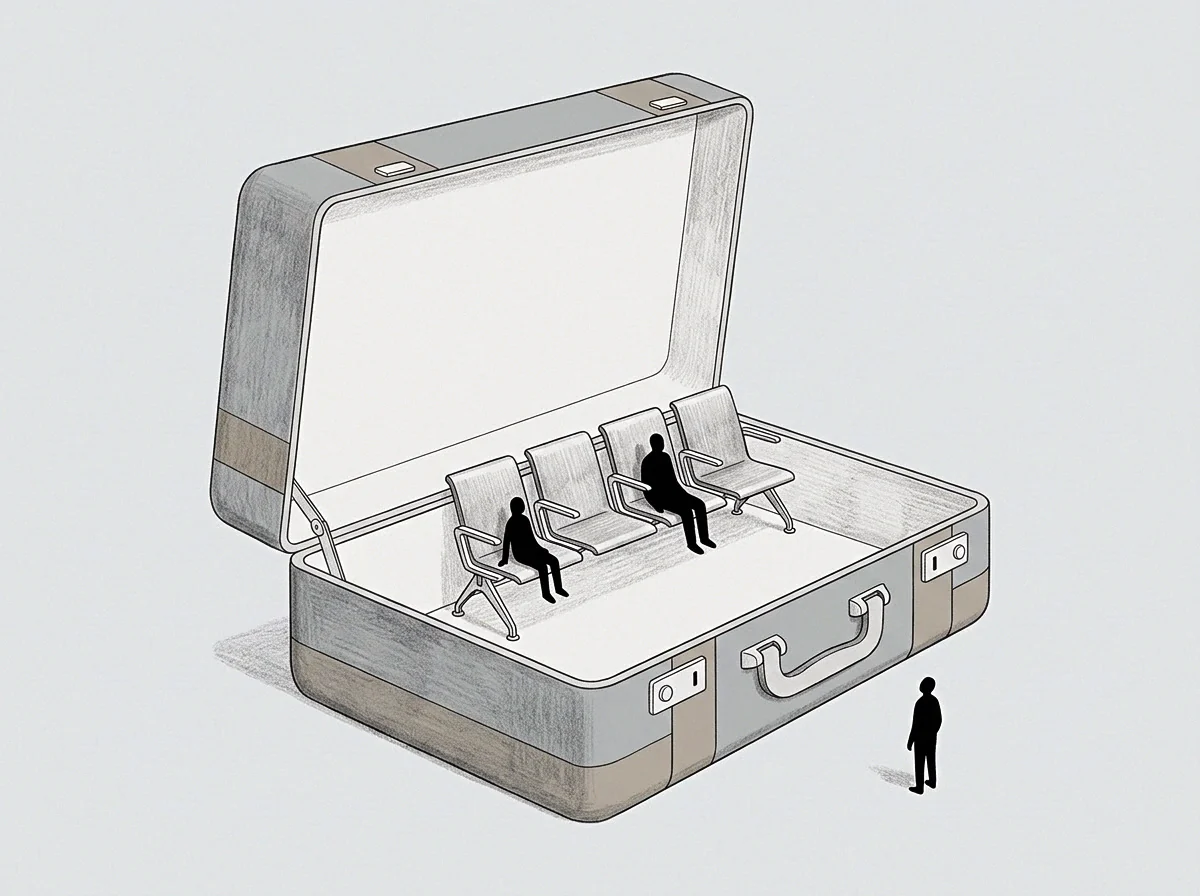
Operational throttling is the systematic reduction of active processing capacity to preserve core system integrity. When hard floor triggers fire, the organization enters a protected operating state. Energy is directed exclusively toward survival-critical tasks, while non-essential operational loops freeze automatically.
Which Acts Suffer Failure During Operational Throttling?
Certain actions inherently demand high baseline cognitive bandwidth and fail immediately when executed during severe depletion. Distinguishing between actions that can proceed under delegation and actions that must halt protects the firm from strategic compounding errors.
- State-Gated Acts require deep cognitive headroom, broad context integration, and emotional regulation. Negotiating venture terms, executing personnel terminations, and restructuring core product architecture belong to this category and must halt when floor triggers trip.
- Decision-Gated Acts depend on simple compliance, binary verifications, or established administrative routines. Signing routine payroll approvals, approving pre-allocated invoices, and publishing scheduled status reports continue uninterrupted under predefined protocols.
- Priority Signal Ping Traffic represents incoming requests designed to probe availability. Throttling reduces ping traffic by eliminating immediate feedback loops and establishing predictable batched communication windows.
Execution under throttling demands rigid adherence to load-shedding protocols. The system met the wall; now the load transfers elsewhere. Attempting to override automated throttling due to counterparty anxiety destroys the structural protection of the floor trigger.
The organization absorbs short-term counterparty friction to prevent long-term operational insolvency.
Hard floor triggers shift operational load from human willpower to automated governance protocols.
State dictates execution. When physiological and cognitive metrics drop below operational floors, continuing to force state-gated actions yields sub-optimal strategic outcomes. High-stakes choices made during severe depletion generate downstream operational debt that requires months of remedial work to clear.
Throttling contains the damage radius to predictable, manageable boundaries.
Throttling succeeds only when counterparties receive direct, unambiguous terms regarding current system state. Vague assurances of delayed delivery maintain external pressure and invite persistent follow-up pings. A flat statement defining restricted availability and revised response windows eliminates guesswork and establishes clear expectations across the organization.
Operational safety improves when throttling rules remain firm regardless of short-term urgency spikes.
Clock
Time dynamics shift dramatically during severe depletion. State latency increases, meaning the time required to process simple information stretches from minutes to hours. Under these conditions, real-time availability becomes operational liability.
Managing the clock requires disconnecting internal work cycles from external communication expectations.
Establishing hard response latency bands provides structural insulation. An executive operating under hard floor triggers shifts all communication channels to explicit batch processing windows. Synchronous channels transition to asynchronous logs.
The constant stream of incoming pings stops dictating the leader’s daily agenda.
- Emergency escalation pathways redirect to the chief operating officer or designated deputy.
- General external communications shift to a seventy-two hour batch processing schedule.
- Internal strategic reviews freeze for fourteen consecutive days to clear cognitive backlog.
- Board-level operational updates collapse into a single weekly standardized memorandum.
Latency escalates exponentially when soft availability allows continuous interruption. By enforcing strict clock boundaries, the organization creates artificial cognitive headroom. This time buffer enables the depleted leader to process critical operational priorities without generating additional open loops.
Counterparties adapt quickly to explicit temporal constraints when consequences remain predictable. A counterparty faced with a seventy-two hour guaranteed SLA adjusts internal workflows accordingly. Friction arises from unpredictable availability rather than extended response timelines.
The clear clock boundary converts chaotic incoming demand into structured queue management.
“We cannot obtain decisions from leadership within our operational window, so we are shifting responsibility to the designated deputy.”
Position
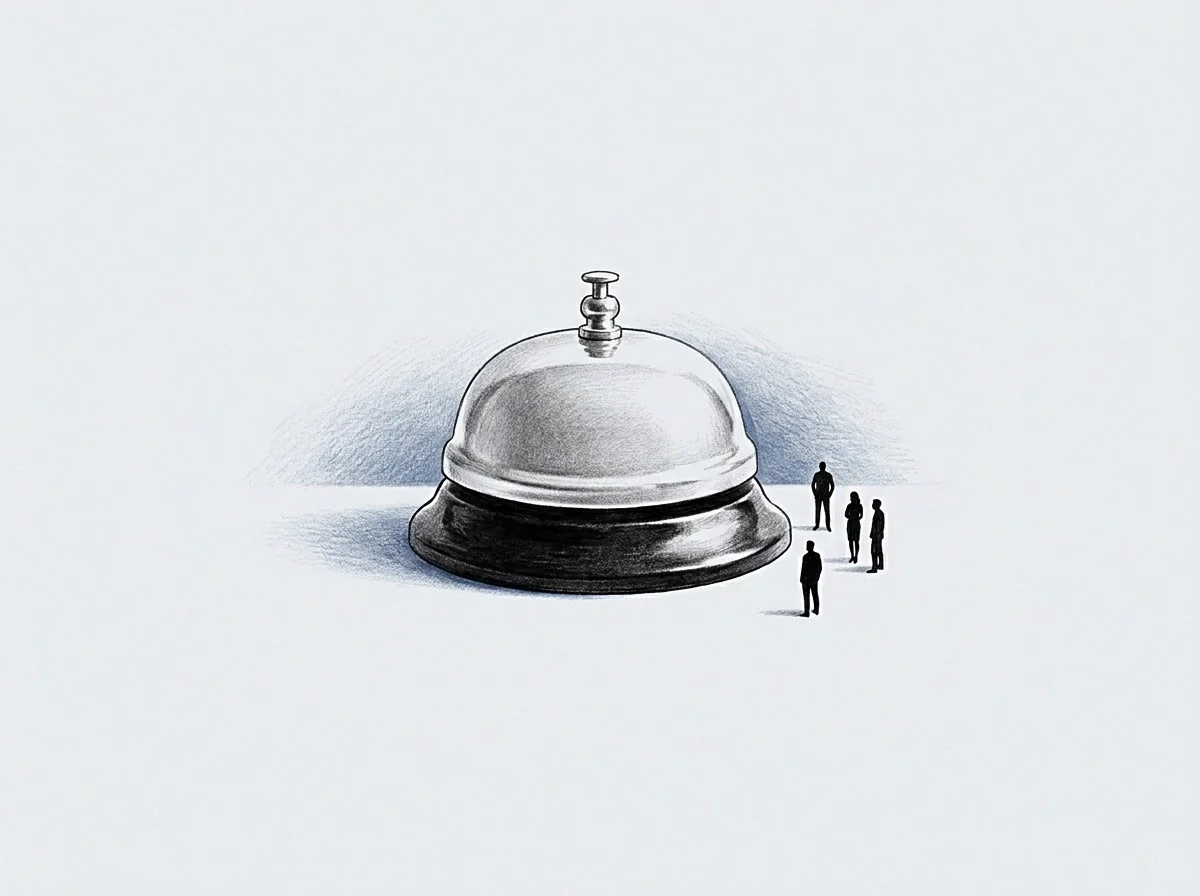
Availability is derived rather than announced. External counterparties, employees, and investors deduce actual limits by analyzing observed behavior, response latencies, and stated terms. Announcing personal fatigue without changing operational mechanics invites continued load pushing.
Holding a clear position requires aligning stated terms with operational reality.
Silence acts as position. When an operational floor trigger fires and automated channels engage, silence on non-essential lines communicates structural boundary enforcement. Counterparties learn that pushing against the stated limit yields no acceleration of processing.
The load-transferring system redirects requests to alternate channels or resolves issues independently.
The social baseline of an organization stabilizes when executive availability becomes transparent and predictable. Borrowed coregulation occurs when a leader demonstrates structural control through clear operational floors rather than panicked reactivity. A firm governed by explicit operational floors absorbs external shocks without transmitting chaos through every management layer.
Availability is derived by counterparties from observed operational response latency and firm terms.
Setting hard operational floor triggers during severe depletion ultimately tests organizational maturity. It forces the business to decouple daily operational momentum from the continuous physical presence of one individual. The stated limit serves as a structural foundation upon which sustainable corporate governance rests.
What systemic vulnerabilities emerge when an organization relies entirely on human reserve capacity rather than automated operational floors to survive peak stress cycles?